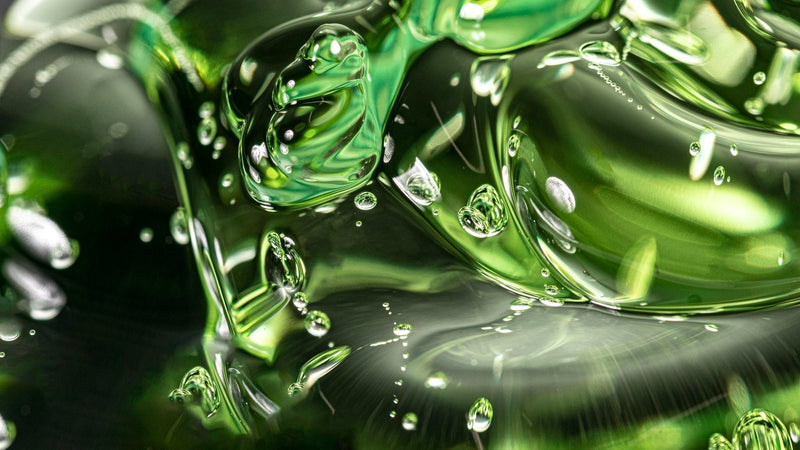
Aloe
Rich in vitamins, minerals and anti-inflammatory properties, excellent for moisturizing and soothing stressed skin.
Free Shipping Over $50. Risk-Free Promise. 30 Day Money-Back Guarantee.
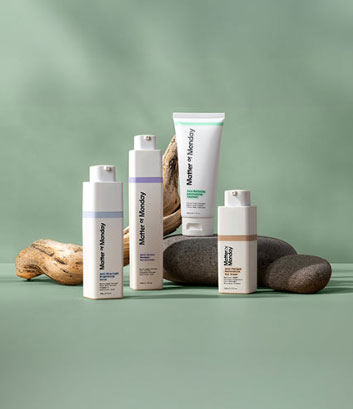
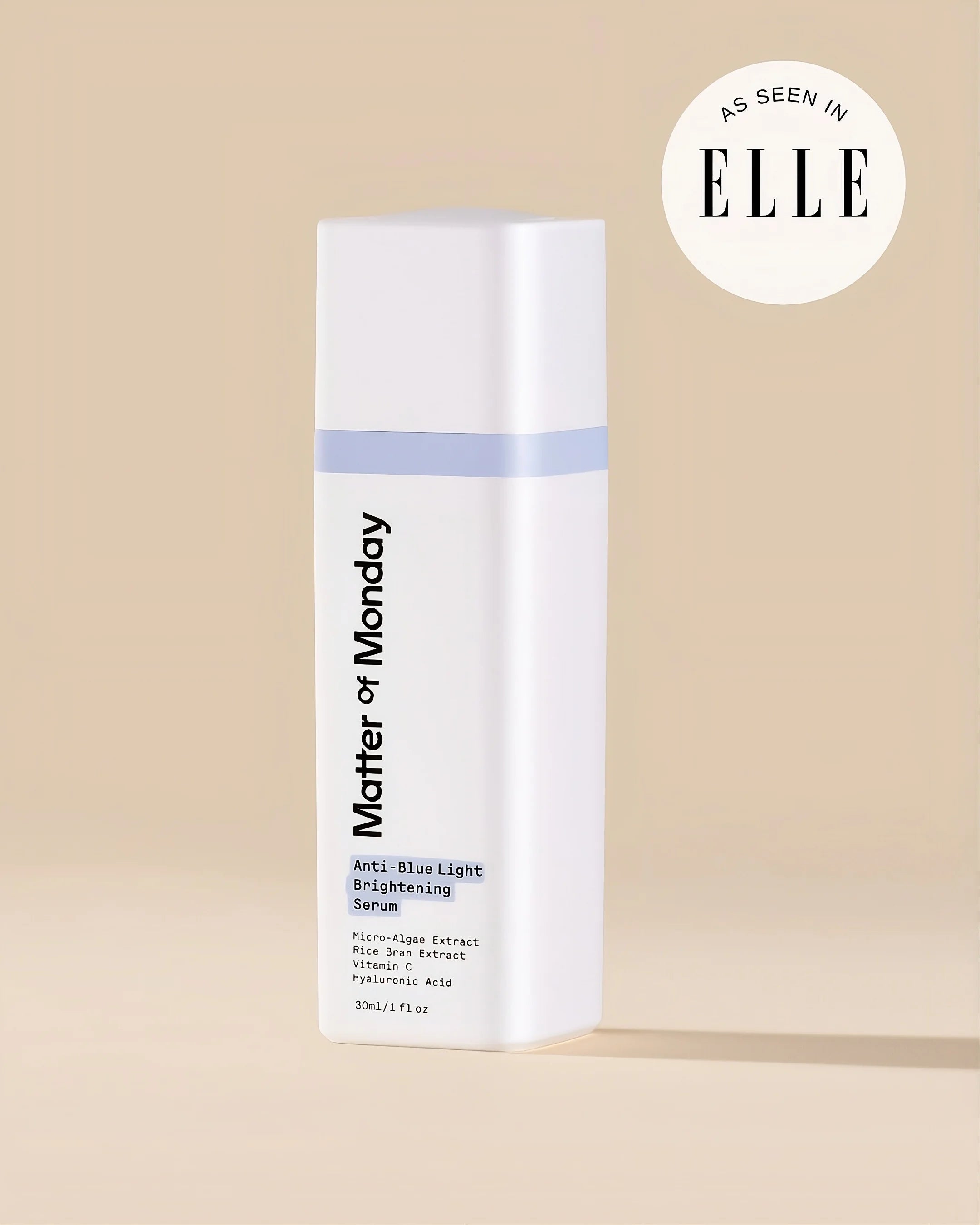
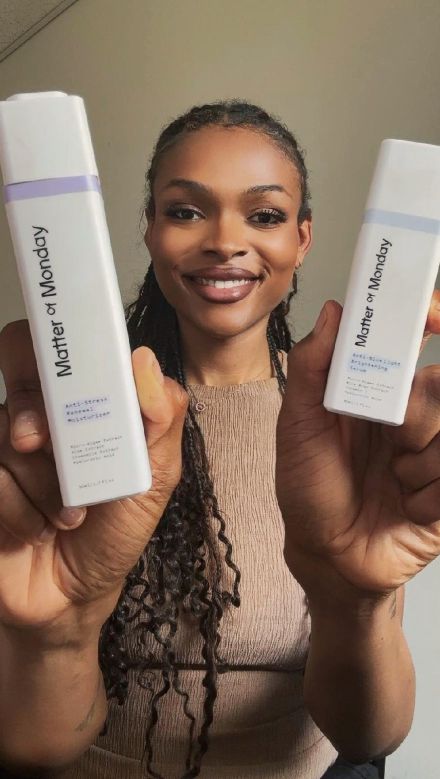
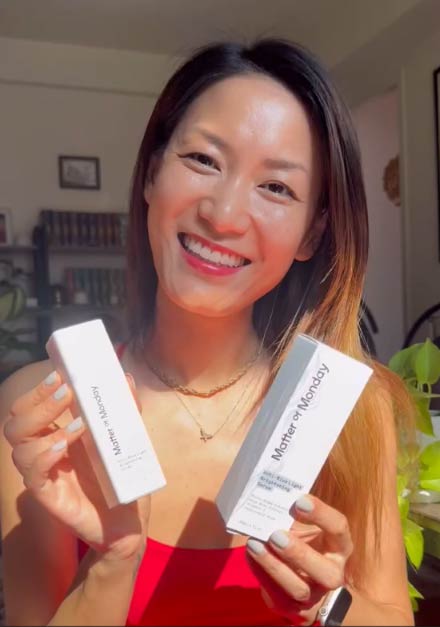
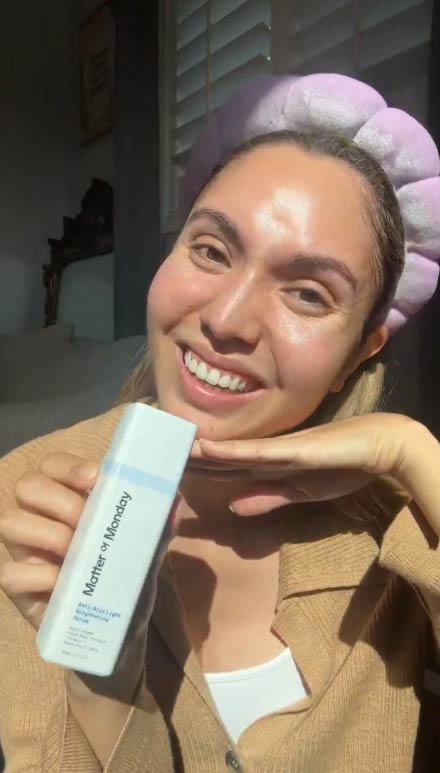
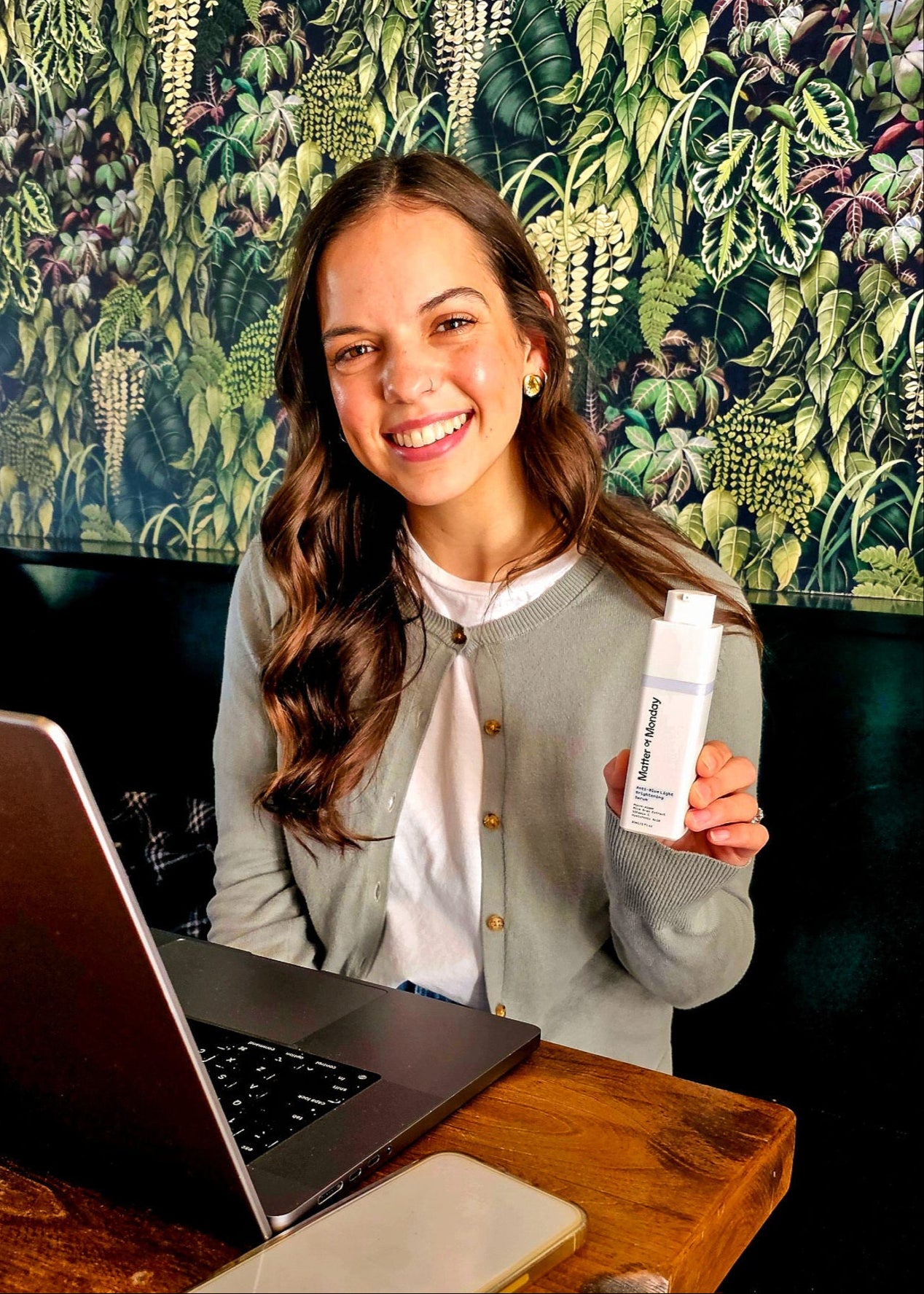
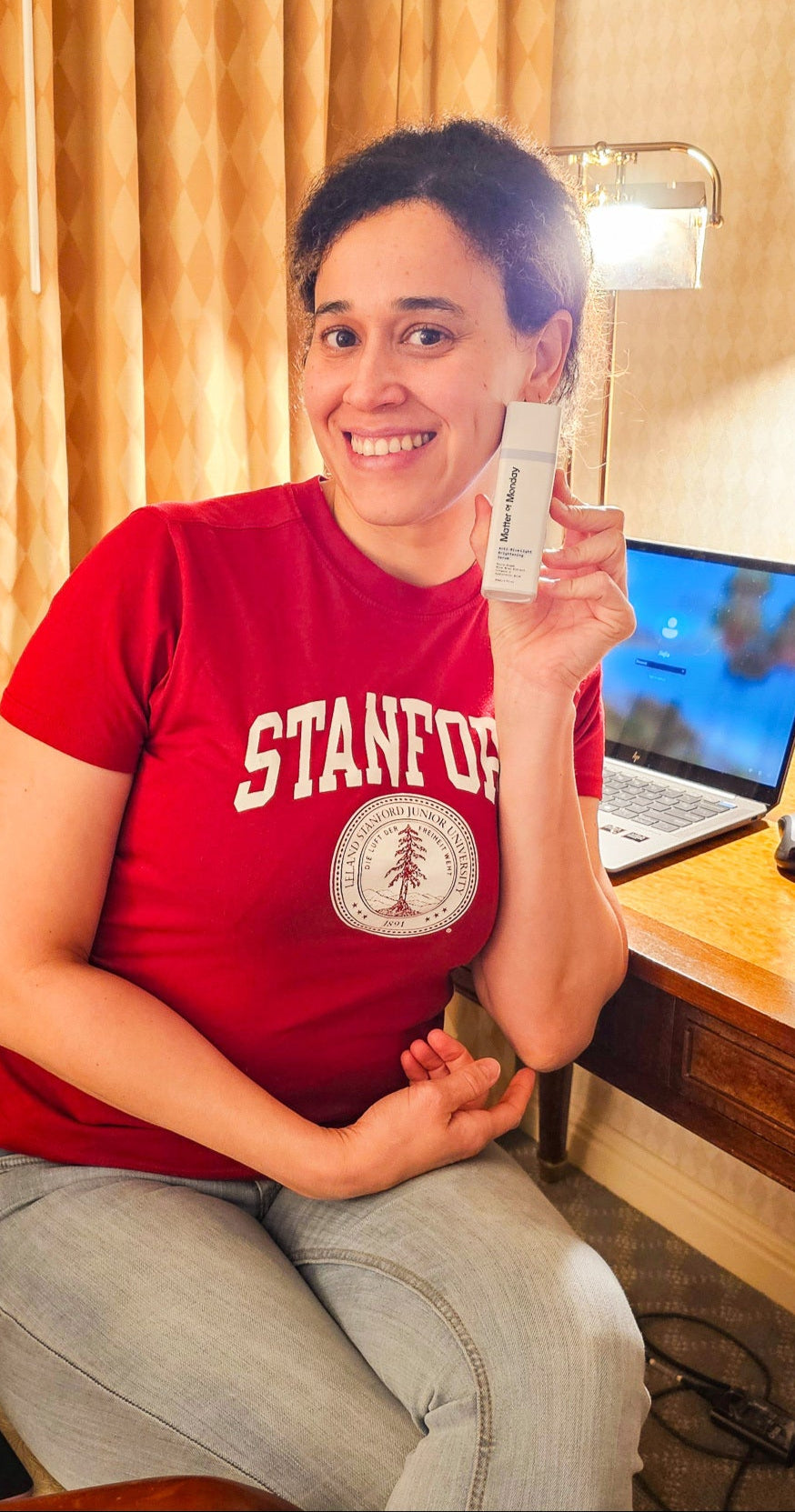
Anti-Blue Light Brightening Serum
A "Digital SPF" that protects skin from digital screen exposure, reduce photo-aging while brightening the skin tone.
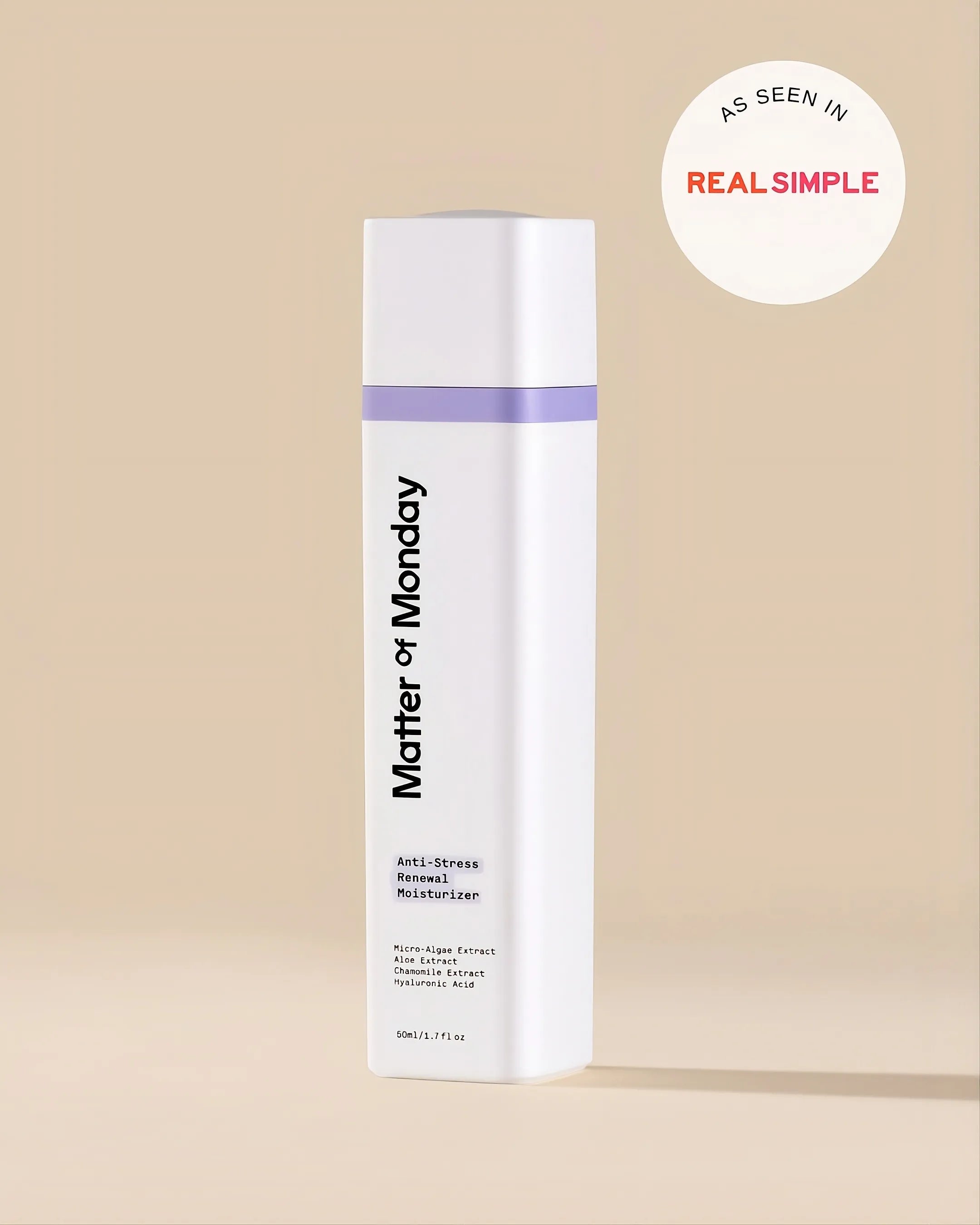
Learn MoreAnti-Stress Renewal Moisturizer
Deeply hydrates while helping counter digital stress and stress-related aging. Reduces the sign of roughness.
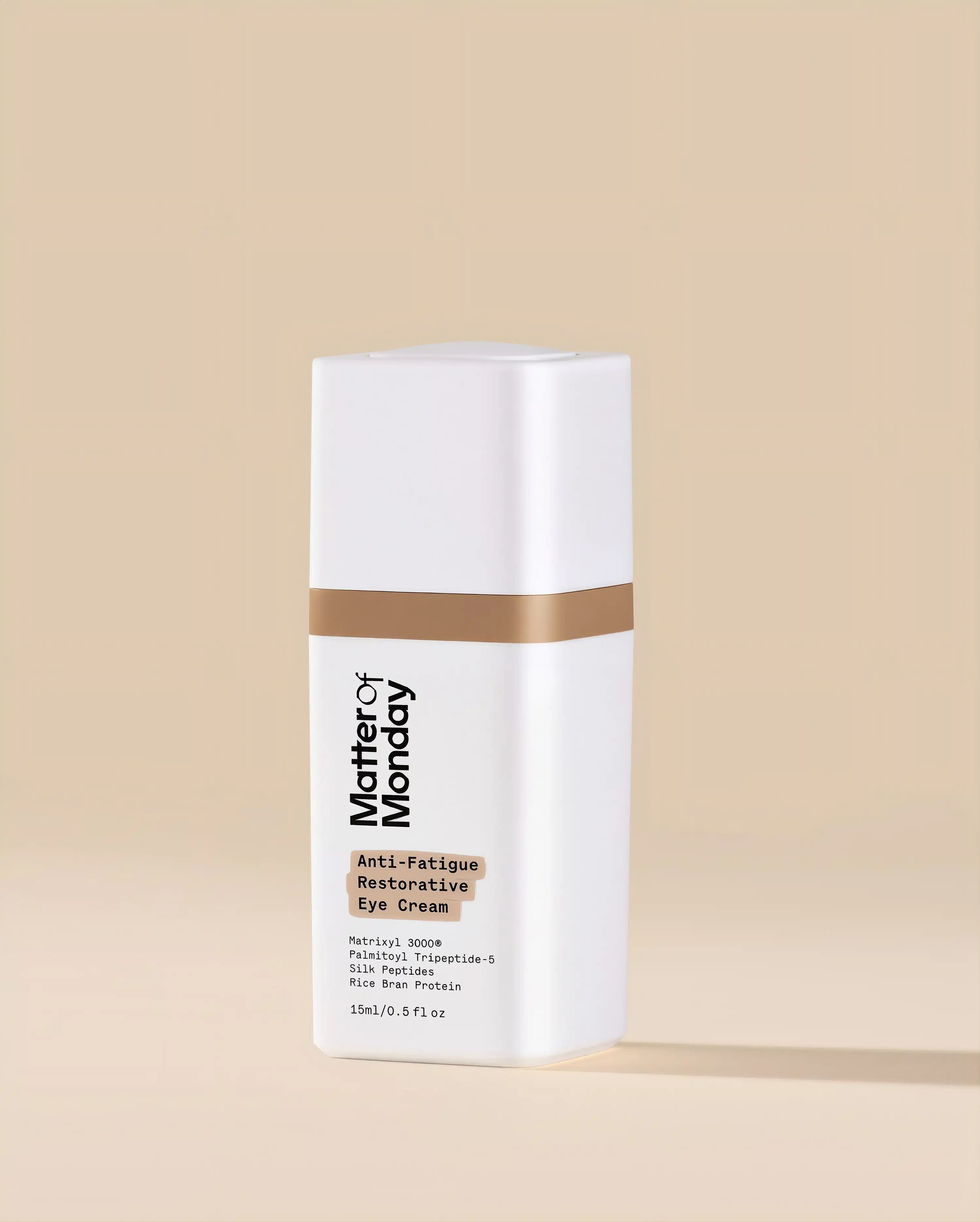
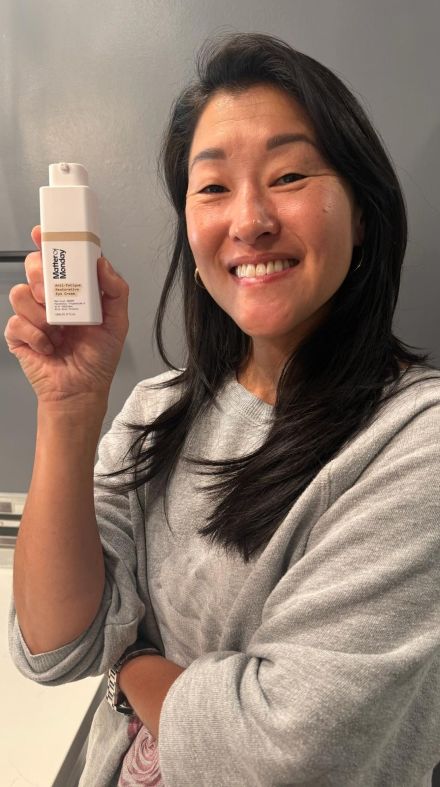
Learn MoreAnti-Fatigue Restorative Eye Cream
High concentration of peptide and protein complex to soothe fatigue and support a firmer, smoother skin around the eyes.
Learn MorePore-Refining Exfoliating Cleanser
A multi-tasking cleanser that purifies and refines pores while fortifying the skin barrier for healthy, soft skin.
Learn More"Matter of Monday's products are clean and gentle, while also protecting against everyday environmental stressors. It’s a thoughtful, science-driven approach to skincare."
Dr. Ryan Turner, MD
Board-Certified Dermatologist
As Seen in REAL SIMPLE:
“Dr. Palmer recommends this Matter of Monday moisturizer, a lightweight formula infused with microalgae extract, aloe, and hyaluronic acid to soothe and quench your skin.”
Dr. Debbie Palmer, MD
Board-Certified Dermatologist
"What makes Matter of Monday's Anti-Blue Light Brightening Serum exceptional is its dual-action formulation. It not only protects the skin from digital pollution but also supports its natural repair processes overnight."
Dr. Jame Heskett, MD
Longevity/Anti-Aging Doctor
Each ingredient serves a specific function. From antioxidants to clinically proven actives, all work together to support skin defense against digital-age stressors.
Aloe
Rich in vitamins, minerals and anti-inflammatory properties, excellent for moisturizing and soothing stressed skin.
Read more
Bamboo Stem
Rich in silica, magnesium, and calcium, it strengthens the skin barrier and improves elasticity.
Read more
Bilberry Extract
Rich in antioxidants, vitamin C, and resveratrol, it supports collagen and defends against visible signs of aging.
Read more
Caffeine
Boosts microcirculation, reduces dark circles and puffiness while providing antioxidant protection.
Read more
Ceramides
Naturally occurring lipids that reinforce the skin barrier, lock in moisture, and protect against free radicals for firmer, more resilient skin.
Read more
Citrus Fruit Peel Extracts
Rich in vitamin C and antioxidants, lemon and orange peel extracts brighten skin, tighten pores, and control excess oil.
Read more
Glycerin
A powerful humectant that attracts moisture, strengthens the skin barrier, and calms irritation.
Read more
Grape Seed Oil
High in resveratrol and vitamin E, it hydrates, firms skin, and reduces dark circles.
Read more
Hydrolyzed Rice Bran Protein
Packed with vitamins, minerals, and fatty acids, it hydrates, nourishes and restores skin for a softer complexion.
Read more
Jojoba Oil
A sebum-like oil that hydrates, balances oil production, and protects the skin barrier.
Read more
Maple Sugar Extract
A natural AHA source that gently exfoliates, brightens skin, and promotes collagen production.
Read more
Matrixyl 3000®
A patented peptide complex made of Palmitoyl Tripeptide-1 and Palmitoyl Tetrapeptide-7 to stimulate collagen production and improve firmness for smooth, youthful skin.
Read more
Micro-Algae Extract
A bioactive powerhouse that deeply hydrates, shields against free radicals and soothes irritation while boosting collagen production.
Read more
Papaya Enzyme
A natural exfoliant with antioxidant and anti-inflammatory properties. It combats acne and blackheads.
Read more
Pepha®-Age (Micro-Algae)
Patented ingredient from the most potent micro-algae to combat the harmful blue light and prevent accelerated skin aging.
Read more
Pineapple Enzyme
A collagen-boosting enzyme that brightens, renews cells, and fights skin dullness.
Read more
Rice Bran Seed Extract
Brightens skin tone and restores clarify while protecting skin from environmental stressors.
Read more
Rosemary Leaf Extract
A potent antioxidant that strengthens the skin barrier, protects against UV damage, and boosts ceramide production.
Read more
Shea Butter
Rich in fatty acids and vitamin A, it deeply nourishes, soothes irritation, and smooths skin.
Read more
Silk Peptides
Biomimetic peptides that boost collagen and elastin production to improve skin's firmness and elasticity.
Read more
Sodium Hyaluronate (Hyaluronic Acid)
A smaller-molecule form of hyaluronic acid that deeply hydrates and smooths fine lines for a plumper look.
Read more
Soybean Protein
Packed with essential amino acids, it boosts collagen production for firmer, smoother appearance.
Read more
Sugarcane Extract
Naturally rich in glycolic acid, it gently exfoliates dead skin cells for a smoother, more radiant complexion.
Read more
Sunflower Seed Extract
A nutrient-rich extract with fatty acids and vitamins that soothes inflammation and protects against environmental stressors.
Read more
Syn®-Coll (Palmitoyl Tripeptide-5)
An innovative wrinkle-smoothing bioactive that stimulates tissue growth factors and boosts collagen production for visibly firmer, smoother skin.
Read more
Vitamin C
A powerful antioxidant that protects against UV damage, brightens dark spots, and stimulates collagen for a firmer, more radiant complexion.
Read more
What Are the Best Moisturizers for Sensitive Skin Right Now?
Key Highlights Sensitive skin usually prefers fragrance-free, barrier-supporting moisturizers with minimal ingredients. Ceramides, hyaluronic acid, glycerin, and colloidal oatmeal help calm dryness and irritation. Rich creams work best for dry, tight, or compromised skin barriers. Lightweight gel moisturizers are better for reactive skin that dislikes heavy textures. A good moisturizer should feel calming, comfortable, and easy to wear every day. Consistency matters more than complicated skincare routines for sensitive skin. Matter of Monday focuses on modern skin stress through lightweight, barrier-friendly formulas designed to keep reactive skin calm and balanced. If your skin burns after using “gentle” products, feels tight for no reason, or suddenly starts reacting to products you’ve used forever, you’re not alone. Sensitive skin can be frustratingly unpredictable. And it’s not always just dryness. Often, it’s your skin barrier feeling overwhelmed from too many actives, over-exfoliating, weather changes, stress, or simply using the wrong products. That’s why finding the best moisturizers for sensitive skin is really about keeping things simple. The right moisturizer should hydrate, calm irritation, and support your skin barrier without making your skin sting, itch, or feel greasy. In this guide, we’ll cover moisturizers that actually work for sensitive skin and what to look for if your skin gets irritated easily. Why Does Sensitive Skin React to Everything? Honestly, sensitive skin can feel a little dramatic sometimes. One day, your routine is perfectly fine, and the next day, your moisturizer suddenly stings for no reason. Most of the time, it comes down to your skin barrier feeling overwhelmed. Your skin barrier is basically your skin’s protective shield. When it is healthy, it keeps moisture in and irritation out. But when it gets weakened, your skin starts reacting more easily to things like weather changes, harsh products, over-exfoliating, stress, or even trying too many skincare products at once. That is usually when you notice things like: Random redness or irritation Tightness after washing your face Burning or stinging from “gentle” products Dry patches that suddenly appear Skin feeling reactive for no obvious reason And honestly, this is why sensitive skin usually does better with simple routines. Less experimenting, fewer harsh actives, and more products focused on hydration and barrier support. A good moisturizer will not magically fix your skin overnight, but it can help your skin feel calmer, more comfortable, and a lot less reactive over time. What Actually Makes a Moisturizer “Good” for Sensitive Skin? Not all “gentle” moisturizers are created equal. Some are labeled soothing, but still end up triggering redness or that annoying sting a few seconds after application. If your skin is sensitive, here’s what actually makes a difference: Fragrance-free (non-negotiable): Even “lightly scented” products can be enough to irritate reactive skin over time. Minimal, no-clutter formulas: The shorter the ingredient list, the easier it is for your skin to stay calm and predictable. Barrier-repair ingredients: Look for ceramides, glycerin, and hyaluronic acid. These help strengthen your skin’s moisture barrier instead of overwhelming it. No surprise actives in your moisturizer: Skip formulas that sneak in exfoliating acids or strong actives unless your skin is already used to them. Texture that feels instantly comfortable: Gel creams for oily or combo sensitive skin. Rich creams for dry, tight, or easily irritated skin. The simplest way to think about it: a good moisturizer for sensitive skin shouldn’t “do a lot.” It should just feel calm the moment you apply it, and stay that way throughout the day. 12 Best Moisturizers for Sensitive Skin at a Glance Moisturizer Best For Texture Standout Ingredients Matter of Monday Anti-Stress Renewal Moisturizer Stressed, reactive skin Lightweight cream Aloe, chamomile, hyaluronic acid CeraVe Moisturizing Cream Dry, compromised skin barrier Rich cream Ceramides, hyaluronic acid La Roche-Posay Toleriane Double Repair Redness-prone sensitive skin Lightweight lotion Ceramides, niacinamide Vanicream Moisturizing Cream Highly reactive skin Thick cream Minimal irritant-free formula Cetaphil Moisturizing Cream Dry, tight skin Rich cream Glycerin, panthenol First Aid Beauty Ultra Repair Cream Irritated, flaky skin Rich cream Colloidal oatmeal, shea butter Neutrogena Hydro Boost Water Gel Oily or combo-sensitive skin Water gel Hyaluronic acid Aveeno Calm + Restore Oat Gel Redness and irritation Gel-cream Colloidal oatmeal, feverfew Skinfix Barrier+ Triple Lipid-Peptide Cream Damaged skin barrier Medium-rich cream Lipids, peptides Bioderma Sensibio Light Cream Easily overwhelmed skin Lightweight cream Glycerin, soothing agents Embryolisse Lait-Crème Concentré Dull, dehydrated skin Nourishing cream Shea butter, aloe Dr. Jart+ Cicapair Repair Cream Visible redness and flare-ups Rich soothing cream Cica, botanical extracts Looking for the Best Moisturizers for Sensitive Skin? Start With These 12 Sensitive skin and skincare do not always get along. Some moisturizers feel too heavy, some sting instantly, and some “gentle” products are anything but gentle. The right moisturizer should simply keep your skin calm, comfortable, and hydrated. Here are 12 moisturizers sensitive skin tends to love a lot more. 1. Matter of Monday – Anti-Stress Renewal Moisturizer You know those moments when your skin suddenly stops tolerating everything? One extra active, one weather change, and your barrier feels completely thrown off. This is the moisturizer that steps in for those days. Matter of Monday Anti-Stress Renewal Moisturizer is built around calm, barrier-friendly hydration. With soothing ingredients like aloe and chamomile paired with humectants like hyaluronic acid, it focuses on taking the edge off irritation while helping your skin hold onto moisture more comfortably. The texture is lightweight and easy to wear, but it still feels purposeful. It sinks in quickly without sitting on top of the skin or leaving behind that heavy, greasy layer sensitive skin usually rejects. Why you will like it: Helps skin feel calmer and more balanced during reactive phases Lightweight hydration that does not feel sticky or suffocating Layers comfortably under sunscreen and makeup Gives skin a soft, fresh finish without heaviness Easy to use daily when your barrier feels stressed or overwhelmed Best for: skin that feels overstimulated, reactive, or just needs a simple reset without complication Not to Hype It Up Too Much, But Here’s What Users Are Saying "I’m a night owl and work late into the night. This moisturizer protects my skin against the aging effects of blue light when I usually don’t have any sunscreen on. I also love that it has a light texture, but it’s deeply hydrating. Great moisturizer!" - R G. "I've been using the product for a week now, and it's just wonderful. The texture feels amazing on my skin. My skin looks more plump and firm." - Lisa Ready to give your skin a break? Shop the Anti-Stress Renewal Moisturizer now. 2. CeraVe Moisturizing Cream When your skin feels unpredictable, this is the kind of moisturizer that removes the guesswork. It is not trying to feel trendy or overly sophisticated. It just delivers steady, reliable hydration that sensitive skin tends to settle into without resistance. At its core, this formula relies on ceramides and hyaluronic acid to help support a weakened skin barrier and improve moisture retention. It is the kind of simple combination that quietly brings the skin back to a more comfortable, stable state over time. What makes it stand out is how consistent it feels. Whether your skin is dry, slightly irritated, or just off balance, it behaves in a predictable, low-drama way. Why you will like it: Feels dependable even when your skin is reactive or unsettled Works well as a no-thought, everyday moisturizer in your routine Rich texture that still feels comfortable instead of heavy or greasy Fragrance-free and minimal, which reduces the chance of irritation Layers easily under sunscreen without pilling or congestion Best for: anyone looking for top moisturizers for dry sensitive skin that feel simple, stable, and easy to stick with. 3. La Roche-Posay Toleriane Double Repair Face Moisturizer This is one of those moisturizers that feels like it was made for skin that gets irritated by everything and anything. It is simple in the best possible way, focused on keeping your skin calm instead of doing too much at once. The formula brings together ceramides, niacinamide, and glycerin, which is a solid trio when your skin barrier feels compromised. The ceramides help with barrier support, glycerin pulls in hydration, and niacinamide helps reduce visible redness over time if your skin tolerates it well. What you notice most is how “neutral” it feels. No heaviness, no sting, no overwhelming finish. Just skin that feels more settled than before. Why you will like it: Helps calm the look of redness over time Lightweight feel that does not overwhelm sensitive skin Fragrance-free and designed for reactive skin types Works well under sunscreen and makeup without piling Best for: people looking for best face moisturizers for sensitive skin that feel gentle, balanced, and easy to trust daily. If your routine only works when you have an hour to spare, it probably is not realistic long-term. Here’s how to keep your skin healthy even when you barely have time. 4. Vanicream Moisturizing Cream This is the moisturizer people reach for when their skin is in full “do not experiment” mode. It is basic in appearance, but that is exactly why it shows up so often in sensitive skin routines. The formula is intentionally minimal, focusing on simple hydration support without common irritants that can trigger flare-ups. It is the kind of product you use when your skin barrier feels unsettled, and everything else suddenly feels like too much. What makes it reassuring is how unchanged it feels from one use to the next. No surprises, no reactions, just a steady layer of comfort that sits well on compromised skin. Why you will like it: Extremely minimal formula that avoids common irritants Works well when your skin is easily triggered or reactive Thick, comforting texture without feeling overly greasy Consistent performance across different skin conditions Often used as a reset product when skin is over-exfoliated or stressed Best for: people looking for gentle moisturizers for sensitive skin that prioritize safety and simplicity over everything else 5. Cetaphil Moisturizing Cream This is one of those moisturizers that quietly earns its place in your routine over time. It does not try to stand out, but it becomes the product you reach for when your skin feels off and you do not want to risk trying anything new. The formula is built around glycerin and panthenol, which help keep the skin hydrated while supporting a more comfortable, less reactive feel. It is especially useful when your skin feels dry, tight, or slightly irritated from overuse of actives or environmental stress. What people tend to like most is the familiarity. It feels the same every time you use it, which is exactly what sensitive skin benefits from when it is being unpredictable. Why you will like it: Reliable hydration that works even when skin feels irritated Rich texture that still feels comfortable for daily use Helps reduce dryness and tightness without causing sensitivity Fragrance-free and designed for reactive skin types Easy to keep as a “backup” moisturizer in your routine Best for: anyone looking forsensitive skin moisturizers for dry sensitive skin that feel dependable, familiar, and low-risk. 6. First Aid Beauty Ultra Repair Cream There are moisturizers you use for maintenance, and then there are moisturizers you reach for when your skin is clearly not okay. This sits in the second category. First Aid Beauty Ultra Repair Cream leans heavily into comfort. The formula brings in colloidal oatmeal, along with shea butter and glycerin, which work together to soothe visible irritation while easing that tight, dry feeling that shows up when your skin barrier is struggling. It is the kind of cream that feels immediately grounding on irritated skin, especially when things like weather changes, over-exfoliation, or general sensitivity have thrown everything off balance. Why you will like it: Gives quick comfort when skin feels irritated or reactive Helps soften tight, dry patches that show up unexpectedly Rich texture that still feels manageable on most skin types Works well as a recovery step in a stressed routine Feels more like “calming down” the skin than just moisturizing it Best for: moments when your skin needs one of the best face moisturizers for sensitive skin that focuses on comfort first, not performance. 7. Neutrogena Hydro Boost Water Gel Some moisturizers feel like a blanket. This one feels more like a glass of water for your skin. Neutrogena Hydro Boost Water Gel is built around hyaluronic acid, which helps the skin hold onto moisture without feeling heavy or greasy. The gel texture is what really defines it. It disappears almost instantly, which makes it ideal for sensitive skin that does not like layers sitting on top of it. It works especially well in warmer weather or on days when your skin feels dehydrated but not necessarily dry or flaky. The finish is clean, light, and almost invisible. Why you will like it: Ultra-light gel texture that absorbs quickly Keeps skin hydrated without feeling heavy or sticky Works well under sunscreen and makeup Feels refreshing on skin that gets easily overwhelmed Good option for humid or warm climates Best for: those looking for gentle moisturizers for sensitive skin that feel weightless and breathable. 8. Aveeno Calm + Restore Oat Gel Moisturizer This is not just hydration, it feels more like calming energy for your skin. Aveeno Calm + Restore Gel Moisturizer is centered around colloidal oatmeal, which is known for helping soothe irritation and reduce visible redness. It also includes feverfew extract and glycerin, making it feel especially comforting when your skin is reactive or slightly inflamed. The gel-cream texture is soft and cooling, which makes it feel almost like your skin is exhaling after a long day of irritation or exposure. Why you will like it: Soothing gel texture that feels calming on contact Helps reduce visible signs of irritation over time Lightweight enough for daily use without buildup Works well for redness-prone sensitive skin Feels especially good when skin is “worked up” Best for: people searching for moisturizers for sensitive skin that focus on calming rather than just hydrating. Stress, screen time, lack of sleep, late nights, it all catches up to your skin eventually, which is why premature aging feels so much more common lately. Read how modern life may be accelerating the aging process. 9. Skinfix Barrier+ Triple Lipid-Peptide Cream There are moments when your skin does not just feel dry, it feels “off.” Slight tightness, random sensitivity, and a texture that suddenly feels harder to manage than usual. This is where this kind of formula comes in. Skinfix Barrier+ Triple Lipid-Peptide Cream is built around lipids, peptides, and glycerin, which work together to help reinforce a weakened skin barrier and restore a more balanced, comfortable feel over time. It is richer than a gel, but not heavy in a way that suffocates the skin. What makes it stand out is that it feels more corrective than cosmetic. It is not about instant glow, it is about bringing your skin back to a stable baseline. Why you will like it: Feels restorative when skin barrier is compromised Helps reduce the “constantly reactive” feeling over time Rich texture that still absorbs without heaviness Works well during recovery phases after over-exfoliation Designed for long-term barrier support, not quick fixes Best for: skin that feels unstable and needs one of the best moisturizers for dry sensitive skin focused on repair rather than surface hydration 10. Bioderma Sensibio Light Cream This is the moisturizer equivalent of giving your skin a break from everything. No heaviness, no complexity, no extra sensory load. Bioderma Sensibio Light Cream uses glycerin and soothing skin-friendly agents designed to reduce discomfort and support hydration without overwhelming reactive skin. It is extremely minimal in feel, which is exactly what makes it work for people who react to almost everything. It sits in that rare category of moisturizers that feel like they are doing less, but somehow your skin behaves better because of it. Why you will like it: Extremely lightweight and minimal on the skin Helps reduce discomfort without feeling active or heavy Good option for highly reactive or over-stimulated skin Layers easily with other skincare steps Works well when your skin prefers simplicity above all else Best for: people looking for best face moisturizers for sensitive skin that feel almost weightless and non-intrusive. 11. Embryolisse Lait-Crème Concentré This is one of those products that feels almost old-school, but somehow still shows up in makeup artists’ kits and sensitive-skin routines for a reason. It is not trying to be a high-tech formula. It just makes skin look and feel more put together. Embryolisse Lait-Crème Concentré is built around shea butter, beeswax, and aloe, which together give the skin a soft, cushioned feel while helping lock in moisture. It leans more nourishing than light gel moisturizers, which is why it works best when your skin looks dull, tired, or slightly dehydrated. What makes it different is its versatility. It is often used as a moisturizer, a primer, or even a quick skin fix before makeup when skin is not cooperating. Why you will like it: Gives skin an instantly smoother, more rested look Works well as both skincare and makeup prep Nourishing feel without being overly greasy for most skin types Helps soften dry, rough patches quickly Trusted staple in professional makeup kits Best for: days when your skin feels dull or uneven, and you want one of the top moisturizers for sensitive skin that makes everything look more put-together fast. You know that point where your skin starts looking tired, no matter how much moisturizer you apply? That dull, dry, slightly worn-out look is exactly why rice bran has become such a talked-about skincare ingredient lately. Discover how rice bran revives dull, dry skin. 12. Dr. Jart+ Cicapair Intensive Soothing Repair Cream Some moisturizers are for comfort. This one feels more like damage control. Dr. Jart+ Cicapair Intensive Soothing Repair Cream is designed for skin that looks visibly irritated, flushed, or stressed out. It uses centella asiatica (cica) as the core calming ingredient, along with glycerin and botanical extracts that help reduce the appearance of redness and discomfort over time. The texture is rich but not overwhelming, and it creates a more protective feel on the skin, especially when sensitivity shows up as visible redness or uneven tone. Why you will like it: Focuses on calming visible redness and irritation Feels protective when skin is reactive or inflamed Helps skin look more even and settled over time Works well during sensitivity flare-ups A go-to when skin needs visible calming, not just hydration Best for: reactive skin moments when you need moisturizers for sensitive skin that visibly calm and reset the skin’s appearance How to Pick a Moisturizer Without Overthinking It? Sensitive skin is not always the same for everyone. Some people deal with dryness and tightness, others struggle with redness, and some feel like their skin reacts to literally everything. That is why choosing the right moisturizer gets easier when you focus on what your skin is actually doing right now instead of chasing the “perfect” product. Here’s a simpler way to approach it: If your skin feels dry, tight, or flaky, go for richer creams with ceramides, shea butter, or peptides that help support the skin barrier and lock in moisture. If your skin gets red or irritated easily, look for calming ingredients like colloidal oatmeal, cica, aloe, or chamomile that help soothe irritation. If your skin feels oily but still sensitive, lightweight gel moisturizers usually feel better than thick creams that sit heavily on the skin. If your skin reacts to almost everything: Stick to simple, fragrance-free formulas with minimal ingredients. The less your skin has to process, the better. If your skin barrier feels damaged or over-exfoliated, focus on barrier-repair moisturizers with ceramides, lipids, and hydrating ingredients instead of strong actives. And honestly, sensitive skin usually responds better to consistency than constant experimenting. Sometimes the best moisturizer is simply the one your skin feels calm around every single day. Why Matter of Monday Stands Out in the Sensitive Skin Space? Ever feel like your skin gets irritated by everything lately? Stress, screen time, weather changes, lack of sleep, sometimes your skin barrier just feels overwhelmed. That is exactly what we built Matter of Monday around. We focus on modern skin stress through lightweight, barrier-supporting formulas that feel easy to use and easy on sensitive skin. Instead of overloaded routines and aggressive actives, we create products designed to keep skin balanced, calm, and comfortable day to day. There is also a strong prevention-first approach behind everything we do. Think about supporting the skin before irritation, dryness, and sensitivity start taking over. If your skin has been asking for a simpler, calmer routine, this is a good place to start. Explore our collection and find the products that fit your skin best. Final Thoughts Sensitive skin has a funny way of letting you know when something is too much. Sometimes it is redness, sometimes dryness, and sometimes your skin just feels irritated for no clear reason at all. That is why finding the right moisturizer is less about chasing trends and more about finding formulas your skin genuinely feels comfortable with. The best ones are usually the products that quietly do their job, keep your barrier happy, and make your skin feel a little less reactive over time. And honestly, that is what good skincare should feel like. Not complicated. Not stressful. Just consistent, calming, and easy to come back to every day. If your skin has been feeling overwhelmed lately, start simple, stay consistent, and let your moisturizer do more of the heavy lifting. Frequently Asked Questions How often should I use moisturizer if I have sensitive skin? If you have sensitive skin, apply a facial moisturizer twice daily, especially after cleansing. Consistent hydration helps reduce transepidermal water loss, supports the skin’s barrier, and keeps dry skin comfortable. Lightweight options from Matter of Monday work well during daytime use. Do dermatologists recommend specific moisturizers for sensitive facial skin? Yes, dermatologists often recommend fragrance-free facial moisturizers that sensitive skin can tolerate easily. Options like Vanicream Daily Facial Moisturizer and barrier-supporting formulas from Matter of Monday are considered a great option for maintaining healthy skin without triggering irritation or dryness. How do I choose a moisturizer for acne-prone skin? Choose a lightweight moisturizer with non-comedogenic key ingredients that hydrate without clogging pores. Avoid heavy face cream formulas and overly harsh active ingredients. Matter of Monday is a great moisturizer for balancing hydration while keeping reactive, acne-prone skin feeling comfortable. How do you apply a face moisturizer for sensitive skin? Apply your facial cream on slightly damp skin after cleansing to reduce water loss. Use gentle upward motions instead of rubbing. During your daytime skincare routine, always follow with sun protection to help protect sensitive skin from UVB rays and irritation. What ingredients should you avoid for sensitive skin? Sensitive skin often reacts poorly to strong fragrances, drying alcohols, excessive salicylic acid, and harsh active ingredients layered together. Choosing simpler formulas focused on barrier repair, like Matter of Monday’s gentle skincare approach, can help maintain calmer, healthier skin cells. What are the 4 types of sensitive skin? The four common types of sensitive skin include naturally reactive skin, environmentally sensitive skin, thin mature skin, and sensitivity linked to atopic dermatitis. Each type responds differently, which is why skincare and moisturizer choices should always feel personalized and gentle.
Read more
Why Is My Skin So Wrinkly at a Young Age? Answers Inside
Key Highlights Early wrinkles are often caused by dehydration, stress, poor sleep, sun exposure, and skin barrier damage. Overusing acids, retinol, and harsh skincare products can make skin look tight, dry, and more lined. Temporary wrinkles usually improve with hydration and recovery, while permanent wrinkles stay visible consistently. Repeated facial movements like squinting and frowning can make expression lines more noticeable over time. Conditions like eczema, thyroid disorders, and collagen-related conditions can sometimes affect skin texture earlier. Younger skin usually responds well to hydration, SPF, barrier support, and consistent skincare habits. Matter of Monday focuses on helping stressed and tired skin recover from modern lifestyle stressors. If you’ve looked in the mirror lately and thought, “Why is my skin so wrinkly at a young age?” you’re definitely not the only one. A lot of people notice fine lines, crepey texture, or tired-looking skin way earlier than they expected, and honestly, it can feel pretty frustrating. Sometimes it starts with your makeup suddenly looking patchy, your skin feeling rough or tight, or your face looking dull and exhausted, no matter how much skincare you use. For others, it is the panic of noticing forehead lines, under-eye creasing, or smile lines in photos and wondering if their skin is “aging too fast.” In this guide, we’ll talk about the most common reasons this happens, how to tell if your wrinkles are temporary, and simple things you can do to help your skin look smoother, healthier, and more refreshed again. Is It Normal to Have Wrinkles at a Young Age? Yes, it actually is more common than most people think. Fine lines and texture changes can show up early because of things like poor sleep, sun exposure, smoking, rapid weight loss, or overusing harsh skincare products. A lot of the time, your skin is not truly “aging fast.” It may simply be reacting to lifestyle changes, environmental exposure, or an overwhelmed skin barrier. Even weather changes, travel, or aggressive skincare routines can suddenly make skin look rough, dull, or crepey. That’s why slightly wrinkly skin in young people is something many people experience, especially with today’s fast-paced lifestyles and trend-driven skincare routines. If your skin has been looking more tired or aged lately, modern stress and lifestyle habits may be playing a bigger role than you think. Read our guide on how modern life may be accelerating premature aging. Are Your Wrinkles Temporary or Permanent? Here’s How to Tell Not every line you see on your face is a permanent wrinkle. Sometimes your skin just looks more textured because it is dehydrated, irritated, stressed, or exhausted. Other times, the lines are linked to actual collagen loss that develops over time. Here’s an easy way to spot the difference: Temporary Lines Permanent Wrinkles Usually caused by dehydration, stress, lack of sleep, or irritation Usually caused by collagen and elastin breakdown over time Skin often looks better after moisturizing or resting Lines stay visible even after hydration Texture may change from day to day Wrinkles become more consistent over time Common after over-exfoliating or using harsh skincare Common with aging and long-term sun exposure Skin may feel tight, dry, or sensitive Skin may look thinner or less firm Often improves once the skin barrier heals Usually requires long-term skincare and prevention Why Your Skin Can Look Wrinkly Even When You’re Young? If you keep wondering, “why is my skin wrinkly at a young age,” actual aging may not be the only reason behind it. A lot of everyday habits and lifestyle factors can make fine lines look worse, especially when your skin barrier is stressed or dehydrated. Here are some of the most common reasons it happens: 1. Dehydrated Skin Can Mimic Wrinkles When skin lacks water, it loses its plump appearance and fine lines become more visible. Over-cleansing, skipping moisturizer, too many active ingredients, stress, poor sleep, and dry environments can all leave skin looking tight, dull, or crepey. 2. Too Much Sun Exposure Slowly Breaks Down Collagen Years of skipping sunscreen or spending long periods in direct sunlight gradually weaken collagen and elastin. Over time, skin may start looking thinner, rougher, and less firm earlier than expected. 3. Stress and Poor Sleep Show Up on Your Face Fast Stress and lack of sleep can make skin look dull, tired, and less refreshed. When recovery and rest are disrupted for long periods, fine lines and puffiness often become more noticeable. 4. Your Skincare Routine Might Be Too Aggressive Using strong exfoliants too often, layering multiple active ingredients, or overusing retinol can weaken the skin barrier. This often leaves skin looking irritated, tight, shiny, or overly dry rather than healthy. 5. Rapid Weight Loss Can Change How Your Skin Looks Losing weight quickly can reduce facial volume, especially around the cheeks and under-eyes, which may make skin appear looser or more tired temporarily. 6. Smoking, Vaping, and Lifestyle Habits Add Up Smoking, vaping, alcohol, poor diet, and lack of sleep can all affect collagen and overall skin recovery over time. 7. Sometimes It’s Just Genetics Some people naturally develop fine lines earlier because of genetics, facial structure, or skin type. Lifestyle habits often influence how noticeable those changes become over time. Tired of your skin looking dull, dry, or worn out, no matter how much skincare you use? Learn how rice bran helps bring stressed-looking skin back to life. Are There Any Medical Conditions That Can Cause Wrinkles at a Young Age? Yes, although it is less common. Most early wrinkles are linked to things like dehydration, sun exposure, stress, or lifestyle habits. But in some cases, certain medical conditions can affect collagen, skin elasticity, hydration, or the skin barrier and make the skin appear older earlier than expected. This does not mean everyone whose skin is wrinkly at a young age has an underlying illness. But if the changes feel unusually severe, happen very suddenly, or come with other symptoms, it may be worth getting checked. Some conditions that can affect the skin include: Eczema and chronic inflammatory skin conditionsConditions like eczema keep the skin in a constant cycle of dryness and inflammation. Over time, this can weaken the skin barrier, making the skin look rough, thin, irritated, and more lined than normal. Thyroid disordersThyroid hormones play a major role in skin hydration and texture. An underactive thyroid, in particular, can cause skin to become very dry, dull, flaky, and less elastic, which can make fine lines appear more noticeable. Connective tissue disordersCertain rare disorders affect collagen and elastin directly, which are the structures that help skin stay firm and flexible. Conditions linked to connective tissue abnormalities have been associated with premature skin aging. Rare genetic conditions linked to premature agingExtremely rare conditions like progeria, cutis laxa, or acrogeria can cause the skin to appear loose, thin, or prematurely aged because of abnormalities involving collagen or elastic fibers. Nutritional deficiencies and chronic illnessSevere deficiencies in protein, healthy fats, iron, or certain vitamins can affect how healthy and resilient the skin looks. Chronic illness can also impact circulation, hydration, and skin repair over time. Usually, medical conditions are not the main reason younger people develop fine lines. But if your skin suddenly becomes extremely fragile, loose, inflamed, or unusually aged-looking alongside other symptoms, it is a good idea to speak with a dermatologist or healthcare professional. Can Smiling, Squinting, or Frowning Cause Wrinkles? Yes, repeated facial movements can contribute to early fine lines over time. Every time you smile, squint, frown, or raise your eyebrows, your skin folds in the same areas repeatedly. When the skin is young and healthy, it usually bounces back easily. But over time, those expression lines can start lingering longer. Some common examples include: Forehead lines from repeatedly raising your eyebrows Frown lines from concentrating or stressing often Crow’s feet from squinting or smiling frequently Smile lines are becoming more noticeable with facial movement People who spend a lot of time staring at screens or dealing with stress also tend to hold more tension in their face without realizing it, especially around the eyes and forehead. That said, facial expressions are a completely normal part of life and not something you should try to avoid. Smiling, laughing, and expressing emotions are not “bad” for your skin. In most cases, these lines become more noticeable when repeated facial movements are combined with things like sun exposure, dehydration, stress, and natural collagen loss over time. Can You Reverse Early Wrinkles? In many cases, yes. Dermatologists often see younger people panic about “premature aging” when the changes are actually temporary skin reactions or normal texture changes being amplified by social media and unrealistic beauty standards. For example, someone using strong acids every night may suddenly notice forehead lines, tightness, and crepey skin. Once they simplify their routine and repair their skin barrier, those lines often look much softer within weeks. The same thing happens during stressful periods. Poor sleep, burnout, travel, or rapid weight loss can make skin look dull, tired, and more textured almost overnight. Usually, temporary wrinkles change depending on hydration, stress, and skin condition. Permanent wrinkles tend to stay visible consistently, no matter what. What Products Should You Use to Prevent Wrinkles at a Young Age? When you are young, wrinkle prevention is usually more about protecting your skin barrier than chasing heavy anti-aging products. The right products help keep the skin hydrated, calm, and resilient before long-term damage starts affecting collagen and elasticity. Here are some of the most helpful types of products to look for and the ingredients that make them effective. 1. A Hydrating Moisturizer That Supports the Skin Barrier One of the biggest reasons younger skin starts looking crepey or textured is dehydration. A good moisturizer helps keep the skin plump and reduces the appearance of fine lines. Look for ingredients like: Hyaluronic acid Aloe vera Jojoba oil Chamomile Ceramides The Anti-Stress Renewal Moisturizer is designed around hydration and barrier support, using ingredients like sodium hyaluronate, aloe, chamomile, and jojoba oil to help stressed skin look smoother and healthier. 2. An Eye Cream That Targets Early Fine Lines The skin around the eyes is thinner and usually one of the first places where early fine lines start showing up, especially with stress, poor sleep, and screen time. Look for ingredients like: Peptides Caffeine Proteins Antioxidants The Anti-Fatigue Restorative Eye Cream contains peptides like Matrixyl 3000® along with caffeine to help reduce the appearance of tired, textured under-eyes. 3. A Protective Serum for Daily Environmental Stress A lot of younger people underestimate how much environmental stress affects the skin over time. Pollution, UV exposure, and constant screen exposure can all contribute to dullness and premature fine lines. Look for ingredients like: Niacinamide Vitamin C Antioxidants Micro-algae extracts The Anti-Blue Light Brightening Serum is designed to help support the skin against everyday digital and environmental stressors while keeping the skin looking brighter and more refreshed. The most important thing is choosing products that support your skin consistently instead of overwhelming it with harsh treatments too early. When Should You See a Dermatologist About Early Wrinkles? A lot of early wrinkles improve once your skin gets proper hydration, rest, and barrier support. If your skin keeps looking worse despite making changes, it may be time to get professional advice. Here are some signs your skin may need more than just a routine reset. 1. Your Skin Feels Constantly Dry or Irritated If your skin always feels tight, flaky, itchy, or uncomfortable even after moisturizing, your skin barrier may be seriously compromised. Persistent irritation can make fine lines look much deeper and harder to improve on your own. 2. Fine Lines Appeared Very Suddenly Skin usually changes gradually. If you suddenly notice major texture changes, crepey skin, or deeper-looking lines within a short period of time, a dermatologist can help identify whether inflammation, hormonal changes, or another skin condition is involved. 3. Your Skin Burns or Stings After Basic Products When even gentle skincare products start burning or stinging, it is often a sign that your skin barrier is damaged. This type of sensitivity can make your skin look thinner, shinier, and more wrinkled than normal. 4. You Notice Severe Peeling or Unusual Texture Changes If your skin is peeling excessively, becoming extremely rough, or developing patches that do not improve, it could be more than simple dryness or temporary dehydration. 5. Nothing Improves Even After Simplifying Your Routine Sometimes people stop exfoliating, focus on hydration, and still feel like their skin looks older or more fragile. In those cases, a dermatologist can help figure out whether long-term sun damage, eczema, or another underlying issue is affecting your skin. Getting professional help does not always mean something is seriously wrong. Sometimes your skin simply needs a more targeted approach than trial-and-error skincare routines. If stress has been affecting both your skin texture and breakouts lately, you’re not imagining it. Read our guide on stress, acne, and how to calm stressed-out skin. If Your Skin Suddenly Looks Tired All the Time, You’re Not Imagining It We spend so much time blaming ourselves when our skin starts looking dull, textured, dehydrated, or weirdly older out of nowhere. But honestly, modern life is exhausting for our skin. Stress, screens, poor sleep, burnout, pollution, and constantly trying new skincare trends can leave our skin looking worn out way faster than we expect. That is what makes Matter of Monday feel so relatable. Instead of pushing unrealistic “perfect skin” expectations, we focus more on helping stressed, overwhelmed skin recover from everyday life. And honestly, a lot of younger skin does not need aggressive anti-aging routines. Sometimes it just needs support, consistency, and a chance to calm down. If your skin has been feeling constantly tired, dehydrated, or overwhelmed lately, check out the products at Matter of Monday, and let’s help your skin feel healthy and balanced again. Conclusion Seeing fine lines at a young age can feel frustrating, but it does not always mean your skin is aging too fast. A lot of the time, your skin is simply reacting to sun exposure, poor sleep, or an overwhelmed skin barrier. The important thing is not to panic or overload your skin with harsh products. Younger skin usually responds best to consistency, hydration, protection, and recovery over time. And honestly, healthy skin is not about looking flawless. It is about having skin that feels balanced, supported, and resilient even through the stress of everyday life. Frequently Asked Questions What is the number one thing that ages you? The biggest factor behind how skin ages is long-term exposure to UV rays. Sun damage breaks down collagen, weakens skin cells, affects skin texture and tone, and speeds up the formation of wrinkles, age spots, and other visible signs of aging. At what age do most people start to look wrinkled instead of young? Most people begin noticing visible facial wrinkles and changes in skin texture during their late 20s to 30s as collagen production slows. Stress levels, sun exposure, repetitive movements, and skin care habits can influence how early those signs of aging appear. What is the main cause of premature skin aging? The main cause of premature skin aging is repeated exposure to UV light without proper sun protection. Environmental factors, poor skin care habits, smoking, stress, and lack of hydration also accelerate collagen loss and increase the appearance of wrinkles earlier. Is vitamin C good for wrinkles? Yes, vitamin C helps support collagen production, protect skin cells from UV rays and environmental factors, and improve skin tone. With proper skin care, it can reduce the appearance of wrinkles and support healthier, more youthful-looking skin over time. Is it normal to get wrinkles in your 20s, or should I be concerned? Yes, mild facial wrinkles in your 20s can be normal, especially from stress levels, dehydration, repetitive movements, or sun exposure. However, sudden deep grooves, severe skin problems, or rapid signs of premature aging may require professional evaluation and treatment options. How does sun exposure impact skin wrinkling for young people? UV light damages collagen and elastin, speeding up the aging process and development of wrinkles even in younger skin. Without proper sun protection, repeated exposure increases age spots, uneven skin texture, facial wrinkles, and the long-term risk of skin cancer. Can anxiety and stress make you look older? Yes. Chronic stress and anxiety can affect hydration, inflammation, sleep quality, and collagen production, which may make skin look duller, puffier, drier, or more tired. These changes are often temporary and usually improve once stress levels and recovery improve. Can overwashing your face make wrinkles look worse? Yes. Over-cleansing and harsh skincare routines can leave skin looking tight, rough, or crepey. Matter of Monday focuses on barrier-supportive skincare designed to help stressed-looking skin feel calmer, smoother, and healthier without overwhelming it with aggressive active ingredients. Why does my skin suddenly look older after stress or burnout? Stress, burnout, poor sleep, and constant screen exposure can make skin appear dull, tired, and more textured. Matter of Monday products are designed to support skin affected by modern lifestyle stressors and everyday environmental exposure over time.
Read more
When to Start Anti-Aging Skin Care for Radiant Skin?
Key Highlights Most people can start preventive anti-aging skincare in their early 20s with sunscreen, hydration, and antioxidant protection. Skin aging is affected by UV exposure, pollution, stress, dehydration, sleep, and everyday lifestyle habits over time. Teens usually only need a simple routine with cleanser, moisturizer, and daily SPF instead of strong active ingredients. Retinol, peptides, exfoliating acids, and targeted treatments are often introduced gradually as collagen production slows down with age. Overusing strong skincare products too early can weaken the skin barrier and increase dryness, irritation, and sensitivity. Consistent routines focused on hydration, barrier support, and sun protection usually work better long-term than complicated trend-driven routines. At Matter of Monday, we focus on prevention-first skincare designed to support hydration, barrier health, and healthier-looking skin through everyday environmental stressors. A few years ago, most people were not thinking about anti-aging skincare in high school or even college. Now, it is common to see teenagers using retinol, collagen creams, and multi-step routines because social media makes aging feel like something that needs to be “prevented” as early as possible. The problem is that skincare advice online often skips an important question: Does your skin actually need all of that yet? So, when should you actually start anti-aging skincare? Let’s break down what makes sense at different ages, which ingredients are worth paying attention to, and how to build a routine without getting caught up in skincare trends. What Does “Anti-Aging Skincare” Actually Mean? Anti-aging skincare is not about stopping aging or getting rid of every wrinkle because aging is a normal and natural part of life. Instead, it focuses on helping the skin stay healthy, protected, and supported as those changes happen over time. Most anti-aging routines are designed to support collagen, maintain hydration, improve skin texture, and reduce premature damage caused by sun exposure and everyday lifestyle factors. That is also why anti-aging skincare does not need to be complicated. In many cases, consistent habits like sunscreen, moisturizer, and a few well-chosen ingredients make the biggest long-term difference. What Age Should You Start Anti-Aging Skincare? There is no single “perfect” age to start anti-aging skincare because skin changes gradually over time. Things like UV exposure, stress, dehydration, pollution, sleep, and lifestyle habits all affect how early signs of aging appear. For most people, the goal is to start with prevention early enough without overwhelming the skin with strong products too soon. 1. What Should Anti-Aging Skincare Look Like in Your Teens Social media has made “preventative aging” routines popular at very young ages, but most teenagers do not need strong anti-aging products. In reality, you do not need retinol at 18 unless it is being used for a specific concern like acne under professional guidance. During the teen years, the skin naturally produces high levels of collagen and renews itself quickly, so simple barrier-supportive skincare is usually enough. A simple routine is usually enough: gentle cleanser lightweight moisturizer daily SPF Hydration-focused products with calming ingredients often work best at this age because they support the skin barrier without overwhelming younger skin. A lightweight option like the Anti-Stress Renewal Moisturizer can help maintain hydration while keeping the routine simple and barrier-friendly. Using strong retinol products, harsh exfoliating acids, or layering too many active ingredients too early can sometimes lead to irritation, dryness, and sensitivity rather than healthier skin. 2. What Should You Focus on in Your 20s? Your 20s are usually considered the prevention stage because collagen production slowly starts declining during this decade. Even if wrinkles are not visible yet, daily sun exposure, stress, dehydration, pollution, and lack of sleep can gradually affect skin texture and elasticity over time. This is when skincare should focus more on: daily sunscreen antioxidant protection hydration maintaining the skin barrier Lightweight antioxidant serums with ingredients like vitamin C and niacinamide can help protect the skin from environmental stress that contributes to premature aging. Products like the Anti-Blue Light Brightening Serum are designed for this kind of early preventive support while still feeling lightweight and beginner-friendly. Some people may also start introducing low-strength retinol products in their mid-to-late 20s, depending on their skin concerns and tolerance. 3. How Does Anti-Aging Skincare Change in Your 30s? In your 30s, the skin often starts losing firmness and elasticity more noticeably as collagen production continues slowing down. Fine lines may become more visible, skin recovery takes longer, and dryness or dullness can appear more easily. At this stage, routines usually become more targeted with: retinol peptides hydrating serums barrier-support ingredients The eye area is also one of the first places where fatigue and fine lines start showing more clearly. Products with peptides and hydrating ingredients, like the Anti-Fatigue Restorative Eye Cream, are often added to support smoother and more refreshed-looking skin around the eyes. 4. What Does Skin Need in Your 40s and Beyond? In your 40s and beyond, collagen and natural oil production decline more significantly, which can lead to dryness, thinner-looking skin, and deeper wrinkles over time. Skincare at this stage usually focuses more on: deep hydration elasticity support barrier repair maintaining a smoother skin texture Richer moisturizers, peptide-based formulas, and products that support long-term hydration become more important because mature skin often struggles to retain moisture as efficiently. Combining targeted ingredients with barrier-supportive products like the Anti-Stress Renewal Moisturizer can help support smoother and healthier-looking skin over time. How Does Your Skin Type Affect Anti-Aging Skincare? Skin type can influence how certain anti-aging products are tolerated and when specific concerns become more noticeable. Dry skin: Fine lines and rough texture may appear earlier because the skin loses moisture more easily. Oily skin: Natural oil production can sometimes make early wrinkles appear less noticeable. Combination skin: Balanced, lightweight routines usually work best for mixed oily and dry areas. Sensitive skin: Strong active ingredients may need to be introduced more carefully. Mature skin: Firmness, elasticity, and skin texture often become bigger concerns over time. Regardless of skin type, most anti-aging routines work best when introduced gradually instead of using too many strong products too early. Modern lifestyles are exposing the skin to more stress than ever before. If you want to understand how screen time, pollution, stress, and environmental damage contribute to premature aging, read our guide on how modern life may be accelerating the aging process. How to Start an Anti-Aging Skincare Routine Without Overdoing It? Starting anti-aging skincare too aggressively can sometimes create more irritation than results. Many people begin layering strong actives, exfoliating too often, or following complicated trend-driven routines without realizing how easily the skin barrier can become overwhelmed. 1. Focus on Prevention First Begin with sunscreen, hydration, antioxidants, and barrier support instead of strong corrective treatments too early. 2. Introduce Active Ingredients Slowly Retinol and exfoliating acids can support fine lines and texture, but overusing them may cause dryness and irritation. Start with lower-strength products a few nights weekly. 3. Prioritize Hydration and Barrier Support Hydrated skin often looks smoother and healthier. Ingredients like hyaluronic acid, ceramides, glycerin, and peptides help support moisture balance. 4. Do Not Follow Every Viral Skincare Trend Social media trends often encourage layering multiple active ingredients or trying aggressive routines too quickly. Consistent routines built around a few well-chosen products are usually safer and easier to maintain long term. Feeling stressed lately? Your skin probably knows it too. Learn what stress is really doing to your skin in your face’s stress response. How Long Does Anti-Aging Skincare Take to Show Results? One of the biggest mistakes people make with anti-aging skincare is expecting visible results too quickly. Many active ingredients work gradually because processes like collagen production, skin renewal, and barrier repair naturally take time. This is why constantly switching products after only a few days or weeks can make it harder to see whether a routine is actually working. Here’s what usually takes time with anti-aging skincare: Retinol and retinoids: These ingredients often need several weeks or even months before improvements in fine lines, texture, and skin tone become more noticeable. Hydration and barrier repair: Moisturizers and barrier-support ingredients may help dryness fairly quickly, but improving long-term skin balance and reducing sensitivity can still take consistent use over time. Dark spots and uneven texture: Concerns linked to sun damage or post-inflammatory pigmentation usually fade gradually because skin cell turnover is a slow process. Collagen support: Ingredients and treatments focused on collagen production often show results slowly because collagen rebuilding happens over extended periods rather than overnight. At the same time, patience does not mean ignoring irritation or worsening skin reactions. Persistent redness, burning, peeling, or discomfort can sometimes be signs that products are too strong or being used too frequently. In most cases, consistent routines followed over months usually deliver better long-term results than constantly changing products based on short-term expectations. No time for complicated skincare routines? Learn how to keep your skin healthy even on busy days in how to maintain healthy skin with almost no time. Which Advanced Skincare Techniques Can Support Anti-Aging? A consistent routine with sunscreen, hydration, and targeted ingredients is usually enough for most people, but some advanced skincare techniques can help improve results further over time. These treatments are often used to support collagen production, skin texture, and overall skin tone, depending on individual skin concerns. Here are some of the most commonly used advanced anti-aging skincare techniques: Chemical Exfoliation: AHAs and BHAs help remove dead skin cells and improve skin texture and tone over time. However, excessive exfoliation can weaken the skin barrier and increase sensitivity. LED Light TherapyRed light therapy is commonly used to support collagen production and skin repair, helping improve overall skin elasticity and reduce visible signs of aging. MicroneedlingMicroneedling creates controlled micro-injuries in the skin to support collagen production and skin renewal. It is often used for fine lines, acne scars, and uneven texture. Prescription RetinoidsPrescription-strength retinoids are stronger vitamin A derivatives often used when over-the-counter retinol products no longer provide enough support for aging concerns. Professional TreatmentsLaser treatments, facials, and collagen-support therapies can provide more targeted results, especially when paired with a consistent daily skincare routine. The most effective anti-aging approach is usually a balanced one. Advanced treatments can help support long-term skin goals, but consistency, skin barrier health, and realistic routines still play the biggest role in maintaining healthier-looking skin over time. Are We Overdoing Anti-Aging Skincare Too Early? Social media has made anti-aging skincare feel far more urgent than it actually is. Teenagers and people in their early 20s are now being told they need retinol “before wrinkles start,” expensive eye creams, collagen masks, and complicated 10-step routines just to age “correctly.” Trends like “preventative Botox,” “glass skin,” and nightly layering routines often create the impression that natural skin texture, fine lines, or normal aging are problems that need immediate fixing. In reality, younger skin usually does not need aggressive anti-aging treatments. For most people, early skincare is less about correction and more about protection. That often means focusing on: daily sunscreen hydration and barrier support gentle, consistent routines antioxidant protection against environmental stressors Starting too aggressively with retinol, exfoliating acids, or multiple active ingredients can sometimes weaken the skin barrier and increase irritation instead of improving the skin long term. Healthy skin usually responds better to balanced routines than trend-driven skincare pressure. Why Matter of Monday Feels Different From Traditional Anti-Aging Brands? Anti-aging skincare can start feeling overwhelming very quickly. One day, it is sunscreen and moisturizer, and the next, it feels like you are expected to use strong retinol, exfoliating acids, and complicated 10-step routines before your skin even needs them. At Matter of Monday, we believe skincare should support your skin, not stress it out further. Modern skin already deals with enough from screen time, pollution, stress, fatigue, and everyday environmental exposure. That is why our approach focuses more on prevention, hydration, barrier support, and long-term skin health instead of aggressive routines and trend-driven skincare. Because effective anti-aging skincare should feel realistic, balanced, and easy to stay consistent with over time. Starting anti-aging skin care young can help support prevention early, but that does not mean younger skin always needs stronger treatments immediately. If you are looking to build a healthier and more sustainable skincare routine, explore our skincare ranges today! Frequently Asked Questions Do men and women need to start anti-aging skin care at the same age? Men and women usually experience the aging process differently because hormone levels, moisture levels, and production of collagen change at different rates. However, daily sun protection, healthy daily habits, and care of your skin matter more than gender alone for preventing premature skin aging. When should you start using anti-aging skincare products? The best time to start using anti-aging products is usually in the early 20s when environmental damage, harmful UV rays, and free radicals begin affecting youthful skin gradually. Starting with sun protection and the right products can help reduce the appearance of fine lines later. What are the 7 signs of aging? Common concerns linked to skin aging include the appearance of wrinkles, uneven skin tone, age spots, loss of elasticity, dryness, dullness, and the development of fine lines. Environmental stressors, less collagen, skin damage, and free radical damage often accelerate these visible changes over time. Is 27 too late to start skin care? No, 27 is not too late to start skincare. The good news is that consistent sun protection, hydration, and healthy daily habits can still help support youthful skin, reduce premature skin aging, and improve the skin’s appearance over time. What simple anti-aging steps can I add to my skin care routine as a beginner? Beginners should focus on daily sun protection, gentle cleansing, hydration, and antioxidant support. Adding a vitamin C serum or hyaluronic acid serum gradually can help support the skin’s barrier, moisture levels, and reduce the appearance of fine lines over time. What is the 60-second anti-aging ritual that erases wrinkles? There is no 60-second ritual that completely erases wrinkles instantly. However, consistent skincare, daily use of sunscreen, hydration, and protecting the skin from harmful UV rays and environmental stressors can help slow visible signs of skin aging gradually over time.
Read more