

HEV Light vs. Blue Light: Are They Actually Different?
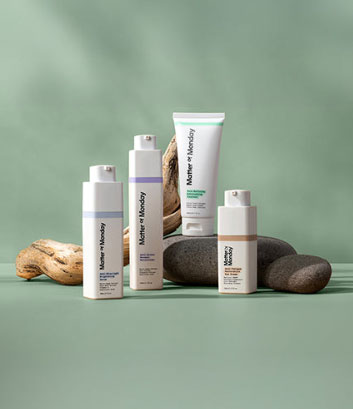
Key Highlights HEV light and blue light generally refer to the same part of the visible spectrum, with wavelengths around 380–500 nanometers. UV light is strongly linked to sunburn, premature skin aging, and skin cancer, while sunlight-level visible light can worsen pigmentation. The effects of ordinary screen exposure on skin remain uncertain. Sunlight is the biggest source of blue light. Digital screens, LED lighting, and fluorescent lighting also contribute to daily exposure, but the effects of typical screen-level exposure on skin remain uncertain. Regular sunscreen primarily protects against UV rays. Tinted sunscreen containing iron oxides can provide additional protection against visible light. Daily sunscreen, antioxidant skincare, adequate sleep, and regular screen breaks are optional habits that support skin health, but they are not proven requirements for preventing screen-related skin damage. Matter of Monday focuses on digital-age skin defense, clinically proven formulas, and a prevention-first philosophy, with clean, sensitive-skin-friendly skincare designed to protect against everyday stressors. You pick up a serum that says "HEV protection." The next one says "blue light defense." A third calls itself a "Digital SPF." Are they three different things? Or one thing with three names? For working women and remote workers, that question isn't academic. Your day runs on a laptop, a phone, and a calendar full of video calls. By mid-afternoon, your skin can look dull and tired. Meanwhile, the terms get used so loosely that science and marketing blur together. This guide settles the HEV light vs. blue light question in plain language. You'll see how the terms differ and what screen light does to skin. You'll also see what the research does and doesn't show, and how we defend against it at Matter of Monday. Is HEV Light the Same as Blue Light? HEV light and blue light are often used interchangeably, particularly in skincare and eye-care marketing, but their meanings can vary by source. Both generally refer to the short-wavelength end of the visible light spectrum, although HEV may refer to a narrower wavelength range in some contexts. HEV stands for high-energy visible light. It covers the short-wavelength end of what your eyes can see, roughly 380 to 500 nanometers. Shorter wavelengths carry more energy, which is where the "high-energy" part comes from. Eye-care sources estimate that about a third of all visible light falls in this blue range. The terms split a little depending on who's talking: Skincare uses them interchangeably. On a label or in an article, "HEV light" and "blue light" mean the same thing. Eye-care sources get more specific. They separate blue-violet light (roughly 380 to 450 nm) from blue-turquoise light (roughly 450 to 500 nm). HEV sometimes refers only to the blue-violet end. Definitions vary by source. You'll see the range quoted from 380 nm in some places and 400 nm in others. So when two products promise "HEV protection" and "blue light defense," they're making the same promise in different words. That kind of label confusion is part of why Matter of Monday exists. We're a skincare brand built for screen-stressed, digital-age skin, for people whose days run on laptops, phones, and video calls. Most skincare was designed for a world before all that. So we take a prevention-first approach. We don't wait for dullness, fatigue, and uneven tone to show up and then correct them. We formulate to defend skin against everyday stressors before they add up. What's the Difference Between HEV Light, Blue Light, and UV Light? HEV light and blue light are the same thing. UV light is different. It sits just beyond the visible spectrum at shorter wavelengths, and your eyes can't see it. Light type Wavelength Main sources What it mainly affects Typical defense Ultraviolet (UV) Approximately 100–400 nm; invisible to humans under typical conditions Sun and certain artificial sources Sunburn, photoaging, and skin cancer risk Broad-spectrum sunscreen HEV / blue light Commonly about 400–500 nm, within the visible spectrum Sun, screens, LED and fluorescent lighting Pigmentation and oxidative stress; evening exposure may affect sleep rhythms Tinted sunscreen with iron oxides for visible-light protection; antioxidant skincare and healthy screen habits Blue-violet light Approximately 400–450 nm under this convention Sun, screens, and artificial lighting A shorter-wavelength, higher-energy portion of visible blue light Visible-light protection, including tinted sunscreen with iron oxides when pigmentation is a concern Note: Wavelength boundaries vary by convention. UV is commonly defined as 100–400 nm, while visible light is often defined as 380–780 nm, creating an overlap between 380 and 400 nm. The ranges used for blue and HEV light also vary across sources Which One Is Worse for Skin? UV is the bigger concern. It's the main driver of sunburn, photoaging, and skin cancer risk, and that evidence is well established. Blue light is linked more to pigmentation and oxidative stress. Most of that research uses sunlight-level exposure. Neither one replaces the other, and your skin needs defense against both. That's why we treat blue light as its own job. Typical sunscreens are built around UV. Our Anti-Blue Light Brightening Serum is built for blue light (HEV), the high-energy end of the spectrum. In the morning, apply it before your SPF so it can do both jobs. Where Does HEV Light Come From? The sun is by far the biggest source of HEV blue light. Blue light is a big reason the sky looks blue. Beyond the sun, you're exposed to it from: Phone, laptop, and TV screens. LED displays give off a steady stream of blue light. LED lighting. Cool-white LEDs carry more blue light than old-fashioned warm bulbs. Fluorescent lighting. It's common in offices, and it adds to your daily total. Let's be honest about the scale. Sunlight delivers far more blue light than any screen does. So why pay attention to screens at all? Because they're on for hours every workday, and you sit close to them. That daily, cumulative exposure is the layer we formulate for. Blue light is only part of the picture. Long hours at a desk, limited movement, and poor sleep can leave your skin looking dull and tired. For more on how digital-age habits may affect your skin, read our guide to digital fatigue. Is HEV Light Bad for Your Skin? It depends on the source and the dose. Sunlight-level blue light clearly affects skin. Screen-level blue light is far less proven. Here's what we know. Here's What HEV Light Can Do to Your Skin: It can worsen pigmentation. Visible light from the sun can aggravate melasma and other hyperpigmentation concerns, particularly in people with darker skin tones. The American Academy of Dermatology recommends tinted sunscreen containing iron oxides for additional visible-light protection. It can add to oxidative stress. Blue light can generate free radicals in the skin. Over time, they stress skin cells and collagen. The result can be dullness and a gradual loss of firmness. We cover this more in our guide to digital aging. It hasn't been conclusively linked to skin cancer. Some laboratory studies suggest blue light can cause DNA damage under specific exposure conditions, but current research has not established a direct link between blue light exposure and skin cancer in humans. Does Sunscreen Protect Against HEV Light? Mostly no. Regular sunscreen is built to filter UV, and an SPF number only measures UV protection. Most sunscreens offer little defense against visible light. There are a few exceptions worth knowing: Tinted sunscreens with iron oxides. Iron oxide is the ingredient dermatologists point to for blocking visible light. It matters most if you're prone to dark spots or melasma, and for deeper skin tones, which are more prone to visible-light pigmentation. Foundation or concealer with iron oxides. Layered over your sunscreen, it can add some visible-light protection too. Plain, untinted sunscreen. It's great for UV. It won't do much for blue light. If blue light is a concern, check the label for iron oxides. This is where our Digital SPF comes in. The name stands for Screen Protection Factor. It's our shorthand for what the Anti-Blue Light Brightening Serum does, which is to defend skin from screen-driven blue light. It isn't a UV sunscreen, and it doesn't replace one. Apply the serum first, then your sunscreen. How Can You Protect Your Skin From HEV Light? Protection works best as a layered habit, not a single fix. Daily habits lay the groundwork, while a consistent skincare routine adds another layer of support. This is the thinking behind our prevention-first approach: small, consistent steps that keep stressors from piling up. Here are the habits that help: Wear sunscreen every day, tinted if you can. The sun is your biggest blue light source, so this is the habit that matters most. Regular SPF covers UV, and the iron oxides in a tinted formula also filter some visible light. Warm up your screens after sunset. Night mode or a lower brightness cuts the blue-heavy glow in the evening. Your sleep benefits first, and skin follows. Protect your sleep. Skin does much of its repair overnight, and short sleep can undo a lot of good work. It's the habit our overnight steps are built to support. Take real screen breaks. Stand up, move around, and look at something far away for a minute. It eases eye strain and breaks the habit of leaning into the screen for hours. Add an antioxidant layer. Habits cut exposure, but they can't remove it, especially on a screen-heavy workday. That's the gap our Digital SPF approach fills, which the routine below puts into practice. What Skincare Routine Protects Your Skin From HEV Light? Build protection into your day instead of treating it as one extra product. Blue light reaches you from morning to night. So the routine works best as two short bookends, with a few habits in between. Here is how we pair each step with a Matter of Monday product. Step Product Morning Evening Why it helps 1. Cleanse Pore-Refining Exfoliating Cleanser Yes Yes Clears buildup so everything after it sits on clean skin. 2. Defend Anti-Blue Light Brightening Serum Two to three pumps Again Pepha®-Age targets blue light. Rice bran seed extract and vitamin C add antioxidant support and brighten dark spots. 3. Hydrate Anti-Stress Renewal Moisturizer Yes Yes, for overnight hydration Aloe and chamomile calm skin, and hydrated skin copes with stress better. 4. Restore Anti-Fatigue Restorative Eye Cream Yes Yes Apply to the upper and under-eye area, where a long screen day shows first. Add your own sunscreen last in the morning, tinted if you can, since the sun is your biggest blue light source. On long screen days, top up the serum at midday, and switch your screens to night mode after sunset. The whole four-product routine is also available as the Monday Bundle. For the barrier side, see our guide to strengthening your skin barrier. Why Choose Matter of Monday for Blue Light Protection? Mondays hit hard. Our founder, Jiajia Sollers, knew that better than most. As CFO of a fast-paced hedge fund, she watched stress, fatigue, and endless screen time show up on her skin. She didn't want another quick fix. She wanted to protect her skin before the damage began. So she started experimenting at home. Experiments became research. A personal project became a mission. And Matter of Monday was born. Our philosophy comes straight from that story: prevention before premature aging, nourishment before dullness, clarity before burnout shows on your skin. The Anti-Blue Light Brightening Serum was made for the screen-heavy days that started it all. One hero ingredient: 3% Pepha®-Age. Fragrance-free and gentle on sensitive skin. Made to work with your sunscreen, not replace it. Mondays may be relentless. Your skincare shouldn't be. So why wait for dullness to show up? Shop the Anti-Blue Light Brightening Serum and make every Monday a little brighter. The Bottom Line Some days, you spend more time looking at a screen than looking at yourself. Between deadlines, video calls, and late-night scrolling, skincare can easily become one more thing you promise to get around to tomorrow. But caring for your skin doesn't have to mean changing your entire life. It can start with small choices: protecting your skin from UV rays, building a routine that supports it against everyday stressors, and giving yourself permission to rest when the day is done. You don't need to disconnect from the digital world to take better care of yourself. You just need to make room for yourself in it. Because even on your busiest days, you deserve a little care that is just for you. Frequently Asked Questions Is HEV light the same as blue light? Yes. HEV light refers to high-energy visible light, a short-wavelength part of the spectrum of visible light that can be perceived by the human eye. Natural blue light comes from sunlight, while artificial sources of blue light include digital screens and light bulbs. Does blue light from screens damage your skin or eyes? Sunlight exposes you to greater amounts of blue light radiation than digital screens. Although the effects of blue light on skin may include pigmentation and oxidative stress, visual contrast and evidence linking typical screen exposure to retinal damage, macular degeneration, or other vision problems remain limited. Does sunscreen protect against HEV light? Most sunscreens protect against UV rays rather than visible light rays. Tinted sunscreen containing iron oxides may help protect against visible light. For broader eye care, use suitable sunglass lenses outdoors and maintain healthy screen habits to support eye health. Is HEV light more harmful to your eyes than regular blue light? HEV light and blue light generally describe the same visible-light range, so neither is inherently more harmful. Typical screen time has not been shown to damage the back of your eye. Do HEV light filters offer better protection than blue light filters? Not necessarily. HEV light filters and blue light filters may describe similar technologies. Their effectiveness depends on the wavelengths filtered. Reducing evening exposure may also support your circadian rhythm and sleep cycles. How can you reduce the effects of blue light during long periods of screen use? Blue light exposure from digital devices adds to your daily exposure, but sunlight remains the primary source. Computer monitors emit far less blue light than sunlight, and the contribution of screen blue light to skin damage remains uncertain, especially given the potential benefits of natural sunlight. Can blue light from digital devices affect your skin throughout the day? Blue light exposure from digital devices adds to your daily exposure, but sunlight remains the primary source. The amount of blue light emitted by computer monitors is generally much lower than sunlight, and its contribution to skin damage remains uncertain. Why is blue light described as high energy? Blue light has a short wavelength, meaning its photons carry the highest energy compared to those of visible light with longer wavelengths. However, ultraviolet light carries more energy and has well-established links to skin damage, making daily sun protection essential. Is blue light from electronic devices as strong as sunlight? No. Electronic devices give off a far smaller amount of blue light radiation than the sun. Screens matter because you sit close to them for long periods of time, adding steady, cumulative exposure to your skin. Can HEV light affect your sleep and your skin? Evening blue light can shift circadian timing and your sleep-wake cycle. Harvard University researchers found it suppresses melatonin longer than other light. Sleep disruptions lower the quality of your sleep, and skin repairs itself overnight. Do blue light glasses protect your skin from HEV light? No. Blue light glasses and computer glasses only filter light reaching your eyes. For skin, use tinted sunscreen with iron oxides, antioxidant skincare like our Anti-Blue Light Brightening Serum, and take frequent breaks from screens. Why does skin look tired after a long screen day? Blue light isn't the only factor. Physical fatigue, poor sleep patterns, and digital eye strain, with dry eyes and squinting, add up. These negative effects show gradually, so a prevention-first routine helps. What does "Digital SPF" mean? It stands for screen protection factor. It's our shorthand for defending skin from screen-driven blue light. It isn't a UV sunscreen, and it doesn't replace one. Use our Anti-Blue Light Brightening Serum in the morning, then apply your sunscreen. What makes Matter of Monday's Anti-Blue Light Brightening Serum different? Matter of Monday's Anti-Blue Light Brightening Serum features 3% Pepha®-Age to target blue light exposure. Rice bran seed extract and vitamin C provide antioxidant support, helping brighten dark spots while complementing a prevention-first skincare routine. How do you use Matter of Monday's Anti-Blue Light Brightening Serum? Apply two to three pumps after cleansing, before moisturizer and sunscreen in the morning. Matter of Monday also recommends using the serum in your evening routine. On long screen days, the brand suggests topping it up at midday. Is Matter of Monday skincare suitable for sensitive skin? Matter of Monday's Anti-Blue Light Brightening Serum is fragrance-free, vegan, cruelty-free, dermatologist-approved, and formulated with sensitive skin in mind. It layers lightly under makeup, making it a practical addition to a daily skincare routine.


