

Key Highlights
-
A damaged skin barrier, or the outermost layer of your skin, can cause tightness, redness, stinging, flaking, rough texture, and unexpected breakouts.
-
Over-exfoliation, harsh cleansers, excessive active ingredients, and sun exposure can contribute to barrier damage.
-
Simplify your routine to gentle cleansing, moisturizing, and daily sunscreen while your skin recovers.
-
Ceramides support the skin’s protective structure, while glycerin and sodium hyaluronate help maintain hydration and reduce dryness.
-
Pause harsh exfoliants, retinoids, and potentially irritating products until your skin settles. Avoid hot water, over-cleansing, and frequent product changes.
-
Recovery can take a few days to several weeks, depending on the cause, severity, and consistency of your skincare routine.
-
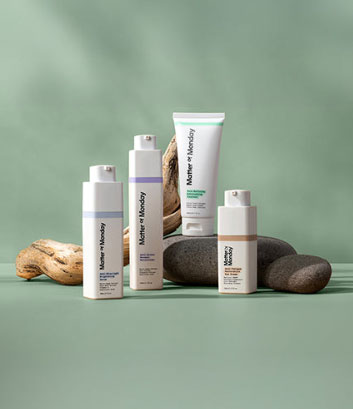
Matter of Monday offers a streamlined, four-product skincare system developed alongside board-certified dermatologists, with a prevention-first approach to modern skin stressors.
Somewhere along the way, "getting serious about skincare" started meaning more steps, not fewer. More acids, more actives, more exfoliation, until skin that used to behave suddenly doesn't. If that's where you've landed, the instinct is usually to add one more product to fix it. That instinct is almost always wrong.
Skin barrier repair works the opposite way: less product, fewer steps, and a specific handful of ingredients doing the actual work while everything else gets out of the way. Here's exactly what that looks like in practice, and what to leave out of your routine while you're at it.
What Is the Skin Barrier, and How Do You Know It's Damaged?
The skin barrier is the outermost layer of skin, made up of cells and lipids that work together to lock moisture in and keep irritants out. When it's compromised, that function breaks down, and skin usually lets you know in a few specific ways:
-
Tightness, especially right after cleansing
-
Redness or a flushed look that wasn't there before
-
Stinging or burning from products you've used for months without issue
-
Flaking or rough, uneven texture
-
Breakouts showing up in areas that don't normally react
If several of these symptoms appear together, a compromised skin barrier may be one possible explanation.
What Causes a Damaged Skin Barrier?
A compromised barrier is rarely caused by just one thing. The usual suspects include:
-
Over-exfoliation, whether physical scrubs or frequent acid use
-
Harsh, foaming cleansers that leave skin feeling tight
-
High-strength actives used too often or introduced too quickly
-
Cold, dry weather or prolonged sun exposure
-
Chronic stress and poor sleep, which interfere with skin's own repair processes
Knowing which of these applies to you matters, because the fastest way to repair a barrier is to remove whatever's still damaging it, not to add more products on top.
Notice that most of these causes aren't one-time mistakes. They're habits, and often modern ones: skipping sleep, staring at screens for hours, reaching for one more active because the last one didn't work fast enough.
That pattern is exactly what led us to start Matter of Monday. Instead of building products meant to correct damage after it shows up, we built a skincare brand to prevent it in the first place.
Our products are formulated specifically for the toll that screen-heavy, high-stress modern days take on skin before flaking or redness becomes visible.
Not all skincare needs to focus on fixing existing damage. Explore preventive vs. corrective skincare to understand how proactive care can help protect your skin barrier and support healthier-looking skin over time.
How Do You Repair a Damaged Skin Barrier?

Once you identify and remove the cause of irritation, focus on a simple, consistent skincare routine rather than adding more products. Gentle cleansing, regular moisturizing, and avoiding irritating ingredients can help support your skin's recovery.
Here are the steps to help your skin barrier recover while keeping your routine gentle and manageable:
1. Simplify Your Routine First
Strip your routine down to a gentle cleanser, a barrier-supporting moisturizer, and sunscreen. Every extra product is another chance for something to irritate skin that's already struggling, so this isn't the moment to test anything new, however gentle it claims to be.
Our own Pore-Refining Exfoliating Cleanser is built for exactly this kind of paring back: bamboo stem powder and gentle fruit enzymes clarify skin without the tight, stripped feeling that usually rules out anything labeled "exfoliating" during repair.
2. Pause Actives and Exfoliation
Retinoids, acids, and physical exfoliants all work against a barrier that's trying to rebuild, so this is a full stop, not a scaled-back dose. Anything abrasive or acid-heavy needs to sit this one out.
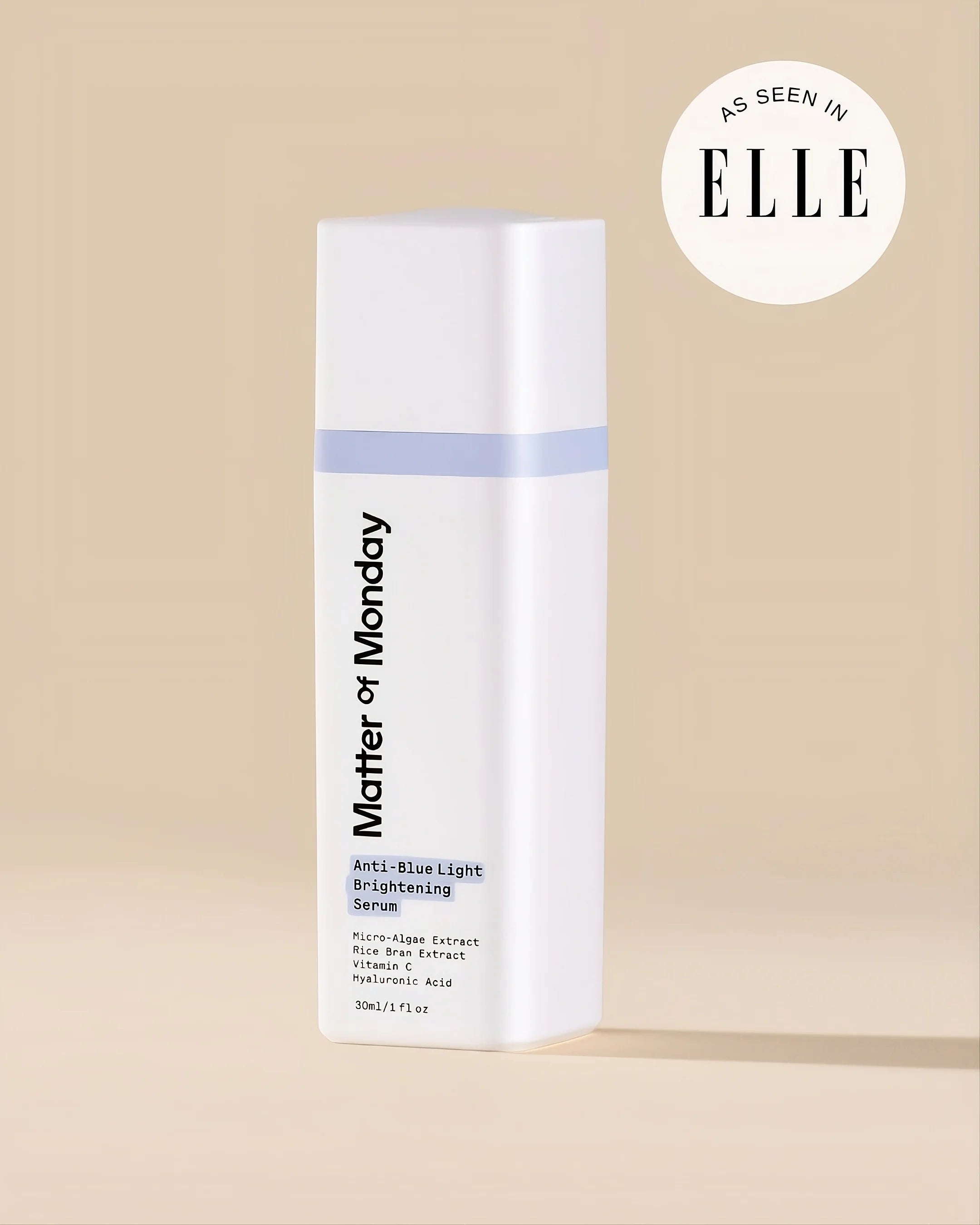
Instead, our Anti-Blue Light Brightening Serum leans on Pepha®-Age and calming, well-studied ingredients rather than resurfacing actives, so you still get a treatment step without undoing the break you're giving your skin.
3. Focus on Hydration, Not Just Moisture
Hydration and moisture aren't quite the same thing. Hydration means drawing water into the skin, while moisture means sealing it in so it doesn't escape.
A damaged barrier needs both, which is why a good skin barrier repair moisturizer earns its place here more than almost anything else in your routine.
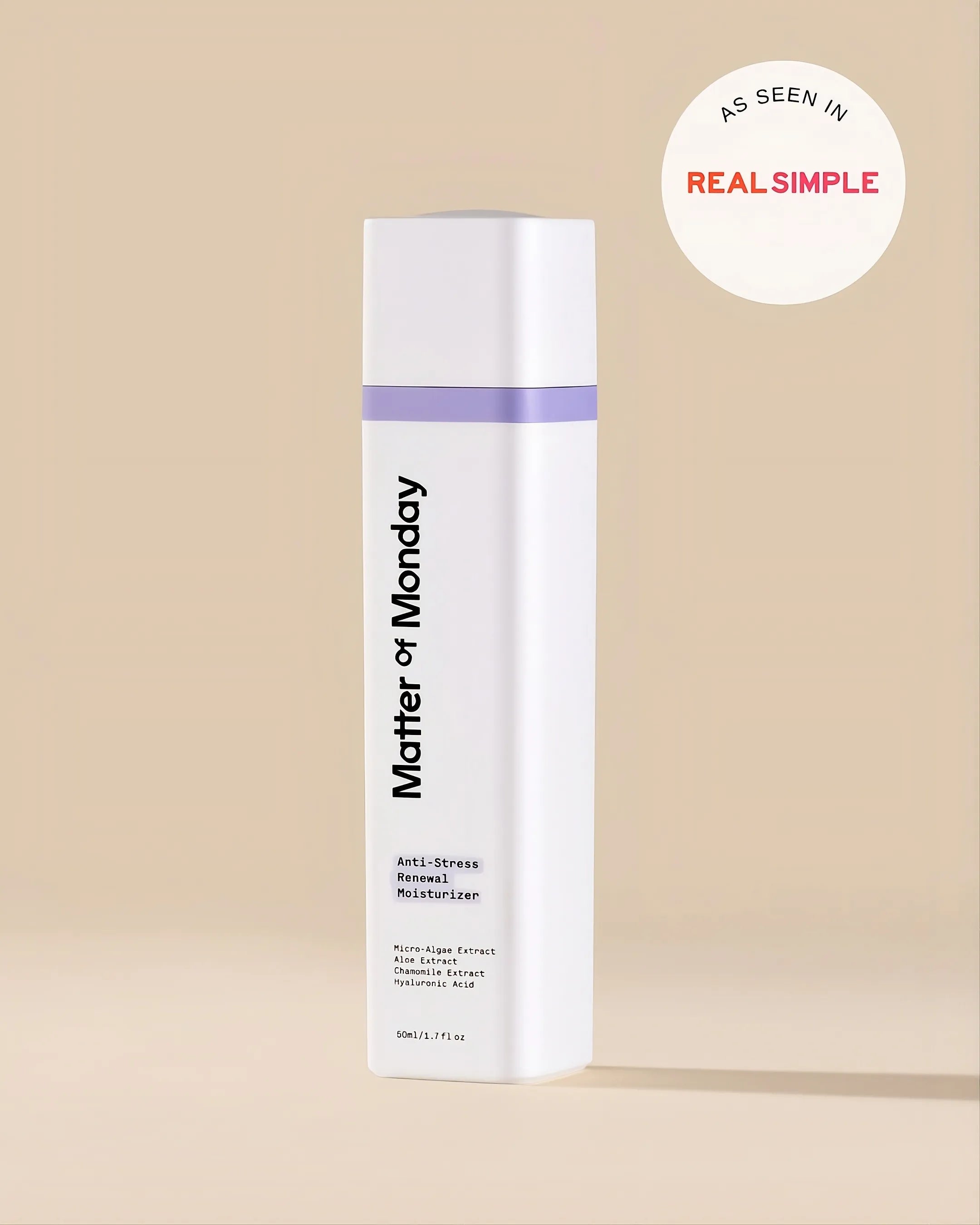
We built our Anti-Stress Renewal Moisturizer around aloe, chamomile, and sodium hyaluronate together rather than any single ingredient doing all the work.
4. Protect Skin While It Heals
Sunscreen, gentle fabrics, and resisting the urge to pick at flaking areas all help protect your skin as it heals. If you spend most of your day in front of a screen, blue light and digital fatigue can add to everyday skin stress.
Want to help your skin recover and become more resilient? Discover practical tips in our guide on how to strengthen your skin barrier and learn how to support it with consistent, gentle skincare.
What Ingredients Help Repair the Skin Barrier?

A healthy skin barrier needs enough moisture, supportive lipids, and protection against ongoing irritation. When choosing a skin barrier repair cream, look for ingredients that help maintain hydration, support the skin's protective layer, and keep dryness in check. Here's how each ingredient contributes to skin barrier health.
1. Pepha®-Age
Pepha®-Age is a patented micro-algae-derived active featured in our digital-age skincare approach. It has been studied for its role in addressing the effects of blue light on skin. While it is not a direct barrier-building ingredient, it complements a routine designed to address modern skin stressors.
2. Ceramides
Ceramides are lipids naturally found in the skin's outermost layer. They help hold skin cells together and maintain the barrier's structure, reducing moisture loss and helping keep external irritants out. Applying ceramide-containing skincare can help replenish these lipids and support a weakened barrier.
3. Glycerin
Glycerin attracts water to the outer layer of skin, helping maintain hydration and reduce dryness. Well-hydrated skin is less prone to the tight, rough feeling often associated with barrier damage. Glycerin supports barrier function by improving moisture levels rather than replacing the skin's natural lipids.
4. Sodium Hyaluronate
Sodium hyaluronate, a form of hyaluronic acid, attracts and retains water to help keep skin hydrated. This can ease dryness and tightness while the skin barrier recovers. It works alongside barrier-supportive ingredients but does not replace the lipids needed to maintain the skin's protective structure.
5. Shea Butter
Shea butter acts as an emollient, softening the skin and helping improve moisture retention. Its fatty acids help condition the skin's surface, making it useful for dry, rough skin that needs additional moisture support.
6. Jojoba Oil
Jojoba oil helps soften the skin and support moisture retention by conditioning its surface. It can complement other moisturizing ingredients in a barrier-supportive routine, helping reduce the dry, uncomfortable feeling associated with moisture loss.
7. Aloe
Aloe is commonly used to hydrate and soothe the skin. It can help improve comfort when dryness and irritation accompany a weakened barrier. Its benefits depend on the extract and formulation, and it does not independently rebuild the barrier's lipid structure.
8. Chamomile Extract
Chamomile extract is used for its soothing properties and may help calm the appearance of irritation. By supporting skin comfort, it can complement a routine designed to care for sensitive, stressed skin. Individual tolerance varies, particularly for people sensitive to chamomile or related plants.
The key is how these ingredients work together. Humectants such as glycerin and sodium hyaluronate help maintain hydration, while emollients such as shea butter and jojoba oil soften the skin and support moisture retention.
Ceramides provide more direct support for the barrier's lipid structure. A well-formulated moisturizer can combine these functions to help the skin maintain moisture as its natural barrier recovers.
Stress can show up on your skin in unexpected ways. Discover how your face responds to stress and learn why managing everyday stressors can be an important part of caring for your skin barrier.
Which Ingredients Should You Avoid When Repairing Your Skin Barrier?
When your skin barrier is damaged, certain ingredients can worsen irritation, dryness, and sensitivity. Consider avoiding or limiting the following while your skin recovers.
-
Harsh exfoliating acids, such as glycolic acid, lactic acid, and salicylic acid, can aggravate irritated skin when overused. Pause exfoliation until your skin settles.
-
Retinol and other retinoids can cause peeling, dryness, and irritation, especially when used too frequently. Consider pausing them while your skin is actively irritated.
-
Fragrance and certain essential oils may trigger irritation or allergic reactions in sensitive skin. Choose fragrance-free skin barrier repair products to reduce potential triggers.
-
Harsh cleansers and soaps can strip the skin's natural lipids, worsening dryness and discomfort. Switch to a gentle cleanser that leaves your skin feeling comfortable.
-
Drying alcohols, such as alcohol denat. and isopropyl alcohol, may contribute to dryness depending on the formulation. Fatty alcohols, such as cetyl alcohol and cetearyl alcohol, are different and can help soften skin.
Focus on gentle cleansing and moisturizing while your skin recovers. Not every ingredient will irritate everyone, so consider your skin's tolerance and see a dermatologist if symptoms persist or worsen.
How Long Does Skin Barrier Repair Usually Take?
There's no single answer, but there is a rough pattern based on how the damage happened:
|
Cause of damage |
Typical timeline |
|---|---|
|
Harsh cleanser or a few days of over-exfoliation |
A few days to about a week |
|
Overused actives (retinoids, acids) |
2 to 4 weeks |
|
Long-term irritation or ignored warning signs |
4 or more weeks |
How quickly your skin recovers depends on more than the reaction's severity. Factors such as continued exposure to the trigger, your skin type, its underlying condition, and how it responds once the trigger is removed can all affect the timeline.
If you’ve been following a simplified routine for several weeks without noticing any improvement, it may be time to look more closely at potential ongoing triggers or sources of irritation instead of simply waiting longer.
What Should You Avoid While Your Skin Barrier Heals?
A few habits tend to undo progress even when the rest of your routine is doing everything right:
-
New products of any kind. Even a gentle-sounding addition is one more variable compromised skin doesn't need right now.
-
Hot water. It strips natural oils further and leaves skin drier than before.
-
Fragranced products. Even formulas labeled gentle can carry enough fragrance to trigger a reaction on skin that's already on edge.
-
Over-cleansing. Washing more than twice a day removes oils skin needs to hold onto while it heals.
-
Impatience. Switching products every few days because you don't see results yet is one of the most common reasons repair resets and starts over.
Give your skin the full window to respond before changing course, and reintroduce anything you paused slowly, one product at a time.
What Does Matter of Monday Do Differently?
Go back to the very first line of this guide: more steps isn't what got skin healthy in the first place, and it's rarely what fixes it either. That's the exact problem we designed around when we built Matter of Monday, not as a slogan, but as an actual constraint on the product line.
Instead of a ten-step regimen, the whole system stays at four products, because a barrier trying to rebuild itself does better with fewer things to react to, not more.
Every formula is developed alongside board-certified dermatologists rather than trend-chased off social media, and the ingredients in them, including the ceramides, extracts, and actives covered above, are chosen for what they're proven to do rather than how they photograph.
People who've simplified down to this kind of routine tend to notice it fast:
"Great daily moisturizer that has antioxidants and calming ingredients. I love how easy to apply. My skin feels nourished."
- Mannie
"Matter of Monday's eye cream does a great job of penetrating the skin as well as continuing to provide top layer of moisture throughout the day. I have been using a well-known skin care brand, including their eye cream for 20 years. Matter of Monday is now my daily preferred eye cream. I switched over!"
- Keri
Your skin doesn't need you to do more for it. It needs you to stop adding to the problem and give it a routine simple enough to follow consistently.
Explore Matter of Monday’s skincare products to find a streamlined routine designed to support your skin through everyday stressors.
The Bottom Line
When skin starts acting up, the instinct is always to try harder: one more serum, one more late-night search for the product that finally fixes it. It rarely does, because trying harder was never really the problem.
The real fix is permission to stop. Put half the shelf away and trust skin to do what it already knows how to do once nothing's getting in its way.
Frequently Asked Questions
How to repair a damaged skin barrier?
Repair your skin barrier by keeping your routine simple and gentle. Use a mild cleanser, a nourishing moisturizer, and daily sunscreen while avoiding products or habits that may further irritate your skin. Give your skin time to recover before gradually reintroducing stronger or potentially irritating products.
How to repair the skin barrier on the face?
Start with gentle skin care that supports your skin’s moisture barrier. Avoid harsh active ingredients, use a barrier cream, and protect against dry air and environmental factors. Consistency helps your skin recover its natural glow.
Are there any best skin repair brands for barrier repair?
Matter of Monday offers a streamlined, prevention-first skincare routine designed for modern skin concerns. When repairing your skin barrier, focus on gentle, consistent care and choose products suited to your skin type and sensitivity.
How to repair the skin barrier for oily skin?
For oily skin, choose lightweight lotions with ceramides and niacinamide. Avoid harsh cleansers and excessive exfoliation, which can worsen inflammation. Consistent, gentle skin care helps support your skin’s moisture barrier without adding unnecessary heaviness.
Can a damaged skin barrier cause acne?
Yes, a damaged skin barrier may contribute to inflammation and irritation, potentially worsening acne. The good news is that gentle skin care, avoiding harsh products, and protecting your skin’s natural shield can help.
When should you see a dermatologist for skin barrier damage?
Consult a dermatologist if dry skin, persistent dry patches, or irritation continues despite gentle care. Skin conditions such as eczema may require medical treatment, especially when symptoms worsen, become painful, or interfere with daily life.
Is it safe to use a skin barrier repair cream with other skincare products?
Yes, generally. A rich cream can complement other skincare products by supporting the skin’s barrier and reducing water loss. Apply it after lighter products, and avoid layering if your skin feels irritated.