

Key Highlights
-
For most skin types, it is better to exfoliate before shaving rather than immediately afterward.
-
Exfoliation clears dead skin cells and buildup, creating a smoother surface for your razor.
-
Gentle pre-shave exfoliation may help reduce ingrown hairs and improve razor glide.
-
Exfoliating immediately after shaving can increase dryness, stinging, redness, and irritation.
-
Physical, chemical, and enzyme exfoliation can all work, depending on your skin type, sensitivity, and tolerance.
-
A sharp razor, adequate lubrication, and proper technique are just as important for a smooth shave.
-
Matter of Monday takes a prevention-first approach to exfoliation, prioritizing gentle, barrier-conscious care over aggressive scrubbing.
You exfoliate because you want smooth skin. You shave for much the same reason. But doing both too close together can cause razor bumps, redness, rough patches, or irritation.
Fortunately, you don't need a complicated shaving routine to avoid these problems. For most people, exfoliating before shaving is preferable to exfoliating immediately afterward. It prepares the skin's surface before the razor passes over it, while post-shave care can focus on comfort and hydration.
Below, we'll explain why the order matters, how to exfoliate properly, whether physical or chemical exfoliation is better, and what to change when shaving your legs, bikini line, or sensitive skin.
What Is Exfoliation?
Exfoliation is the process of removing dead skin cells from the skin's surface. It can be done physically, chemically, or with enzymes, depending on the type of exfoliant used.
Dead skin cell buildup can contribute to rough texture and may affect how smoothly a razor moves across the skin. At Matter of Monday, we take a prevention-first approach to skincare, which means focusing on gentle, consistent care rather than over-exfoliating or putting unnecessary stress on the skin barrier.
When shaving is part of your routine, the goal isn't to remove as much as possible. It's to prepare your skin without compromising its comfort.
Should You Exfoliate Before or After Shaving?
For most people, exfoliating before shaving is the better approach. Exfoliating first removes dead skin cells and surface buildup, creating a smoother path for the razor. Since shaving already creates friction against the skin, exfoliating immediately afterward can increase sensitivity and irritation.
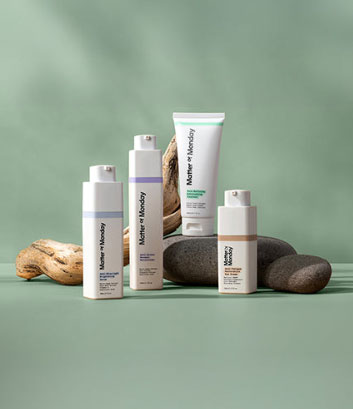
Start by cleansing the area, then exfoliate gently if needed. For sensitive skin, Matter of Monday's Pore Refining Cleanser is sensitive-skin friendly, with no tight, stripped feeling after cleansing. It's also gentle enough for daily use, AM or PM.
Think of exfoliation as preparation. Once shaving is finished, the goal shifts from removing buildup to keeping freshly shaved skin comfortable.
Not sure how to exfoliate without leaving your skin feeling irritated? Learn how to exfoliate your face the right way with our simple guide to gentle, effective exfoliation.
What Are the Benefits of Exfoliating Before Shaving?

Exfoliating before shaving can clear surface buildup, smooth rough patches, improve razor glide, and help release hairs trapped beneath dead skin. Together, these benefits may contribute to a smoother and more comfortable shave without requiring repeated razor passes.
1. It Removes Dead Skin Cells
Dead skin cells can create an uneven layer on the skin's surface. Removing some of that buildup before shaving gives your razor a smoother surface to move across.
Exfoliation can also remove excess oil and other surface debris, helping create a clean starting point for the shaving process.
2. It May Help With Ingrown Hairs
An ingrown hair occurs when hair grows into the skin or becomes trapped rather than emerging normally.
Dead skin buildup around a hair follicle can make it more difficult for growing hair to reach the surface. Gentle exfoliation may help keep that path clearer, which can be useful for areas prone to ingrown hairs, such as the legs and bikini line.
However, exfoliation can't completely prevent them. Hair texture, the direction of hair growth, shaving technique, and individual skin type also matter.
3. It Improves Razor Glide
Rough patches can make a razor move less evenly across the skin. By smoothing the surface beforehand, exfoliation can support better razor glide.
That can also reduce the temptation to keep passing the razor over the same area. Fewer unnecessary passes generally mean less friction against the skin.
4. It Can Help Create a Smoother Shave
Removing surface buildup allows the razor to make more consistent contact with the area you're shaving.
But don't confuse a smoother shave with shaving as close as physically possible. A comfortable shave that leaves skin feeling good is preferable to repeatedly running a razor over the area in pursuit of perfectly hair-free skin.
How Should You Exfoliate Properly Before Shaving?

Start with warm water, cleanse the area, and exfoliate gently before applying your shaving product. Use a clean, sharp razor with minimal pressure, then rinse and moisturize as needed. Proper preparation matters more than aggressive exfoliation.
Step 1: Prepare With Warm Water
Wet the area with warm water before you begin. This helps soften the hair and prepares the skin for the steps that follow.
Avoid excessively hot water, particularly if you have dry or sensitive skin.
Step 2: Cleanse the Skin
Wash away sweat, excess oil, and surface residue using a gentle cleanser or body wash.
This means your exfoliant can work directly on surface buildup rather than through another layer of product or debris.
Step 3: Exfoliate Gently
Apply your exfoliant according to its directions. If you're using a gentle scrub, massage it using light circular motions rather than pressing hard against the skin.
A good exfoliation routine shouldn't leave your skin feeling sore or raw before shaving even begins.
For facial exfoliation, the Pore-Refining Exfoliating Cleanser shows how Matter of Monday combines cleansing with gentle exfoliation.
Step 4: Create Enough Razor Glide
Apply shaving cream, gel, or another suitable shaving product generously enough to create a lubricating layer between your skin and the razor blades.
Shaving dry skin or using too little product creates unnecessary friction.
Step 5: Shave Carefully
Use a clean, sharp razor and light pressure. If you regularly experience irritation, shaving in the direction of hair growth may provide a more comfortable shave.
Rinse your razor regularly while shaving so hair and product don't accumulate between the blades.
Step 6: Finish With Gentle Aftercare
Rinse the area and pat it dry rather than rubbing vigorously with a towel. If your skin feels dry, apply a gentle body lotion or body cream.
This isn't the time to reach for another exfoliating treatment. Your skin has already been through enough for one routine.
If your skin feels tight or irritated after cleansing, the right cleanser can make all the difference. See our guide to the best makeup remover cleansers for sensitive skin for gentler options that won't leave your skin feeling stripped.
Should You Use Physical or Chemical Exfoliation Before Shaving?
Both physical and chemical exfoliation can work before shaving. Physical exfoliation manually removes dead cells, while chemical exfoliation helps loosen them from the skin's surface. The better option depends on your skin type, sensitivity, product strength, and how frequently you shave.
Here's the basic difference:
|
Type |
How It Works |
Examples |
Before Shaving |
|---|---|---|---|
|
Physical |
Manually removes surface buildup |
Gentle scrubs, fine particles |
Use light pressure and avoid harsh scrubs |
|
Chemical |
Loosens dead surface cells |
Salicylic acid, glycolic acid |
Avoid overly strong formulas around shaving |
|
Enzyme |
Helps loosen surface buildup with enzymes |
Papaya and pineapple enzymes |
Can provide gentle yet effective exfoliation depending on the formula |
A physical exfoliant can be perfectly suitable when used with a delicate touch. Problems are more likely when a rough scrub is combined with aggressive rubbing.
Chemical exfoliants require a different type of caution. Salicylic acid is commonly used in formulas addressing excess oil and clogged pores, while glycolic acid exfoliates the skin's surface. Strong concentrations, however, may increase the risk of irritation when used too close to shaving.
There is no prize for choosing the strongest exfoliant. Choose something your skin can tolerate consistently.
Can You Exfoliate After Shaving?
You can exfoliate after shaving, but it is generally better not to do so immediately. Freshly shaved skin may be more sensitive because the razor has already created friction across its surface. Adding another exfoliant straight afterward can increase irritation.
Instead, let freshly shaved skin recover.
Signs you've combined too much exfoliation with shaving can include:
-
Stinging or burning
-
Persistent redness
-
Unusual tightness
-
Dryness or flaking
-
Increased sensitivity
-
Razor burn
If you want to exfoliate after shaving, wait until your skin feels comfortable and has recovered before doing so.
There isn't a universal waiting period. Your skin's response and the strength of the exfoliant matter more than following an arbitrary schedule.
Irritation can also be a sign that your skin needs a simpler approach. Learn more about recognizing changes in your face's stress response.
How Often Should You Exfoliate If You Shave Regularly?
There is no single exfoliation schedule that works for everyone who shaves. Your skin type, shaving frequency, exfoliant strength, and sensitivity should guide how often you exfoliate. You also don't need to exfoliate every time you shave.
Some people can comfortably exfoliate a few times per week, while dry or sensitive skin may need less frequent exfoliation.
Pay attention to how your skin responds. You may be exfoliating too often if you notice:
-
Persistent redness or sensitivity
-
Tight or uncomfortable skin
-
Dryness or flaking
-
Stinging when applying products
-
Irritation that takes longer to settle
You can also skip exfoliation when your skin already feels smooth. If it feels irritated, give both exfoliation and shaving a break until it feels comfortable again.
The goal is simple: regular exfoliation should leave your skin feeling smoother, not increasingly sensitive.
Should You Exfoliate Your Legs Before or After Shaving?
Exfoliate your legs before shaving rather than immediately afterward. Legs commonly develop dry skin and rough patches that can interfere with razor glide. Gentle exfoliation beforehand can create a smoother surface, while post-shave care should focus on comfort and hydration.
For smoother legs, keep the process simple:
-
Soften the area with warm water.
-
Cleanse away surface residue.
-
Exfoliate gently if needed.
-
Apply enough shaving cream or gel.
-
Use a clean, sharp razor.
-
Rinse and gently pat the legs dry.
-
Finish with body lotion or cream if needed.
If your legs already feel particularly dry or irritated, skip the exfoliation step. Adding friction to compromised skin isn't likely to create a smoother experience.
Shaving and exfoliation can both put extra stress on your skin barrier. Want to know how to keep yours strong and resilient? Read our guide on how to strengthen your skin barrier.
Should You Exfoliate Before Shaving Your Bikini Line?
Gentle exfoliation before shaving the external bikini line may help remove dead skin and reduce conditions that contribute to ingrown hairs. This guidance applies to the external skin around the bikini line, not internal or genital tissue.
Because the bikini line is a sensitive area, avoid aggressive scrubbing, strong exfoliants, repeated razor passes, and shaving already irritated skin. A delicate touch matters more here than chasing the closest possible shave.
Use adequate shaving product and a sharp razor. If you regularly develop razor bumps, shaving in the direction of hair growth may help reduce irritation.
If you already have razor burn or inflamed bumps, don't try to scrub them away. Give the skin time to settle before shaving or exfoliating again.
How Can You Reduce Razor Bumps and Razor Burn?
Reducing razor bumps and razor burn requires more than exfoliation. Good preparation, sufficient lubrication, a sharp razor, minimal pressure, and appropriate aftercare can all help create a smoother shaving experience with less unnecessary irritation.
A few shaving habits can make a huge difference:
-
Don't shave completely dry skin.
-
Prepare the area with warm water.
-
Use enough shaving cream or gel.
-
Replace dull razor blades.
-
Avoid pressing the razor heavily into the skin.
-
Limit repeated passes over one area.
-
Consider shaving in the direction of hair growth.
-
Avoid harsh scrubs on irritated skin.
-
Moisturize afterward if your skin feels dry.
Exfoliation is one tool within the shaving process, not a solution to every shaving concern.
If razor bumps persist despite improving your routine, consider speaking with a dermatologist rather than continually increasing exfoliation.
How Should Sensitive Skin Exfoliate Around Shaving?
Sensitive skin should generally exfoliate gently before shaving rather than immediately afterward. Choose a mild exfoliant, reduce the frequency if necessary, and avoid combining multiple exfoliating methods. When your skin already feels irritated, skipping exfoliation is often the better choice.
Sensitive skin doesn't necessarily need a completely different shaving routine. It needs a gentler version of the same one.
That may mean exfoliating less often, using less pressure, choosing milder products, and avoiding several razor passes over the same area. You should also avoid combining a physical exfoliant with a strong chemical exfoliant simply because both are available.
Most importantly, pay attention to how your skin responds. An exfoliation method that works well for someone else may still be too much for your skin.
If stress-related changes are also affecting your complexion, read our simple guide to stress acne for a prevention-first approach to keeping skin balanced.
How Does Matter of Monday Approach Gentle Exfoliation?

Matter of Monday takes a prevention-first, barrier-conscious approach to exfoliation. Instead of treating exfoliation as a way to aggressively remove surface cells, the brand focuses on effective care that helps skin feel clean and smooth without unnecessary stripping.
This approach is reflected in the Matter of Monday Pore-Refining Exfoliating Cleanser, which combines facial cleansing and exfoliation in one step.
Our formula uses:
-
Papaya enzymes to support gentle surface exfoliation.
-
Pineapple enzymes to help lift away dead skin buildup.
-
Bamboo stem as part of our exfoliating formula.
-
Citrus fruit peel extracts within our multi-ingredient cleansing formula.
The cleanser is fragrance-free, vegan, and cruelty-free. It is designed to help remove dead skin cells and daily buildup without leaving skin with a tight, stripped feeling.
Importantly, this is a facial cleanser, not a dedicated body or shaving exfoliant. You shouldn't use it as a recommendation for exfoliating your legs or bikini line before shaving.
What is relevant is the philosophy behind it: exfoliation should be gentle yet effective and should respect the skin barrier rather than repeatedly stripping its protective layer.
This prevention-first thinking can make sense beyond facial exfoliation too. If your skin is already irritated, adding another scrub or active isn't always the answer. Sometimes the more useful step is reducing unnecessary stress and allowing the skin to recover.
Want to explore skincare built around the same prevention-first philosophy? Explore the Matter of Monday Pore-Refining Exfoliating Cleanser.
What Common Exfoliation and Shaving Mistakes Should You Avoid?

Most shaving and exfoliation mistakes come from doing too much rather than too little. Aggressive scrubbing, dull razor blades, repeated passes, insufficient lubrication, and exfoliating freshly shaved skin can all turn a straightforward routine into an unnecessarily irritating one.
1. Scrubbing Harder to Get Smoother Skin
A harsh scrub doesn't automatically provide better exfoliation. Excessive pressure can leave your skin sensitive before shaving starts.
Use gentle circular motions and let the exfoliant do its job.
2. Shaving With a Dull Razor
When a razor stops gliding effectively, you may compensate by pressing harder or repeatedly shaving the same area.
Replace dull blades instead of changing your technique to accommodate them.
3. Trying to Get the Closest Possible Shave
A very close shave isn't always the best result, particularly if it consistently leaves you with razor bumps or irritation.
Prioritize a smooth, comfortable shave over removing every possible trace of hair.
4. Exfoliating Again After Shaving
If you already exfoliated beforehand, you don't need another exfoliation step immediately after hair removal.
Rinse, moisturize if needed, and let your skin recover.
What Makes Matter of Monday Different?
Your skin deals with more than just the usual environmental stressors. Long hours in front of screens, blue light, digital fatigue, and busy days can all add to the daily stress your skin faces.
At Matter of Monday, we take a prevention-first approach. Instead of waiting for visible concerns to show up, we focus on helping you care for your skin every day.
Our “Digital SPF” concept reflects the realities of modern, screen-heavy lifestyles, while our fragrance-free, vegan, and cruelty-free formulations are designed to make everyday skincare simple and comfortable, even for sensitive skin.
Because good skincare is about prevention, not just correction.
Ready to make prevention part of your routine? Explore our products today.
Conclusion
Smooth skin shouldn't come at the cost of comfortable skin. For most people, gentle exfoliation before shaving is the better approach, while aftercare should focus on keeping freshly shaved skin calm and hydrated.
Listen to your skin and adjust when needed. The best shave is one that leaves your skin feeling smooth, comfortable, and cared for.
Frequently Asked Questions
Is it better to exfoliate your skin before or after shaving for the best results?
It is generally better to exfoliate before shaving. Removing dead skin cells first creates a smoother surface and improves razor glide. Immediately exfoliating freshly shaved skin may increase sensitivity, so focus on gentle aftercare instead.
What are the benefits of exfoliating before shaving compared to after?
Exfoliating before shaving removes dead cells and rough surface buildup, which can improve razor glide and help release trapped hairs. Immediately afterward, exfoliation provides fewer practical benefits and may increase redness, dryness, or discomfort.
Can exfoliating before shaving help prevent ingrown hairs and razor burn?
Gentle exfoliation may help reduce ingrown hairs by clearing dead skin around growing hairs. Razor burn also depends on lubrication, razor sharpness, pressure, and technique, so exfoliation should be only one part of your routine.
How many times a week should you exfoliate if you shave regularly?
There is no ideal frequency for everyone. Your skin type, shaving schedule, and exfoliant strength matter. Some people tolerate exfoliation several times weekly, while dry or sensitive skin may need considerably less.
Are there any risks or side effects of exfoliating after shaving?
Yes. Exfoliating immediately after shaving may cause redness, stinging, dryness, or increased sensitivity because the razor has already created friction against the skin. Wait until the area feels comfortable before exfoliating again.
What type of exfoliation, physical or chemical, is best to use before shaving?
Neither is universally better. Physical exfoliation manually removes dead cells, while chemical exfoliants such as salicylic acid and glycolic acid work differently. Choose a gentle option appropriate for your skin type and tolerance.
Should sensitive skin types exfoliate before or after shaving?
Sensitive skin should generally exfoliate gently before shaving rather than immediately afterward. Choose mild products, limit pressure and frequency, and skip exfoliation entirely when the area already feels dry, red, sensitive, or irritated.
Can exfoliating both before and after shaving cause irritation?
Yes. Exfoliating both before and immediately after shaving may place unnecessary stress on the skin barrier, particularly for sensitive skin. If you've exfoliated beforehand, another exfoliation step straight after shaving is usually unnecessary.
Does exfoliating before shaving make your shave closer or smoother?
It may help create a smoother shave by removing dead skin cells and rough surface buildup that interfere with razor glide. However, a sharp razor, sufficient lubrication, and proper shaving technique are equally important.
What steps should you follow to exfoliate properly before shaving?
Start with warm water and cleanse the area. Exfoliate gently, apply enough shaving cream or gel, and shave carefully with a clean, sharp razor. Rinse afterward, pat the skin dry, and moisturize if needed.


