

Key Highlights
-
Eye fatigue often develops after prolonged screen use and can cause dryness, blurred vision, headaches, light sensitivity, and tired-looking under-eyes.
-
Reduced blinking and extended focus on digital screens can dehydrate the eye area, making puffiness and dark circles more noticeable.
-
Most screen-related eye fatigue improves with regular breaks, healthy screen habits, and consistent hydration.
-
Persistent or severe symptoms that don't improve with rest should be evaluated by an eye care professional.
-
Peptides, caffeine, sodium hyaluronate, and Pepha®-Age help hydrate, smooth, and refresh the delicate under-eye area after screen-heavy days.
-
The Matter of Monday's prevention-first skincare routine is designed to support the eye area before visible signs of digital fatigue become more noticeable.
You slept a full eight hours. You're not sick. And yet by 3 p.m., your eyes feel heavy, dry, and strangely sore, like they've been working overtime even though you've barely left your desk.
If that sounds familiar, you're not imagining it. Eye fatigue is one of the most common and overlooked signs that your workday is demanding more from your eyes than it used to. At the same time, prolonged screen exposure and modern indoor environments can also contribute to visible signs of skin stress, making both your eyes and skin feel the effects of long hours at your desk.
For years, tired eyes were blamed on late nights. Today, the bigger culprit is often the opposite: too many hours spent staring at something bright, close, and constantly in focus.
In this blog, we'll explore why eye fatigue has become so common in today's screen-centered world, the symptoms that signal your eyes are under strain, how prolonged screen time can affect the delicate under-eye area, and the everyday habits and prevention-first skincare strategies that can help your eyes and skin look and feel more refreshed.
What Are Eye Fatigue Symptoms, and Why Do They Feel So Common Right Now?

Eye fatigue isn't a single sensation. It's a cluster of signals your eyes send when they've been asked to focus, refocus, and strain for longer than they're built to comfortably handle. The symptoms of eye fatigue typically show up gradually rather than all at once, which is exactly why so many people brush them off as "just a long day."
Common signs include:
-
A dull ache behind or around the eyes
-
Difficulty focusing on distant objects after close-up screen work
-
Increased sensitivity to light
-
Blurred vision that comes and goes
-
A heaviness in the eyelids that makes them feel like they want to close
-
Frequent headaches around the temples or forehead, which often travel alongside eye fatigue rather than showing up on their own
What makes this moment different is the sheer volume of near-focus, high-contrast screen time most people are logging daily. Video calls, spreadsheets, group chats, and scrolling have replaced the more varied visual environment our eyes are naturally designed for, one with natural light, shifting focus between near and far distances, and regular blinking.
This is exactly the gap Matter of Monday was created to close. Rather than a traditional skincare brand built around correcting damage after it appears, Matter of Monday takes a prevention-first approach to modern, screen-heavy lifestyles.
The idea is simple: the eye area is thin, delicate, and among the first places to visibly show long workdays, digital fatigue, and everyday stress, so it deserves support before those signs become the story your face tells.
What Are the Most Common Computer Eye Fatigue Symptoms?
If your day is built around a laptop, a second monitor, or a phone that never quite goes away, your eyes are dealing with a very specific kind of strain. Computer eye fatigue symptoms tend to cluster around a few key patterns:
-
Dryness from reduced blinking
-
A gritty or scratchy feeling
-
Difficulty refocusing after long stretches at a fixed distance
-
A subtle puffiness or shadowing around the eyes by the end of the day
Screens require your eyes to hold focus at a single distance for far longer than normal reading or conversation ever would. Add in the reduced blink rate that comes with concentrated screen use, and the eye area loses hydration faster than it can replenish it. Multiply that across back-to-back meetings, and computer screen eye fatigue symptoms start to look less like an occasional annoyance and more like a daily pattern.
Because the skin around both the upper and lower eye areas is thinner and more delicate than the rest of the face, prolonged screen time and everyday stress can leave the upper eyelids looking drier and less firm while making puffiness and dark circles more noticeable beneath the eyes.
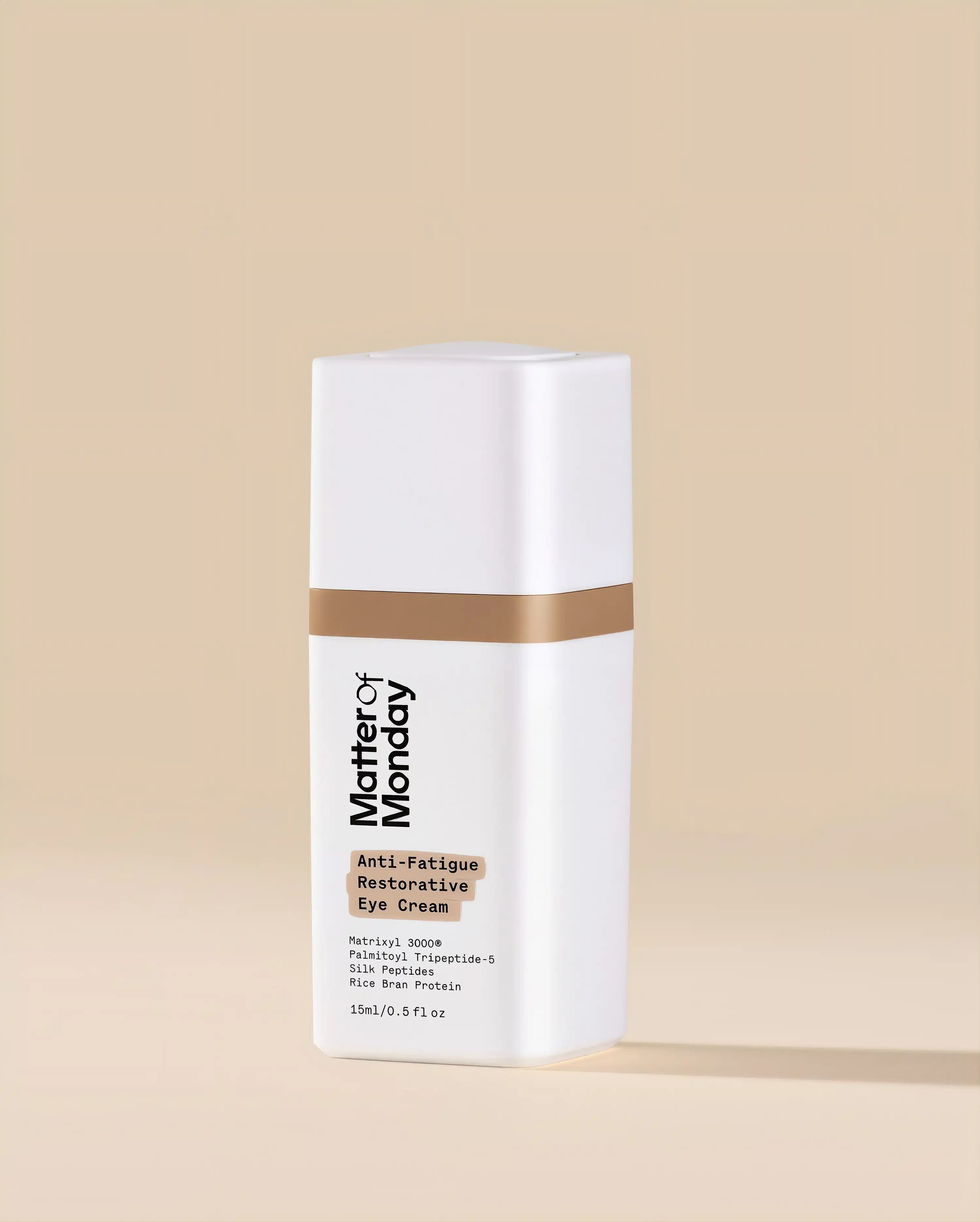
That's why Matter of Monday's Anti-Fatigue Restorative Eye Cream is formulated for both the upper and lower eye areas. Its concentrated peptide and protein complex helps support collagen for a firmer, smoother-looking appearance, while caffeine helps reduce the appearance of puffiness and dark circles, giving tired-looking eyes a more refreshed look.
What Causes Eye Fatigue?

Eye fatigue develops when your eyes are asked to work harder than they're naturally designed to for extended periods. Long hours of screen time reduce how often you blink and require a conscious effort to maintain moisture, keep your eyes focused at a fixed distance, and expose the delicate eye area to the cumulative effects of everyday digital stress. Over time, this can leave your eyes feeling tired while making the upper eyelids and under-eye area look less refreshed.
Common contributors to eye fatigue include:
-
Prolonged screen time from laptops, phones, tablets, and multiple monitors.
-
Reduced blinking, which can leave the eyes feeling dry and uncomfortable.
-
Extended near-focus work, such as video calls, emails, spreadsheets, and reading on digital devices.
-
Everyday stress and long workdays, which can contribute to both eye discomfort and visible signs of fatigue around the eyes.
-
Poor workstation conditions, including screen glare, improper lighting, or an uncomfortable viewing distance.
At Matter of Monday, these modern stressors drive the brand's Digital-First Defense philosophy. Rather than waiting for visible signs of fatigue, the brand's prevention-first formulations are designed to support the delicate upper and lower eye areas as they navigate the demands of today's screen-centered lifestyle.
Is It Eye Fatigue, or Could It Be Chronic Fatigue Syndrome Eye Symptoms?
It's worth noting that not all tired-looking eyes stem from screens. Chronic fatigue syndrome eye symptoms, including light sensitivity, blurred vision, and eye discomfort, are tied to a broader, persistent fatigue condition and represent a distinct medical picture that should be evaluated by a healthcare provider rather than managed with skincare alone.
Screen-related eye fatigue, by contrast, is typically situational. It builds during a screen-heavy stretch of the day, eases somewhat with rest or a break from digital devices, and tends to respond to changes in habits and routine.
If tiredness around the eyes feels persistent, disproportionate to your workday, or accompanied by broader fatigue that doesn't improve with rest, that's a conversation for a doctor. If it tracks closely with your screen time and eases on lower-screen days, it's more likely the everyday digital fatigue that Matter of Monday's products were built to help support.
Your eyes aren't the only thing affected by screen time. Discover how digital fatigue influences your skin and what you can do about it.
When Do Eye Fatigue Symptoms Become Extreme?
Most eye fatigue is mild and temporary, but for some people, especially those with unusually long or uninterrupted screen hours, it can tip into something more pronounced. Extreme eye fatigue symptoms often include:
-
Persistent blurred vision that doesn't resolve after stepping away from a screen
-
Intense sensitivity to light
-
Throbbing or sharp pain rather than mild achiness
-
A heaviness around the eyes that lingers well into the evening or even the next morning
-
Double vision
-
Difficulty keeping the eyes open
-
Vision changes lasting several hours
You may also notice eye muscle fatigue symptoms, specifically, such as a tight, strained feeling when shifting focus between near and far objects, or a subtle twitching in the eyelid after an especially demanding day.
This happens because the small muscles responsible for focusing the eye are working overtime to compensate for prolonged near-focus work, much like any other muscle that's been asked to hold one position for too long.
Closely related are eye strain fatigue symptoms, which tend to show up as a combination of physical discomfort (soreness, dryness, tension) and visible tiredness in the surrounding skin.
When these symptoms become extreme or persistent, they're worth mentioning to an eye care professional. But for the everyday version most working professionals experience, supporting the skin around the eyes alongside healthier screen habits can make a meaningful difference in how the eye area looks and feels by the end of the day.
Long hours in front of screens can leave lasting marks on your skin. See how a prevention-first approach helps support healthier-looking skin before visible concerns develop.
Why Do Dark Circles and Fatigue Show Up Together?
If you've ever looked in the mirror after a screen-heavy week and noticed shadows under your eyes that weren't there before, you're seeing one of the more visible symptoms that dark circles under the eyes and fatigue tend to share. Reduced circulation, dehydration, and the thinness of the under-eye skin all mean this area shows tiredness before almost anywhere else on the face.
Long hours of screen focus can contribute to this pattern by increasing dehydration around the eyes and reducing the natural blinking that helps keep the area refreshed. Add disrupted sleep or a particularly demanding week, and the combination of dullness, puffiness, and shadowing becomes more noticeable.
This is precisely why Matter of Monday built its eye care around hydration and recovery rather than concealment. The Anti-Fatigue Restorative Eye Cream is formulated with a high concentration of peptides and proteins to help support firmer, smoother-looking skin, working alongside caffeine to help address the appearance of puffiness and shadowing that often accompanies a tired, screen-heavy day.
Which Ingredients Help Support Tired, Fatigued-Looking Eyes?

Supporting the eye area isn't about piling on more products. It's about choosing ingredients that help address the visible effects of prolonged screen time, stress, and everyday fatigue.
-
Matrixyl® 3000: A peptide complex that helps support the skin's natural collagen, improving the appearance of firmness and smoothing the look of fine lines around the upper and lower eye areas.
-
SYN®-COLL: A collagen-supporting peptide that helps improve the appearance of skin elasticity, leaving the delicate eye area looking firmer and more resilient.
-
Silk Peptides: These conditioning proteins help leave the delicate eye area feeling soft and smooth while supporting a healthy-looking skin barrier for a refreshed appearance.
-
Rice Bran Protein: Rich in amino acids, this ingredient helps nourish and condition the delicate skin around the eyes, supporting a healthier-looking, more revitalized appearance.
-
Caffeine: Helps visibly reduce the appearance of puffiness and tired-looking eyes, leaving the eye area looking more refreshed and awake.
Together, these ingredients reflect Matter of Monday's broader commitment to dermatologist-approved, evidence-based skincare rather than trend-driven formulations.
Your screen-heavy lifestyle may be impacting more than your productivity. Explore how digital aging affects your skin and the simple habits that help support it.
What Does a Routine for Eye Fatigue Symptoms Look Like?
Managing eye fatigue symptoms doesn't require a complicated routine. Consistent care throughout the day, combined with healthy screen habits, can help keep the delicate eye area looking and feeling refreshed.
|
Time |
Routine |
|---|---|
|
Morning |
Cleanse with Pore Refining Exfoliating Cleanser. Apply 1–2 pumps of Anti-Fatigue Restorative Eye Cream around the upper eyelids, under-eye area, and outer corners using your ring fingers. Follow with Anti-Stress Renewal Moisturizer, then finish with a broad-spectrum sunscreen as the final step in your morning routine. |
|
Throughout the Day |
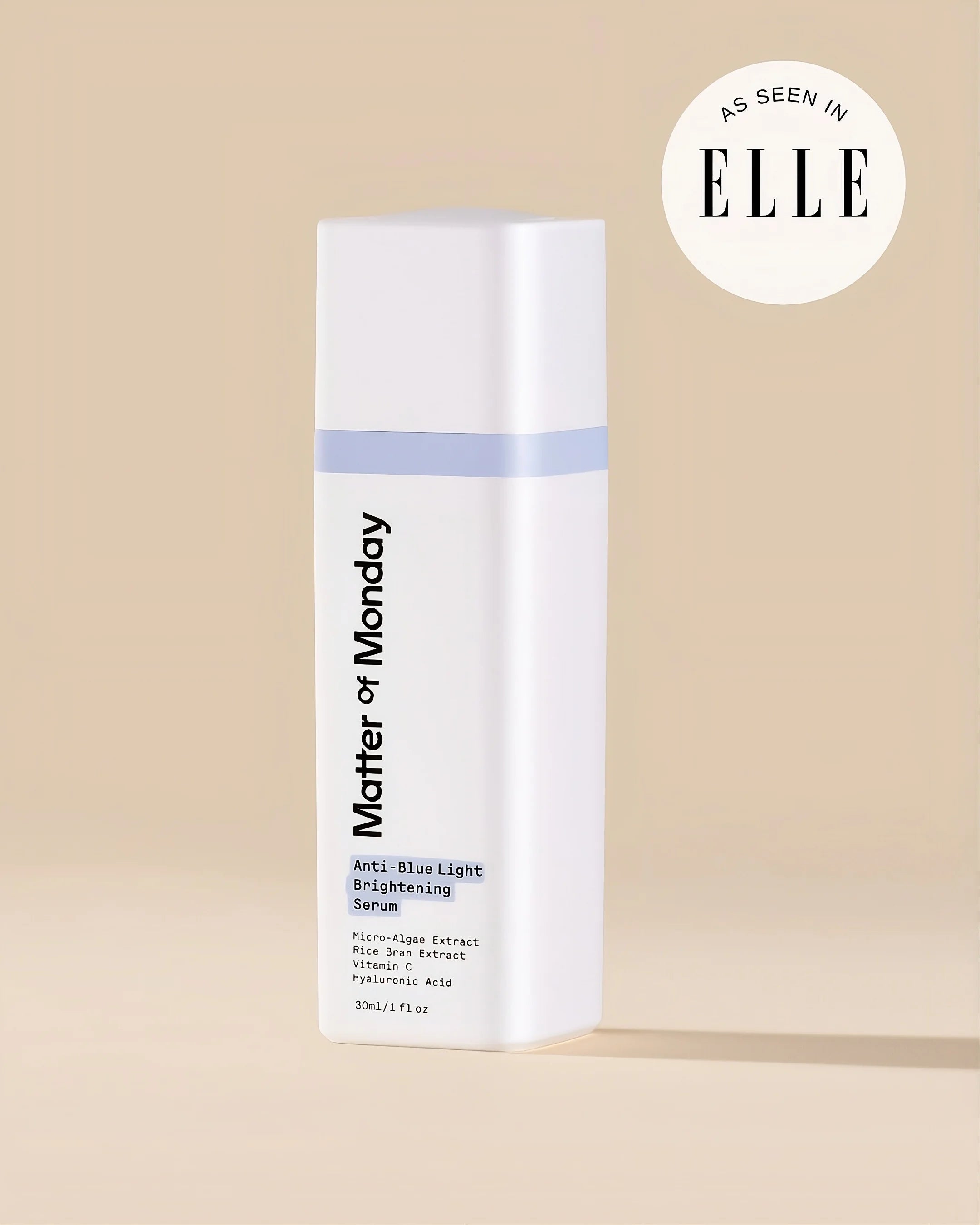
On particularly screen-heavy days, reapply Anti-Fatigue Restorative Eye Cream as needed to help keep the eye area hydrated and refreshed. Follow with Anti-Blue Light Brightening Serum to support brighter, more even-looking skin throughout the day. |
|
Evening |
Cleanse with Pore Refining Exfoliating Cleanser, apply Anti-Stress Renewal Moisturizer, then gently pat 1–2 pumps of Anti-Fatigue Restorative Eye Cream around the upper eyelids, under-eye area, and outer corners to support overnight hydration and recovery. |
Matter of Monday's philosophy is simple: consistency beats complexity. A routine that's easy to follow every day, paired with regular screen breaks, frequent blinking, and good hydration, can help support healthier-looking, more refreshed eyes over time.
What Makes Matter of Monday's Approach to Eye Fatigue Different?
Most eye creams wait for a problem to become visible before they step in. By the time fine lines or persistent puffiness show up, you've already spent months, sometimes years, dealing with the daily strain that caused them in the first place, without ever giving that area targeted support.
Matter of Monday starts earlier. The eye area is exposed to modern stressors like screens, blue light, long hours, and disrupted sleep well before those stressors become visible signs of aging, so the brand's approach is to support skin through that exposure rather than wait to correct what's already there.
This prevention-first philosophy runs through the entire collection, not just the eye cream: every formula is fragrance-free, vegan, cruelty-free, and gentle enough for sensitive skin, with formulations backed by board-certified dermatologists.
Ready to give tired eyes real support? Explore the Anti-Fatigue Restorative Eye Cream.
Conclusion
Tired eyes aren't just a sign you need more sleep. In a screen-heavy world, they're often a sign your eyes have been working harder than usual, and your skin is simply reporting what your day looked like.
The good news is that eye fatigue symptoms respond well to consistent, targeted support, especially when that support starts before the tiredness becomes the first thing people notice about your face.
You may not be able to cut your screen time in half tomorrow. But you can give the eye area the recovery it needs tonight, and every night after that.
Frequently Asked Questions
Can long periods of computer use cause eye problems?
Long periods of time using computers can cause symptoms of eye strain, including dryness, blurred vision, and discomfort. Persistent vision issues may indicate underlying eye conditions and should be evaluated by a medical provider.
How long does it take for computer vision syndrome to go away?
Digital eye strain often improves within a few hours after regular breaks from computer use. If blurry vision, dry eye, or other signs of eye strain persist for days, schedule an eye exam with an eye doctor to discuss potential long term effects.
How do you reduce eye fatigue from a computer screen?
Reduce digital eye strain by placing your digital screen at eye level, improving poor lighting, using artificial tears or eye drops, maintaining good posture, taking regular breaks, and wearing computer glasses if recommended.
How do I tell if I have eye fatigue?
Common digital eye strain symptoms include blurry vision, watery eyes, dry eye, double vision, eye pain, headaches, and shoulder pain after prolonged use of digital devices or extended computer use.
How to make eyes feel less tired?
Take regular screen breaks, blink often, and stay hydrated to help reduce eye fatigue. Then support the delicate eye area with Matter of Monday's Anti-Fatigue Restorative Eye Cream. If symptoms or vision changes persist, schedule a comprehensive eye exam.
How does Matter of Monday's Anti-Fatigue Restorative Eye Cream fit into a screen-time routine?
Matter of Monday's Anti-Fatigue Restorative Eye Cream complements healthy digital device use habits by hydrating the delicate eye area after computer use. Pair it with regular breaks, good eye-health practices, and a comfortable work environment to achieve refreshed-looking eyes.
Who benefits most from Matter of Monday's Anti-Fatigue Restorative Eye Cream?
The eye cream is ideal for working women, remote workers, and anyone experiencing visible signs of fatigue from prolonged computer use, poor posture, or long-term screen exposure. It helps the under-eye area look smoother, brighter, and more energized.
Can I use Matter of Monday's Anti-Fatigue Restorative Eye Cream with my daily eye care routine?
Absolutely. Whether you wear contact lenses, blue light glasses, or use vision correction, Matter of Monday's Anti-Fatigue Restorative Eye Cream fits seamlessly into your skincare routine. Formulated for both the upper and lower eye areas, it helps keep delicate skin hydrated, smoother-looking, and refreshed.