

Key Highlights
-
Blue light exposure may leave skin looking dull, dehydrated, tired, and uneven over time.
-
Screen-heavy lifestyles combined with stress, pollution, and poor sleep can put extra pressure on the skin barrier.
-
People with melasma, sensitive skin, deeper skin tones, and post-acne marks may notice pigmentation changes more easily.
-
Antioxidants, hydration, and barrier-supporting ingredients can help support stressed-looking skin.
-
Daily SPF, lower screen brightness, night mode settings, and simple screen habits may help reduce everyday skin stress.
-
Preventing blue light skin damage is usually more about consistency than following complicated skincare trends.
-
Matter of Monday focuses on hydration, recovery, and barrier support for modern, screen-stressed skin.
Your skin can start looking dull, tired, dehydrated, or uneven, even when your skincare routine has not changed much. For many people, constant screen exposure may be part of the reason.
Between laptops, phones, tablets, and indoor lighting, most of us spend hours around blue light every single day. Over time, that exposure may contribute to visible skin fatigue, pigmentation, dryness, and a weakened skin barrier, especially when combined with stress, pollution, and lack of sleep.
This guide breaks down how to prevent blue light skin damage with realistic skincare habits, supportive ingredients, and simple daily adjustments that fit into modern life.
So, How Does Blue Light Actually Affect Your Skin?
Blue light reaches deeper into the skin than some other types of visible light. While sunlight is still the biggest source of exposure, many people also spend hours each day around phones, laptops, tablets, TVs, and LED lighting.
A 2023 review published in the Journal of Cosmetic Dermatology states that blue light exposure accelerates the aging process and produces cutaneous hyperpigmentation. The review also discusses how blue light exposure can increase oxidative stress in the skin.
Here’s what blue light exposure may contribute to over time:
-
Dull, tired-looking skin
-
Uneven skin tone and pigmentation
-
Faster visible signs of aging
-
Dehydration and dryness
-
A weaker skin barrier that gets irritated more easily
The effects usually happen slowly, which is why they’re easy to miss at first. That’s also why skincare habits like wearing sunscreen, using antioxidants, and keeping the skin barrier healthy can make a big difference.
Still spending hours in back-to-back video calls every day? You might also want to read Are Zoom Meetings Damaging Your Skin? to learn how constant screen exposure and virtual meetings may be affecting your skin throughout the day.
Is Blue Light Worse Than UV Rays?
UV rays from the sun are still considered far more damaging to the skin overall because they directly damage skin cells and are strongly linked to premature aging.
Blue light affects the skin differently. Instead of causing immediate UV-style damage, it is more closely associated with oxidative stress and pigmentation changes. Research published in the Journal of Investigative Dermatology found that blue light exposure can increase reactive oxygen species (ROS) in the skin, which are linked to visible skin stress and photoaging.
Your skin is also exposed to multiple environmental stressors every day, including:
-
UV exposure
-
Pollution
-
Lack of sleep
-
Stress
-
Long hours in front of screens
That combination is what can slowly wear down the skin barrier and make signs of aging more noticeable.
Who Is More Likely to Notice the Effects of Blue Light Exposure?

Not everyone’s skin reacts to blue light exposure the same way. Some people are naturally more prone to pigmentation and inflammation, which means the effects can become more noticeable over time.
Here’s who usually notices it the most:
-
People with melasma: Melasma already happens because pigment-producing cells in the skin become overactive. Blue light can trigger those cells even more, which may make patches of pigmentation appear darker or more difficult to fade.
-
People with deeper skin tones: Darker skin contains more melanin, so it can react more strongly to visible light exposure. That’s why uneven tone and pigmentation can sometimes become more noticeable after long-term exposure.
-
People with sensitive skin: If your skin barrier is already irritated or weakened, extra stress from screens, pollution, and UV exposure can leave skin feeling even more reactive and uncomfortable.
-
People who spend all day in front of screens: Your laptop is not secretly frying your skin, but spending hours around screens every day does increase overall exposure over time, especially when combined with indoor lighting and sunlight.
-
People dealing with acne marks or post-breakout pigmentation: Skin that’s already healing from inflammation is more likely to hold onto dark marks longer, and blue light exposure may make those spots linger even more.
This does not mean you need to panic about screen time, but if you already struggle with pigmentation, sensitivity, or uneven skin tone, protecting your skin from everyday environmental stress can make a noticeable difference over time.
Sometimes your skin is not just reacting to products or weather. Stress, fatigue, lack of sleep, and constant screen exposure can also show up directly on your face. Learn how everyday stress affects your skin here
How to Prevent Blue Light Skin Damage?
Protecting your skin from blue light exposure usually comes down to a few simple daily habits. Here are some of the most effective ways to help support your skin over time:
1. Wear SPF Daily (Especially If You’re Near Windows)
Blue light gets a lot of attention, but UV exposure is still the biggest cause of premature skin aging. Wearing sunscreen daily helps reduce overall environmental stress on the skin, especially if you spend hours near windows or bright indoor lighting. Tinted mineral sunscreens with iron oxides may also help support protection against visible light exposure.
2. Use Antioxidants to Support Against Oxidative Stress
Antioxidants help the skin deal with free radicals caused by environmental stressors like pollution, UV rays, and blue light exposure. Ingredients like vitamin C, niacinamide, and green tea extract can help support brighter, healthier-looking skin while reducing dullness over time.
3. Keep Your Skin Barrier Healthy
A healthy skin barrier helps the skin stay hydrated, balanced, and more resilient to everyday stress. Focus on ingredients like ceramides and hyaluronic acid, and avoid over-exfoliating or layering too many harsh active ingredients that can leave the skin irritated and dehydrated.
4. Reduce Unnecessary Screen Stress
Small habits can help reduce constant screen-related strain throughout the day:
-
Lower screen brightness when possible
-
Turn on night mode or blue light filters
-
Take regular screen breaks
-
Avoid excessive late-night scrolling before bed
Better sleep and less screen fatigue can also help your skin look more rested overall.
5. Focus on Consistency, Not “Blue Light Hacks”
You do not need expensive “blue light-proof” skincare products to support your skin. Consistent SPF, hydration, antioxidants, and healthy daily habits usually matter far more than chasing trendy screen-protection skincare routines.
Which Skincare Products Actually Help Protect Against Blue Light?

You do not need a separate “blue light skincare routine” to protect your skin. The biggest focus should be on helping your skin handle everyday stress better through antioxidants, hydration, barrier repair, and daily protection.
1. Antioxidant Serums Help Defend Against Daily Stress
Blue light exposure can contribute to oxidative stress, which may leave skin looking dull, uneven, or tired over time. Antioxidants help support the skin by fighting free radicals before they start affecting collagen and overall skin health.
Ingredients worth looking for include:
-
Vitamin C
-
Niacinamide
-
Vitamin E
-
Green tea extract
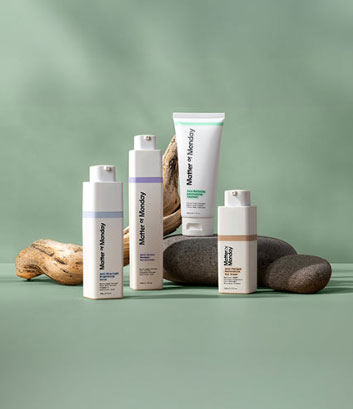
A great option is the Anti-Blue Light Brightening Serum. It combines antioxidants like vitamins C and E with rice bran extract and micro-algae ingredients designed to help support skin exposed to screens and environmental stress throughout the day.
2. Barrier-Repair Moisturizers Help Keep Skin Healthy
When your skin barrier becomes weakened, it becomes easier for dryness, irritation, and sensitivity to show up. A good moisturizer helps keep the barrier strong, hydrated, and better able to handle everyday exposure from screens, pollution, and environmental stress.
Ingredients worth looking for include:
-
Ceramides
-
Hyaluronic acid
-
Peptides
-
Aloe vera
The Anti-Stress Renewal Moisturizer focuses on hydration and skin barrier support with ingredients like hyaluronic acid, aloe, chamomile, and micro-algae extract to help calm stressed-looking skin.
3. Eye Creams Help Reduce Tired-Looking Skin
The eye area is usually one of the first places where fatigue starts showing up, especially after long hours in front of screens. Hydrating and peptide-based eye creams can help the under-eye area look smoother, fresher, and less dry.
Ingredients worth looking for include:
-
Peptides
-
Caffeine
-
Hyaluronic acid
-
Plant proteins
The Anti-Fatigue Restorative Eye Cream is designed to help refresh tired-looking eyes using peptides, caffeine, proteins, and hydrating ingredients that support the delicate under-eye area.
4. Daily SPF Helps Protect Against Environmental Damage
Even though blue light gets a lot of attention, UV rays are still the biggest cause of premature skin aging. Wearing sunscreen daily helps reduce the overall environmental stress your skin deals with every day, especially if you spend time near windows or in bright indoor lighting.
Ingredients worth looking for include:
-
Zinc oxide
-
Titanium dioxide
-
Iron oxides in tinted sunscreens
A lightweight SPF that layers well with antioxidant serums and moisturizers is usually the easiest way to stay consistent with daily protection.
Can Your Daily Habits Make Blue Light Damage Worse?
Skincare products definitely help, but your daily habits matter too. A lot of the conversation around blue light and skin damage is not just about screens alone.
Here are a few habits worth paying attention to:
-
Turn on your device’s Night Mode or blue light filter.
-
Lower screen brightness instead of using maximum brightness all day.
-
Use screens in well-lit rooms whenever possible.
-
Follow the 20-20-20 rule during long work sessions.
-
Take short breaks away from screens between tasks.
-
Avoid late-night scrolling before bed.
-
Use blue light filtering glasses if you spend long hours on devices.
-
Add antioxidant-rich foods like berries, leafy greens, and nuts to your diet.
-
Keep your skin hydrated with a consistent moisturizer.
-
Spend a little time away from screens during the day when possible.
None of these habits needs to be done perfectly. Even small adjustments throughout the day can help your skin feel less stressed and more balanced over time.
If your schedule barely leaves time for skincare, this guide on maintaining healthy skin with almost no time shares simple ways to keep your skin hydrated, balanced, and protected without needing a complicated routine.
Are There Any Myths About Blue Light and Skin Damage?
There’s a lot of hype around blue light skincare right now, and not all of it is accurate. Some claims make it sound like your phone is doing the same level of damage as direct sun exposure, which is not really the case.
Here are a few common myths worth clearing up:
|
Myth |
Reality |
|---|---|
|
Blue light from screens is worse than UV rays. |
UV exposure from the sun is still far more damaging overall when it comes to premature aging and skin damage. |
|
You need a special “blue light skincare routine.” |
Most people benefit more from basics like SPF, antioxidants, hydration, and barrier support than from overly complicated routines. |
|
Blue light instantly causes wrinkles and pigmentation. |
Any visible effects usually happen gradually over time alongside other factors like stress, pollution, poor sleep, and overall environmental exposure. |
|
You need to completely avoid screens to protect your skin. |
Small habits like lowering brightness, using night mode, and maintaining healthy skincare habits are usually more realistic and sustainable. |
The goal is not to fear screens completely, but to build simple habits that help keep your skin healthier, calmer, and better supported over time.
Screen Time Is Not Going Anywhere. That’s Why We Built Matter of Monday.
Between work, scrolling, streaming, stress, pollution, and lack of sleep, modern skin is constantly dealing with more than it used to. Even if your skin is not visibly irritated, all of that everyday exposure can slowly leave it looking dull, dehydrated, tired, and out of balance.
At Matter of Monday, we created our approach around real life and real routines. Long workdays, screen-heavy schedules, indoor lighting, late nights, and environmental stress. We know most people are not looking for a complicated 12-step routine. They just want skincare that helps their skin feel healthier, calmer, and more supported day to day.
That is why we focus on hydration, barrier support, recovery, and simple routines that fit into modern lifestyles instead of overwhelming them. Because when your skin feels supported consistently, it naturally starts looking more refreshed and balanced over time.
If your skin has been feeling stressed, dehydrated, or out of balance lately, explore our skincare collection now!
Final Thoughts
Screens are a part of everyday life now, and realistically, most of us are not cutting down our screen time anytime soon. But protecting your skin from everyday stress does not have to be complicated.
Simple habits like wearing SPF, keeping your skin hydrated, using antioxidants, and supporting your skin barrier can make a bigger difference than chasing trendy “blue light fixes.”
At the end of the day, healthy skin is usually less about perfection and more about consistency.
Frequently Asked Questions
Do blue light-blocking skincare products really work for preventing skin damage?
Blue light protection skincare may help reduce free radical damage caused by HEV light exposure from electronic devices. The best way to reduce potential damage is by combining antioxidants, mineral sunscreens, hydration, and healthy habits instead of relying on one product.
Is sunscreen necessary indoors for protection from blue light damage on skin?
If you spend much time in front of a screen, daily sunscreen can still help protect skin from UV exposure and the impact of blue light. Mineral sunscreens may also support the skin’s natural barrier and reduce visible dark spots.
Are some skin types more sensitive to blue light damage to skin than others?
Yes. Darker skin tones, sensitive skin, and people dealing with pigmentation may notice the harmful effects of blue light more easily. Since HEV light sits within the visible light spectrum, it can sometimes trigger discoloration and uneven skin tone.
What myths exist about blue light and skin health that I should be aware of?
One common myth is that digital devices alone rapidly age skin. In reality, sunlight remains the biggest source of blue light. The negative effects of blue light usually happen gradually alongside UV exposure, pollution, stress, and poor sleep habits.
How to prevent blue light skin damage on the face?
The best way to protect skin is through consistent habits. Use antioxidants, mineral sunscreens, hydration-focused skincare, and blue light protection settings like blue light filter applications or a screen protector. Limiting nighttime screen exposure may also improve sleep quality naturally.
Can blue light damage skin?
Yes, blue light exposure may contribute to free radical damage, dark spots, and visible signs of the aging process over time. Blue light phone skin damage is usually linked to long-term exposure combined with environmental stress


