

Key Highlights
-
Most people can start preventive anti-aging skincare in their early 20s with sunscreen, hydration, and antioxidant protection.
-
Skin aging is affected by UV exposure, pollution, stress, dehydration, sleep, and everyday lifestyle habits over time.
-
Teens usually only need a simple routine with cleanser, moisturizer, and daily SPF instead of strong active ingredients.
-
Retinol, peptides, exfoliating acids, and targeted treatments are often introduced gradually as collagen production slows down with age.
-
Overusing strong skincare products too early can weaken the skin barrier and increase dryness, irritation, and sensitivity.
-
Consistent routines focused on hydration, barrier support, and sun protection usually work better long-term than complicated trend-driven routines.
-
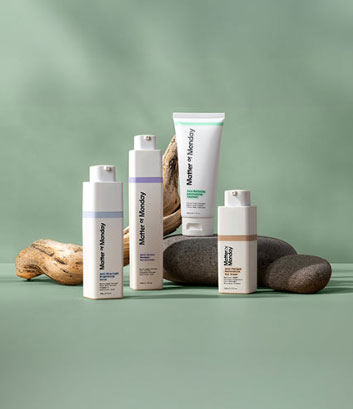
At Matter of Monday, we focus on prevention-first skincare designed to support hydration, barrier health, and healthier-looking skin through everyday environmental stressors.
A few years ago, most people were not thinking about anti-aging skincare in high school or even college. Now, it is common to see teenagers using retinol, collagen creams, and multi-step routines because social media makes aging feel like something that needs to be “prevented” as early as possible.
The problem is that skincare advice online often skips an important question: Does your skin actually need all of that yet?
So, when should you actually start anti-aging skincare? Let’s break down what makes sense at different ages, which ingredients are worth paying attention to, and how to build a routine without getting caught up in skincare trends.
What Does “Anti-Aging Skincare” Actually Mean?
Anti-aging skincare is not about stopping aging or getting rid of every wrinkle because aging is a normal and natural part of life. Instead, it focuses on helping the skin stay healthy, protected, and supported as those changes happen over time.
Most anti-aging routines are designed to support collagen, maintain hydration, improve skin texture, and reduce premature damage caused by sun exposure and everyday lifestyle factors.
That is also why anti-aging skincare does not need to be complicated. In many cases, consistent habits like sunscreen, moisturizer, and a few well-chosen ingredients make the biggest long-term difference.
What Age Should You Start Anti-Aging Skincare?
There is no single “perfect” age to start anti-aging skincare because skin changes gradually over time. Things like UV exposure, stress, dehydration, pollution, sleep, and lifestyle habits all affect how early signs of aging appear.
For most people, the goal is to start with prevention early enough without overwhelming the skin with strong products too soon.
1. What Should Anti-Aging Skincare Look Like in Your Teens
Social media has made “preventative aging” routines popular at very young ages, but most teenagers do not need strong anti-aging products.
In reality, you do not need retinol at 18 unless it is being used for a specific concern like acne under professional guidance.
During the teen years, the skin naturally produces high levels of collagen and renews itself quickly, so simple barrier-supportive skincare is usually enough.
A simple routine is usually enough:
-
gentle cleanser
-
lightweight moisturizer
-
daily SPF
Hydration-focused products with calming ingredients often work best at this age because they support the skin barrier without overwhelming younger skin. A lightweight option like the Anti-Stress Renewal Moisturizer can help maintain hydration while keeping the routine simple and barrier-friendly.
Using strong retinol products, harsh exfoliating acids, or layering too many active ingredients too early can sometimes lead to irritation, dryness, and sensitivity rather than healthier skin.
2. What Should You Focus on in Your 20s?
Your 20s are usually considered the prevention stage because collagen production slowly starts declining during this decade. Even if wrinkles are not visible yet, daily sun exposure, stress, dehydration, pollution, and lack of sleep can gradually affect skin texture and elasticity over time.
This is when skincare should focus more on:
-
daily sunscreen
-
antioxidant protection
-
hydration
-
maintaining the skin barrier
Lightweight antioxidant serums with ingredients like vitamin C and niacinamide can help protect the skin from environmental stress that contributes to premature aging. Products like the Anti-Blue Light Brightening Serum are designed for this kind of early preventive support while still feeling lightweight and beginner-friendly.
Some people may also start introducing low-strength retinol products in their mid-to-late 20s, depending on their skin concerns and tolerance.
3. How Does Anti-Aging Skincare Change in Your 30s?
In your 30s, the skin often starts losing firmness and elasticity more noticeably as collagen production continues slowing down. Fine lines may become more visible, skin recovery takes longer, and dryness or dullness can appear more easily.
At this stage, routines usually become more targeted with:
-
retinol
-
peptides
-
hydrating serums
-
barrier-support ingredients
The eye area is also one of the first places where fatigue and fine lines start showing more clearly. Products with peptides and hydrating ingredients, like the Anti-Fatigue Restorative Eye Cream, are often added to support smoother and more refreshed-looking skin around the eyes.
4. What Does Skin Need in Your 40s and Beyond?
In your 40s and beyond, collagen and natural oil production decline more significantly, which can lead to dryness, thinner-looking skin, and deeper wrinkles over time.
Skincare at this stage usually focuses more on:
-
deep hydration
-
elasticity support
-
barrier repair
-
maintaining a smoother skin texture
Richer moisturizers, peptide-based formulas, and products that support long-term hydration become more important because mature skin often struggles to retain moisture as efficiently. Combining targeted ingredients with barrier-supportive products like the Anti-Stress Renewal Moisturizer can help support smoother and healthier-looking skin over time.
How Does Your Skin Type Affect Anti-Aging Skincare?
Skin type can influence how certain anti-aging products are tolerated and when specific concerns become more noticeable.
-
Dry skin: Fine lines and rough texture may appear earlier because the skin loses moisture more easily.
-
Oily skin: Natural oil production can sometimes make early wrinkles appear less noticeable.
-
Combination skin: Balanced, lightweight routines usually work best for mixed oily and dry areas.
-
Sensitive skin: Strong active ingredients may need to be introduced more carefully.
-
Mature skin: Firmness, elasticity, and skin texture often become bigger concerns over time.
Regardless of skin type, most anti-aging routines work best when introduced gradually instead of using too many strong products too early.
Modern lifestyles are exposing the skin to more stress than ever before. If you want to understand how screen time, pollution, stress, and environmental damage contribute to premature aging, read our guide on how modern life may be accelerating the aging process.
How to Start an Anti-Aging Skincare Routine Without Overdoing It?
Starting anti-aging skincare too aggressively can sometimes create more irritation than results. Many people begin layering strong actives, exfoliating too often, or following complicated trend-driven routines without realizing how easily the skin barrier can become overwhelmed.
1. Focus on Prevention First
Begin with sunscreen, hydration, antioxidants, and barrier support instead of strong corrective treatments too early.
2. Introduce Active Ingredients Slowly
Retinol and exfoliating acids can support fine lines and texture, but overusing them may cause dryness and irritation. Start with lower-strength products a few nights weekly.
3. Prioritize Hydration and Barrier Support
Hydrated skin often looks smoother and healthier. Ingredients like hyaluronic acid, ceramides, glycerin, and peptides help support moisture balance.
4. Do Not Follow Every Viral Skincare Trend
Social media trends often encourage layering multiple active ingredients or trying aggressive routines too quickly. Consistent routines built around a few well-chosen products are usually safer and easier to maintain long term.
Feeling stressed lately? Your skin probably knows it too. Learn what stress is really doing to your skin in your face’s stress response.
How Long Does Anti-Aging Skincare Take to Show Results?

One of the biggest mistakes people make with anti-aging skincare is expecting visible results too quickly. Many active ingredients work gradually because processes like collagen production, skin renewal, and barrier repair naturally take time.
This is why constantly switching products after only a few days or weeks can make it harder to see whether a routine is actually working.
Here’s what usually takes time with anti-aging skincare:
-
Retinol and retinoids: These ingredients often need several weeks or even months before improvements in fine lines, texture, and skin tone become more noticeable.
-
Hydration and barrier repair: Moisturizers and barrier-support ingredients may help dryness fairly quickly, but improving long-term skin balance and reducing sensitivity can still take consistent use over time.
-
Dark spots and uneven texture: Concerns linked to sun damage or post-inflammatory pigmentation usually fade gradually because skin cell turnover is a slow process.
-
Collagen support: Ingredients and treatments focused on collagen production often show results slowly because collagen rebuilding happens over extended periods rather than overnight.
At the same time, patience does not mean ignoring irritation or worsening skin reactions. Persistent redness, burning, peeling, or discomfort can sometimes be signs that products are too strong or being used too frequently.
In most cases, consistent routines followed over months usually deliver better long-term results than constantly changing products based on short-term expectations.
No time for complicated skincare routines? Learn how to keep your skin healthy even on busy days in how to maintain healthy skin with almost no time.
Which Advanced Skincare Techniques Can Support Anti-Aging?

A consistent routine with sunscreen, hydration, and targeted ingredients is usually enough for most people, but some advanced skincare techniques can help improve results further over time. These treatments are often used to support collagen production, skin texture, and overall skin tone, depending on individual skin concerns.
Here are some of the most commonly used advanced anti-aging skincare techniques:
-
Chemical Exfoliation: AHAs and BHAs help remove dead skin cells and improve skin texture and tone over time. However, excessive exfoliation can weaken the skin barrier and increase sensitivity.
-
LED Light Therapy
Red light therapy is commonly used to support collagen production and skin repair, helping improve overall skin elasticity and reduce visible signs of aging. -
Microneedling
Microneedling creates controlled micro-injuries in the skin to support collagen production and skin renewal. It is often used for fine lines, acne scars, and uneven texture. -
Prescription Retinoids
Prescription-strength retinoids are stronger vitamin A derivatives often used when over-the-counter retinol products no longer provide enough support for aging concerns. -
Professional Treatments
Laser treatments, facials, and collagen-support therapies can provide more targeted results, especially when paired with a consistent daily skincare routine.
The most effective anti-aging approach is usually a balanced one. Advanced treatments can help support long-term skin goals, but consistency, skin barrier health, and realistic routines still play the biggest role in maintaining healthier-looking skin over time.
Are We Overdoing Anti-Aging Skincare Too Early?
Social media has made anti-aging skincare feel far more urgent than it actually is. Teenagers and people in their early 20s are now being told they need retinol “before wrinkles start,” expensive eye creams, collagen masks, and complicated 10-step routines just to age “correctly.”
Trends like “preventative Botox,” “glass skin,” and nightly layering routines often create the impression that natural skin texture, fine lines, or normal aging are problems that need immediate fixing. In reality, younger skin usually does not need aggressive anti-aging treatments.
For most people, early skincare is less about correction and more about protection. That often means focusing on:
-
daily sunscreen
-
hydration and barrier support
-
gentle, consistent routines
-
antioxidant protection against environmental stressors
Starting too aggressively with retinol, exfoliating acids, or multiple active ingredients can sometimes weaken the skin barrier and increase irritation instead of improving the skin long term.
Healthy skin usually responds better to balanced routines than trend-driven skincare pressure.
Why Matter of Monday Feels Different From Traditional Anti-Aging Brands?
Anti-aging skincare can start feeling overwhelming very quickly. One day, it is sunscreen and moisturizer, and the next, it feels like you are expected to use strong retinol, exfoliating acids, and complicated 10-step routines before your skin even needs them.
At Matter of Monday, we believe skincare should support your skin, not stress it out further. Modern skin already deals with enough from screen time, pollution, stress, fatigue, and everyday environmental exposure.
That is why our approach focuses more on prevention, hydration, barrier support, and long-term skin health instead of aggressive routines and trend-driven skincare. Because effective anti-aging skincare should feel realistic, balanced, and easy to stay consistent with over time.
Starting anti-aging skin care young can help support prevention early, but that does not mean younger skin always needs stronger treatments immediately.
If you are looking to build a healthier and more sustainable skincare routine, explore our skincare ranges today!
Frequently Asked Questions
Do men and women need to start anti-aging skin care at the same age?
Men and women usually experience the aging process differently because hormone levels, moisture levels, and production of collagen change at different rates. However, daily sun protection, healthy daily habits, and care of your skin matter more than gender alone for preventing premature skin aging.
When should you start using anti-aging skincare products?
The best time to start using anti-aging products is usually in the early 20s when environmental damage, harmful UV rays, and free radicals begin affecting youthful skin gradually. Starting with sun protection and the right products can help reduce the appearance of fine lines later.
What are the 7 signs of aging?
Common concerns linked to skin aging include the appearance of wrinkles, uneven skin tone, age spots, loss of elasticity, dryness, dullness, and the development of fine lines. Environmental stressors, less collagen, skin damage, and free radical damage often accelerate these visible changes over time.
Is 27 too late to start skin care?
No, 27 is not too late to start skincare. The good news is that consistent sun protection, hydration, and healthy daily habits can still help support youthful skin, reduce premature skin aging, and improve the skin’s appearance over time.
What simple anti-aging steps can I add to my skin care routine as a beginner?
Beginners should focus on daily sun protection, gentle cleansing, hydration, and antioxidant support. Adding a vitamin C serum or hyaluronic acid serum gradually can help support the skin’s barrier, moisture levels, and reduce the appearance of fine lines over time.
What is the 60-second anti-aging ritual that erases wrinkles?
There is no 60-second ritual that completely erases wrinkles instantly. However, consistent skincare, daily use of sunscreen, hydration, and protecting the skin from harmful UV rays and environmental stressors can help slow visible signs of skin aging gradually over time.


