

Key Highlights
-
Early wrinkles are often caused by dehydration, stress, poor sleep, sun exposure, and skin barrier damage.
-
Overusing acids, retinol, and harsh skincare products can make skin look tight, dry, and more lined.
-
Temporary wrinkles usually improve with hydration and recovery, while permanent wrinkles stay visible consistently.
-
Repeated facial movements like squinting and frowning can make expression lines more noticeable over time.
-
Conditions like eczema, thyroid disorders, and collagen-related conditions can sometimes affect skin texture earlier.
-
Younger skin usually responds well to hydration, SPF, barrier support, and consistent skincare habits.
-
Matter of Monday focuses on helping stressed and tired skin recover from modern lifestyle stressors.
If you’ve looked in the mirror lately and thought, “Why is my skin so wrinkly at a young age?” you’re definitely not the only one. A lot of people notice fine lines, crepey texture, or tired-looking skin way earlier than they expected, and honestly, it can feel pretty frustrating.
Sometimes it starts with your makeup suddenly looking patchy, your skin feeling rough or tight, or your face looking dull and exhausted, no matter how much skincare you use.
For others, it is the panic of noticing forehead lines, under-eye creasing, or smile lines in photos and wondering if their skin is “aging too fast.”
In this guide, we’ll talk about the most common reasons this happens, how to tell if your wrinkles are temporary, and simple things you can do to help your skin look smoother, healthier, and more refreshed again.
Is It Normal to Have Wrinkles at a Young Age?
Yes, it actually is more common than most people think. Fine lines and texture changes can show up early because of things like poor sleep, sun exposure, smoking, rapid weight loss, or overusing harsh skincare products.
A lot of the time, your skin is not truly “aging fast.” It may simply be reacting to lifestyle changes, environmental exposure, or an overwhelmed skin barrier. Even weather changes, travel, or aggressive skincare routines can suddenly make skin look rough, dull, or crepey.
That’s why slightly wrinkly skin in young people is something many people experience, especially with today’s fast-paced lifestyles and trend-driven skincare routines.
If your skin has been looking more tired or aged lately, modern stress and lifestyle habits may be playing a bigger role than you think. Read our guide on how modern life may be accelerating premature aging.
Are Your Wrinkles Temporary or Permanent? Here’s How to Tell
Not every line you see on your face is a permanent wrinkle. Sometimes your skin just looks more textured because it is dehydrated, irritated, stressed, or exhausted. Other times, the lines are linked to actual collagen loss that develops over time.
Here’s an easy way to spot the difference:
|
Temporary Lines |
Permanent Wrinkles |
|---|---|
|
Usually caused by dehydration, stress, lack of sleep, or irritation |
Usually caused by collagen and elastin breakdown over time |
|
Skin often looks better after moisturizing or resting |
Lines stay visible even after hydration |
|
Texture may change from day to day |
Wrinkles become more consistent over time |
|
Common after over-exfoliating or using harsh skincare |
Common with aging and long-term sun exposure |
|
Skin may feel tight, dry, or sensitive |
Skin may look thinner or less firm |
|
Often improves once the skin barrier heals |
Usually requires long-term skincare and prevention |
Why Your Skin Can Look Wrinkly Even When You’re Young?

If you keep wondering, “why is my skin wrinkly at a young age,” actual aging may not be the only reason behind it. A lot of everyday habits and lifestyle factors can make fine lines look worse, especially when your skin barrier is stressed or dehydrated.
Here are some of the most common reasons it happens:
1. Dehydrated Skin Can Mimic Wrinkles
When skin lacks water, it loses its plump appearance and fine lines become more visible. Over-cleansing, skipping moisturizer, too many active ingredients, stress, poor sleep, and dry environments can all leave skin looking tight, dull, or crepey.
2. Too Much Sun Exposure Slowly Breaks Down Collagen
Years of skipping sunscreen or spending long periods in direct sunlight gradually weaken collagen and elastin. Over time, skin may start looking thinner, rougher, and less firm earlier than expected.
3. Stress and Poor Sleep Show Up on Your Face Fast
Stress and lack of sleep can make skin look dull, tired, and less refreshed. When recovery and rest are disrupted for long periods, fine lines and puffiness often become more noticeable.
4. Your Skincare Routine Might Be Too Aggressive
Using strong exfoliants too often, layering multiple active ingredients, or overusing retinol can weaken the skin barrier. This often leaves skin looking irritated, tight, shiny, or overly dry rather than healthy.
5. Rapid Weight Loss Can Change How Your Skin Looks
Losing weight quickly can reduce facial volume, especially around the cheeks and under-eyes, which may make skin appear looser or more tired temporarily.
6. Smoking, Vaping, and Lifestyle Habits Add Up
Smoking, vaping, alcohol, poor diet, and lack of sleep can all affect collagen and overall skin recovery over time.
7. Sometimes It’s Just Genetics
Some people naturally develop fine lines earlier because of genetics, facial structure, or skin type. Lifestyle habits often influence how noticeable those changes become over time.
Tired of your skin looking dull, dry, or worn out, no matter how much skincare you use? Learn how rice bran helps bring stressed-looking skin back to life.
Are There Any Medical Conditions That Can Cause Wrinkles at a Young Age?

Yes, although it is less common. Most early wrinkles are linked to things like dehydration, sun exposure, stress, or lifestyle habits. But in some cases, certain medical conditions can affect collagen, skin elasticity, hydration, or the skin barrier and make the skin appear older earlier than expected.
This does not mean everyone whose skin is wrinkly at a young age has an underlying illness. But if the changes feel unusually severe, happen very suddenly, or come with other symptoms, it may be worth getting checked.
Some conditions that can affect the skin include:
-
Eczema and chronic inflammatory skin conditions
Conditions like eczema keep the skin in a constant cycle of dryness and inflammation. Over time, this can weaken the skin barrier, making the skin look rough, thin, irritated, and more lined than normal. -
Thyroid disorders
Thyroid hormones play a major role in skin hydration and texture. An underactive thyroid, in particular, can cause skin to become very dry, dull, flaky, and less elastic, which can make fine lines appear more noticeable. -
Connective tissue disorders
Certain rare disorders affect collagen and elastin directly, which are the structures that help skin stay firm and flexible. Conditions linked to connective tissue abnormalities have been associated with premature skin aging. -
Rare genetic conditions linked to premature aging
Extremely rare conditions like progeria, cutis laxa, or acrogeria can cause the skin to appear loose, thin, or prematurely aged because of abnormalities involving collagen or elastic fibers. -
Nutritional deficiencies and chronic illness
Severe deficiencies in protein, healthy fats, iron, or certain vitamins can affect how healthy and resilient the skin looks. Chronic illness can also impact circulation, hydration, and skin repair over time.
Usually, medical conditions are not the main reason younger people develop fine lines. But if your skin suddenly becomes extremely fragile, loose, inflamed, or unusually aged-looking alongside other symptoms, it is a good idea to speak with a dermatologist or healthcare professional.
Can Smiling, Squinting, or Frowning Cause Wrinkles?
Yes, repeated facial movements can contribute to early fine lines over time. Every time you smile, squint, frown, or raise your eyebrows, your skin folds in the same areas repeatedly. When the skin is young and healthy, it usually bounces back easily. But over time, those expression lines can start lingering longer.
Some common examples include:
-
Forehead lines from repeatedly raising your eyebrows
-
Frown lines from concentrating or stressing often
-
Crow’s feet from squinting or smiling frequently
-
Smile lines are becoming more noticeable with facial movement
People who spend a lot of time staring at screens or dealing with stress also tend to hold more tension in their face without realizing it, especially around the eyes and forehead.
That said, facial expressions are a completely normal part of life and not something you should try to avoid. Smiling, laughing, and expressing emotions are not “bad” for your skin.
In most cases, these lines become more noticeable when repeated facial movements are combined with things like sun exposure, dehydration, stress, and natural collagen loss over time.
Can You Reverse Early Wrinkles?
In many cases, yes. Dermatologists often see younger people panic about “premature aging” when the changes are actually temporary skin reactions or normal texture changes being amplified by social media and unrealistic beauty standards.
For example, someone using strong acids every night may suddenly notice forehead lines, tightness, and crepey skin. Once they simplify their routine and repair their skin barrier, those lines often look much softer within weeks.
The same thing happens during stressful periods. Poor sleep, burnout, travel, or rapid weight loss can make skin look dull, tired, and more textured almost overnight.
Usually, temporary wrinkles change depending on hydration, stress, and skin condition. Permanent wrinkles tend to stay visible consistently, no matter what.
What Products Should You Use to Prevent Wrinkles at a Young Age?
When you are young, wrinkle prevention is usually more about protecting your skin barrier than chasing heavy anti-aging products. The right products help keep the skin hydrated, calm, and resilient before long-term damage starts affecting collagen and elasticity.
Here are some of the most helpful types of products to look for and the ingredients that make them effective.
1. A Hydrating Moisturizer That Supports the Skin Barrier
One of the biggest reasons younger skin starts looking crepey or textured is dehydration. A good moisturizer helps keep the skin plump and reduces the appearance of fine lines.
Look for ingredients like:
-
Hyaluronic acid
-
Aloe vera
-
Jojoba oil
-
Chamomile
-
Ceramides
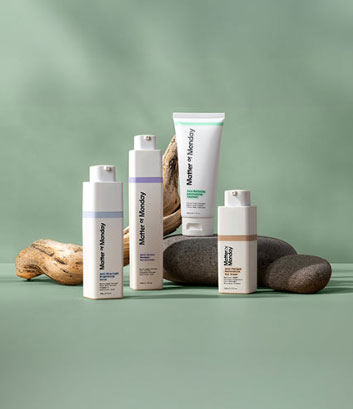
The Anti-Stress Renewal Moisturizer is designed around hydration and barrier support, using ingredients like sodium hyaluronate, aloe, chamomile, and jojoba oil to help stressed skin look smoother and healthier.
2. An Eye Cream That Targets Early Fine Lines
The skin around the eyes is thinner and usually one of the first places where early fine lines start showing up, especially with stress, poor sleep, and screen time.
Look for ingredients like:
-
Peptides
-
Caffeine
-
Proteins
-
Antioxidants
The Anti-Fatigue Restorative Eye Cream contains peptides like Matrixyl 3000® along with caffeine to help reduce the appearance of tired, textured under-eyes.
3. A Protective Serum for Daily Environmental Stress
A lot of younger people underestimate how much environmental stress affects the skin over time. Pollution, UV exposure, and constant screen exposure can all contribute to dullness and premature fine lines.
Look for ingredients like:
-
Niacinamide
-
Vitamin C
-
Antioxidants
-
Micro-algae extracts
The Anti-Blue Light Brightening Serum is designed to help support the skin against everyday digital and environmental stressors while keeping the skin looking brighter and more refreshed.
The most important thing is choosing products that support your skin consistently instead of overwhelming it with harsh treatments too early.
When Should You See a Dermatologist About Early Wrinkles?
A lot of early wrinkles improve once your skin gets proper hydration, rest, and barrier support. If your skin keeps looking worse despite making changes, it may be time to get professional advice.
Here are some signs your skin may need more than just a routine reset.
1. Your Skin Feels Constantly Dry or Irritated
If your skin always feels tight, flaky, itchy, or uncomfortable even after moisturizing, your skin barrier may be seriously compromised. Persistent irritation can make fine lines look much deeper and harder to improve on your own.
2. Fine Lines Appeared Very Suddenly
Skin usually changes gradually. If you suddenly notice major texture changes, crepey skin, or deeper-looking lines within a short period of time, a dermatologist can help identify whether inflammation, hormonal changes, or another skin condition is involved.
3. Your Skin Burns or Stings After Basic Products
When even gentle skincare products start burning or stinging, it is often a sign that your skin barrier is damaged. This type of sensitivity can make your skin look thinner, shinier, and more wrinkled than normal.
4. You Notice Severe Peeling or Unusual Texture Changes
If your skin is peeling excessively, becoming extremely rough, or developing patches that do not improve, it could be more than simple dryness or temporary dehydration.
5. Nothing Improves Even After Simplifying Your Routine
Sometimes people stop exfoliating, focus on hydration, and still feel like their skin looks older or more fragile. In those cases, a dermatologist can help figure out whether long-term sun damage, eczema, or another underlying issue is affecting your skin.
Getting professional help does not always mean something is seriously wrong. Sometimes your skin simply needs a more targeted approach than trial-and-error skincare routines.
If stress has been affecting both your skin texture and breakouts lately, you’re not imagining it. Read our guide on stress, acne, and how to calm stressed-out skin.
If Your Skin Suddenly Looks Tired All the Time, You’re Not Imagining It
We spend so much time blaming ourselves when our skin starts looking dull, textured, dehydrated, or weirdly older out of nowhere.
But honestly, modern life is exhausting for our skin. Stress, screens, poor sleep, burnout, pollution, and constantly trying new skincare trends can leave our skin looking worn out way faster than we expect.
That is what makes Matter of Monday feel so relatable. Instead of pushing unrealistic “perfect skin” expectations, we focus more on helping stressed, overwhelmed skin recover from everyday life.
And honestly, a lot of younger skin does not need aggressive anti-aging routines. Sometimes it just needs support, consistency, and a chance to calm down.
If your skin has been feeling constantly tired, dehydrated, or overwhelmed lately, check out the products at Matter of Monday, and let’s help your skin feel healthy and balanced again.
Conclusion
Seeing fine lines at a young age can feel frustrating, but it does not always mean your skin is aging too fast. A lot of the time, your skin is simply reacting to sun exposure, poor sleep, or an overwhelmed skin barrier.
The important thing is not to panic or overload your skin with harsh products. Younger skin usually responds best to consistency, hydration, protection, and recovery over time.
And honestly, healthy skin is not about looking flawless. It is about having skin that feels balanced, supported, and resilient even through the stress of everyday life.
Frequently Asked Questions
What is the number one thing that ages you?
The biggest factor behind how skin ages is long-term exposure to UV rays. Sun damage breaks down collagen, weakens skin cells, affects skin texture and tone, and speeds up the formation of wrinkles, age spots, and other visible signs of aging.
At what age do most people start to look wrinkled instead of young?
Most people begin noticing visible facial wrinkles and changes in skin texture during their late 20s to 30s as collagen production slows. Stress levels, sun exposure, repetitive movements, and skin care habits can influence how early those signs of aging appear.
What is the main cause of premature skin aging?
The main cause of premature skin aging is repeated exposure to UV light without proper sun protection. Environmental factors, poor skin care habits, smoking, stress, and lack of hydration also accelerate collagen loss and increase the appearance of wrinkles earlier.
Is vitamin C good for wrinkles?
Yes, vitamin C helps support collagen production, protect skin cells from UV rays and environmental factors, and improve skin tone. With proper skin care, it can reduce the appearance of wrinkles and support healthier, more youthful-looking skin over time.
Is it normal to get wrinkles in your 20s, or should I be concerned?
Yes, mild facial wrinkles in your 20s can be normal, especially from stress levels, dehydration, repetitive movements, or sun exposure. However, sudden deep grooves, severe skin problems, or rapid signs of premature aging may require professional evaluation and treatment options.
How does sun exposure impact skin wrinkling for young people?
UV light damages collagen and elastin, speeding up the aging process and development of wrinkles even in younger skin. Without proper sun protection, repeated exposure increases age spots, uneven skin texture, facial wrinkles, and the long-term risk of skin cancer.
Can anxiety and stress make you look older?
Yes. Chronic stress and anxiety can affect hydration, inflammation, sleep quality, and collagen production, which may make skin look duller, puffier, drier, or more tired. These changes are often temporary and usually improve once stress levels and recovery improve.
Can overwashing your face make wrinkles look worse?
Yes. Over-cleansing and harsh skincare routines can leave skin looking tight, rough, or crepey. Matter of Monday focuses on barrier-supportive skincare designed to help stressed-looking skin feel calmer, smoother, and healthier without overwhelming it with aggressive active ingredients.
Why does my skin suddenly look older after stress or burnout?
Stress, burnout, poor sleep, and constant screen exposure can make skin appear dull, tired, and more textured. Matter of Monday products are designed to support skin affected by modern lifestyle stressors and everyday environmental exposure over time.


