

Key Highlights
-
Blue light may contribute to skin stress, such as dullness, pigmentation, and mild oxidative stress
-
UV rays remain the biggest cause of visible skin aging
-
Blue light can affect skin cells, but screen exposure is much weaker than sunlight
-
Skin response varies by type, especially for pigmentation-prone or sensitive skin
-
Good skincare focuses on sunscreen, antioxidants, hydration, and barrier repair
-
Dermatologists prioritize overall skin health over strict blue light protection routines
-
Matter of Monday focuses on skincare for modern, screen-heavy lifestyles
We spend hours every day looking at screens, so it is no surprise that many people are starting to wonder: Does blue light age your skin?
From phones and laptops to LED lighting, blue light exposure has become part of everyday life.
Some research suggests that high-energy visible (HEV) light induces reactive oxygen species generation and may contribute to pigmentation and photoaging-related skin changes over time.
At the same time, dermatologists note that natural sunlight remains a far greater source of blue light exposure than digital screens.
So, is blue light skin aging real or overhyped?
In this guide, we will explain what blue light actually is, how it may affect your skin, whether screens are truly a major concern, and the best ways to protect your skin from unnecessary damage.
What is Blue Light & How Does It Affect Your Skin?

Blue light is often linked to oxidative stress, which happens when unstable molecules called free radicals build up faster than the skin can naturally defend itself. Over time, this stress may affect collagen, skin elasticity, and overall skin health, which is why blue light is sometimes discussed in relation to premature aging concerns.
Because blue light can reach deeper layers of the skin compared to some other forms of visible light, prolonged exposure is also associated with concerns around dullness, uneven tone, and tired-looking skin.
Possible signs associated with excess exposure may include:
-
Patchy pigmentation and uneven complexion
-
Fine lines and loss of skin firmness
-
Mild irritation and tired-looking skin
-
Increased skin dullness and dehydration
Still, the amount of blue light emitted from screens is far lower than natural sunlight, so the extent of damage caused by digital devices remains a topic of ongoing discussion.
Is Blue Light Skin Damage a Myth or a Real Concern?
When people look into blue light from screens and skin aging evidence, the truth is usually less dramatic than social media makes it sound.
Blue light is a type of high-energy visible (HEV) light, a higher-energy portion of the visible light spectrum often linked to oxidative stress and pigmentation concerns in skincare discussions.
Some studies have linked prolonged blue light exposure to oxidative stress, pigmentation, and inflammation, which are all associated with premature aging. A review published in the Journal of Cosmetic Dermatology also found that blue light may contribute to hyperpigmentation and early aging signs.
But here is the part most people leave out: the sun exposes your skin to far more blue light than your phone or laptop ever will. One study found that blue light exposure from LED screens is less than 5% of the amount linked to pigmentation caused by sunlight.
So yes, blue light may affect your skin over time, but your screen is probably not the biggest reason your skin looks tired. Daily sun exposure, stress, poor sleep, and overall lifestyle habits still matter a lot more.
Blue Light vs UV Rays: Which Is More Damaging?
When people talk about screen-related skin damage, one big question always comes up: Is blue light actually as bad as UV rays?
Not really.
UV rays from the sun are still the biggest cause of premature skin aging. They are strongly linked to wrinkles, sun spots, collagen breakdown, and long-term skin damage. Blue light, on the other hand, is considered a much smaller concern.
That does not mean blue light is completely harmless. Some experts believe prolonged exposure may contribute to oxidative stress and pigmentation over time, especially when combined with other environmental stressors. But compared to regular sun exposure, the impact is believed to be far lower.
So, if you are worried about blue light and skin aging, sunscreen and proper sun protection should still be your top priority, not avoiding screens completely.
Want a deeper dive into how blue light impacts your skin? Read more in The Dark Side of Blue Light.
What Ingredients Can Help Protect Your Skin From Blue Light?

If you spend most of your day around screens, you do not need an overly complicated “digital aging” skincare routine. In reality, a few well-formulated antioxidant and barrier-supporting ingredients can already help your skin deal with everyday environmental stress much better.
Here are some of the ingredients most commonly used in blue light skincare and why they matter.
1. Vitamin C for Dull or Tired-Looking Skin
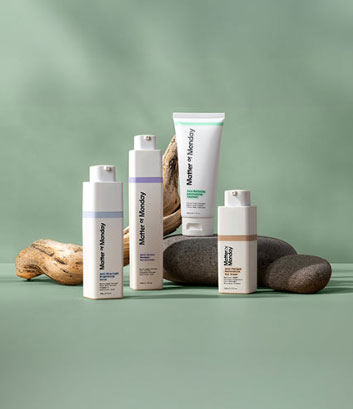
Vitamin C is popular for a reason. It helps brighten the skin, supports collagen, and helps protect against oxidative stress that can make skin look tired over time. Products like the Anti-Blue Light Brightening Serum focus on antioxidant support for skin exposed to long screen hours and everyday environmental stress.
2. Niacinamide for Keeping Your Skin Barrier Balanced
Niacinamide is basically the reliable all-rounder of skincare. It helps strengthen the skin barrier, calm visible redness, and improve uneven tone without feeling too harsh or irritating.
The Anti-Blue Light Brightening Serum combines niacinamide with rice bran extract and micro-algae extract to help support stressed-looking skin.
3. Ceramides for Dry or Stressed-Out Skin
If your skin often feels dry, tight, or irritated after long days indoors, ceramides can help. They support the skin barrier and help lock in moisture so skin feels healthier and more comfortable over time.
4. Resveratrol and Antioxidants for Early Aging Concerns
Antioxidants like resveratrol are often used in skincare focused on dullness, oxidative stress, and early visible aging concerns. They help support overall skin health while defending against everyday environmental stressors.
5. Green Tea, Aloe, and Chamomile for Calming Stressed Skin
Soothing botanical ingredients can help calm skin that feels tired, dehydrated, or irritated. The Anti-Stress Renewal Moisturizer uses ingredients like aloe, chamomile, and micro-algae extract to help hydrate and comfort stressed-looking skin without feeling heavy.
6. Micro-Algae and Rice Bran Extract for Screen-Heavy Lifestyles
Ingredients like micro-algae extract and rice bran extract are becoming more common in skincare designed for modern lifestyles filled with screens, indoor air, and pollution. The Anti-Blue Light Brightening Serum uses both ingredients to help support hydration, antioxidant protection, and overall skin barrier health.
7. Peptides and Caffeine for Tired-Looking Under-Eyes
For many people, screen fatigue shows up around the eyes first. Puffiness, dark circles, and tired-looking eyes are pretty common after long workdays in front of a laptop. The Anti-Fatigue Restorative Eye Cream uses peptides, caffeine, and rice bran protein to help refresh and support the under-eye area.
At the end of the day, protecting your skin from blue light is less about finding a miracle “screen-proof” product and more about supporting your skin with antioxidants, hydration, and healthy barrier care.
8. Iron Oxides in Tinted SPF for Extra Visible Light Protection
Iron oxides are commonly found in tinted mineral sunscreens and are often recommended for broader visible light protection. Unlike regular SPF formulas that mainly focus on UV rays, tinted SPF with iron oxides can also help defend against visible light exposure, especially for people dealing with pigmentation or uneven skin tone concerns.
A consistent routine with antioxidants, hydration, and barrier-supporting ingredients will usually do far more for your skin than stressing over every hour spent in front of a screen.
This also ties back to how ingredients like rice bran help with dull, fatigued skin, something we explore further in Tired Skincare: Discover How Rice Bran Revives Dull, Dry Skin.
Does Blue Light Affect Different Skin Types Differently?
Actually, yes. Your skin type can change how noticeable the effects of blue light exposure are. Some people may barely notice anything, while others might feel like their skin looks more dull, irritated, or uneven after spending long hours indoors and in front of screens.
1. Oily and Acne-Prone Skin Can Look More Inflamed
If your skin already produces excess oil or breaks out easily, it is probably more reactive to everyday stress. Long screen hours, lack of sleep, and indoor environmental stress can sometimes leave skin looking more irritated and tired over time.
2. Dry and Sensitive Skin Usually Feels It Faster
That tight, dull feeling after sitting in the AC all day? Dry and sensitive skin tends to react more quickly to environmental stressors, which can leave the skin barrier feeling dehydrated and uncomfortable.
3. Pigmentation Concerns May Become More Noticeable
This is where blue light gets talked about the most. Some experts believe visible light exposure may make melasma, post-acne marks, and uneven skin tone appear more noticeable over time.
4. Mature Skin Is Already Dealing With Collagen Loss
As skin naturally ages, it becomes less resilient to environmental stress. So when people ask, “Can blue light age your skin?”, the concern is usually bigger for skin already dealing with fine lines, dullness, and loss of firmness.
5. Deeper Skin Tones May React Differently to Visible Light
Some studies suggest deeper skin tones may be more prone to pigmentation changes triggered by visible light exposure. That does not mean screens are suddenly harmful, but it does make daily sunscreen and antioxidant support even more important.
At the end of the day, blue light is only one small part of the bigger picture. Your skincare routine, sleep, hydration, stress levels, and sun exposure will always play a much bigger role in how your skin looks and feels over time.
How Can You Protect Your Skin From Blue Light?
You do not need to completely avoid screens to keep your skin healthy. In reality, protecting your skin from blue light is more about maintaining healthy everyday habits than following a complicated “digital aging” routine.
Here are a few simple habits that can actually help:
-
Take regular breaks from screens: Spending hours in front of screens without breaks can leave your eyes and skin looking tired. Stepping away from your screen for a few minutes throughout the day can help reduce overall screen fatigue.
-
Avoid excessive late-night scrolling: Late-night screen habits can affect sleep quality, and poor sleep often shows up on the skin quickly. Reducing unnecessary screen time before bed may help your skin look more rested and balanced.
-
Prioritize good sleep: Your skin naturally repairs itself while you sleep. Consistent rest can help support healthier-looking skin, hydration, and overall skin barrier function.
-
Stay hydrated throughout the day: Dehydrated skin tends to look dull and stressed more easily. Drinking enough water daily can help support your skin’s overall appearance and comfort.
-
Manage everyday stress levels: Stress can impact your skin far more noticeably than screen exposure alone. Healthy routines, movement, and proper rest can all help support better overall skin health.
-
Stay consistent with your routine: A simple and consistent skincare routine usually works better than constantly trying new trends. Daily sunscreen, hydration, and basic skin barrier support will always matter more in the long run.
The goal is not to completely avoid blue light. It is to support your skin with healthier habits that fit into real everyday life.
What Are the Most Common Blue Light Skincare Myths People Misunderstand?
Blue light skincare has become one of the biggest beauty trends in recent years, but it is also one of the most misunderstood. From social media advice to skincare marketing claims, it is easy to get confused about what blue light actually does to the skin and whether blue light protection skincare products are truly necessary.
Here are some of the most common blue light skincare myths people often misunderstand and the reality behind them.
Myth: Screens expose your skin to more blue light than the sun
Reality: The sun is still the biggest source of blue light exposure. Phones, laptops, and tablets contribute far less intensity compared to natural daylight, even if you spend hours in front of screens daily.
Myth: Blue light blocking skincare products completely prevent skin damage
Reality: Most blue light skincare products are designed to support the skin barrier and reduce oxidative stress rather than completely block every effect of visible light exposure.
Myth: Only sensitive skin needs blue light protection skincare
Reality: Blue light exposure may affect multiple skin concerns, including dullness, dryness, and uneven tone across different skin types, not just sensitive skin.
Myth: Every sunscreen protects against visible light
Reality: Not all SPF formulas are designed for visible light defense. Mineral sunscreens with iron oxides are usually considered more effective for broader protection.
Myth: Blue light skincare can replace sunscreen
Reality: Blue light filter skincare should work alongside sunscreen, not replace it. Daily SPF is still one of the most important parts of any skincare routine.
Myth: Blue light skincare is just another marketing trend
Reality: Research around visible light and skin stress is still growing, especially in areas related to pigmentation and skin barrier health. However, blue light protection skincare works best as part of a balanced routine rather than a standalone fix.
The key is to treat blue light skincare as an extra layer of support instead of a complete solution.
Daily sunscreen, antioxidants, hydration, and healthy screen habits will always play a bigger role in maintaining healthy-looking skin.
Why People Are Connecting With Matter of Monday?
Ever look in the mirror after a long week and feel like your skin is just... tired?
Not necessarily breaking out. Not severely irritated. Just dull, stressed, dehydrated, and like it has been through way too many late nights and screen-heavy days.
That is exactly the kind of skin we had in mind when we created Matter of Monday.
We know modern life is not exactly skin-friendly. Most of us are juggling work, stress, screens, indoor air, inconsistent sleep, and busy schedules every single day. So instead of creating overly complicated skincare routines, we focus on simple products that help support stressed skin and keep your barrier healthy and balanced.
No fear-based skincare. No “perfect skin” pressure. Just skincare that fits into real life.
Ready to give your stressed-out skin a reset? Explore our collections today!
Final Words
Blue light can contribute to skin stress over time, but it is probably not as damaging as social media sometimes makes it sound. Factors like sun exposure, pollution, stress, and lack of sleep still play a much bigger role in premature aging and overall skin health.
The bigger focus should always be on maintaining healthy skin habits. A strong skin barrier, daily sunscreen, antioxidants, hydration, and a consistent routine will usually do far more for your skin than worrying about every hour spent in front of a screen.
And if your skin has been feeling dull, stressed, or tired lately, it may simply need skincare that fits the reality of modern life a little better.
Frequently Asked Questions
Do dermatologists recommend any specific routines to protect skin from blue light?
Most dermatologists recommend focusing on overall skin health instead of complicated blue light routines. Daily sunscreen, especially tinted mineral SPF with iron oxides, antioxidants, hydration, and limiting excessive screen exposure are usually considered enough for most people.
Can you reverse blue light damage on the skin?
Most impact of blue light is not permanent. Antioxidants, chemical peels, and barrier repair can help skin cells recover. Consistent care improves skin conditions, melanin balance, and overall skin’s natural barrier health.
Is blue light harming your skin health?
Blue light ages your skin slowly, but daily screen exposure is usually not enough on its own to cause major blue light aging skin changes compared to UV rays, lifestyle, and overall skin care habits.
Are there noticeable differences in skin health between people who use screens a lot and those who don't?
Heavy screen users may notice dullness or tired-looking skin, but differences are usually driven by sleep, stress, and hydration. Matter of Monday focuses on supporting skin under modern digital stress, not just blue light aging skin concerns.
Does screen time affect the appearance of wrinkles or dark spots?
Screen time may play a small role in uneven tone or tired-looking skin because of prolonged high-energy visible (HEV) light exposure. However, sun exposure remains a much stronger cause of wrinkles, pigmentation, and long-term visible aging.
Is it necessary to use skincare products with blue light protection for daily screen use?
Not usually. Sunscreen, antioxidants, and barrier care are enough since blue light ages skin far less than UV exposure. Matter of Monday focuses on simple routines that support skin against everyday digital stress.


