

Key Highlights
-
An effective anti-aging routine combines hydration, collagen support, antioxidant protection, and consistent daily care to help keep skin firm.
-
Visible skin aging is influenced by natural collagen decline, screen-heavy lifestyles, stress, and dehydration.
-
Prevention-focused skincare helps maintain firmer, smoother, and healthier-looking skin before visible signs of aging become more pronounced.
-
Skincare needs evolve with age, shifting from collagen support in your 30s to barrier repair and deeper hydration in later decades.
-
A streamlined routine with a cleanser, targeted serum, moisturizer, and SPF is easier to follow consistently and supports long-term skin health.
-
Adult acne and visible aging can be addressed together with lightweight, barrier-supporting, non-comedogenic formulations.
-
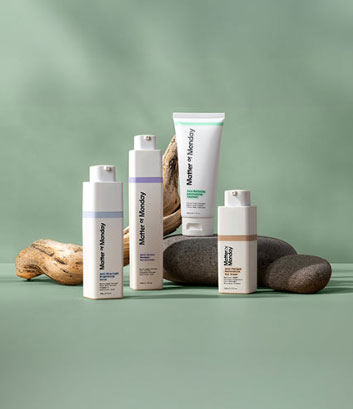
Matter of Monday follows a prevention-first philosophy, using clinically backed, clean, fragrance-free, vegan, cruelty-free, and sensitive skin-friendly formulations to support healthy skin through a simple four-step routine.
Somewhere between your third video call of the day and the moment you finally close your laptop, your skin has been quietly keeping score. Screen glare, recycled office air, a rushed skincare routine at 11 p.m., none of it feels dramatic in the moment, but it adds up. And one day you catch your reflection and wonder when exactly your skin started looking less like yours.
That question is usually what sends people searching for an anti-aging skin care routine in the first place. But most of what turns up online is either overly clinical or built for a version of daily life that doesn't match how most working women actually live: back-to-back meetings, constant screens, and just enough time in the morning to layer on three products, tops.
This guide breaks down what an effective anti-aging routine really needs to include, which ingredients are worth paying attention to, and how that routine should shift as your skin and your decade change.
What Should an Anti-Aging Skin Care Routine Actually Do?
Before choosing products, it helps to understand what an anti-aging routine is supposed to accomplish in the first place. A well-designed routine should protect collagen, maintain hydration, strengthen the skin barrier, defend against oxidative stress, and help reduce the appearance of fine lines over time.
Together, these functions help keep skin resilient and better equipped to handle the everyday factors that contribute to premature aging.
That means hydration, yes, but also antioxidant support, ingredients that help maintain collagen, and consistency. Skin changes over time due to both the natural aging process and the demands of modern life.
Long workdays, screen-heavy routines, stress, and lack of recovery can all contribute to skin looking tired, dull, and less resilient. A routine that only addresses fine lines after they appear is always going to be playing catch-up.
This is exactly why we created Matter of Monday. Instead of waiting for stress to show up as fine lines, dullness, or a weakened skin barrier, we take a prevention-first approach, helping support your skin before those visible signs become more noticeable. Every formula is designed to strengthen your skin's resilience against the everyday stressors of modern life, so your skin stays healthier, stronger, and better prepared for whatever the day brings.
What Actually Speeds Up Visible Skin Aging?

Fine lines, loss of firmness, and a duller complexion rarely appear overnight. They're usually the result of several factors compounding over months or years.
Some of the most common contributors include:
-
Declining collagen production, which naturally slows with age, reduces the skin's elasticity and structure
-
Chronic stress, which can affect how skin repairs and regenerates itself overnight
-
Screen exposure, since long hours in front of digital devices are associated with oxidative stress that may accelerate visible signs of aging
-
Dehydration, which makes fine lines more noticeable, and the skin appears less plump
For working women navigating long screen-heavy days, the second and third factors on that list are often the most overlooked. It's easy to think about sunscreen and forget that a laptop screen is part of your daily skin environment too. Matter of Monday's Digital-Age Skin Defense approach was built specifically around that blind spot, treating blue light and daily stress as seriously as it treats sun exposure.
Think your anti-aging products aren't delivering results? Your skin barrier could be the missing piece. Learn how to spot the warning signs in our guide to a damaged skin barrier.
Why Does Prevention Beat Correction When It Comes to Aging Skin?
There's a reason dermatologists increasingly talk about prevention rather than correction: by the time fine lines or a loss of firmness become noticeable, the underlying changes have usually been building for a while. Waiting to act until concerns are visible means you're always working to reverse damage instead of avoiding it.
This is the philosophy Matter of Monday was founded on. Instead of a routine centered on aggressive correctives, our approach is to defend skin early, using clinically supported ingredients that work with skin's natural processes rather than against them.
It's a subtle shift in mindset, but it changes what an effective routine looks like: less about chasing new concerns as they appear, and more about consistent, daily support that keeps those concerns from developing in the first place.
If you're still unsure whether to focus on prevention or correction, our guide breaks down the key differences and explains when each approach makes the most sense.
Which Ingredients Belong in the Best Anti-Aging Skin Care Routine?

Not every ingredient marketed as "anti-aging" is backed by meaningful evidence. The best anti-aging skin care routine relies on a small number of clinically studied actives used consistently, rather than a long list of trending ingredients rotated in and out.
Here are the ingredients Matter of Monday builds its formulas around, and why each one matters:
1. Pepha®-Age
Pepha®-Age® is the ingredient that sets Matter of Monday apart. This patented micro-algae extract is specifically designed to help defend skin against blue light exposure and the oxidative stress associated with prolonged screen time, a modern skin concern that many traditional anti-aging ingredients weren't developed to address. By helping protect against digital-age stressors, it supports a prevention-first approach to skincare that goes beyond addressing the visible signs of aging after they appear.
2. Matrixyl 3000®
A well-studied peptide complex that helps support the skin's natural collagen production, improving the appearance of firmness and smoothness over time. It's a staple of evidence-based anti-aging formulation rather than trend-driven ingredient marketing.
3. Syn®-Coll
Another collagen-supporting peptide, included to help promote resilience and structure as skin's natural collagen synthesis slows with age.
4. Sodium Hyaluronate
This lightweight humectant attracts and holds onto moisture, helping skin look plumper and more refreshed, particularly important since dehydrated skin tends to show fine lines more visibly.
5. Vitamin C and Rice Bran Seed Extract
Both help support a brighter, more even-looking complexion while offering antioxidant protection against everyday environmental stressors.
We at Matter of Monday carefully select these clinically studied ingredients because they deliver meaningful benefits, not because they're the latest skincare trend.
Even the best anti-aging routine performs better when your skin barrier is healthy. Discover practical ways to strengthen your skin barrier and support long-term skin health.
What Does an Anti-Aging Skin Care Routine Look Like, Step by Step?
Unlike traditional anti-aging routines that focus primarily on correction, Matter of Monday's routine is built around protecting skin before daily stressors have a chance to leave a visible mark. Each step is designed around when your skin needs support most.
|
Time of Day |
Routine |
Why It Matters |
|---|---|---|
|
Morning: Protect |
Apply the Anti-Blue Light Brightening Serum to a cleansed face, followed by the Anti-Stress Renewal Moisturizer, and finish with a broad-spectrum SPF. |
Start the day by helping defend your skin against blue light exposure and the oxidative stress associated with screen time before the workday begins. |
|
Midday: Reinforce |
On screen-heavy days, reapply the Anti-Blue Light Brightening Serum. |
Long hours in front of digital devices can increase cumulative blue light exposure. Reapplying helps reinforce your skin's defense throughout the day. |
|
Night: Recover |
Cleanse with the Pore-Refining Exfoliating Cleanser, follow with the Anti-Stress Renewal Moisturizer, and finish with the Anti-Fatigue Restorative Eye Cream. |
Remove the day's buildup, replenish hydration, support the skin barrier, and help your skin recover from the effects of daily stress while you sleep. |
Modern lifestyles place constant demands on your skin. Read our guide to understand how stress affects your complexion and how to support your skin with consistent daily care.
What Are the Most Common Anti-Aging Skincare Routine Mistakes?

Building an effective anti-aging routine isn't just about choosing the right ingredients. Everyday habits can influence how well your skincare performs. Avoiding these common mistakes can help keep your skin healthier, more resilient, and better supported over time.
-
Using too many active ingredients at once: More isn't always better. Layering multiple potent actives can overwhelm the skin, leading to irritation, dryness, and sensitivity instead of better results.
-
Expecting instant results: Anti-aging skincare works gradually. Improvements in hydration may appear quickly, but changes in skin firmness and the appearance of fine lines require several weeks or months of consistent use.
-
Over-exfoliating: Exfoliation helps remove dead skin cells, but doing it too often can weaken the skin barrier and leave skin feeling dry or reactive. Gentle, balanced exfoliation is far more effective in the long run.
-
Constantly switching products: Jumping from one trending ingredient to another makes it difficult to know what's working and gives your skin little time to adapt. Sticking with a consistent routine allows ingredients to deliver their full benefits.
-
Ignoring daily stressors: Long hours in front of digital devices, chronic stress, and inconsistent routines can all influence how your skin looks and feels. Choosing skincare that supports your skin through these everyday challenges can help maintain a healthier-looking complexion.
-
Overcomplicating your routine: A routine with too many steps can become difficult to maintain. In most cases, a simple routine you'll follow every day is more effective than a complicated one you use inconsistently.
Ultimately, the most effective anti-aging routine isn't the most complicated one. It's the one you can follow consistently, giving your skin the daily support it needs to stay healthier, stronger, and more resilient over time.
What Makes Matter of Monday's Approach to Anti-Aging Different?
Finding an anti-aging routine is easy. Finding one that's designed for the way people live today is much harder. Between long hours in front of screens, demanding schedules, and everyday stress, modern skin faces challenges that many traditional anti-aging routines weren't built to address.
That's where Matter of Monday is different. Our Digital-Age Skin Defense philosophy combines clinically studied ingredients with dermatologist-endorsed formulations to help support skin through the realities of modern life. Every formula is fragrance-free, vegan, cruelty-free, and gentle enough for sensitive skin, making it easier to build a routine that's both effective and comfortable to use every day.
Because the best anti-aging routine isn't just about addressing visible signs of aging, it's about choosing skincare that's designed to support your skin consistently, no matter what your day looks like.
Ready to build a routine around your skin's actual needs? Explore the Matter of Monday collection.
Conclusion
There's no single age when an anti-aging routine becomes necessary, and there's no version of this routine that requires ten steps to be effective. The best anti-aging routine isn't the one with the most products. It's the one you'll actually follow every day. What matters most is consistency: showing up for your skin the same way, every day, before stress, screen time, and time itself have a chance to leave a visible mark.
Whether you're building your first preventive routine in your 30s or refining an established one in your 60s, the goal remains the same: support the skin you have today so it's better prepared for tomorrow.
Frequently Asked Questions
What is the best skin care for anti-aging and acne?
The best skincare combines a gentle face cleanser, vitamin C serum, retinol serum, hyaluronic acid serum, and non-comedogenic skincare products suited to your skin type. This simple routine supports skin health, improves skin tone, balances oily skin, and reduces the appearance of fine lines.
What is the correct order for an anti-aging skincare routine?
With Matter of Monday, follow a Protect, Reinforce, Recover routine. In the morning, apply the Anti-Blue Light Brightening Serum followed by broad-spectrum SPF. On screen-heavy days, reapply the serum. At night, cleanse, moisturize, and finish with eye cream to support overnight recovery.
At what age should you start an anti-aging skincare routine?
Most people benefit from starting in their late 20s or early 30s, when the breakdown of collagen gradually begins. Using the right products, including sun protection, can help support youthful skin and reduce the appearance of future age spots.
Do you need retinol in an anti-aging routine?
Retinol can help stimulate collagen, improve skin cell turnover, and reduce the look of wrinkles, but it isn't essential for everyone. Many people achieve excellent results with hydrating, antioxidant-rich ingredients that support skin’s moisture for mature skin without causing irritation or dry skin.
Is vitamin C or retinol better for anti-aging?
Both have different benefits. Pure vitamin C (or ascorbic acid) helps neutralize free radicals, brighten dark spots, and improve uneven skin tone, while retinol supports collagen production and renewal. Used together correctly, they complement each other for healthier-looking skin.
How long does an anti-aging routine take to show results?
With daily use, improvements in hydration and radiance may appear within a few weeks, while firmer-looking skin and a reduced look of wrinkles often take two to three months. Consistency with the right products delivers the best long-term results.


