

Key Highlights
-
Stress increases cortisol, which can raise oil production, weaken the skin barrier, and make skin more reactive to inflammation and irritation.
-
Acne, eczema, psoriasis, rosacea, dehydration, sensitivity, and dullness are among the most common skin conditions linked to chronic stress.
-
Poor sleep, prolonged screen time, and inconsistent skincare can amplify the visible effects of stress on your skin.
-
Supporting the skin barrier consistently helps improve resilience and may reduce stress-related flare-ups over time.
-
Matter of Monday's prevention-first skincare system is formulated to strengthen the skin barrier and help protect against the effects of everyday stress and digital-age exposure.
You already know what a stressful week does to your energy, your sleep, and your patience. But have you noticed what it does to your skin?
For many working women, a stretch of back-to-back meetings, tight deadlines, and constant notifications doesn't just leave them mentally drained. It can also leave their complexion looking dull, reactive, or more prone to breakouts, even when their skincare routine hasn't changed. This is one of the most overlooked realities of modern skin health: stress and skin are more closely connected than many people realize.
Understanding the relationship between stress and your complexion is the first step toward building a routine that protects your skin before those effects have a chance to take hold. In this guide, we'll walk through how stress shows up on skin, which conditions it's most closely linked to, and the prevention-first habits that can help you stay ahead of it.
How Does Stress Actually Affect Your Skin?

When you're under pressure, your body releases cortisol, a hormone designed to help you respond to short-term challenges. The problem is that modern stress is rarely short-term. Deadlines roll into the next project. One long day turns into a long week. And your skin, which shares a direct biological connection with your nervous system, ends up absorbing the fallout.
Elevated cortisol doesn't just affect how you feel. It changes how your skin behaves, often in ways that build gradually rather than all at once. Some of the most common effects include:
-
Increased oil production, which can lead to congestion and more frequent breakouts
-
A disrupted repair cycle, making it harder for skin to recover overnight, the way it normally would
-
Weakened moisture retention, leaving skin feeling tighter or looking less plump
-
Greater reactivity, so skin becomes more prone to inflammation and slower to bounce back from everyday stressors like screen exposure or a harsh cleanser
It's part of why so many people notice their skin acting differently during stressful chapters of life, even when nothing else about their routine has changed.
This is exactly the problem Matter of Monday was created to solve. We're not a conventional skincare brand built around fixing concerns after they appear. Matter of Monday exists because modern skin faces modern stressors, and those stressors deserve a modern, prevention-first response.
Rather than waiting for stress to show up as dullness, sensitivity, or a compromised barrier, our philosophy is to support skin early, before daily pressure has a chance to leave a visible mark. It's a different starting point than most skincare brands take, and it shapes everything from the ingredients we choose to the way we think about a daily routine.
What Are the Most Common Stress-Related Skin Conditions?
Stress doesn't affect everyone's skin in the same way. For some people, it can trigger flare-ups of existing skin conditions, while for others, it causes temporary changes in the skin's appearance and feel. Recognizing these patterns can help explain why skin behaves differently during periods of ongoing stress.
A 2025 narrative review published in the National Library of Medicine found that chronic psychological stress can aggravate inflammatory skin conditions, including acne, atopic dermatitis (eczema), psoriasis, and rosacea.
The researchers explain that stress activates hormonal and immune pathways that weaken the skin barrier, increase inflammation, and make the skin more reactive to triggers.
While stress affects everyone differently, the table below outlines the most common skin concerns, why they occur, and how they typically appear.
|
Stress Effect |
Why It Happens |
What You Notice |
|---|---|---|
|
Acne |
Elevated cortisol levels can increase oil production and contribute to clogged pores. |
More frequent breakouts, especially along the jawline and chin. |
|
Eczema |
Stress can trigger inflammatory flare-ups and weaken the skin barrier. |
Increased itching, redness, dryness, and irritation. |
|
Psoriasis |
Emotional stress is a common trigger that can worsen symptoms. |
More frequent or more severe patches of thick, flaky skin. |
|
Rosacea |
Stress may increase skin sensitivity and trigger flushing. |
More noticeable facial redness, flushing, and sensitivity. |
|
Hives |
Stress can stimulate inflammatory responses in some people. |
Itchy, raised welts that appear suddenly. |
|
Dehydration |
Stress can weaken the skin barrier, making it harder to retain moisture. |
Skin feels tight, dry, and fine lines appear more noticeable. |
|
Dullness |
Ongoing stress can disrupt the skin's natural renewal process. |
A tired, lackluster complexion with reduced radiance. |
|
Sensitivity |
A compromised skin barrier becomes more reactive to external triggers. |
Skin may sting, feel irritated, or react to products that were previously well tolerated. |
The common thread across all of these is inflammation and barrier disruption. That's exactly why Matter of Monday takes a barrier-first approach rather than treating each concern in isolation.
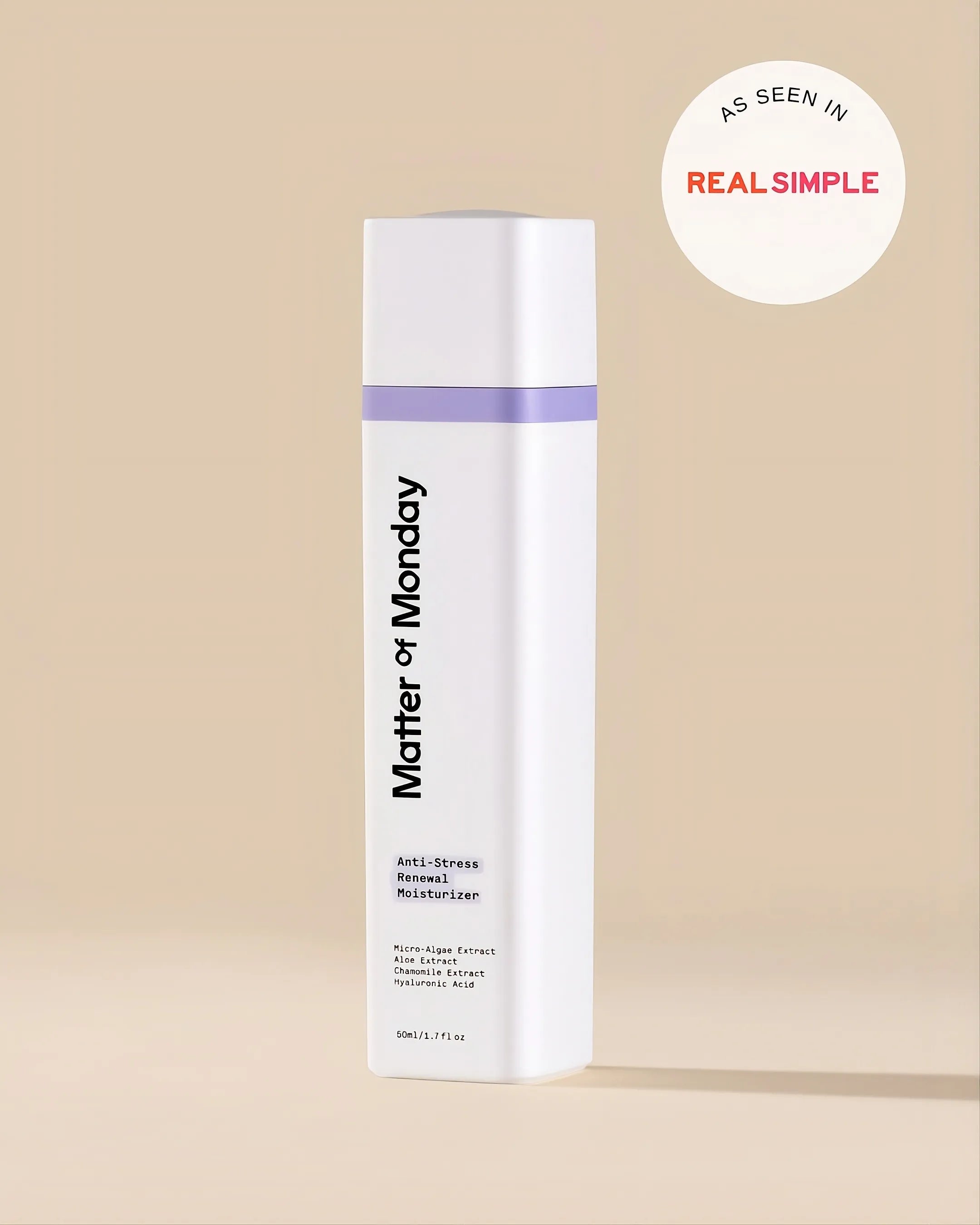
Instead of formulating around a single symptom, our Anti-Stress Renewal Moisturizer is designed to support the skin's overall resilience, so it's better equipped to handle whatever stress, deadlines, or long workdays bring.
Stress isn't the only modern factor affecting your skin. Learn how constant screen time contributes to skin fatigue in our guide on digital fatigue.
What Do Stress and Skin Problems Have to Do With Your Daily Habits?

Stress rarely acts alone. For most working women, it often comes alongside disrupted sleep, skipped meals, long hours in front of screens, and less time for consistent self-care. These everyday habits can amplify the effects of stress on the skin, making it more difficult for the skin barrier to stay balanced and resilient.
-
Poor sleep limits the time the skin has to repair itself overnight, making stress-related inflammation, dehydration, and a tired-looking complexion more noticeable.
-
Screen-heavy schedules increase exposure to blue light throughout the day, contributing to oxidative stress that can leave skin looking dull and fatigued over time.
-
Busy routines often push skincare to the bottom of the priority list, leading to skipped cleansing, inconsistent hydration, or missed recovery steps that help keep the skin barrier healthy.
On their own, each of these factors can place additional stress on the skin. Together, they can compound over time, making the visible effects of stress more difficult to ignore.
This is why Matter of Monday's approach goes beyond a single product. Our Digital-Age Skin Defense philosophy considers the full picture of modern life, not just one stressor in isolation, which is part of what makes the brand different from conventional skincare lines built around a single concern.
Wondering why your skin feels drier when life gets stressful? Learn how stress affects hydration and the skin barrier in our guide on can stress cause dry skin.
Are Stress-Induced Skin Conditions Reversible?
The encouraging news is that most stress and skin conditions are not permanent. Skin is remarkably responsive, and many stress-related concerns improve once the underlying pressure eases or once the skin barrier receives consistent support.
That said, waiting for stress to pass on its own isn't always realistic, especially during demanding seasons of work or life. This is where a prevention-first approach makes a meaningful difference. Rather than treating stress-related skin concerns only after they appear, supporting your skin barrier consistently can help it stay more resilient even during genuinely stressful stretches.
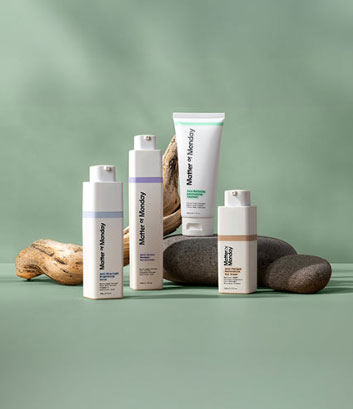
Matter of Monday's four-product routine was built around this idea. Instead of a complicated, ever-changing regimen, it offers a streamlined system that's easy to maintain even when your schedule isn't cooperating, which matters because consistency, not complexity, is what actually helps skin recover.
Long hours in front of digital devices can add another layer of stress to your skin. Explore practical ways to prevent blue light skin damage.
Does Stress Cause Skin Problems Around the Eyes First?
If you've ever noticed the skin around your eyes looking more tired, puffy, or fine-lined during a stressful week, you're not imagining it. The eye area is thinner and more delicate than the rest of the face, which means it's often the first place where stress-related skin problems become a visible reality rather than a hypothetical.
Poor sleep, screen fatigue, and cortisol-driven inflammation all tend to show up here first, contributing to puffiness, dullness, and a generally more fatigued appearance.
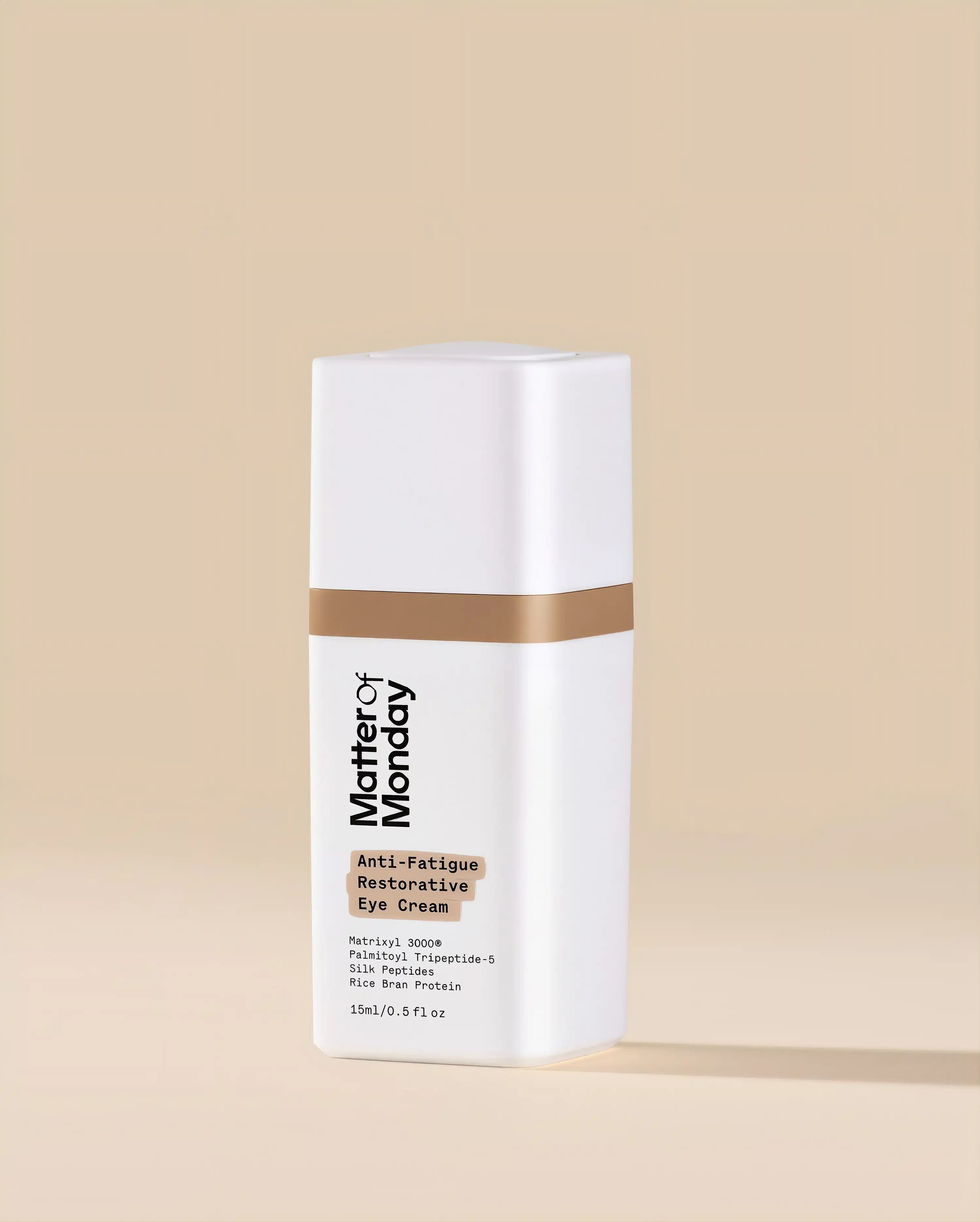
That's why Matter of Monday's Anti-Fatigue Restorative Eye Cream was formulated with a concentrated blend of peptides, proteins, and caffeine, designed to help support firmer, smoother-looking skin and reduce the appearance of puffiness in this particularly reactive area.
Which Ingredients Help Support Skin Against Stress?

At Matter of Monday, we believe in evidence-based skincare over trendy ingredient marketing. Every formula is built around clinically studied actives chosen for how they support skin during periods of stress and digital-age exposure.
-
Matrixyl 3000®: a peptide complex that helps support the skin's natural collagen production, particularly valuable when stress accelerates the appearance of fine lines and lost firmness.
-
Syn®-Coll: works alongside it to support skin's structural resilience, helping skin look firmer even during demanding periods.
-
Pepha®-Age: our signature micro-algae extract, developed to help defend skin against blue light and digital stress, addressing a category of skin stress that traditional formulas were never designed for.
-
Sodium hyaluronate: helps attract and retain moisture within the skin.
-
Chamomile extract: helps reduce inflammation and calm stressed skin.
-
Aloe: rich in vitamins, minerals, and anti-inflammatory properties, ideal for moisturizing and soothing skin that's feeling the effects of stress.
-
Caffeine: boosts microcirculation and helps reduce the appearance of dark circles and puffiness, particularly useful for the under-eye fatigue that stress tends to bring on first.
Together, these ingredients reflect Matter of Monday's broader positioning: clean, dermatologist-endorsed formulations that are fragrance-free, vegan, cruelty-free, and gentle enough for sensitive skin, without compromising on clinical performance.
Healthy skin starts long before visible concerns appear. Learn how a preventative skincare routine can help strengthen your skin against everyday stressors.
What Does a Stress-Resilient Skincare Routine Look Like?

Supporting your skin through stressful periods doesn't require an elaborate routine. Matter of Monday keeps skincare intentionally simple with a routine designed around the way modern workdays actually unfold, from the first screen check in the morning to winding down at night.
Morning: Protect
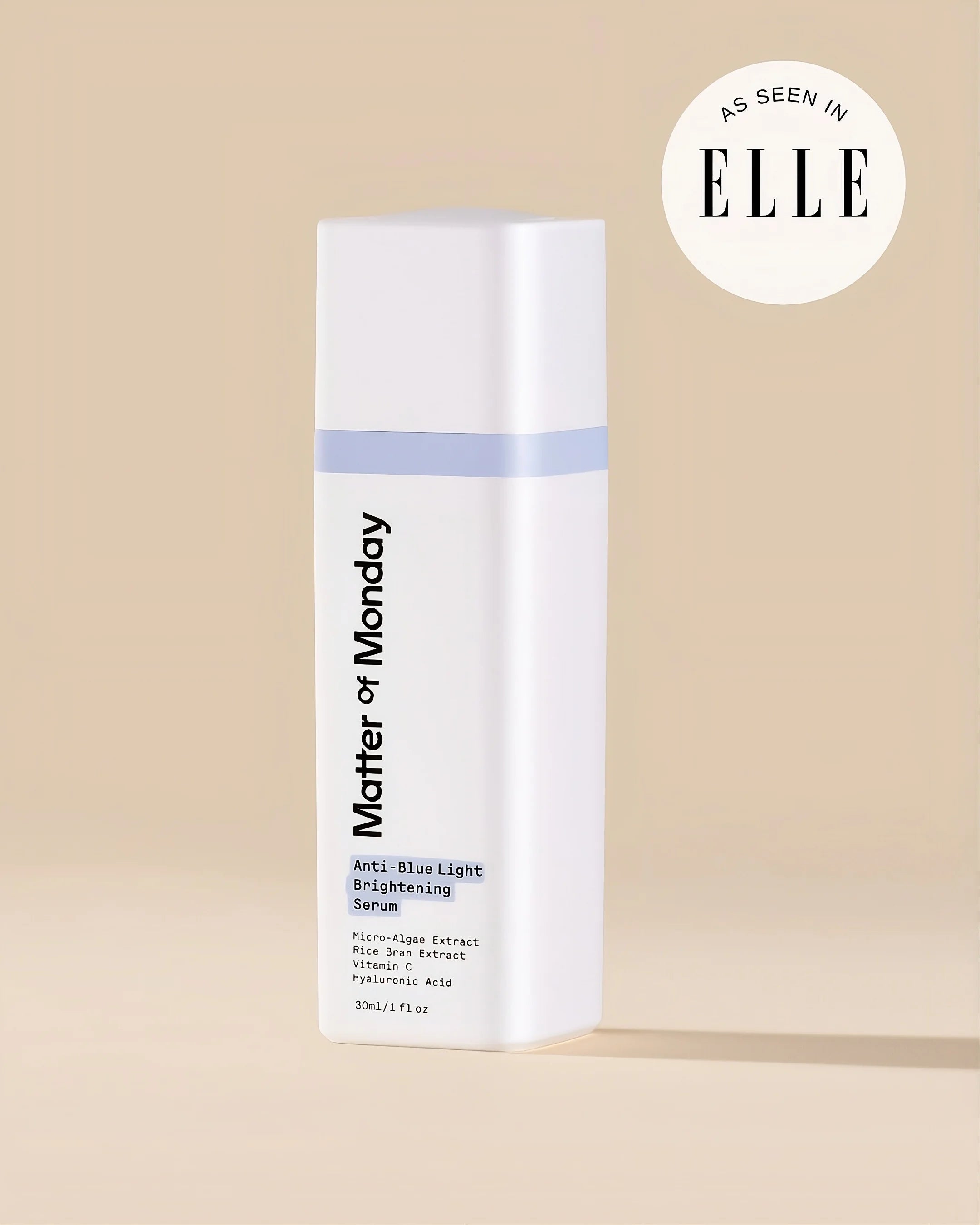
Start your day with the Anti-Blue Light Brightening Serum, formulated with Pepha®-Age to help defend your skin against blue light exposure and everyday digital stress before you begin your workday.
Midday: Reinforce
On screen-heavy days, reapply the Anti-Blue Light Brightening Serum to help reinforce your skin's defense against continued blue light exposure and the cumulative effects of digital stress. It's a simple step that helps keep your skin feeling supported throughout long hours at your desk.
Night: Recover
As your day comes to an end, shift your focus to recovery. Begin with the Pore-Refining Exfoliating Cleanser to remove makeup, sunscreen, excess oil, and daily buildup. Follow with the Anti-Stress Renewal Moisturizer to replenish hydration and support your skin barrier overnight. Finish with the Anti-Fatigue Restorative Eye Cream to nourish the delicate eye area while you sleep.
Designed specifically for busy, screen-filled lifestyles, Matter of Monday's routine focuses on protecting skin during the day, reinforcing its defenses when digital exposure is highest, and supporting overnight recovery. It's an effective routine that fits seamlessly into even the busiest schedule.
When Should You See a Dermatologist?
While many stress-related skin changes improve with consistent skincare and healthy lifestyle habits, some symptoms shouldn't be ignored. If your skin concerns persist, worsen, or begin affecting your daily life, it's a good idea to consult a dermatologist.
Consider seeking professional advice if you experience:
-
Acne that doesn't improve after several weeks of consistent skincare or leaves behind scarring.
-
Eczema, psoriasis, or rosacea flare-ups that become frequent, severe, or difficult to manage.
-
Persistent itching, hives, or rashes that don't resolve or continue to return.
-
Painful, swollen, or infected-looking skin lesions.
-
Sudden or widespread changes in your skin that appear without an obvious cause.
A dermatologist can determine whether stress is contributing to your symptoms, rule out other underlying skin conditions, and recommend treatments tailored to your skin's needs.
Even if stress is the primary trigger, a strong skincare routine still plays an important role. Supporting your skin barrier with gentle, clinically backed products can help improve resilience alongside any treatment plan, making your skin better equipped to handle the demands of everyday stress.
Why Trust Matter of Monday?
A lot of skincare marketed for "stressed" or "tired" skin leans on vague claims and trend-driven ingredients rather than anything backed by real formulation science. For skin that's already more reactive and sensitive, that's a gamble, not a solution.
Matter of Monday takes a different approach. Every formula is developed with board-certified dermatologists and built around clinically studied actives rather than whatever ingredient happens to be trending.
Products are kept fragrance-free, vegan, and cruelty-free, so they're gentle enough for the sensitivity that stress tends to bring on rather than adding another irritant to the mix. Explore the Matter of Monday collection to see the full lineup.
Conclusion
Stress is not going anywhere. Deadlines will keep coming, inboxes will keep filling, and some weeks will simply be harder than others. But your skin doesn't have to bear the full weight of it.
By understanding how stress shows up on skin and supporting your complexion before those effects build up, you can stay one step ahead, no matter how demanding your schedule gets.
You deserve to get through a hard week without your skin paying the price for it, and with the right support, you can look and feel like yourself again, even on the weeks that ask the most of you.
Frequently Asked Questions
Can stress cause skin problems?
Yes. Stress can contribute to several skin problems caused by stress by increasing inflammation, disrupting the skin barrier, and altering hormone levels. These changes can trigger or worsen conditions such as acne, eczema, rosacea, psoriasis, hives, and delayed wound healing.
How long does it take to recover from chronic stress?
Recovery from chronic stress varies by person. With consistent stress management, healthy lifestyle habits, and good mental health support, improvements may appear within weeks, while stress-related skin issues and hair loss, including telogen effluvium, can take several months to recover.
What does responding to stress do to the skin?
The stress response triggers the release of cortisol, increasing stress hormones that can weaken the epidermal barrier, increase inflammation, and dilate blood vessels. This may lead to dry skin, new breakouts, eczema flares, and other chronic skin conditions.
Can anxiety have the same effects on skin as physical stress?
Yes. Anxiety activates the body's stress response, raising cortisol levels and affecting the immune system much like physical stress. This can contribute to skin disease, acne, eczema flares, hair shedding, and other skin issues.
Are there simple ways to calm my skin if it's reacting to stress?
Yes. Practice stress management techniques such as deep breathing, prioritize sleep, drink plenty of water, use gentle skincare products, and maintain healthy habits. These steps support healthy skin, strengthen the epidermal barrier, and improve the overall health of your skin.
Why is Matter of Monday designed for stress-prone skin?
Matter of Monday is designed for modern lifestyles where stress, screen time, and long workdays affect skin. Its prevention-first formulas strengthen the skin barrier with clinically studied ingredients, helping skin stay resilient before visible signs of stress appear.
Which Matter of Monday products are best for stressed skin?
For stressed skin, Matter of Monday recommends the Anti-Blue Light Brightening Serum, Anti-Stress Renewal Moisturizer, and Anti-Fatigue Restorative Eye Cream. Together, they help defend against digital stress, replenish hydration, and support a healthier-looking complexion.
Is Matter of Monday suitable for sensitive or stress-reactive skin?
Yes. Matter of Monday products are developed with board-certified dermatologists and are fragrance-free, vegan, and cruelty-free. Their gentle, barrier-supporting formulas are designed to help sensitive, stress-reactive skin feel calmer, stronger, and more resilient over time.