

Key Highlights
-
Blue light from screens and LED lighting may contribute to dullness, pigmentation, and early signs of aging.
-
Blue light skincare focuses on antioxidants, barrier support, and visible light protection.
-
Iron oxides, vitamin C, niacinamide, and mineral SPF filters are the key ingredients to look for.
-
Tinted mineral sunscreens help provide better visible light protection than regular SPF alone.
-
Consistent antioxidant use matters more than complicated skincare routines.
-
Matter of Monday, EltaMD, Colorescience, SkinCeuticals, and La Roche-Posay are some of the standout brands in this category.
-
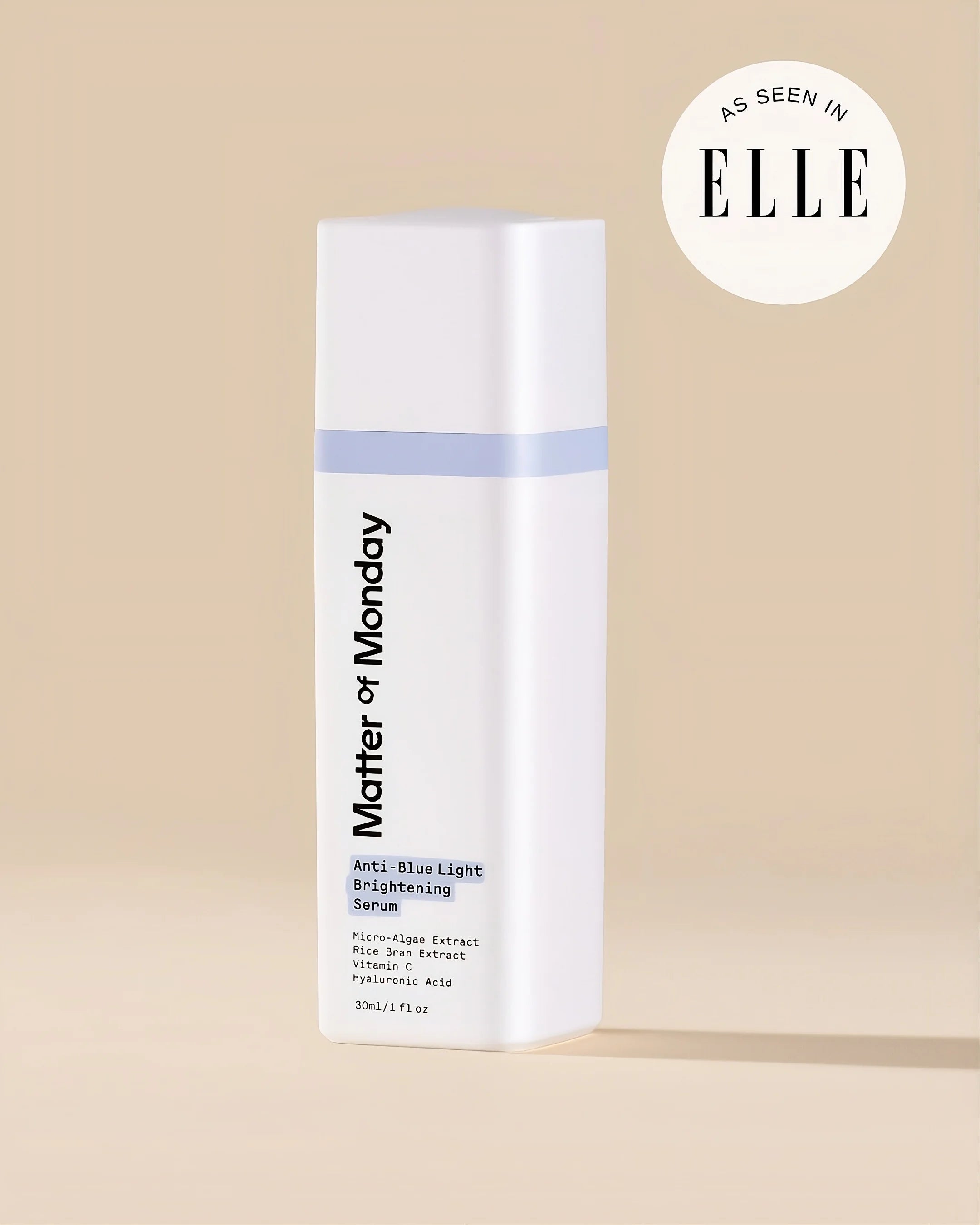
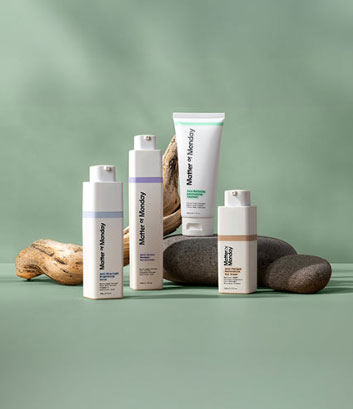
Matter of Monday focuses on lightweight, antioxidant-rich skincare designed for modern screen-heavy lifestyles.
If your screen time has quietly become “basically all day,” you have probably wondered whether blue light skincare is actually necessary or just another skincare trend. The truth is, blue light from phones, laptops, LED lighting, and the sun is not as damaging as UV rays, but some experts believe long-term exposure may still contribute to pigmentation, dullness, and early signs of aging.
And honestly, not every blue light skincare product deserves a spot in your routine. A lot of blue light protection skincare marketing sounds more dramatic than the research actually suggests.
In this guide, we will explain what blue light actually does to your skin, which ingredients may help, and how to build a simple routine that makes sense for a screen-heavy lifestyle.
Can Blue Light Damage Your Skin?

Here is where things get interesting. Your phone screen is not damaging your skin the same way direct sun exposure does, so there is no need to panic every time you open Instagram. But newer research suggests that prolonged blue light exposure may contribute to oxidative stress, hyperpigmentation, and premature skin aging in some people.
Blue light is actually part of visible light, sometimes called HEV (high-energy visible) light. It comes from the sun, digital screens, and LED lighting, although the sun remains the biggest source by far. That distinction matters because visible light exposure, especially in deeper skin tones, has been linked to pigmentation concerns in several studies.
For example, a 2023 review published in the Journal of Cosmetic Dermatology discussed how blue light exposure may accelerate skin aging and trigger pigmentation concerns through oxidative stress and free radical production. Researchers have also noted that these effects may be more noticeable in deeper skin tones that are already prone to hyperpigmentation.
Over time, that may show up as:
-
Dullness
-
Uneven skin tone
-
Hyperpigmentation
-
Fine lines
-
Early signs of aging
That is one reason blue light protection skincare has become so popular recently, especially among people already dealing with dark spots, melasma, or post-acne marks. The good news? You do not need a complicated routine. A few targeted skincare ingredients can go a long way in helping support and protect your skin.
Think your endless Zoom calls might be showing up on your skin? Read our guide on how screen-heavy workdays may affect your complexion and what you can do about it.
What Is Blue Light Skincare?
Blue light skincare, sometimes called anti-blue light skincare, refers to products formulated to help skin cope with modern environmental stressors like prolonged screen time, LED lighting, and urban pollution.
These products are not designed to completely block blue light from reaching your skin. Instead, they focus on helping skin stay calm, balanced, and better supported against everyday environmental exposure.
That is why many blue light protection skincare products include antioxidants, barrier-supporting ingredients, hydrating formulas, and mineral SPF filters that help maintain skin health, improve overall skin resilience, and support a more even, refreshed-looking complexion over time.
Do You Actually Need Blue Light Skincare?
Probably less than the internet makes it sound.
Most dermatologists agree that the biggest source of blue light exposure is still the sun, not your phone screen. That is also why daily sunscreen matters far more than panic-buying expensive “anti-blue light” products.
Where blue light skincare does become more relevant is for people already dealing with melasma, post-acne marks, or stubborn hyperpigmentation, especially deeper skin tones that are more reactive to visible light. In those cases, tinted mineral sunscreen with iron oxides tends to matter much more than fancy marketing claims around screen protection.
So realistically, you do not need a completely separate blue light skincare routine. You just need a routine that already supports your skin well.
Blue Light Skincare Products at a Glance
|
Product |
Best For |
Key Ingredients |
Texture |
Finish |
|---|---|---|---|---|
|
Matter of Monday Anti-Blue Light Brightening Serum |
Dullness, uneven tone, screen-heavy lifestyles |
Niacinamide, Micro-Algae Extract, Rice Bran Extract |
Lightweight serum |
Natural glow |
|
EltaMD UV Clear Tinted SPF 46 |
Sensitive and acne-prone skin |
Zinc Oxide, Niacinamide, Iron Oxides |
Lightweight lotion |
Slightly dewy |
|
Colorescience Sunforgettable Face Shield Flex SPF 50 |
Hyperpigmentation and visible light protection |
Zinc Oxide, Iron Oxides, Niacinamide |
Creamy fluid |
Glowy skin-like finish |
|
SkinCeuticals C E Ferulic |
Dullness and antioxidant support |
Vitamin C, Vitamin E, Ferulic Acid |
Lightweight fluid |
Natural finish |
|
La Roche-Posay Anthelios Mineral Tinted SPF |
Every day mineral SPF wear |
Zinc Oxide, Titanium Dioxide, Iron Oxides |
Thin fluid |
Soft natural finish |
|
Drunk Elephant C-Firma Fresh Day Serum |
Uneven tone and tired-looking skin |
Vitamin C, Ferulic Acid, Pumpkin Ferment |
Lightweight serum |
Radiant finish |
|
Paula’s Choice Resist Super-Light Daily Wrinkle Defense SPF 30 |
Oily and combination skin |
Zinc Oxide, Resveratrol, Antioxidants |
Silky lightweight cream |
Soft matte |
|
Supergoop! Daily Dose Vitamin C + SPF Serum |
Simplified morning routines |
Vitamin C, Kakadu Plum Extract, SPF Filters |
Fluid serum |
Glowy finish |
|
Biossance Squalane + Vitamin C Rose Oil |
Dry and dehydrated skin |
Vitamin C, Squalane, Rose Oil |
Lightweight facial oil |
Radiant glow |
|
ISDIN Eryfotona Ageless Tinted Mineral SPF |
Mature skin and daily SPF wear |
Zinc Oxide, Peptides, Antioxidants |
Lightweight cream |
Slightly dewy |
Which Are The 10 Best Blue Light Blocking Skincare Products That Are Actually Worth Trying?
Blue light skincare is everywhere right now, but not every product is worth the hype. The best formulas focus on antioxidants, barrier support, and visible light protection instead of dramatic marketing claims.
Here are the products beauty editors and dermatologists keep recommending:
1. Matter of Monday Anti-Blue Light Brightening Serum
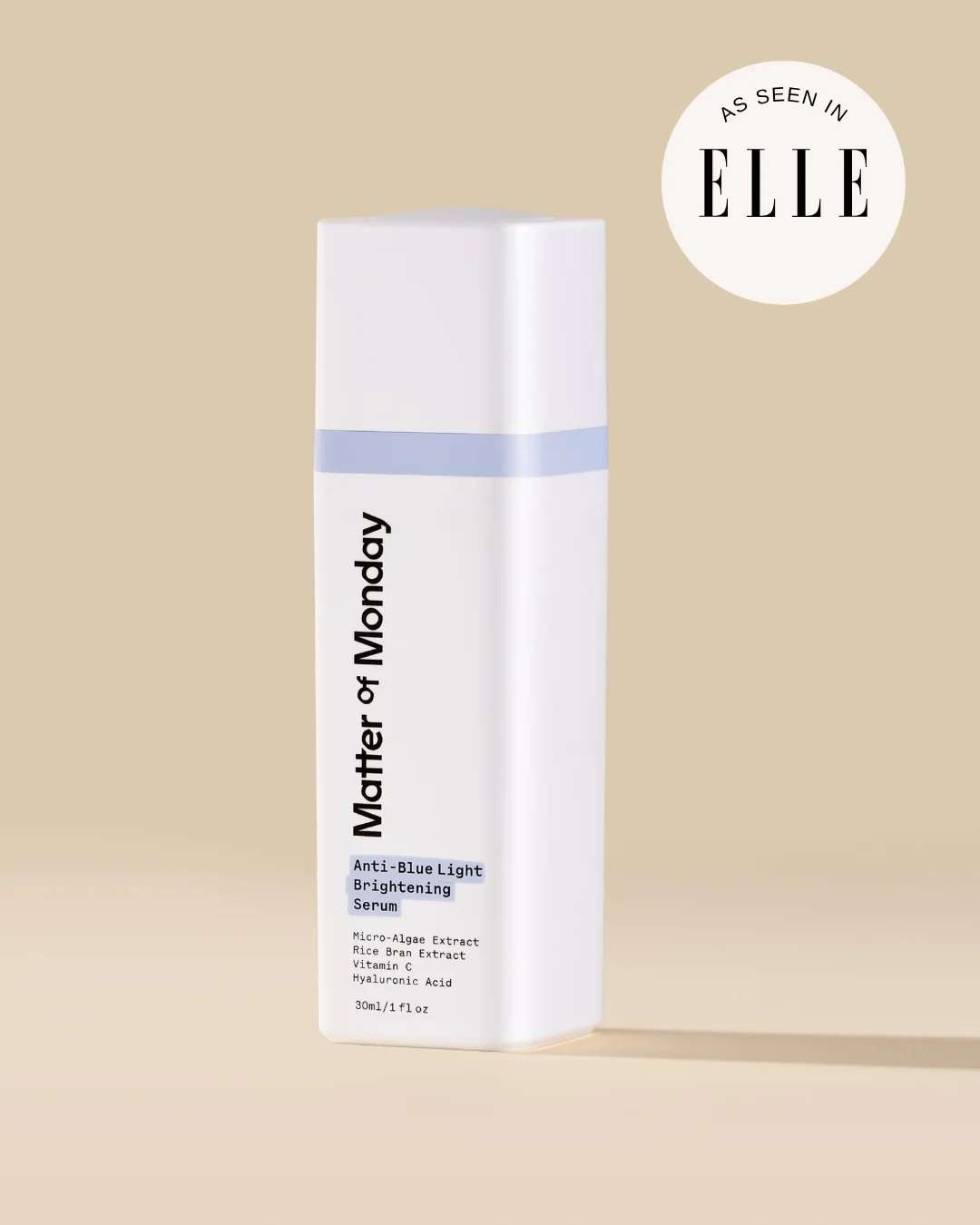
If your skin starts looking tired after a full day of emails, Zoom calls, and scrolling, this is the kind of serum that makes a lot of sense. Matter of Monday’s Anti-Blue Light Brightening Serum is made for modern skin stress, with a lightweight formula that helps skin look fresher, brighter, and a little more awake.
Key Ingredients:
-
Niacinamide
-
Rice Bran Extract
-
Micro-Algae Extract
-
Antioxidants
Why We Like It:
Some antioxidant serums feel too heavy for daytime or start pilling the second you layer sunscreen on top. This one stays lightweight, sinks in quickly, and gives skin a healthy glow without feeling greasy.
The niacinamide helps with uneven tone and barrier support, while the antioxidant-rich extracts help defend against environmental stress that can leave skin looking dull over time.
Texture: Lightweight, silky, and easy to layer. It wears especially well under SPF and makeup.
Best For:
-
Dull skin
-
Uneven tone
-
Everyday antioxidant support
-
Long screen-time days
Why It Earned a Spot on This List: It is the kind of serum you end up reaching for every morning because it feels easy, wearable, and genuinely good on the skin. And honestly, that is usually what makes a skincare product worth keeping around.
What People Are Saying
"I use it under my sunscreen every morning, It's lightweight, smooth, and doesn't interfere with sunscreen or makeup."
- Nicole C.
"I bought it mainly for the brightening benefit, and that's where I saw the results first. My skin tone looks more even. I use it every day now before I get in front of my computer every morning. I think it helps prevent the long term damage from the blue light."
- Morgan M.
Shop the Matter of Monday Anti-Blue Light Brightening Serum
2. EltaMD UV Clear Tinted SPF 46

Finding a sunscreen that feels good enough to wear every single day is hard enough. Finding one that also works well for redness, acne-prone skin, and pigmentation is even harder. That is probably why EltaMD UV Clear Tinted SPF 46 has such a loyal following among dermatologists and beauty editors alike.
Key Ingredients:
-
Zinc Oxide
-
Niacinamide
-
Hyaluronic Acid
-
Iron Oxides
Why We Like It:
The formula feels lightweight, calming, and surprisingly breathable for a tinted mineral sunscreen. Niacinamide helps reduce redness and support the skin barrier, while iron oxides add extra visible light protection that regular SPF formulas often miss.
It also layers beautifully under makeup without feeling thick or overly matte, which makes daily sunscreen application feel much less like a chore.
Texture: Lightweight, smooth, and slightly dewy with a natural-looking tint.
Best For:
-
Sensitive skin
-
Acne-prone skin
-
Redness and post-acne marks
-
Everyday SPF wear
Why It Earned a Spot on This List: Some sunscreens look great on paper but end up sitting untouched on your shelf after two weeks. This is not one of them. It is easy to wear, easy to reapply, and exactly the kind of SPF people actually stay consistent with.
3. Colorescience Sunforgettable Face Shield Flex SPF 50

Tinted sunscreen has officially entered its beauty-editor era, and this one keeps showing up everywhere for good reason. Colorescience Sunforgettable Face Shield Flex SPF 50 combines mineral sun protection with iron oxides and flexible pigment technology that helps the tint adapt more naturally to your skin tone.
Key Ingredients:
-
Zinc Oxide
-
Iron Oxides
-
Niacinamide
-
Antioxidants
Why We Like It:
A lot of mineral sunscreens still struggle with texture and finish, especially deeper shades that leave behind a visible cast. This formula feels much more polished. The tint blends in smoothly, evens out the complexion, and gives skin that healthy, slightly glowy finish without looking heavy.
The added iron oxides also make it a solid pick for people trying to protect against visible light exposure while dealing with pigmentation concerns.
Texture: Creamy at first, then blends into a lightweight skin-like finish with a natural glow.
Best For:
-
Hyperpigmentation
-
Melasma-prone skin
-
Every day visible light protection
-
People who prefer tinted SPF over foundation
Why It Earned a Spot on This List: It is one of those rare sunscreens that makes your skin look better the second you put it on, which usually means you are far more likely to wear it consistently.
Modern life might be aging your skin faster than you think. Read how stress, screen exposure, and everyday fatigue can quietly affect your skin barrier, glow, and overall complexion over time.
4. SkinCeuticals C E Ferulic Serum

There is a short list of skincare products that dermatologists actually use on themselves. This is one of them. SkinCeuticals C E Ferulic has been studied, cited, and recommended in clinical settings for long enough that its reputation is not built on marketing. It is built on results that keep showing up in practice.
Key Ingredients:
-
Vitamin C
-
Vitamin E
-
Ferulic Acid
Why We Like It: The combination of vitamin C, vitamin E, and ferulic acid is one of the most well-documented antioxidant blends in skincare research. It targets dullness and uneven tone over time, and the formula is stable enough to actually deliver results rather than oxidizing before it gets the chance.
Texture: Lightweight and slightly fluid with a natural finish. Best layered under moisturizer and SPF during the day.
Best For:
-
Dull skin
-
Uneven tone
-
Early signs of aging
-
Daily antioxidant support
Why It Earned a Spot on This List: There is a reason this serum keeps showing up in dermatologist offices and beauty editor routines year after year. It is one of the few antioxidant formulas that people genuinely stick with once they start using it, because they can actually see why.
5. La Roche-Posay Anthelios Mineral Tinted SPF

Mineral sunscreens are great in theory, but finding one that does not feel thick, chalky, or impossible to blend is another story. La Roche-Posay Anthelios Mineral Tinted SPF manages to feel lightweight while still offering solid everyday protection.
Key Ingredients
-
Zinc Oxide
-
Titanium Dioxide
-
Iron Oxides
-
Antioxidants
Why We Like It:
The texture feels much thinner and smoother than most mineral SPFs, which makes it easier to wear daily. The tinted finish helps soften the white cast mineral sunscreens are known for, while also adding extra visible light protection through iron oxides.
It also wears well under makeup and does not leave the skin feeling greasy halfway through the day.
Texture: Fluid, lightweight, and easy to blend with a soft, natural finish.
Best For:
-
Sensitive skin
-
Everyday SPF wear
-
People who prefer mineral sunscreen
-
Uneven skin tone and pigmentation concerns
Why It Earned a Spot on This List: Some mineral sunscreens feel like you are layering on a mask. This one feels much more like skincare, which makes daily sunscreen use feel far less intimidating.
6. Drunk Elephant C-Firma Fresh Day Serum

You know that feeling when you have been doing everything right, drinking water, sleeping enough, wearing SPF, and your skin still looks flat and uncooperative? That is where the Drunk Elephant C-Firma Fresh Day Serum tends to earn its place. It is not a gentle nudge. It is a more direct push toward brighter, more awake-looking skin.
Key Ingredients:
-
Vitamin C
-
Ferulic Acid
-
Vitamin E
-
Pumpkin Ferment Extract
Why We Like It: The vitamin C concentration is potent enough to actually shift uneven tone over time, and the pumpkin ferment adds a mild exfoliating effect that helps the formula work rather than just sit on the surface. For skin that has stopped responding to lighter antioxidants, this tends to be the step up that makes a visible difference.
Texture: Lightweight with a slightly silky finish that absorbs well into the skin.
Best For:
-
Dull skin
-
Uneven texture
-
Early signs of aging
-
Daily antioxidant support
Why It Earned a Spot on This List: It gives skin that healthy, well-rested glow people are usually trying to fake with makeup in the first place, which makes it much easier to justify keeping around.
7. Paula’s Choice Resist Super-Light Daily Wrinkle Defense SPF 30

Finding a tinted sunscreen that works for oily skin without turning into a greasy mess by noon can feel nearly impossible. Paula’s Choice Resist Super-Light Daily Wrinkle Defense SPF 30 gets the balance right with a lightweight mineral formula that feels comfortable, breathable, and surprisingly elegant on the skin.
Key Ingredients
-
Zinc Oxide
-
Antioxidants
-
Resveratrol
-
Vitamin C Derivatives
Why We Like It:
The soft-tinted finish helps blur uneven tone while the antioxidant-rich formula supports the skin throughout the day. Unlike heavier mineral sunscreens, this one feels lightweight enough for daily wear and sits especially well under makeup.
The slightly matte finish also makes it a great option for people who usually avoid sunscreen because of excess shine.
Texture:
Lightweight and silky with a soft matte finish.
Best For:
-
Oily skin
-
Combination skin
-
Everyday sunscreen wear
-
People who dislike greasy SPF textures
Why It Earned a Spot on This List: It is one of those sunscreens that quietly becomes part of your routine because it simply makes your skin look good without requiring extra effort.
Stress can quietly affect your skin in ways you may not notice immediately. From dullness and dehydration to redness and breakouts, this guide explores how everyday stress impacts your complexion and the skincare habits that help support healthier-looking skin.
8. Supergoop! City Sunscreen Serum SPF 30

Some sunscreens feel like a separate step you have to force yourself to wear every morning. This one feels much more like skincare first, which is probably why people end up using it consistently.
Supergoop! City Sunscreen Serum SPF 30 combines lightweight hydration, SPF protection, and antioxidant support in a formula that feels breathable enough for everyday wear, especially if heavy sunscreens usually annoy you halfway through the day.
Key Ingredients:
-
SPF Filters
-
Vitamin E
-
Antioxidants
-
Hydrating Serum Complex
Why We Like It:
The texture feels more like a lightweight serum than a traditional sunscreen, which makes it especially nice for layering under makeup or wearing on minimal skincare days.
It gives the skin a healthy, fresh-looking finish without feeling greasy or overly shiny, and the antioxidant support makes it a good fit for screen-heavy lifestyles and everyday environmental exposure.
Texture:
Lightweight, fluid, and comfortable with a natural glowy finish.
Best For:
-
Everyday SPF wear
-
Dry and normal skin types
-
Minimal morning routines
-
People who dislike thick sunscreen textures
Why It Earned a Spot on This List: It is one of those sunscreens that quietly becomes part of your routine because it feels easy, lightweight, and genuinely pleasant to wear every day.
9. Biossance Squalane + Vitamin C Rose Oil

Most morning skincare is functional by design. Cleanse, treat, protect, done. This one actually makes the routine feel like something you want to do. A few drops warm between your palms, press into the skin, and there is an immediate softness that makes everything after it sit better.
Key Ingredients:
-
Vitamin C
-
Squalane
-
Rose Oil
-
Antioxidants
Why We Like It: The squalane mimics the skin's own oils closely enough that it absorbs without greasiness, while the vitamin C works quietly underneath for brightness and even tone over time. Despite being an oil, it layers well under SPF and does not feel heavy once it sinks in.
Texture: Silky, lightweight oil with a radiant finish.
Best For:
-
Dry skin
-
Dehydrated skin
-
Dullness
-
Skin lacking radiance
Why It Earned a Spot on This List: It is the kind of product you notice after a few weeks, not the next morning, which usually means the results are real rather than a temporary surface effect.
10. ISDIN Eryfotona Ageless Tinted Mineral SPF

If you like your sunscreen to feel more like skincare than a thick layer sitting on top of your face, this formula delivers exactly that. ISDIN Eryfotona Ageless Tinted Mineral SPF combines mineral sun protection with peptides and antioxidants in a texture that feels lightweight enough for everyday wear.
Key Ingredients:
-
Zinc Oxide
-
Peptides
-
Antioxidants
-
Vitamin E
Why We Like It:
The formula feels comfortable, breathable, and hydrating without crossing into greasy territory. The tinted finish helps even out the complexion while antioxidants and peptides support smoother, healthier-looking skin over time.
It is also one of those SPFs that layers surprisingly well under makeup without pilling or feeling heavy halfway through the day.
Texture:
Lightweight, smooth, and slightly dewy with a natural skin-like finish.
Best For:
-
Mature skin
-
Dry and normal skin types
-
Everyday SPF wear
-
People who prefer skincare-like sunscreen textures
Why It Earned a Spot on This List: It feels polished, easy to wear, and expensive in the best way possible, which makes daily sunscreen application feel a lot less like a skincare chore.
Which Ingredients Should You Look For in Blue Light Skincare?

Not every product labeled “blue light skincare” is actually doing much for your skin. The formulas that stand out usually focus on antioxidant support, skin barrier health, and ingredients that help skin handle visible light exposure more effectively over time.
And if there is one category dermatologists consistently point to for visible light protection, it is tinted mineral sunscreen with iron oxides. That combination is considered especially important for people dealing with hyperpigmentation, melasma, or post-acne marks.
Here are the ingredients worth looking for:
1. Iron Oxides
If hyperpigmentation, melasma, or post-acne marks are already concerns for you, this is one of the most important ingredients to know. Iron oxides, commonly found in tinted sunscreens, help protect against visible light exposure and are especially helpful for deeper skin tones that are more prone to discoloration.
2. Vitamin C
Vitamin C remains one of the most reliable antioxidant ingredients in skincare. It helps support brighter-looking skin, improve overall skin tone, and defend against free radical damage caused by everyday environmental exposure.
3. Niacinamide
Niacinamide is popular for a reason. It helps strengthen the skin barrier, calm redness, support oil balance, and improve uneven-looking skin without feeling harsh or irritating.
4. Zinc Oxide and Titanium Dioxide
These mineral sunscreen filters are mainly known for UV protection, but they also help provide added support against visible light exposure, especially when combined with iron oxides in tinted SPF formulas.
5. Green Tea Polyphenols and Algae Extracts
Green tea polyphenols and algae-derived antioxidants help support skin exposed to pollution, stress, and environmental aggressors throughout the day. They are commonly included in blue light protection skincare because they help skin stay calmer, healthier-looking, and better balanced over time.
6. Licorice Root Extract
Licorice root is often included in skincare targeting uneven tone and discoloration because it helps visibly brighten the skin while supporting a calmer, more even-looking complexion. It works especially well alongside antioxidants and sunscreen in routines focused on pigmentation concerns.
7. Tranexamic Acid
Tranexamic acid has become increasingly popular in skincare designed for stubborn dark spots and melasma-prone skin. It helps support a more even-looking complexion and is often paired with niacinamide or vitamin C in routines focused on discoloration.
8. Melanin-Supporting Antioxidants
Skin naturally relies on melanin as part of its defense system against visible light exposure. Antioxidants that help support healthier melanin balance can be especially useful for skin tones more prone to lingering discoloration and uneven tone after inflammation or sun exposure.
The takeaway? Blue light skincare is less about finding one miracle product and more about choosing ingredients that help keep your skin supported, resilient, and comfortable in the middle of modern environmental stress.
Rice bran might sound simple, but it is packed with antioxidants, amino acids, and vitamins that help brighten dull skin, support the skin barrier, and lock in hydration. Read how this rice bran helps stressed, tired-looking skin feel noticeably fresher and healthier.
How Do You Actually Build a Blue Light Skincare Routine?
If your current skincare routine already includes antioxidants and sunscreen, you are probably doing more right than you think. Blue light skincare is less about buying an entirely new lineup of products and more about choosing formulas that support stressed, screen-exposed skin.
In the Morning, Focus on Protection
This is where antioxidant serums really earn their spot in your routine. A lightweight vitamin C or niacinamide serum helps support the skin against everyday environmental stress while also keeping dullness and uneven tone from taking over by midweek.
Follow that with a moisturizer that keeps the skin barrier comfortable and hydrated throughout the day. Skin that is dehydrated or irritated tends to look tired much faster, especially after long hours indoors.
Then comes the step that matters most: sunscreen. And ideally, a tinted one. Mineral SPFs with iron oxides are usually the formulas that beauty editors and dermatologists recommend most for visible light protection. They go beyond basic UV coverage and work well alongside blue light filter skincare routines.
At Night, Think Recovery Instead of “Defense”
Nighttime skincare should feel less aggressive and more restorative. After a full day of sunscreen, makeup, pollution, and screen exposure, the goal is simply to help the skin reset.
A gentle cleanse, hydrating serum, barrier-supporting moisturizer, and maybe a peptide or ceramide cream is usually more than enough. This is not the time for throwing five strong actives on your face and hoping for the best.
The Biggest Mistake? Doing Too Much
One of the easiest ways to overwhelm your skin is to treat every new skincare concern like it needs a completely separate routine. Blue light skincare works best when it fits naturally into the products you are already using consistently.
Because realistically, the best skincare for blue light exposure is usually the routine you genuinely enjoy using every day.
Final Thoughts
Blue light skincare is not really about building a completely separate routine just because you spend a lot of time around screens. In most cases, the same things dermatologists already recommend, like antioxidants, barrier-supportive ingredients, and consistent tinted SPF with iron oxides, are already doing most of the work.
The goal is simply to support your skin through everyday modern stress, not overload it with complicated “anti-blue light” products you probably will not use consistently anyway.
Frequently Asked Questions
Is there skincare that protects against blue light?
Yes. Skincare products with antioxidants, barrier-supporting ingredients, and tinted mineral SPF with iron oxides can help support skin exposed to blue light from digital devices, indoor lighting, and other parts of the visible light spectrum.
What is the blue light that dermatologists use?
Dermatologists use blue light therapy mainly for acne treatment. This short wavelength light targets acne-causing bacteria on the skin without using ultraviolet light, making it different from the visible blue light emitted by electronic devices and digital screens.
Do dermatologists recommend blue light therapy?
Yes. Dermatologists often recommend blue light therapy for acne because it helps reduce bacteria and inflammation. Unlike excessive exposure to artificial blue light from digital screens, controlled treatments are designed to support skin health without significantly damaging surrounding skin cells.
What protects against blue light skin?
Tinted mineral sunscreen with iron oxides offers some of the best protection against visible blue light exposure. Antioxidants like vitamin C, niacinamide, green tea polyphenols, and algae extracts also help support skin against environmental stress and discoloration.
Does blue light skincare work?
To a degree, yes. Blue light skincare is designed to help reduce the generation of free radicals and support skin exposed to artificial lighting, digital devices, and prolonged levels of blue light throughout the day.
Is blue light treatment good for skin?
Yes, blue light treatment can help treat acne by targeting acne-causing bacteria on the skin. Dermatologists commonly use controlled blue light therapy to reduce inflammation and breakouts without exposing the skin to harmful ultraviolet light or UVB rays.
Can blue light cause hyperpigmentation?
Yes. Research suggests prolonged exposure to blue light, which is part of the visible light spectrum, may worsen hyperpigmentation and uneven skin tone, especially in deeper skin tones already prone to discoloration.