

Key Highlights
-
Stress doesn't just affect your mood. It can also show up on your skin as breakouts, dryness, puffiness, redness, or increased sensitivity.
-
Cortisol skin isn't a medical diagnosis, but chronic stress can disrupt the skin barrier and trigger inflammation.
-
If your skin suddenly looks tired, reactive, or unlike itself, stress may be playing a bigger role than you realize.
-
Skin concerns linked to stress often build gradually, making early, consistent care especially valuable.
-
Stressed skin tends to respond best to gentle, barrier-supporting ingredients rather than aggressive, multi-step routines.
-
Prioritizing hydration, soothing ingredients, and a simple routine can help keep cortisol-stressed skin looking healthier and more resilient.
-
Matter of Monday combines a prevention-first philosophy with fragrance-free, vegan, and dermatologist-backed formulas designed to support skin through the pressures of modern life.
If your skin has been looking dull, puffy, or more breakout-prone lately, despite sticking to your usual routine, stress could be the missing piece. Between back-to-back Zoom calls, overflowing inboxes, tight deadlines, and hours spent in front of screens, today's always-on work culture can take a visible toll on your complexion.
That's where the term cortisol skin comes in. Popular on social media, it describes the skin changes many people notice during periods of prolonged stress, from unexpected breakouts and increased sensitivity to dryness and tired-looking skin.
While cortisol skin isn't an official medical diagnosis, experts know that chronic stress can affect skin health in very real ways. Because these changes often develop gradually, taking a prevention-first approach to skincare may help support stressed skin before concerns become more noticeable.
Ahead, we're breaking down what cortisol skin really is, what causes it, and how to keep stress from showing up on your skin.
What Is Cortisol Skin?
"Cortisol face" and "cortisol skin" are social media terms used to describe the visible effects of chronic stress on the skin. While it's not an official medical diagnosis, experts agree that prolonged stress can have a real impact on skin health.
The term comes from cortisol, the body's primary stress hormone. When stress levels stay elevated for long periods, whether from demanding work schedules, poor sleep, or constant digital overload, it can trigger inflammation, weaken the skin barrier, and disrupt your skin's natural repair process.
The result? You may notice more breakouts, dullness, dryness, sensitivity, or even early signs of aging, despite following your usual skincare routine.
It's also changing the way many of us approach skincare. Preventive skincare brands like Matter of Monday recognize that today's skin is dealing with more than occasional stress, which is why the focus is shifting toward prevention, not just repair.
Why Is Cortisol Skin More Common Today?
Stress has always been part of life, but today's stress looks a little different.
For many of us, the workday doesn't end when we log off. It's the constant stream of emails, back-to-back Zoom calls, Slack notifications, and hours spent in front of screens. Add poor sleep and packed schedules into the mix, and it's easy to see why skin can start looking tired, dull, or more reactive.
In fact, research published in the National Library of Medicine found that psychological stress can alter skin barrier function, making skin more vulnerable to dryness, irritation, and sensitivity.
Because cortisol-stressed skin is often more reactive and sensitive, choosing gentle skincare becomes especially important. That's why Matter of Monday formulates products that are fragrance-free, vegan, cruelty-free, and designed to be gentle enough for sensitive skin, helping support stressed skin without compromising on efficacy.
What Does Cortisol Skin Look Like?

If you've ever looked in the mirror after a particularly stressful week and wondered, "Why does my skin suddenly look so tired?" cortisol could be part of the reason.
Cortisol skin can show up in a few different ways. You may notice:
-
Unexpected breakouts or acne flare-ups
-
Dull, tired-looking skin that lacks its usual glow
-
Dryness and dehydration
-
Puffiness, especially around the eyes
-
Increased redness or sensitivity
-
Fine lines or loss of firmness that seem more noticeable than usual
The tricky part? These changes don't always happen overnight. Stress-related skin concerns tend to build gradually, making them easy to brush off as lack of sleep, seasonal changes, or simply getting older.
This is where a prevention-first approach can make a difference.
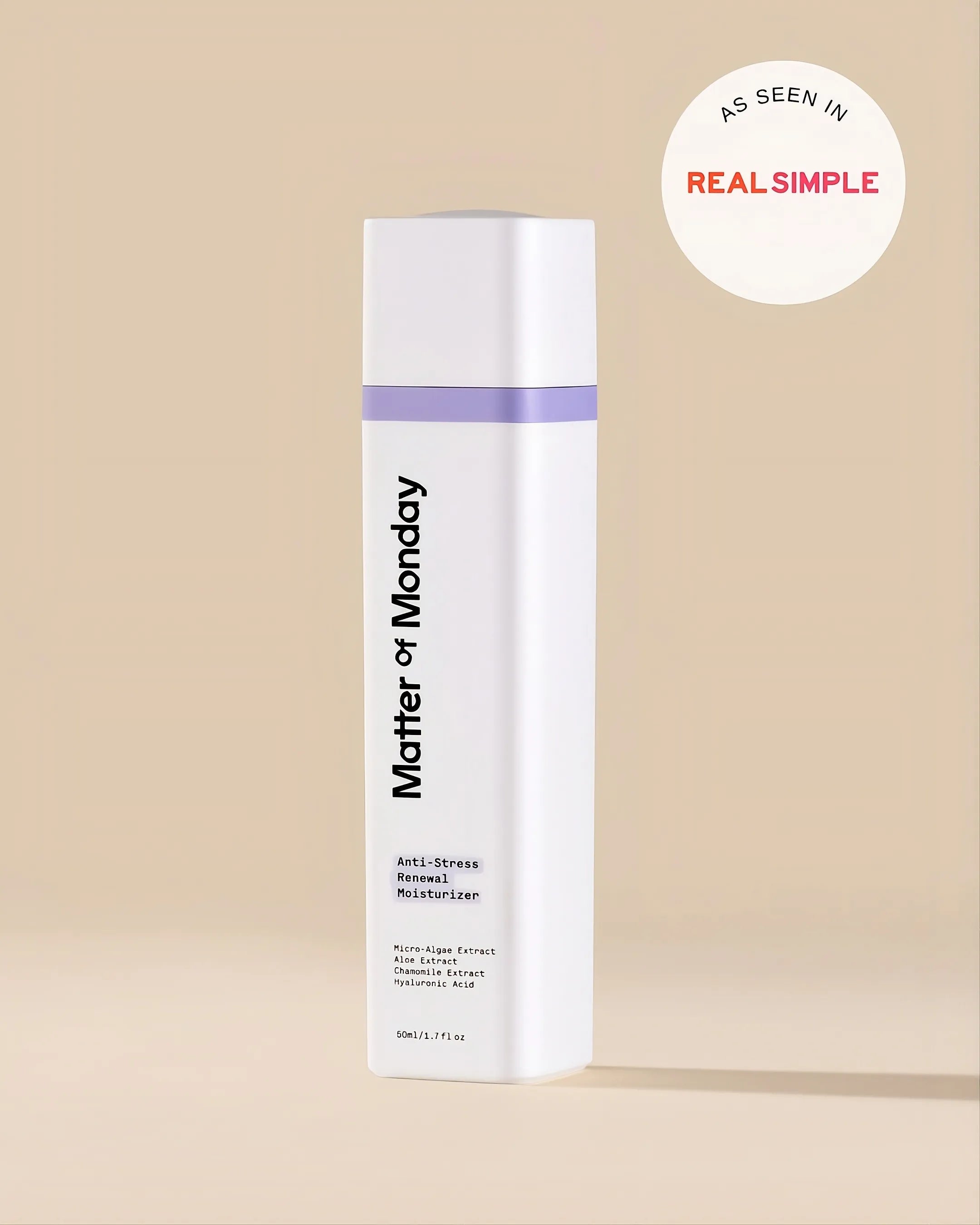
If your skin is starting to look dull, dehydrated, or more reactive than usual, products like Matter of Monday's Anti-Stress Renewal Moisturizer can help support stressed skin before these concerns become more pronounced.
Is Cortisol Skin Temporary or Long-Term?
In most cases, cortisol skin is temporary. Stress-related changes such as breakouts, redness, excess oil, or dryness often improve once cortisol levels return to their normal range.
The key factor is whether the stress is short-term or ongoing. A stressful week may trigger a temporary flare-up, while chronic stress can contribute to more persistent issues, including recurring breakouts, barrier disruption, and prolonged inflammation.
Experts generally view cortisol skin as a reflection of what's happening internally rather than a permanent skin condition. As stress levels become better managed and the skin barrier recovers, symptoms often begin to improve.
Of course, cortisol isn't the only factor that can influence how skin ages. From screen time to sleep habits, modern lifestyles expose our skin to a range of everyday stressors. Learn more in our guide to whether modern life is accelerating the aging process.
What Are the Skin Conditions That May Be Worsened by Elevated Cortisol?

If you've ever noticed your skin acting up during a stressful period, you're not imagining it. While stress isn't usually the root cause of skin conditions, elevated cortisol levels may make existing concerns harder to manage.
Common conditions that may flare up during periods of chronic stress include:
-
Acne: Elevated cortisol may increase oil production, leading to clogged pores, breakouts, and blemishes.
-
Eczema: Stress can contribute to increased dryness, itching, and irritation, making eczema symptoms more difficult to control.
-
Rosacea: Many people with rosacea notice more redness, flushing, and sensitivity during stressful periods.
-
Psoriasis: Emotional and physical stress are common triggers for psoriasis flare-ups and may worsen existing symptoms.
-
Seborrheic Dermatitis: Stress is often associated with increased flaking, irritation, and inflammation around the scalp, eyebrows, and sides of the nose.
The common thread across these conditions is inflammation. When stress becomes chronic, it may create an environment where existing skin concerns are more likely to flare up or linger longer than usual.
Noticing more breakouts during stressful periods? Dive deeper into the connection between stress and acne with our guide to stress acne and the skincare habits that can help keep flare-ups in check.
How Does Matter of Monday Support Cortisol-Stressed Skin?
Traditional skincare ingredients can certainly help hydrate, soothe, and repair the skin. But cortisol skin presents a unique challenge. Chronic stress can trigger inflammation, weaken the skin barrier, and leave skin looking dull, dehydrated, and fatigued.
That's why, at Matter of Monday, we focus on ingredients that address the specific ways stress shows up on the skin.
1. Chamomile to Calm Stressed, Reactive Skin
One of the first signs of cortisol skin is often increased sensitivity. Skin that once felt balanced may suddenly become reactive, red, or easily irritated.
Found in our Anti-Stress Renewal Moisturizer, Chamomile helps soothe stressed, reactive skin and calm visible redness. If your complexion tends to flare up during busy workweeks or stressful periods, calming ingredients like Chamomile can help restore balance and comfort.
2. Pepha®-Age® to Protect Against Modern Stressors
Cortisol skin isn't just driven by emotional stress. For many professionals, long hours spent in front of screens have become another daily stressor.
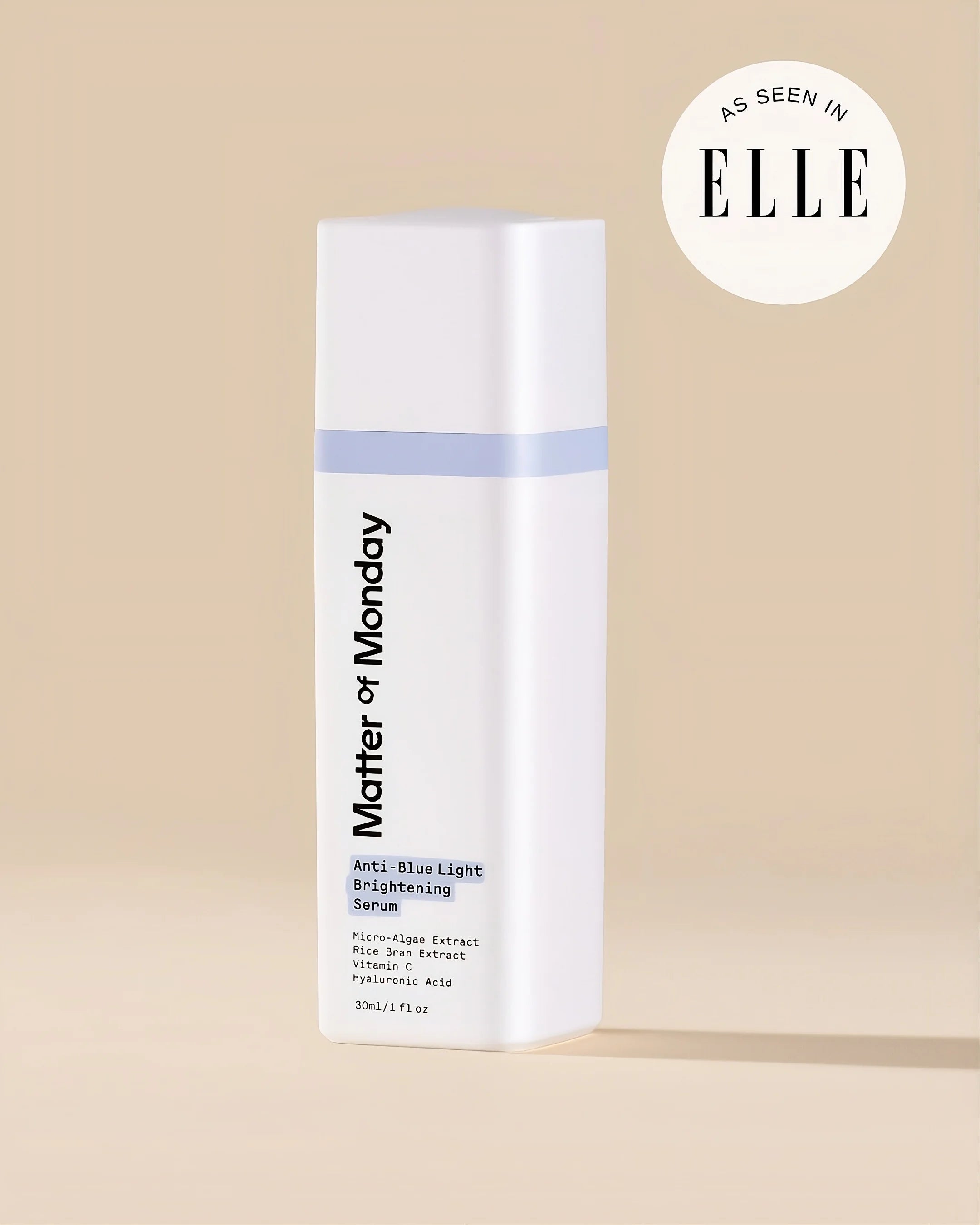
That's why our Anti-Blue Light Brightening Serum is formulated with skin-loving ingredients like Pepha®-Age®, a microalgae extract, Vitamin C, and Rice Bran extract. Together, these ingredients help deeply hydrate, calm irritation, support the skin barrier, and counter stress-induced inflammation, leaving stressed skin looking healthier, plumper, and more resilient.
3. Sodium Hyaluronate to Replenish Lost Hydration
Stress can leave skin looking dull, depleted, and noticeably less plump. That's because elevated cortisol levels can disrupt the skin barrier, allowing moisture to escape more easily.
That's where Sodium Hyaluronate comes in. Found in both our Anti-Blue Light Brightening Serum and Anti-Stress Renewal Moisturizer, this smaller-molecule form of hyaluronic acid penetrates more effectively to deliver deep, long-lasting hydration. By helping skin attract and retain moisture, it leaves stressed, depleted skin looking smoother, plumper, and noticeably more refreshed.
How Should You Care for Cortisol-Stressed Skin Throughout the Day?
When it comes to cortisol skin, consistency matters more than complexity. Instead of constantly switching products or layering on countless actives, focus on a simple routine that helps calm, replenish, and support your skin throughout the day.
Here's the Matter of Monday approach:
|
Time of Day |
Matter of Monday Routine |
Why It Matters |
|---|---|---|
|
Morning |
Apply the Anti-Stress Renewal Moisturizer after applying the Anti-Blue Light Brightening Serum, followed by a broad-spectrum SPF 30+. |
Supports skin at the start of the day when cortisol levels are naturally higher. |
|
Midday |
Reapply the Anti-Blue Light Brightening Serum as needed. |
Helps refresh hydration and reduce signs of daytime fatigue from screen-heavy routines. |
|
Night |
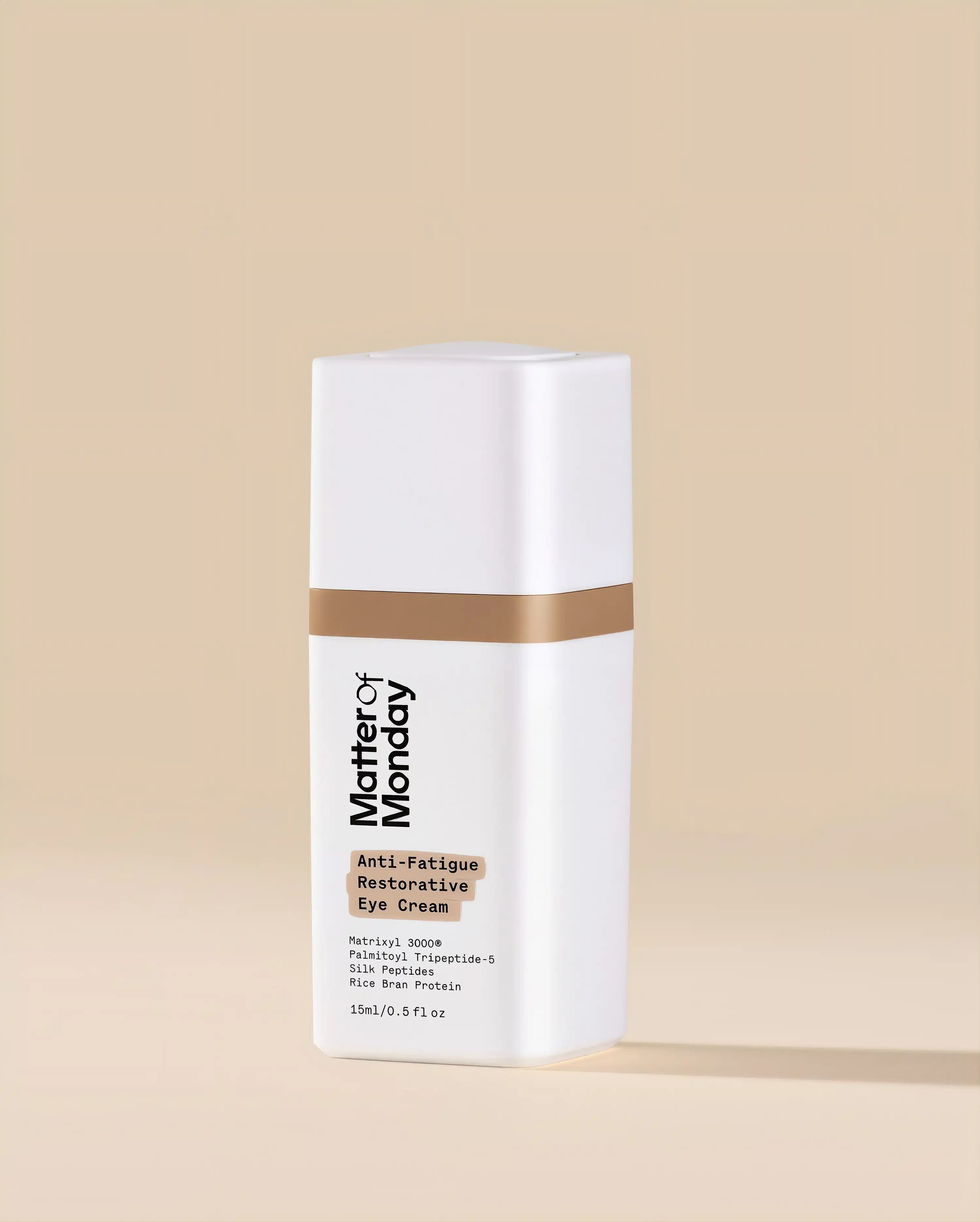
Apply the Anti-Stress Renewal Moisturizer, followed by the Anti-Fatigue Eye Cream. |
Supports hydration, barrier recovery, and overnight skin replenishment. |
The best routine for cortisol-stressed skin is one you'll actually stick to. By keeping things simple, consistent, and centered around recovery, you can help your skin look calmer, healthier, and more resilient over time.
Why Matter of Monday Is Made for Cortisol-Stressed Skin?
When you're dealing with cortisol skin, the last thing you need is another complicated skincare routine that doesn't fit your lifestyle.
That's why we created Matter of Monday.
Backed by board-certified dermatologists and featured in publications like Elle, Real Simple, Rolling Stone, Men's Journal, and Variety, Matter of Monday was built for the realities of modern life.
Most importantly, we recognize that today's skin faces challenges traditional skincare wasn't designed for. That's why digital-age skin defense sits at the heart of everything we do, helping support skin exposed to prolonged screen time, digital fatigue, and everyday stressors.
Modern life isn't slowing down anytime soon, but your skincare can help your skin keep up.
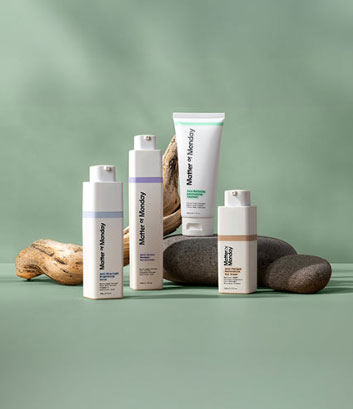
Explore the Matter of Monday collection
Final Thoughts
Cortisol skin is a reminder that your skin reflects more than just the products you use. It reflects how you live, work, sleep, and manage stress.
While you can't eliminate every stressor, you can take a more proactive approach to your skin. Recognizing the early signs and protecting your skin before visible damage builds up can make all the difference over time.
Because when it comes to modern stress, waiting for your skin to show signs of damage is no longer enough. Prevention is the future of skincare.
Frequently Asked Questions
How does cortisol affect skin?
Cortisol, released by the adrenal glands during the stress response, can disrupt skin functions when levels remain elevated. High levels of cortisol may increase skin inflammation, impair wound healing, weaken the immune system, and accelerate skin aging, leading to weakened skin firmness.
Are skin tags a sign of high cortisol?
Skin tags are not typically considered a direct sign of high cortisol. However, conditions like Cushing's syndrome, characterized by excessive cortisol production, may increase the likelihood of developing skin tags alongside high blood pressure and other symptoms.
Why does cortisol result in thin skin?
Too much cortisol can slow the production of new skin cells and reduce collagen synthesis, causing skin to become thinner over time. Clinical observations in people with Cushing syndrome also show impaired wound healing and more fragile blood vessels.
Can cortisol cause skin problems?
Yes. High stress and the release of cortisol can affect immune function and trigger skin problems such as acne, eczema, atopic dermatitis, and other inflammatory skin conditions. Chronic activation of the HPA axis may also worsen existing skin diseases.
Can high cortisol cause dry skin?
Yes. High levels of cortisol can weaken the skin barrier and increase transepidermal water loss, leading to dry, dehydrated skin. Chronic stress may also impair skin cells and reduce the skin's ability to retain moisture effectively.
Is Matter of Monday suitable for sensitive skin?
Yes. Matter of Monday products are fragrance-free, vegan, and formulated for sensitive skin. Since the effects of stress can trigger skin inflammation, mast cell activation, and alter the immune response, our gentle formulas help support stressed, reactive skin.
Can I use Matter of Monday products under makeup?
Absolutely. Matter of Monday formulas are lightweight, fast-absorbing, and makeup-friendly. They fit seamlessly into the daily care of your skin, helping busy professionals maintain healthy-looking skin without disrupting their makeup routine or adding unnecessary steps.
Is Matter of Monday designed for busy professionals?
Yes. Matter of Monday was created for people navigating chronic mild stress, packed schedules, and screen-heavy days. The streamlined routine helps break the vicious cycle of stress by making consistent skincare simple, whether you're commuting, traveling, or working remotely.