

Key Highlights
-
Most skin types do well exfoliating 2 to 3 times a week, though the right frequency depends on your skin type and the method you use.
-
Exfoliating too often is one of the most common ways people accidentally damage their skin barrier.
-
Enzyme-based exfoliants tend to be gentler than physical scrubs or strong acids, including methods like chemical exfoliation, which can allow slightly more frequent use for some skin types.
-
Redness, tightness, and increased sensitivity are signs you're exfoliating too much, not too little.
-
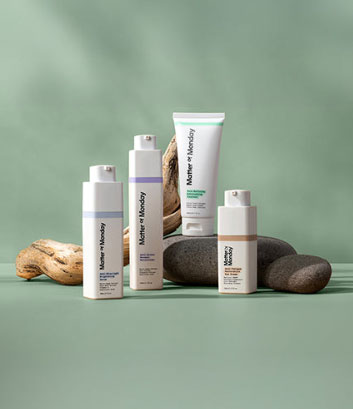
Matter of Monday's Pore-Refining Exfoliating Cleanser combines cleansing and gentle enzyme exfoliation in one step, supporting the brand's prevention-first approach by refining skin while helping maintain a healthy skin barrier.
Between back-to-back meetings, a packed inbox, and hours spent staring at a screen, exfoliation is probably not the thing keeping working women and remote professionals up at night. But it's exactly the kind of small, easy-to-overthink decision that quietly adds stress to an already full routine. Daily? Weekly? Somewhere in between?
There's a lot of conflicting advice out there; some routines call for exfoliating every day, others warn against anything more than once a week, and your skin is the one left to sort out the difference between "glowing" and "irritated."
The truth is, there's no single right answer, but there is a clear framework. In this guide, we'll break down exactly how often you should exfoliate your face, what changes that answer, and how to tell if you've already gone too far.
Why Does Exfoliation Frequency Actually Matter?

Exfoliation itself isn't the problem. How often you do it is. Your skin renews itself on a natural cycle, shedding dead skin cells from the main layers of your skin and replacing them with new ones. Exfoliating works with that cycle, but only within a certain window. Outside that window, in either direction, it stops helping and starts working against you.
Here's why frequency matters:
-
Too little: Older skin cells and dead skin cells stack up, leaving skin dull, rough, and blocking serums from working.
-
Just right: Speeds up cell renewal, clears pores, and keeps skin smooth.
-
Too much: Strips natural protective oils, leading to redness, stinging, and worse breakouts.
Frequency is the lever that keeps you in that middle zone, exfoliating often enough to see the benefits, without doing it so often that you undo them.
This is exactly the thinking behind Matter of Monday. Rather than chasing an aggressive, more-is-better approach to exfoliation, our prevention-first philosophy focuses on supporting skin consistently, while helping preserve a healthy skin barrier. Our Pore-Refining Exfoliating Cleanser was built around that same idea: enzyme-based exfoliation gentle enough to fit into a regular routine, without the harsh trade-offs of physical scrubs or strong acids.
How Often Should You Exfoliate Your Face?
For most skin types, 2 to 3 times a week is a solid starting point to address your specific needs. That's often enough to see the benefits of exfoliation: smoother texture, brighter tone, clearer pores, without overwhelming your skin's ability to recover in between.
So how many times a week should you exfoliate your face if you fall outside "most skin types"? It depends on your skin, your method, and how your skin responds.
|
Skin Type |
Suggested Frequency |
Why |
|---|---|---|
|
Oily or acne-prone |
3 to 4 times a week |
Can typically tolerate more frequent exfoliation, especially with gentle enzyme or salicylic acid-based formulas. |
|
Combination |
2 to 3 times a week |
Balances oil control in some areas with hydration needs in others |
|
Dry or sensitive |
1 to 2 times a week |
Needs more recovery time between sessions to avoid compounding dryness |
|
Mature skin |
2 to 3 times a week |
Benefits from consistent, gentle exfoliation to support texture and radiance |
These are starting points, not fixed rules. The best frequency is the one your skin can handle without redness, tightness, or ongoing sensitivity.
Wondering when exfoliation should become part of your routine? Find out the best age to start anti-aging skincare and why prevention always beats correction.
Can You Exfoliate Your Face Every Day?
While most people only need dedicated exfoliation two to three times per week, some very gentle enzyme-based facial cleansers offer a gentle way for daily use because they cleanse and exfoliate, helping to improve skin tone far more mildly than traditional scrubs or acid treatments.
Gentler, enzyme-based formulas can sometimes be used slightly more often, but "can" isn't the same as "should." Even with a mild formula, your skin still needs recovery time to do what exfoliation is supposed to help it do.
This is where having the right formula makes all the difference. Matter of Monday's Pore-Refining Exfoliating Cleanser, recommended by dermatology professionals, is built to be your reset at the end of a long day, cleansing, clarifying, exfoliating, and strengthening skin in one simple step.
Gentle microspheres team up with Citrus Fruit Peel, Papaya Enzymes, and Pineapple Enzymes to sweep away makeup, dead skin, and excess oil, while helping decongest pores and keep blackheads and breakouts at bay.
Bamboo Stem Powder works alongside them to strengthen your skin barrier, so you're left with skin that feels soft, smooth, and genuinely healthy, not stripped.
If you're wondering whether your current routine is already too much, it's worth reading our guide on the signs your skin barrier is damaged, since over-exfoliation is one of the most common causes.
What Does Exfoliating Your Face Do?
Exfoliation helps remove dead skin cells that build up on the skin's surface. Understanding the different types of exfoliation can help you choose an approach that supports smoother, brighter-looking skin without overdoing it.
Removing dead skin cells regularly supports:
-
Smoother, more even texture
-
Brighter, more radiant-looking skin
-
Fewer clogged pores and less buildup
-
Better absorption of serums and moisturizers applied afterwards
At Matter of Monday, one easy step is all it takes to cleanse and refine. Our Pore-Refining Exfoliating Cleanser uses papaya and pineapple enzymes to gently lift away dead skin cells instead of relying on harsh scrubs or high-strength exfoliating acids. The result is skin that feels softer and smoother, with pores appearing less visible and no tight, stripped feeling afterward.
Because it relies on gentle enzyme exfoliation while pairing it with hydrating, barrier-supportive ingredients, it's suitable for daily use for most skin types, including sensitive skin. If your skin is especially reactive or you're using other exfoliating actives like retinoids or strong acids, you may prefer to start a few times a week and adjust based on how your skin responds.
The formula is fragrance-free, vegan, cruelty-free, and TSA-friendly, making it easy to keep your prevention-first routine consistent wherever you are.
Exfoliation delivers the best results when it's part of a prevention-first routine. Learn what preventative skincare really means and why consistency beats correction.
Exfoliation delivers the best results when it's part of a prevention-first routine. Learn what preventative skincare really means and why consistency beats correction.
How Do You Know If You're Over-Exfoliating?

One of the most important exfoliation tips is to pay attention to how your skin responds. Over-exfoliating can gradually weaken your skin barrier and may show up as:
-
Persistent redness or stinging after cleansing. If your skin reacts to a routine it used to tolerate just fine, that's often the first sign your barrier is under stress.
-
Tightness, dryness, or rough texture, even with moisturizer. When exfoliation outpaces your skin's ability to recover, moisturizer can't fully make up the difference.
-
New sensitivity to different products you've used for months. A weakened barrier lets more active ingredients get through to the skin underneath, including ingredients that never used to bother you.
-
Breakouts that seem to come out of nowhere. Over-exfoliated skin often overcompensates by producing more oil, which can lead to clogged pores and unexpected flare-ups.
If any of this sounds familiar, it's worth pulling back on frequency rather than reaching for a new product. This is exactly why Matter of Monday Pore Refining Cleanser formulates with gentle, enzyme-based exfoliation rather than harsh scrubs or high-strength acids.
It delivers effective daily exfoliation without leaving skin feeling tight or stripped, making it gentle enough to use morning or night for consistent support without the setbacks of over-exfoliating.
For more on rebuilding from here, our guide on how to strengthen your skin barrier walks through the habits that help.
When to Add Exfoliate Your Face in Your Routine
If you're using a separate scrub or acid treatment as part of your personal skincare routine, exfoliating fits best in the evening, after cleansing and before serum or moisturizer, so it can do its job without interference from other products layered on top. If you exfoliate in the morning instead, always follow with SPF, since freshly exfoliated skin is more vulnerable to sun exposure.
With a formula like Matter of Monday's Pore-Refining Exfoliating Cleanser, though, exfoliation and cleansing happen in the same step. Just use it in place of your regular cleanser, morning or night, then follow with serum, moisturizer, and SPF as usual, and check the ingredients list for optimal results. No extra step, no timing to overthink.
What Makes Matter of Monday's Pore-Refining Exfoliating Cleanser Different?

Most exfoliants make you choose between gritty and harsh. Physical exfoliation scrubs can micro-tear skin if you press too hard. Strong acid formulas work fast, but push too often, and your barrier pays for it.
Matter of Monday's Pore-Refining Exfoliating Cleanser skips both routes. Papaya and pineapple enzymes gently dissolve the buildup holding dead skin cells in place, no scraping, no acid burn. That gentler mechanism is exactly why it can be used daily without the redness or tightness heavier exfoliants leave behind.
A few ingredients do the heavy lifting:
-
Papain (papaya enzyme): exfoliates while calming inflammation and keeping blackheads in check
-
Bromelain (pineapple enzyme): brightens and renews, with a collagen boost
-
Citrus peel extracts: vitamin C and antioxidants that refine pores and control oil, minus the sting of a strong acid
-
Bamboo stem powder: the barrier support most exfoliants forget, rich in silica, magnesium, and calcium
Bamboo stem powder is the real differentiator. Where most exfoliants leave barrier repair entirely up to your moisturizer, this one builds it into the exfoliating step itself, all in one fragrance-free, sensitive-skin-friendly formula.
The payoff: a cleanser gentle enough to sit right in that 2 to 3 times a week (or daily, for tolerant skin) zone this guide recommends, without asking you to trade comfort for results.
Ready to give your skin a gentler way to exfoliate? Explore the Pore-Refining Exfoliating Cleanser today.
The Bottom Line
Somewhere between "never exfoliate" and "exfoliate every day" is the answer that's actually right for your skin, and it's usually somewhere in the middle, applied consistently rather than aggressively.
Your skin isn't asking for more. It's asking for enough, given regularly, and given a chance to recover in between. That's a much quieter kind of skincare than the routines that promise overnight transformation, but it's the kind that actually holds up over time.
Frequently Asked Questions
How do I know when I need to exfoliate my face?
If your skin looks dull, feels rough, or skincare products aren't absorbing well, it may be time to exfoliate. Dead cells can build up on the top layer of skin, making regular exfoliation a great way to restore smoother, healthier-looking skin.
Should I moisturize after exfoliating?
Yes. Moisturizing after skin exfoliation helps replenish skin hydration and support the outermost layer of your skin. Follow exfoliation with a nourishing moisturizer to help repair the skin barrier and keep your skincare routine balanced and effective.
How often should you exfoliate different skin types?
The right frequency depends on your skin type. Dry skin may need less frequent exfoliation, while combination skin can typically tolerate 2 to 3 times weekly. Normal skin may also benefit from this range as a general rule of thumb.
What type of exfoliant is best for your skin?
A chemical exfoliant containing alpha hydroxy acids, such as glycolic acid, lactic acid, or mandelic acid, can help improve the surface of the skin. Beta hydroxy acids may be better suited to oily or congested skin.
Can exfoliation help with fine lines and dark spots?
Regular exfoliation can help improve the appearance of fine lines and dark spots by removing dead cells from the surface of the skin. The right exfoliating product can also support a smoother, brighter-looking complexion.
How often should I exfoliate my face if I have oily or acne-prone skin?
If you have oily skin or acne-prone skin, exfoliating two to three times weekly with salicylic acid, the most common BHA, can help remove excess oil and dead cells. Avoid overdoing it, as irritation may worsen breakouts.
When should you not exfoliate your face?
Avoid exfoliating if your skin is sunburned, irritated, has open wounds, or feels overly sensitive. Let healthy skin recover so that your skin returns to a normal state before using physical exfoliants or chemical exfoliators, as over-exfoliation can damage the surface of your skin and cause irritation.
Can I use Matter of Monday's Pore-Refining Exfoliating Cleanser every day?
Yes. Matter of Monday's Pore-Refining Exfoliating Cleanser uses gentle, enzyme-based exfoliation instead of harsh scrubs or high-strength acids, making it suitable for daily use, morning or night, without leaving skin feeling tight, stripped, or over-exfoliated.
Why does Matter of Monday take a gentle approach to exfoliation?
Matter of Monday believes consistent, prevention-first skincare delivers better long-term results than aggressive exfoliation. That's why our enzyme-based formula refines skin without the harshness of face scrubs or strong acids, making it gentle enough for daily use and healthier-looking skin, guided by expert dermatology providers.
What's the best time of day to exfoliate, and how do I find my sweet spot?
Morning or evening both work as a general guideline. Sensitive skin types should watch for signs of irritation and adjust frequency to find their sweet spot, since consistent cell turnover matters more than timing.


