

Can Blue Light Cause Pigmentation? What the Research Says
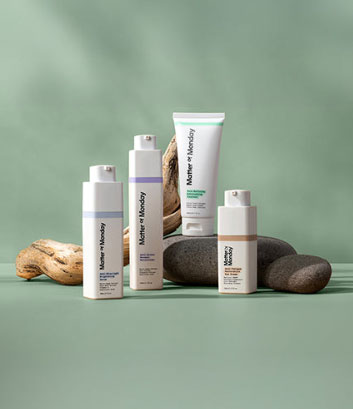
Quick Answer: Blue light can contribute to skin pigmentation by stimulating melanin production. However, sunlight is the primary source of blue light exposure. Everyday exposure from phones and computers is much lower, and research has not established significant pigmentation risks from screens. Tinted sunscreen with iron oxides and antioxidant skincare can help protect against visible light. Key Highlights Blue light is part of visible light and can stimulate the production of melanin, contributing to dark spots, uneven skin tone, and melasma. Sunlight is the biggest source of blue light exposure, while phones and computers emit much lower levels. Research has not established significant pigmentation risks from everyday screen exposure, although high-intensity blue light can trigger pigmentation. People with darker skin tones, melasma-prone skin, and existing dark marks may experience more persistent pigmentation. Tinted sunscreen containing iron oxides helps protect against visible light, while vitamin C and antioxidants support brighter-looking skin. Existing pigmentation takes weeks or months to fade. Daily sun protection and consistent skincare help prevent dark marks from deepening. Matter of Monday's four-product routine supports prevention-first skincare, featuring the Anti-Blue Light Brightening Serum with Pepha®-Age, vitamin C, and rice bran seed extract. You spot a dark patch on your cheek that wasn't there last month. You blame the sun, which is fair. Then you glance at the laptop you've been staring at for nine hours and wonder if it's contributing. If you're a working woman or a remote worker, the thought isn't far-fetched. Screens are on from morning to night, and blue light has become a growing concern for skin. But how much of that concern is backed by research? Here's where the evidence actually lands. Visible light, which includes blue light, can contribute to skin pigmentation, particularly in people with darker skin tones. The sun is by far the biggest source of visible-light exposure, making sunlight a more significant concern than everyday screen use. Screens emit much lower levels of blue light, and current research has not established that typical phone or computer use causes significant skin pigmentation. The distinction matters: the effects of light on your skin depend on the type, intensity, and duration of exposure. Below, we'll look at how blue light may affect pigmentation, who needs to take the most care, and what you can do to protect your skin. Can Blue Light Cause Pigmentation? Yes, it can. Blue light is part of the visible light spectrum, and visible light can stimulate your skin's pigment-making cells. The evidence is strongest for sunlight and weakest for screens. Pigmentation refers to the coloring of your skin, which is determined by melanin production. When melanin builds up in certain areas, it can lead to darker patches or spots. These include sun-related pigmentation, post-inflammatory hyperpigmentation (dark marks left after acne or irritation), and melasma. Uneven skin tone is a common appearance associated with pigmentation, rather than a specific diagnosis. While UV rays are a well-known trigger, visible light, including blue light, can also contribute to certain types of pigmentation. Pigmentation tends to show up in a few common ways: Dark spots. Small, defined marks that look darker than the surrounding skin, often from sun or past breakouts. Uneven tone. A patchy or dull look across the face. Melasma. Larger, symmetrical patches, often on the cheeks, forehead, and upper lip. Most of the clear evidence comes from sunlight and strong lab light, not from your desk. That gap is the space Matter of Monday works in. We're a skincare brand built for digital-age skin, for people whose days run on laptops, phones, and video calls. Traditional skincare tends to wait for visible damage and then correct it. We take a prevention-first approach instead. We formulate to defend skin against everyday stressors, including blue light, before they add up. Our routine stays at four products so you'll actually use it. Everything is fragrance-free, vegan, cruelty-free, sensitive-skin friendly, and dermatologist-approved. Blue light is only one part of the picture. Long screen hours, constant connectivity, and daily stress can also affect your complexion. Learn how digital fatigue affects your skin and what you can do to keep it looking healthy and refreshed. How Does Blue Light Cause Pigmentation? Blue light can stimulate the cells that make pigment and add to oxidative stress. This process helps explain how blue light skin pigmentation can develop, with some people experiencing dark marks that linger. Here's what researchers and dermatologists point to: It reaches deeper than UV. Harvard Health notes that visible light penetrates deeper into the skin than UV radiation. Certain wavelengths stimulate more pigment. Blue-violet light can trigger melanin production, but the pigmentation response depends on the wavelength, exposure intensity, and skin phototype. Some wavelengths may cause more persistent darkening than others. It can last longer in deeper skin tones. Research found that visible light caused darker and more persistent pigmentation than UVA1 exposure in people with darker skin phototypes (IV–VI). One clinical study published in the Journal of Investigative Dermatology supports this finding. It adds to oxidative stress. Over long periods, free radicals can stress skin cells, and that may add to uneven tone. This is the exact problem we built our Anti-Blue Light Brightening Serum to address. Its hero ingredient is Pepha®-Age, a patented ingredient made from micro-algae. Micro-algae naturally shield themselves from blue light and UV. Pepha®-Age is meant to stimulate the skin's own defense against blue light. Its maker describes it as clinically proven to reduce blue-light-induced hyperpigmentation and redness. Do Screens Cause Pigmentation, or Only Sunlight? Sunlight is the main source. Screens give off a much smaller amount of blue light, and their potential impact on pigmentation hasn't been proven. People experience significantly higher blue light exposure from sunlight than from everyday digital devices. This is the part most articles skip, so let's slow down. The lab research on blue light and pigmentation uses strong, controlled doses. A 2023 study of 42 women applied blue light at 20 to 80 J/cm² to the skin of the back. Dermatology Times reported that pigmentation increased with the dose and was still visible after two weeks at the lowest dose. Screens deliver far less. A 2025 study measuring light from everyday digital devices found the doses were small and unlikely to harm skin. Here's how sunlight and screens compare: Factors Sunlight Screens Strength of exposure Far higher Much lower What research shows Clear effects on pigment No clear hazard in a systematic review Typical pattern Hours outdoors, building over years Hours at a desk, at close range Takeaway The main driver A small, unproven add-on Plenty of skincare products now promise blue light protection, so it helps to be clear about what that means. We won't tell you your laptop is giving you dark spots. We do think blue light is worth defending against, quietly and consistently. That's what we mean by Digital SPF. It stands for screen protection factor, and it's our shorthand for how our Anti-Blue Light Brightening Serum defends skin from screen-driven blue light. It isn't a UV sunscreen, and it doesn't replace one. Rather than waiting for dark spots, uneven tone, or premature aging to appear, a prevention-first routine focuses on protecting your skin early. Learn what preventative skincare means and how to build a routine around it. Who Is Most at Risk of Blue Light Pigmentation? Visible light doesn't affect everyone's skin in the same way. Research suggests that people with darker skin tones, melasma, or a tendency toward post-inflammatory hyperpigmentation may be more susceptible to visible-light-induced pigmentation. Sunlight is the main exposure to consider, rather than everyday screen use. Here's who may need extra protection: People with darker skin tones. Visible light can trigger more pronounced and longer-lasting pigmentation in darker skin phototypes (Fitzpatrick types III–VI). This makes consistent sun protection particularly important. Research on visible light and skin pigmentation discusses these differences. People prone to melasma. Sunlight, including its visible light component, can trigger or worsen melasma. If you're prone to recurring dark patches on your cheeks, forehead, or upper lip, tinted sunscreen containing iron oxides can offer additional visible-light protection. People prone to post-inflammatory hyperpigmentation (PIH). If acne, irritation, or minor skin injuries leave behind dark marks, visible light may contribute to further pigmentation. Research suggests this effect can be more persistent in people with darker skin tones. People with frequent sunlight exposure. Spending long hours outdoors increases exposure to visible light, including blue-violet wavelengths. If you're already prone to pigmentation, daily sun protection becomes especially important. If you have stubborn, spreading, or changing patches, consult a dermatologist. They can identify the underlying cause and recommend suitable treatment. We built our formulas with this in mind. Our Anti-Blue Light Brightening Serum is fragrance-free, sensitive-skin friendly, and dermatologist-approved, so it won't add irritation to skin that's already reactive. To be clear, it isn't a treatment for melasma. It's a daily defense, and it works best alongside professional advice. What Skincare Routine Helps Protect Against Blue Light Pigmentation? Daily tinted sunscreen plus an antioxidant routine is the most sensible defense against blue light damage. Here's how our four-product routine fits in: Step Product When Why it helps 1. Cleanse Pore-Refining Exfoliating Cleanser Once a day, morning or evening Papaya and pineapple enzymes lift dead skin and oil, so your serum sits on clean skin. 2. Defend Anti-Blue Light Brightening Serum Morning and evening, two to three pumps Pepha®-Age at 3% defends against blue light. Vitamin C and rice bran seed extract brighten tone. 3. Hydrate Anti-Stress Renewal Moisturizer Morning and evening Aloe, chamomile, and micro-algae extract support your skin barrier when it's under stress. 4. Restore Anti-Fatigue Restorative Eye Cream Morning and/or evening Reduces the look of dark circles, puffiness, and fine lines around the thin under-eye skin. Finish with a tinted sunscreen that lists iron oxides, since SPF ratings only measure protection from UVB rays. Harvard Health notes iron oxide is particularly effective at blocking blue light. You can also get the whole routine as the Monday Bundle. What Can You Do About Pigmentation That's Already There? Pigmentation that's already there won't vanish overnight, but you're not stuck with it. Marks fade slowly, so the first priority is to stop them from deepening. From there, you can work toward a more even skin tone, and a dermatologist can help with anything that won't budge. Here's what actually helps: Protect every day. Daily sun and visible-light protection helps reduce further light-related darkening and is one of the most important steps in managing existing pigmentation. Support brighter-looking tone. Vitamin C helps lighten the look of dark spots, and rice bran seed extract supports clarity. Both are in our Anti-Blue Light Brightening Serum. Give it time. Marks fade over weeks and months, not days. Consistency does more for skin health than switching products. See a dermatologist for melasma. If a patch is spreading, changing, or stubborn, a professional can diagnose it and guide treatment, which may include options like laser treatments. This is the difference between preventive and corrective skincare. Correction takes time and often professional help, while prevention is quieter and easier. Our guide to preventive vs corrective skincare explains why we start with defense. If you're also curious about premature skin aging, our guide to digital aging goes further. Why Choose Matter of Monday for Prevention-First Skincare? A new dark mark rarely shows up overnight. It has usually been building for weeks, and by the time you spot it, the only way back is slow. That frustration is where we started. Our founder, Jiajia Sollers, was the CFO of a fast-paced hedge fund. The pressure, the fatigue, and the long hours at a screen were taking a toll on her skin. So she began experimenting at home, looking for a way to protect it before skin damage set in. That's what prevention-first means to us. We defend skin early from stressors like blue light and long hours of screen time. That leaves less to fix later, from dark marks to premature aging. We back it with clinically studied ingredients, and every formula is fragrance-free, vegan, cruelty-free, sensitive-skin friendly, and dermatologist-approved. And because your days are already full, we kept it easy. Four products, light enough to wear under makeup and packed to travel. Mondays can be relentless. Looking after your skin shouldn't be. Ready to defend your skin from blue light? Explore our products today. The Bottom Line Blue light can contribute to pigmentation, mostly through sunlight. Your screen is a small, unproven part of the picture. That's a kind of relief. A dark spot isn't a verdict on how hard you work or how little you slept. What helps are simple, everyday habits. Wear a tinted sunscreen every day. Look after your skin morning and evening, and give the marks you already have the time they need to fade. If a patch spreads or changes, see a dermatologist. Your skin has carried you through every long day. Looking after it early is a quiet way of saying thank you. Frequently Asked Questions What is the difference between blue light from devices and blue LED light therapy when it comes to skin pigmentation? Device blue light is low-intensity, part of the natural spectrum of light, emitted by modern technology; therapy uses concentrated doses. Blue light filters and night mode reduce device blue light exposure, while therapy is dosed deliberately. Does blue light worsen hyperpigmentation? Evidence suggests yes: the impact of blue light on melasma-prone skin is notable, since it stimulates melanin production longer than UV does. Limit screen time and consider whether ferulic acid help is useful in your skincare routine. Is blue light from my phone or computer harmful to my skin tone? Everyday blue light exposure from phones and computers is much lower than sunlight exposure. Research has not established significant pigmentation risks from screens, though prolonged exposure remains an area of ongoing study. Are the pigmentation effects of blue light permanent or temporary? Blue light-induced pigmentation can be temporary or persistent, depending on exposure intensity, skin tone, and individual sensitivity. Darkening may fade over weeks or months, but melasma can require ongoing dermatological treatment. Is blue light from my phone or computer harmful to my skin tone? Everyday phone and computer use is unlikely to cause significant changes in skin tone. Although blue light may influence melanin production, current evidence does not establish harmful effects or potential damage from typical daily exposure. Can indoor lighting affect skin pigmentation? Everyday indoor lighting, including fluorescent lighting and incandescent bulbs, emits visible light. However, its intensity is generally low, and there is limited evidence that it causes overproduction of melanin or noticeable changes in skin appearance. Does blue light affect melatonin production or cause skin cancer? Blue light can influence melatonin production and sleep patterns, particularly at night. However, the potential harmful effects of blue light from screens on skin remain unclear. Current evidence does not establish that everyday screen exposure causes skin cancer. Can Matter of Monday's Anti-Blue Light Brightening Serum help with uneven skin tone? Yes. Matter of Monday's Anti-Blue Light Brightening Serum contains Pepha®-Age, vitamin C, and rice bran seed extract. These ingredients support blue light defense, brighten the complexion, and help improve the appearance of dark spots. Can I use Matter of Monday's Anti-Blue Light Brightening Serum every day? Yes. The serum is designed for daily use. Apply two to three pumps to clean, dry skin in the morning before sunscreen. You can also reapply during the day and use it in the evening. Is Matter of Monday skincare suitable for sensitive skin? Yes. Matter of Monday formulas are fragrance-free, vegan, cruelty-free, and dermatologist-approved. They are designed to be gentle on sensitive skin while supporting hydration, skin barrier health, and protection against everyday environmental stressors.


