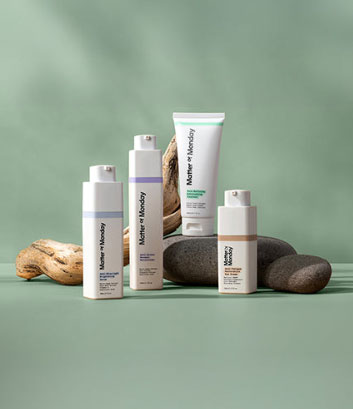
THE MONDAY BLOG

Filters

Clear all

By Topic

mid age asian skin care model using a laptop

HEV Light vs. Blue Light: Are They Actually Different?

Key Highlights HEV light and blue light generally refer to the same part of the visible spectrum, with wavelengths around 380–500 nanometers. UV light is strongly linked to sunburn, premature skin aging, and skin cancer, while sunlight-level visible light can worsen pigmentation. The effects of ordinary screen exposure on skin remain uncertain. Sunlight is the biggest source of blue light. Digital screens, LED lighting, and fluorescent lighting also contribute to daily exposure, but the effects of typical screen-level exposure on skin remain uncertain. Regular sunscreen primarily protects against UV rays. Tinted sunscreen containing iron oxides can provide additional protection against visible light. Daily sunscreen, antioxidant skincare, adequate sleep, and regular screen breaks are optional habits that support skin health, but they are not proven requirements for preventing screen-related skin damage. Matter of Monday focuses on digital-age skin defense, clinically proven formulas, and a prevention-first philosophy, with clean, sensitive-skin-friendly skincare designed to protect against everyday stressors.   You pick up a serum that says "HEV protection." The next one says "blue light defense." A third calls itself a "Digital SPF." Are they three different things? Or one thing with three names? For working women and remote workers, that question isn't academic. Your day runs on a laptop, a phone, and a calendar full of video calls. By mid-afternoon, your skin can look dull and tired. Meanwhile, the terms get used so loosely that science and marketing blur together. This guide settles the HEV light vs. blue light question in plain language. You'll see how the terms differ and what screen light does to skin. You'll also see what the research does and doesn't show, and how we defend against it at Matter of Monday. Is HEV Light the Same as Blue Light? HEV light and blue light are often used interchangeably, particularly in skincare and eye-care marketing, but their meanings can vary by source. Both generally refer to the short-wavelength end of the visible light spectrum, although HEV may refer to a narrower wavelength range in some contexts. HEV stands for high-energy visible light. It covers the short-wavelength end of what your eyes can see, roughly 380 to 500 nanometers. Shorter wavelengths carry more energy, which is where the "high-energy" part comes from. Eye-care sources estimate that about a third of all visible light falls in this blue range. The terms split a little depending on who's talking: Skincare uses them interchangeably. On a label or in an article, "HEV light" and "blue light" mean the same thing. Eye-care sources get more specific. They separate blue-violet light (roughly 380 to 450 nm) from blue-turquoise light (roughly 450 to 500 nm). HEV sometimes refers only to the blue-violet end. Definitions vary by source. You'll see the range quoted from 380 nm in some places and 400 nm in others. So when two products promise "HEV protection" and "blue light defense," they're making the same promise in different words. That kind of label confusion is part of why Matter of Monday exists. We're a skincare brand built for screen-stressed, digital-age skin, for people whose days run on laptops, phones, and video calls. Most skincare was designed for a world before all that. So we take a prevention-first approach. We don't wait for dullness, fatigue, and uneven tone to show up and then correct them. We formulate to defend skin against everyday stressors before they add up. What's the Difference Between HEV Light, Blue Light, and UV Light? HEV light and blue light are the same thing. UV light is different. It sits just beyond the visible spectrum at shorter wavelengths, and your eyes can't see it. Light type Wavelength Main sources What it mainly affects Typical defense Ultraviolet (UV) Approximately 100–400 nm; invisible to humans under typical conditions Sun and certain artificial sources Sunburn, photoaging, and skin cancer risk Broad-spectrum sunscreen HEV / blue light Commonly about 400–500 nm, within the visible spectrum Sun, screens, LED and fluorescent lighting Pigmentation and oxidative stress; evening exposure may affect sleep rhythms Tinted sunscreen with iron oxides for visible-light protection; antioxidant skincare and healthy screen habits Blue-violet light Approximately 400–450 nm under this convention Sun, screens, and artificial lighting A shorter-wavelength, higher-energy portion of visible blue light Visible-light protection, including tinted sunscreen with iron oxides when pigmentation is a concern   Note: Wavelength boundaries vary by convention. UV is commonly defined as 100–400 nm, while visible light is often defined as 380–780 nm, creating an overlap between 380 and 400 nm. The ranges used for blue and HEV light also vary across sources Which One Is Worse for Skin? UV is the bigger concern. It's the main driver of sunburn, photoaging, and skin cancer risk, and that evidence is well established. Blue light is linked more to pigmentation and oxidative stress. Most of that research uses sunlight-level exposure. Neither one replaces the other, and your skin needs defense against both. That's why we treat blue light as its own job. Typical sunscreens are built around UV. Our Anti-Blue Light Brightening Serum is built for blue light (HEV), the high-energy end of the spectrum. In the morning, apply it before your SPF so it can do both jobs. Where Does HEV Light Come From? The sun is by far the biggest source of HEV blue light. Blue light is a big reason the sky looks blue. Beyond the sun, you're exposed to it from: Phone, laptop, and TV screens. LED displays give off a steady stream of blue light. LED lighting. Cool-white LEDs carry more blue light than old-fashioned warm bulbs. Fluorescent lighting. It's common in offices, and it adds to your daily total. Let's be honest about the scale. Sunlight delivers far more blue light than any screen does. So why pay attention to screens at all? Because they're on for hours every workday, and you sit close to them. That daily, cumulative exposure is the layer we formulate for. Blue light is only part of the picture. Long hours at a desk, limited movement, and poor sleep can leave your skin looking dull and tired. For more on how digital-age habits may affect your skin, read our guide to digital fatigue. Is HEV Light Bad for Your Skin? It depends on the source and the dose. Sunlight-level blue light clearly affects skin. Screen-level blue light is far less proven. Here's what we know. Here's What HEV Light Can Do to Your Skin: It can worsen pigmentation. Visible light from the sun can aggravate melasma and other hyperpigmentation concerns, particularly in people with darker skin tones. The American Academy of Dermatology recommends tinted sunscreen containing iron oxides for additional visible-light protection. It can add to oxidative stress. Blue light can generate free radicals in the skin. Over time, they stress skin cells and collagen. The result can be dullness and a gradual loss of firmness. We cover this more in our guide to digital aging. It hasn't been conclusively linked to skin cancer. Some laboratory studies suggest blue light can cause DNA damage under specific exposure conditions, but current research has not established a direct link between blue light exposure and skin cancer in humans. Does Sunscreen Protect Against HEV Light? Mostly no. Regular sunscreen is built to filter UV, and an SPF number only measures UV protection. Most sunscreens offer little defense against visible light. There are a few exceptions worth knowing: Tinted sunscreens with iron oxides. Iron oxide is the ingredient dermatologists point to for blocking visible light. It matters most if you're prone to dark spots or melasma, and for deeper skin tones, which are more prone to visible-light pigmentation. Foundation or concealer with iron oxides. Layered over your sunscreen, it can add some visible-light protection too. Plain, untinted sunscreen. It's great for UV. It won't do much for blue light. If blue light is a concern, check the label for iron oxides. This is where our Digital SPF comes in. The name stands for Screen Protection Factor. It's our shorthand for what the Anti-Blue Light Brightening Serum does, which is to defend skin from screen-driven blue light. It isn't a UV sunscreen, and it doesn't replace one. Apply the serum first, then your sunscreen. How Can You Protect Your Skin From HEV Light? Protection works best as a layered habit, not a single fix. Daily habits lay the groundwork, while a consistent skincare routine adds another layer of support. This is the thinking behind our prevention-first approach: small, consistent steps that keep stressors from piling up. Here are the habits that help: Wear sunscreen every day, tinted if you can. The sun is your biggest blue light source, so this is the habit that matters most. Regular SPF covers UV, and the iron oxides in a tinted formula also filter some visible light. Warm up your screens after sunset. Night mode or a lower brightness cuts the blue-heavy glow in the evening. Your sleep benefits first, and skin follows. Protect your sleep. Skin does much of its repair overnight, and short sleep can undo a lot of good work. It's the habit our overnight steps are built to support. Take real screen breaks. Stand up, move around, and look at something far away for a minute. It eases eye strain and breaks the habit of leaning into the screen for hours. Add an antioxidant layer. Habits cut exposure, but they can't remove it, especially on a screen-heavy workday. That's the gap our Digital SPF approach fills, which the routine below puts into practice. What Skincare Routine Protects Your Skin From HEV Light? Build protection into your day instead of treating it as one extra product. Blue light reaches you from morning to night. So the routine works best as two short bookends, with a few habits in between. Here is how we pair each step with a Matter of Monday product. Step Product Morning Evening Why it helps 1. Cleanse Pore-Refining Exfoliating Cleanser Yes Yes Clears buildup so everything after it sits on clean skin. 2. Defend Anti-Blue Light Brightening Serum Two to three pumps Again Pepha®-Age targets blue light. Rice bran seed extract and vitamin C add antioxidant support and brighten dark spots. 3. Hydrate Anti-Stress Renewal Moisturizer Yes Yes, for overnight hydration Aloe and chamomile calm skin, and hydrated skin copes with stress better. 4. Restore Anti-Fatigue Restorative Eye Cream Yes Yes Apply to the upper and under-eye area, where a long screen day shows first. Add your own sunscreen last in the morning, tinted if you can, since the sun is your biggest blue light source. On long screen days, top up the serum at midday, and switch your screens to night mode after sunset. The whole four-product routine is also available as the Monday Bundle. For the barrier side, see our guide to strengthening your skin barrier. Why Choose Matter of Monday for Blue Light Protection? Mondays hit hard. Our founder, Jiajia Sollers, knew that better than most. As CFO of a fast-paced hedge fund, she watched stress, fatigue, and endless screen time show up on her skin. She didn't want another quick fix. She wanted to protect her skin before the damage began. So she started experimenting at home. Experiments became research. A personal project became a mission. And Matter of Monday was born. Our philosophy comes straight from that story: prevention before premature aging, nourishment before dullness, clarity before burnout shows on your skin. The Anti-Blue Light Brightening Serum was made for the screen-heavy days that started it all. One hero ingredient: 3% Pepha®-Age. Fragrance-free and gentle on sensitive skin. Made to work with your sunscreen, not replace it. Mondays may be relentless. Your skincare shouldn't be. So why wait for dullness to show up? Shop the Anti-Blue Light Brightening Serum and make every Monday a little brighter. The Bottom Line Some days, you spend more time looking at a screen than looking at yourself. Between deadlines, video calls, and late-night scrolling, skincare can easily become one more thing you promise to get around to tomorrow. But caring for your skin doesn't have to mean changing your entire life. It can start with small choices: protecting your skin from UV rays, building a routine that supports it against everyday stressors, and giving yourself permission to rest when the day is done. You don't need to disconnect from the digital world to take better care of yourself. You just need to make room for yourself in it. Because even on your busiest days, you deserve a little care that is just for you. Frequently Asked Questions Is HEV light the same as blue light? Yes. HEV light refers to high-energy visible light, a short-wavelength part of the spectrum of visible light that can be perceived by the human eye. Natural blue light comes from sunlight, while artificial sources of blue light include digital screens and light bulbs. Does blue light from screens damage your skin or eyes? Sunlight exposes you to greater amounts of blue light radiation than digital screens. Although the effects of blue light on skin may include pigmentation and oxidative stress, visual contrast and evidence linking typical screen exposure to retinal damage, macular degeneration, or other vision problems remain limited. Does sunscreen protect against HEV light? Most sunscreens protect against UV rays rather than visible light rays. Tinted sunscreen containing iron oxides may help protect against visible light. For broader eye care, use suitable sunglass lenses outdoors and maintain healthy screen habits to support eye health. Is HEV light more harmful to your eyes than regular blue light? HEV light and blue light generally describe the same visible-light range, so neither is inherently more harmful. Typical screen time has not been shown to damage the back of your eye. Do HEV light filters offer better protection than blue light filters? Not necessarily. HEV light filters and blue light filters may describe similar technologies. Their effectiveness depends on the wavelengths filtered. Reducing evening exposure may also support your circadian rhythm and sleep cycles. How can you reduce the effects of blue light during long periods of screen use? Blue light exposure from digital devices adds to your daily exposure, but sunlight remains the primary source. Computer monitors emit far less blue light than sunlight, and the contribution of screen blue light to skin damage remains uncertain, especially given the potential benefits of natural sunlight. Can blue light from digital devices affect your skin throughout the day? Blue light exposure from digital devices adds to your daily exposure, but sunlight remains the primary source. The amount of blue light emitted by computer monitors is generally much lower than sunlight, and its contribution to skin damage remains uncertain. Why is blue light described as high energy? Blue light has a short wavelength, meaning its photons carry the highest energy compared to those of visible light with longer wavelengths. However, ultraviolet light carries more energy and has well-established links to skin damage, making daily sun protection essential. Is blue light from electronic devices as strong as sunlight? No. Electronic devices give off a far smaller amount of blue light radiation than the sun. Screens matter because you sit close to them for long periods of time, adding steady, cumulative exposure to your skin. Can HEV light affect your sleep and your skin? Evening blue light can shift circadian timing and your sleep-wake cycle. Harvard University researchers found it suppresses melatonin longer than other light. Sleep disruptions lower the quality of your sleep, and skin repairs itself overnight. Do blue light glasses protect your skin from HEV light? No. Blue light glasses and computer glasses only filter light reaching your eyes. For skin, use tinted sunscreen with iron oxides, antioxidant skincare like our Anti-Blue Light Brightening Serum, and take frequent breaks from screens. Why does skin look tired after a long screen day? Blue light isn't the only factor. Physical fatigue, poor sleep patterns, and digital eye strain, with dry eyes and squinting, add up. These negative effects show gradually, so a prevention-first routine helps. What does "Digital SPF" mean? It stands for screen protection factor. It's our shorthand for defending skin from screen-driven blue light. It isn't a UV sunscreen, and it doesn't replace one. Use our Anti-Blue Light Brightening Serum in the morning, then apply your sunscreen. What makes Matter of Monday's Anti-Blue Light Brightening Serum different? Matter of Monday's Anti-Blue Light Brightening Serum features 3% Pepha®-Age to target blue light exposure. Rice bran seed extract and vitamin C provide antioxidant support, helping brighten dark spots while complementing a prevention-first skincare routine. How do you use Matter of Monday's Anti-Blue Light Brightening Serum? Apply two to three pumps after cleansing, before moisturizer and sunscreen in the morning. Matter of Monday also recommends using the serum in your evening routine. On long screen days, the brand suggests topping it up at midday. Is Matter of Monday skincare suitable for sensitive skin? Matter of Monday's Anti-Blue Light Brightening Serum is fragrance-free, vegan, cruelty-free, dermatologist-approved, and formulated with sensitive skin in mind. It layers lightly under makeup, making it a practical addition to a daily skincare routine.

Read more

Woman applying eye cream

How to Apply Eye Cream the Right Way? A Prevention-First Guide

Key Highlights Apply eye cream after serum and before moisturizer, both morning and evening. Use 1 to 2 pumps and gently pat with your ring fingers instead of rubbing. Cover the upper eyelids, under-eye area, and outer corners if your formula is designed for the entire eye contour. Apply eye cream consistently to help address puffiness, dark circles, fine lines, and visible fatigue. Avoid applying too close to the lash line or directly into the eyes. Matter of Monday's Anti-Fatigue Restorative Eye Cream is designed for the upper and lower eye area with a lightweight, medical-grade formula that supports collagen, hydrates without heaviness, and is gentle on sensitive skin.   Applying eye cream is one of those things that seems simple until you actually think about it. Where exactly does it go? How much should you use? Does it matter if you rub it in or pat it on? For an area of skin this thin and this expressive, the answer is: yes, it matters quite a bit. For working women and remote professionals spending hours in front of laptops, phones, and back-to-back video calls, the eye area often carries the visible weight of the day before anything else does. In this guide, we'll walk through exactly how to apply eye cream correctly, when it fits into your routine, and why a prevention-first approach to this delicate area matters more than ever. Why Does Eye Cream Application Technique Matter? The skin around your eyes is significantly thinner than the rest of your face, with fewer oil glands and less structural support. That makes it more prone to irritation, more likely to show fine lines early, and less forgiving of heavy-handed application. Rubbing eye cream in vigorously can tug at this delicate skin and, over time, contribute to the very concerns you're trying to prevent. Patting or gently tapping the product in, on the other hand, allows it to absorb without unnecessary stress on the skin. In other words, how you apply eye cream can matter just as much as which one you choose. This is exactly the thinking behind Matter of Monday. The eye area deserves its own formula and its own technique, not an afterthought in a broader moisturizing step. Matter of Monday was built on a prevention-first philosophy: support skin before fatigue, stress, and digital strain become visible, rather than fixing them after the fact. Our Anti-Fatigue Restorative Eye Cream reflects that, with a lightweight, fast-absorbing texture built for a gentle patting technique. It's also formulated for both the upper and lower eye area. While most eye creams focus only on under-eye concerns, Matter of Monday recognizes that long hours of screen time and everyday stress can also leave the upper eyelids looking dry and less firm. When to Apply Eye Cream in Your Routine? Eye cream isn't just an extra step tacked onto your moisturizer. When you apply it, morning or night, and where it lands in the order of your routine, changes what it can actually do for your skin. Time of Day Routine Step Why It Matters Morning Anti-Blue Light Brightening Serum → Anti-Fatigue Restorative Eye Cream → Anti-Stress Renewal Moisturizer → SPF Layers products from lightest to richest, allowing the eye cream to absorb before moisturizer while preparing the skin for a day of screen exposure. Evening Pore-Refining Exfoliating Cleanser → Anti-Fatigue Restorative Eye Cream → Anti-Stress Renewal Moisturizer Supports overnight recovery by applying targeted treatments before sealing in hydration with the moisturizer. At Matter of Monday, we designed our four-product routine to be simple enough to actually stick with, because consistency is what makes a prevention-first approach work in the first place. Applying eye cream correctly is just one part of prevention-first skincare. Learn what preventative skincare means and why consistent daily habits matter more than waiting for visible signs of aging. How You Might Be Applying Eye Cream Incorrectly Applying eye cream may seem straightforward, but small mistakes in your routine can affect how comfortably and effectively you care for the delicate eye area. From where you apply it to how much pressure you use, here are a few common habits worth reconsidering: Only applying it under your eyes: The under-eye area isn't the only place that needs targeted care. Depending on the product's directions, eye cream can also be applied to the upper eye area and upper eyelids, where the skin is equally delicate and can show visible signs of dryness and fatigue. Using eye cream only at night: Eye cream doesn't have to be reserved for your nighttime routine. A suitable eye treatment can be used in the morning and during the day when needed, particularly when your eyes feel dry or tired after long hours in front of screens or during travel. Rubbing it in with your index finger: The skin around your eyes is thinner and more delicate than the rest of your face. Instead of rubbing or dragging the skin, use your ring finger to gently tap the product into the eye area. This allows you to distribute the formula without unnecessary tugging. Assuming a richer formula is always better: When it comes to eye care, heavier doesn't necessarily mean more effective. Overly rich or greasy eye creams can feel heavy and may contribute to clogged pores and milia, especially if you're prone to them. A lightweight formula with concentrated ingredients can provide targeted care without leaving excess product on the skin. Using your regular moisturizer as an eye cream: Your facial moisturizer may provide hydration, but the skin around your eyes has different needs from the rest of your face. It's thinner, more delicate, and often more susceptible to concerns such as dryness, puffiness, and visible signs of fatigue. A dedicated eye cream is formulated to provide more concentrated care for this specific area. Matter of Monday's Anti-Fatigue Restorative Eye Cream is designed specifically for the delicate eye area, with a lightweight, fast-absorbing texture that doesn't leave the skin feeling heavy or greasy. Its concentrated blend of peptides and proteins supports the appearance of firmer, smoother skin across the upper and lower eye area, while caffeine helps target the appearance of puffiness and dark circles. Where to Apply Eye Cream (and Where to Avoid) Knowing where to apply eye cream is just as important as knowing how much to use. Safe zones: Along the orbital bone, under the eye Up toward the brow bone Along the outer corner, near the beginning of crow's feet Areas to be more cautious with: Directly on the lash line, since product can migrate into the eye as it warms up Directly on the eyelid, unless a formula is specifically designed for that area Matter of Monday's Anti-Fatigue Restorative Eye Cream is specially made for the fatigue-prone upper and lower eye area. This medical-grade formula deeply nourishes without heaviness while supporting collagen and firmness for a smoother, more rested look. Eye creams work best when your skin barrier is healthy. Discover the common signs of a damaged skin barrier and how to help it recover before adding more active ingredients. Does the Application Change Based on Your Concern? The application technique itself stays the same, but where you focus the product can vary depending on your primary concern. A few small adjustments can help target specific areas more effectively while still protecting the delicate skin around your eyes. Here's how to adjust your application based on your primary eye concern: Puffiness and dark circles: Apply slightly lower along the orbital bone and let capillary action carry the product upward as it absorbs. Matter of Monday's Anti-Fatigue Restorative Eye Cream includes caffeine, which helps depuff and diminish the look of puffiness and dark circles under the eyes, so this is a step worth being consistent with rather than reserving for tired mornings only. Dry, saggy-looking upper eyelids: Screen time and stress don't only affect the under-eye. They can also leave the upper lid looking dry or less firm over time. That's a big part of why our formula is packed with peptides and proteins, which help support collagen in both the upper and lower eye areas for a firmer, smoother appearance. Pat it across the upper lid the same way you would underneath. Fatigue and dullness around the eyes: This is often the area most affected by long screen-heavy days, disrupted sleep, and everyday stress, which is exactly why we built the Anti-Fatigue Restorative Eye Cream around a high concentration of peptides and proteins, designed to help soothe visible fatigue and support smoother, firmer-looking skin. Fine lines: Extend your patting motion slightly further out toward the crow's feet area, still using a light touch. No matter your primary concern, consistency is more important than changing your technique. Using the right amount, applying it with a gentle tapping motion, and covering the areas that need the most attention allows your eye cream to work as intended. With regular use, Matter of Monday's Anti-Fatigue Restorative Eye Cream helps target puffiness, dark circles, fine lines, and visible signs of fatigue, leaving the entire eye area looking smoother, brighter, and more refreshed. Why Choose Matter of Monday for Eye Care? Traditional under eye creams are often treated as a final, optional step. At Matter of Monday, we see the eye area as one of the first places modern stress becomes visible, and one of the first places it deserves dedicated support. Our Anti-Fatigue Restorative Eye Cream combines a concentrated peptide and protein complex with a lightweight, fast-absorbing texture designed for the gentle patting technique this delicate area needs, on both the upper and lower eye area. We formulate with clean, safe ingredients you can feel good about using every day: fragrance-free, vegan, cruelty-free, and gentle enough for sensitive skin, with no unnecessary fillers or irritants. Our formulas are backed by board-certified dermatologists who understand what modern, screen-heavy lifestyles ask of skin. Ready to give the eye area the dedicated care it deserves? Explore the Anti-Fatigue Restorative Eye Cream today. The Bottom Line Your eyes tell the story of your day before you say a word. The late nights, the back-to-back meetings, the hours spent staring at a screen, they all show up there first. Applying eye cream correctly won't undo a hard week. But a few extra seconds of intention, a gentle tap instead of a rub, is a small act of care that adds up. It's a quiet way of telling your skin it doesn't have to carry the day alone. Frequently Asked Questions Do you apply eye cream before or after moisturizer? Apply eye cream after your serum but before moisturizer. This order lets the lightweight formula absorb into the delicate eye contour before heavier creams seal in hydration. Following these best practices helps you get the full benefits of your eye cream. Should eye cream be applied before or after serum? Apply serum first, then eye cream, followed by moisturizer. Facial serums target the rest of the face, while eye creams are formulated for the different structure of the eye area, addressing concerns like dry skin, wrinkles, and eye bags. At what age should you start using eye cream? There's no single age to start using eye cream. Begin when you notice skin concerns like dehydration, the appearance of fine lines, or the appearance of dark circles, or as a preventive step in your skincare routine. Choosing the right eye cream matters most. Are there any mistakes to avoid when applying eye cream? Yes. Avoid rubbing instead of gently patting, using too much product, applying it too close to the lash line, or skipping consistency. A small amount applied with your ring finger twice daily helps maximize results while minimizing irritation. How often should eye cream be applied for maximum effectiveness? Apply eye cream twice daily, morning and night, for the best results. Consistent use helps improve the appearance of wrinkles, crow's feet, and eye bags while supporting lasting hydration. Store it in the fridge if you prefer an extra cooling, depuffing effect. Is it necessary to warm eye cream between your fingers before applying? Not necessarily. Most eye creams spread easily without warming. If you prefer, briefly warming the product between your ring fingers can help it glide on more smoothly, but gentle patting is far more important for effective application. Can I use Matter of Monday's Anti-Fatigue Restorative Eye Cream on my upper eyelids? Yes. Unlike many eye creams, Matter of Monday's Anti-Fatigue Restorative Eye Cream is formulated for both the upper and lower eye area. Gently pat it across the upper lid and brow bone to help support lid hydration and improve the look of dryness and loss of firmness. What makes Matter of Monday's Anti-Fatigue Restorative Eye Cream different from regular eye creams? Matter of Monday takes a prevention-first approach to eye care. Its lightweight formula combines peptides, proteins, and caffeine to target visible fatigue, puffiness, dark circles, and fine lines caused by long hours of screen time and everyday stress before they become more noticeable. Can I wear makeup after applying Matter of Monday's Anti-Fatigue Restorative Eye Cream? Absolutely. The fast-absorbing, lightweight texture layers smoothly under concealer without feeling heavy or greasy. Allow the eye cream to absorb for 30–60 seconds before applying makeup to get the full benefits of your eye cream and a smoother-looking finish.

Read more

Asian woman in a white bathrobe with water splashing on her face

How to Hydrate Skin Beyond Just Drinking Water?

Key Highlights Dehydrated skin lacks water, while dry skin lacks oil; oily skin can also be dehydrated. Drinking enough water supports overall health, but topical skincare helps address skin dehydration. Use gentle cleansers, lukewarm water, adequate sleep, and a humidifier in dry indoor environments to help reduce moisture loss. Build a simple morning routine with a hydrating serum, moisturizer, and broad-spectrum sunscreen. Look for ingredients such as sodium hyaluronate, glycerin, aloe, and chamomile to support hydration and skin comfort. Avoid over-exfoliating, skipping moisturizer after serum, and introducing too many new products at once. Matter of Monday takes a prevention-first approach with hydration-focused formulas designed to support the skin barrier and fit into everyday routines.   Between back-to-back video calls, hours at a laptop, and air conditioning running all day, skincare can easily slip into the background. If you're a woman working remotely or spending most of your day indoors, you might notice your skin feeling tight, looking dull, or developing flaky patches, even when you drink plenty of water. “Drink more water” is often the first advice you hear, but drinking water alone may not resolve skin dehydration. Your skin also needs the right care to attract moisture, retain it, and maintain a healthy skin barrier. We’ll cover how to spot dehydrated skin, which ingredients help, and how to build a simple routine that keeps your skin hydrated throughout the workday. Is Your Skin Dry or Dehydrated? These two get treated as the same thing, but they're not, and mixing them up usually means reaching for the wrong fix. Dryness is a skin type, something skin is more or less born with. Dehydration is a temporary state caused by water loss, and it can affect any skin type, oily included. A few signs point specifically to dehydration: Tightness that shows up shortly after cleansing, even with a gentle formula Fine lines that look more pronounced by the end of the day Skin that looks dull rather than visibly flaking Oily areas that still feel tight underneath the shine If several of these signs sound familiar, your skin may be dehydrated, and the goal is to support hydration while reducing moisture loss. This distinction is a big part of why we started Matter of Monday. Too many products are built to feel hydrating for the five minutes right after you apply them, with almost no thought given to what keeps skin holding onto that water for the rest of the day. We went the other way, building every formula around ingredients that actually do both halves of that job, rather than picking whichever one tests better in a store aisle. Hydrating your skin is one part of a consistent skincare routine. To learn how to protect your skin from everyday stressors before visible concerns appear, explore our guide to preventative skincare. How to Keep Skin Hydrated with Simple Daily Habits? Your skincare routine matters, but your everyday habits can also affect how well your skin retains moisture. From staying hydrated to adjusting your shower temperature, small changes can help reduce moisture loss and support your skin barrier. Watch your shower temperature. Hot water strips the surface oils that help skin hold onto moisture, so lukewarm water and shorter showers do more for hydration than any product applied afterward. Run a humidifier in dry environments. Heated or air-conditioned indoor air pulls moisture out of skin over time, and adding humidity back into a room measurably helps. Prioritize sleep. Skin repairs itself overnight, and consistently short sleep shows up as duller, less hydrated-looking skin well before it shows up anywhere else. Eat enough healthy fats. Include sources of essential fatty acids as part of a balanced diet to support overall skin health. Understand hydration from the inside. If you're already adequately hydrated, drinking more water isn't necessarily going to resolve dry or dehydrated-looking skin on its own. Topical skincare can help reduce moisture loss and support the skin's surface. None of these replace a skincare routine, but skipping them tends to undercut whatever products you're using. Hydrating your skin helps maintain its moisture, but should you focus on prevention or correction? Explore our guide to preventive vs corrective skincare to understand how both approaches fit into your routine. How Do You Build a Skincare Routine That Actually Hydrates? A hydrating skincare routine isn't about layering as many products as possible. It's about helping your skin attract moisture, retain it, and maintain a healthy skin barrier. Each step serves a specific purpose, so focus on getting the basics right before adding extra products. Start with a gentle cleanser: Cleansing removes sweat, excess oil, sunscreen, and impurities, but a harsh cleanser can leave your skin feeling tight and dry. Choose one that cleans effectively without stripping away too much of your skin's natural oils. Apply a hydrating serum: Ingredients such as sodium hyaluronate help attract and retain moisture in the skin. Our Anti-Blue Light Brightening Serum includes sodium hyaluronate as a key hydrating ingredient, along with Pepha®-Age and rice bran seed extract, making it a good option for a hydration-focused skincare routine. Follow with a moisturizer: A serum helps deliver hydrating ingredients, while a moisturizer helps soften skin and reduce moisture loss. Our Anti-Stress Renewal Moisturizer features micro-algae extract and provides lightweight hydration without a heavy feel, making it a natural next step after your serum. Finish your morning routine with sunscreen: Apply broad-spectrum sunscreen as the final step of your morning skincare routine. Sun protection helps prevent UV damage, which can contribute to premature skin aging and affect the skin barrier over time. Keep your evening routine focused on replenishing moisture: Cleanse away the day's sunscreen, makeup, and impurities, then apply your serum and moisturizer. If your skin feels particularly dry, adjust your moisturizer to suit its needs rather than automatically adding more products. The key is consistency, not complexity. A gentle cleanser, hydrating serum, moisturizer, and sunscreen provide a practical foundation. An eye cream can offer additional care for the delicate eye area, helping you build a routine that keeps your skin feeling comfortable throughout the day. Which Ingredients Should You Actually Look For? The best way to hydrate skin isn't a longer ingredient list; it's pairing the right humectant with the right sealant. A small number of ingredients are doing most of the actual hydrating work, while the rest of a long label is usually along for the ride. Ingredient What it does Sodium hyaluronate Helps attract and retain water in the skin. Pepha®-Age A patented micro-algae active studied for countering blue light's effects on skin Glycerin Pulls water into the outer layer of skin while reinforcing the barrier Aloe and chamomile Hydrate while calming skin that's often more reactive when dehydrated Shea butter and jojoba seed oil Seal hydration in once a humectant has drawn it into skin The strongest products combine at least one ingredient from the top of this table with one from the bottom. A serum or moisturizer built around only one half of that equation will only ever solve half the problem. What Habits Undo Hydration Even When Your Routine Is Right? A few habits quietly cancel out an otherwise solid routine, no matter how well-chosen the products are. Over-exfoliating. Frequent acids or physical scrubs compromise the barrier that should hold hydration in place. Skipping moisturizer because a serum already "hydrates." A humectant serum helps attract moisture, while a moisturizer can help support the skin barrier and reduce moisture loss. Introducing too many new products at once. It becomes harder to tell what's actually helping and what's causing irritation. Assuming oily skin can skip hydration altogether. Oily, dehydrated skin tends to overproduce oil to compensate, which usually makes the original problem worse. Fixing these costs nothing and often matters more than switching products again. What Makes Matter of Monday's Approach to Hydration Different? When your skin feels tight, looks dull, or loses that comfortable, supple feel by the end of the day, adding more products isn't always the answer. Your skin needs hydration that fits into your routine while helping support its natural moisture barrier. At Matter of Monday, we create skincare for modern, screen-heavy lifestyles, where long hours indoors, air conditioning, and everyday environmental stressors can affect how your skin looks and feels. Our prevention-first approach combines hydration-focused ingredients with digital-age skin defense to help support comfortable, healthy-looking skin without making your routine unnecessarily complicated. Ready to make prevention part of your skincare routine? Explore our products and discover your everyday essentials for hydrated, healthy-looking skin. Final Thoughts Your skin doesn’t need a complicated routine to feel cared for. It needs consistent attention, ingredients that support hydration, and habits that help protect its moisture throughout the day. You may not be able to change how many hours you spend at your desk or how often you sit in air conditioning, but you can change how you care for your skin around those routines. From choosing the right moisturizer to making time for a few simple skincare steps, small changes can help your skin feel more comfortable and look healthier over time. Because healthy-looking skin isn’t about doing more. It’s about giving your skin what it needs, consistently. Frequently Asked Questions How to hydrate skin overnight? Build a nighttime routine with a hydrating toner and night cream containing fatty acids. These support your moisture barrier, reduce moisture loss, and improve skin hydration by morning. How can I get hydrated skin if I have oily skin? Choose lightweight skincare products that hydrate without feeling greasy. Aloe vera can help soothe skin, while a suitable moisturizer supports hydration levels without unnecessary heaviness. How can I hydrate my skin without buying anything new? Avoid hot showers, cleanse gently, and apply your existing moisturizer to slightly damp skin. Drink enough water and protect your moisture barrier to keep your skin hydrated. How can I keep my skin hydrated in winter? During colder months, dry air can increase moisture loss. Use a nourishing moisturizer, avoid hot showers, and apply a thin layer of petroleum jelly to dry areas to help protect your skin’s moisture barrier. What is the fastest way to hydrate skin? The fastest way to hydrate skin is to apply a moisturizer containing humectants like sodium hyaluronate to slightly damp skin. Follow with gentle skincare and avoid harsh cleansers to help retain moisture and support your skin barrier. Are there specific hydration tips for men's skin? Men can follow the same hydration principles: use a gentle cleanser, apply a moisturizer daily, and wear broad-spectrum sunscreen. After shaving, moisturize to help reduce tightness and support the skin barrier. How often should I hydrate my skin for best results? Moisturize twice daily, morning and evening, after cleansing. Apply a hydrating serum before moisturizer if needed. Reapply moisturizer when skin feels tight or dry, adjusting frequency to your skin's needs. How does Matter of Monday’s Anti-Stress Renewal Moisturizer hydrate skin? Our Anti-Stress Renewal Moisturizer features micro-algae extract, sodium hyaluronate, aloe extract, and chamomile extract to support skin hydration and comfort without a heavy, greasy feel. Can I use Matter of Monday’s moisturizer if I have sensitive skin? Our Anti-Stress Renewal Moisturizer is fragrance-free and made for sensitive skin. Its lightweight formula helps replenish moisture while keeping your skincare routine simple. How should I layer Matter of Monday products for hydrated skin? Apply our Anti-Blue Light Brightening Serum first, then follow with our Anti-Stress Renewal Moisturizer. In the morning, finish with broad-spectrum sunscreen to help protect your skin from UV damage.

Read more

A close-up photograph of a smiling woman with glowing skin

How to Repair Skin Barrier: A Step-by-Step Guide

Key Highlights A damaged skin barrier, or the outermost layer of your skin, can cause tightness, redness, stinging, flaking, rough texture, and unexpected breakouts. Over-exfoliation, harsh cleansers, excessive active ingredients, and sun exposure can contribute to barrier damage. Simplify your routine to gentle cleansing, moisturizing, and daily sunscreen while your skin recovers. Ceramides support the skin’s protective structure, while glycerin and sodium hyaluronate help maintain hydration and reduce dryness. Pause harsh exfoliants, retinoids, and potentially irritating products until your skin settles. Avoid hot water, over-cleansing, and frequent product changes. Recovery can take a few days to several weeks, depending on the cause, severity, and consistency of your skincare routine. Matter of Monday offers a streamlined, four-product skincare system developed alongside board-certified dermatologists, with a prevention-first approach to modern skin stressors.   Somewhere along the way, "getting serious about skincare" started meaning more steps, not fewer. More acids, more actives, more exfoliation, until skin that used to behave suddenly doesn't. If that's where you've landed, the instinct is usually to add one more product to fix it. That instinct is almost always wrong. Skin barrier repair works the opposite way: less product, fewer steps, and a specific handful of ingredients doing the actual work while everything else gets out of the way. Here's exactly what that looks like in practice, and what to leave out of your routine while you're at it. What Is the Skin Barrier, and How Do You Know It's Damaged? The skin barrier is the outermost layer of skin, made up of cells and lipids that work together to lock moisture in and keep irritants out. When it's compromised, that function breaks down, and skin usually lets you know in a few specific ways: Tightness, especially right after cleansing Redness or a flushed look that wasn't there before Stinging or burning from products you've used for months without issue Flaking or rough, uneven texture Breakouts showing up in areas that don't normally react If several of these symptoms appear together, a compromised skin barrier may be one possible explanation. What Causes a Damaged Skin Barrier? A compromised barrier is rarely caused by just one thing. The usual suspects include: Over-exfoliation, whether physical scrubs or frequent acid use Harsh, foaming cleansers that leave skin feeling tight High-strength actives used too often or introduced too quickly Cold, dry weather or prolonged sun exposure Chronic stress and poor sleep, which interfere with skin's own repair processes Knowing which of these applies to you matters, because the fastest way to repair a barrier is to remove whatever's still damaging it, not to add more products on top. Notice that most of these causes aren't one-time mistakes. They're habits, and often modern ones: skipping sleep, staring at screens for hours, reaching for one more active because the last one didn't work fast enough. That pattern is exactly what led us to start Matter of Monday. Instead of building products meant to correct damage after it shows up, we built a skincare brand to prevent it in the first place. Our products are formulated specifically for the toll that screen-heavy, high-stress modern days take on skin before flaking or redness becomes visible. Not all skincare needs to focus on fixing existing damage. Explore preventive vs. corrective skincare to understand how proactive care can help protect your skin barrier and support healthier-looking skin over time. How Do You Repair a Damaged Skin Barrier? Once you identify and remove the cause of irritation, focus on a simple, consistent skincare routine rather than adding more products. Gentle cleansing, regular moisturizing, and avoiding irritating ingredients can help support your skin's recovery. Here are the steps to help your skin barrier recover while keeping your routine gentle and manageable: 1. Simplify Your Routine First Strip your routine down to a gentle cleanser, a barrier-supporting moisturizer, and sunscreen. Every extra product is another chance for something to irritate skin that's already struggling, so this isn't the moment to test anything new, however gentle it claims to be. Our own Pore-Refining Exfoliating Cleanser is built for exactly this kind of paring back: bamboo stem powder and gentle fruit enzymes clarify skin without the tight, stripped feeling that usually rules out anything labeled "exfoliating" during repair. 2. Pause Actives and Exfoliation Retinoids, acids, and physical exfoliants all work against a barrier that's trying to rebuild, so this is a full stop, not a scaled-back dose. Anything abrasive or acid-heavy needs to sit this one out. Instead, our Anti-Blue Light Brightening Serum leans on Pepha®-Age and calming, well-studied ingredients rather than resurfacing actives, so you still get a treatment step without undoing the break you're giving your skin. 3. Focus on Hydration, Not Just Moisture Hydration and moisture aren't quite the same thing. Hydration means drawing water into the skin, while moisture means sealing it in so it doesn't escape. A damaged barrier needs both, which is why a good skin barrier repair moisturizer earns its place here more than almost anything else in your routine. We built our Anti-Stress Renewal Moisturizer around aloe, chamomile, and sodium hyaluronate together rather than any single ingredient doing all the work. 4. Protect Skin While It Heals Sunscreen, gentle fabrics, and resisting the urge to pick at flaking areas all help protect your skin as it heals. If you spend most of your day in front of a screen, blue light and digital fatigue can add to everyday skin stress. Want to help your skin recover and become more resilient? Discover practical tips in our guide on how to strengthen your skin barrier  and learn how to support it with consistent, gentle skincare. What Ingredients Help Repair the Skin Barrier? A healthy skin barrier needs enough moisture, supportive lipids, and protection against ongoing irritation. When choosing a skin barrier repair cream, look for ingredients that help maintain hydration, support the skin's protective layer, and keep dryness in check. Here's how each ingredient contributes to skin barrier health. 1. Pepha®-Age Pepha®-Age is a patented micro-algae-derived active featured in our digital-age skincare approach. It has been studied for its role in addressing the effects of blue light on skin. While it is not a direct barrier-building ingredient, it complements a routine designed to address modern skin stressors. 2. Ceramides Ceramides are lipids naturally found in the skin's outermost layer. They help hold skin cells together and maintain the barrier's structure, reducing moisture loss and helping keep external irritants out. Applying ceramide-containing skincare can help replenish these lipids and support a weakened barrier. 3. Glycerin Glycerin attracts water to the outer layer of skin, helping maintain hydration and reduce dryness. Well-hydrated skin is less prone to the tight, rough feeling often associated with barrier damage. Glycerin supports barrier function by improving moisture levels rather than replacing the skin's natural lipids. 4. Sodium Hyaluronate Sodium hyaluronate, a form of hyaluronic acid, attracts and retains water to help keep skin hydrated. This can ease dryness and tightness while the skin barrier recovers. It works alongside barrier-supportive ingredients but does not replace the lipids needed to maintain the skin's protective structure. 5. Shea Butter Shea butter acts as an emollient, softening the skin and helping improve moisture retention. Its fatty acids help condition the skin's surface, making it useful for dry, rough skin that needs additional moisture support. 6. Jojoba Oil Jojoba oil helps soften the skin and support moisture retention by conditioning its surface. It can complement other moisturizing ingredients in a barrier-supportive routine, helping reduce the dry, uncomfortable feeling associated with moisture loss. 7. Aloe Aloe is commonly used to hydrate and soothe the skin. It can help improve comfort when dryness and irritation accompany a weakened barrier. Its benefits depend on the extract and formulation, and it does not independently rebuild the barrier's lipid structure. 8. Chamomile Extract Chamomile extract is used for its soothing properties and may help calm the appearance of irritation. By supporting skin comfort, it can complement a routine designed to care for sensitive, stressed skin. Individual tolerance varies, particularly for people sensitive to chamomile or related plants. The key is how these ingredients work together. Humectants such as glycerin and sodium hyaluronate help maintain hydration, while emollients such as shea butter and jojoba oil soften the skin and support moisture retention. Ceramides provide more direct support for the barrier's lipid structure. A well-formulated moisturizer can combine these functions to help the skin maintain moisture as its natural barrier recovers. Stress can show up on your skin in unexpected ways. Discover how your face responds to stress and learn why managing everyday stressors can be an important part of caring for your skin barrier. Which Ingredients Should You Avoid When Repairing Your Skin Barrier? When your skin barrier is damaged, certain ingredients can worsen irritation, dryness, and sensitivity. Consider avoiding or limiting the following while your skin recovers. Harsh exfoliating acids, such as glycolic acid, lactic acid, and salicylic acid, can aggravate irritated skin when overused. Pause exfoliation until your skin settles. Retinol and other retinoids can cause peeling, dryness, and irritation, especially when used too frequently. Consider pausing them while your skin is actively irritated. Fragrance and certain essential oils may trigger irritation or allergic reactions in sensitive skin. Choose fragrance-free skin barrier repair products to reduce potential triggers. Harsh cleansers and soaps can strip the skin's natural lipids, worsening dryness and discomfort. Switch to a gentle cleanser that leaves your skin feeling comfortable. Drying alcohols, such as alcohol denat. and isopropyl alcohol, may contribute to dryness depending on the formulation. Fatty alcohols, such as cetyl alcohol and cetearyl alcohol, are different and can help soften skin. Focus on gentle cleansing and moisturizing while your skin recovers. Not every ingredient will irritate everyone, so consider your skin's tolerance and see a dermatologist if symptoms persist or worsen. How Long Does Skin Barrier Repair Usually Take? There's no single answer, but there is a rough pattern based on how the damage happened: Cause of damage Typical timeline Harsh cleanser or a few days of over-exfoliation A few days to about a week Overused actives (retinoids, acids) 2 to 4 weeks Long-term irritation or ignored warning signs 4 or more weeks How quickly your skin recovers depends on more than the reaction's severity. Factors such as continued exposure to the trigger, your skin type, its underlying condition, and how it responds once the trigger is removed can all affect the timeline. If you’ve been following a simplified routine for several weeks without noticing any improvement, it may be time to look more closely at potential ongoing triggers or sources of irritation instead of simply waiting longer. What Should You Avoid While Your Skin Barrier Heals? A few habits tend to undo progress even when the rest of your routine is doing everything right: New products of any kind. Even a gentle-sounding addition is one more variable compromised skin doesn't need right now. Hot water. It strips natural oils further and leaves skin drier than before. Fragranced products. Even formulas labeled gentle can carry enough fragrance to trigger a reaction on skin that's already on edge. Over-cleansing. Washing more than twice a day removes oils skin needs to hold onto while it heals. Impatience. Switching products every few days because you don't see results yet is one of the most common reasons repair resets and starts over. Give your skin the full window to respond before changing course, and reintroduce anything you paused slowly, one product at a time. What Does Matter of Monday Do Differently? Go back to the very first line of this guide: more steps isn't what got skin healthy in the first place, and it's rarely what fixes it either. That's the exact problem we designed around when we built Matter of Monday, not as a slogan, but as an actual constraint on the product line. Instead of a ten-step regimen, the whole system stays at four products, because a barrier trying to rebuild itself does better with fewer things to react to, not more. Every formula is developed alongside board-certified dermatologists rather than trend-chased off social media, and the ingredients in them, including the ceramides, extracts, and actives covered above, are chosen for what they're proven to do rather than how they photograph. People who've simplified down to this kind of routine tend to notice it fast: "Great daily moisturizer that has antioxidants and calming ingredients. I love how easy to apply. My skin feels nourished." - Mannie "Matter of Monday's eye cream does a great job of penetrating the skin as well as continuing to provide top layer of moisture throughout the day. I have been using a well-known skin care brand, including their eye cream for 20 years. Matter of Monday is now my daily preferred eye cream. I switched over!" - Keri Your skin doesn't need you to do more for it. It needs you to stop adding to the problem and give it a routine simple enough to follow consistently. Explore Matter of Monday’s skincare products to find a streamlined routine designed to support your skin through everyday stressors. The Bottom Line When skin starts acting up, the instinct is always to try harder: one more serum, one more late-night search for the product that finally fixes it. It rarely does, because trying harder was never really the problem. The real fix is permission to stop. Put half the shelf away and trust skin to do what it already knows how to do once nothing's getting in its way. Frequently Asked Questions How to repair a damaged skin barrier? Repair your skin barrier by keeping your routine simple and gentle. Use a mild cleanser, a nourishing moisturizer, and daily sunscreen while avoiding products or habits that may further irritate your skin. Give your skin time to recover before gradually reintroducing stronger or potentially irritating products. How to repair the skin barrier on the face? Start with gentle skin care that supports your skin’s moisture barrier. Avoid harsh active ingredients, use a barrier cream, and protect against dry air and environmental factors. Consistency helps your skin recover its natural glow. Are there any best skin repair brands for barrier repair? Matter of Monday offers a streamlined, prevention-first skincare routine designed for modern skin concerns. When repairing your skin barrier, focus on gentle, consistent care and choose products suited to your skin type and sensitivity. How to repair the skin barrier for oily skin? For oily skin, choose lightweight lotions with ceramides and niacinamide. Avoid harsh cleansers and excessive exfoliation, which can worsen inflammation. Consistent, gentle skin care helps support your skin’s moisture barrier without adding unnecessary heaviness. Can a damaged skin barrier cause acne? Yes, a damaged skin barrier may contribute to inflammation and irritation, potentially worsening acne. The good news is that gentle skin care, avoiding harsh products, and protecting your skin’s natural shield can help. When should you see a dermatologist for skin barrier damage? Consult a dermatologist if dry skin, persistent dry patches, or irritation continues despite gentle care. Skin conditions such as eczema may require medical treatment, especially when symptoms worsen, become painful, or interfere with daily life. Is it safe to use a skin barrier repair cream with other skincare products? Yes, generally. A rich cream can complement other skincare products by supporting the skin’s barrier and reducing water loss. Apply it after lighter products, and avoid layering if your skin feels irritated.  

Read more

Beautiful Asian Model

What Are the Best Hydrating Products for Skin in 2026?

Key Highlights Hydrating products help increase water content in the skin, while moisturizers also soften the skin and help reduce water loss. The right products depend on your skin type, concerns, and daily environment. Hydrating serums, gentle cleansers, moisturizers, face mists, and overnight masks serve different purposes in a skincare routine. Dry skin may benefit from richer creams, while oily and combination skin often suit lightweight, non-comedogenic formulas. Apply products from lightest to heaviest, finishing your morning routine with broad-spectrum sunscreen. Avoid over-exfoliating, skipping moisturizer after serums, and introducing several new products simultaneously. Matter of Monday’s Anti-Stress Renewal Moisturizer supports daily hydration, while our Anti-Fatigue Restorative Eye Cream targets the appearance of fine lines, puffiness, and dark circles.   Long hours in front of a screen, back-to-back meetings, and air-conditioned offices can leave your skin feeling tight, dull, or dehydrated by the end of the workday. For working women balancing busy schedules, skincare needs to be effective without adding another complicated step to the day. The best hydrating skincare products do more than provide a quick moisture boost. Hydrating serums help attract water to the skin, while moisturizers help soften skin and reduce moisture loss. Gentle cleansers, face mists, and overnight masks can also help, depending on your skin type and concerns. In this guide, we compare 10 hydrating skincare products for 2026, including serums, cleansers, moisturizers, and targeted treatments. We explain what each product does, who it may suit, and how to choose the right options for your routine. If screen time and long hours indoors leave your skin feeling less comfortable, you'll find practical options for building a hydration-focused routine that fits your workday. How Did We Choose the Best Hydrating Skincare Products? We selected these 10 hydrating skincare products to cover different skin types, hydration needs, and steps in a skincare routine. Rather than choosing one product as the best for everyone, we evaluated each option based on the following criteria: Hydration Benefits: How the product is designed to hydrate skin, maintain moisture, or support the skin barrier. Ingredients and Formulation: Key hydrating ingredients, supporting ingredients, texture, and formulation features relevant to the product's purpose. Skin Type and Concerns: Which skin types and concerns the product may suit, based on its formulation and stated uses. Product Category and Use: How each option fits into a routine, from cleansers and serums to moisturizers, face mists, eye creams, and overnight masks. Routine Compatibility: How the product complements other skincare steps without adding unnecessary products. These criteria helped us include options for different needs, from lightweight daily hydration to richer moisturizers and targeted eye-area care. Individual results may vary depending on skin type, sensitivity, and the products used together. Which Hydrating Skincare Products Should You Consider? At a Glance Not sure where to start? Compare these 10 skin care products for hydration by category and intended use to narrow down the options that may suit your skin and routine. Product Category Best For Matter of Monday Anti-Stress Renewal Moisturizer Moisturizer All skin types, especially dehydrated and sensitive skin The Ordinary Hyaluronic Acid 2% + B5 Hydrating serum Lightweight hydration for all skin types CeraVe Hydrating Facial Cleanser Cleanser Normal to dry skin Neutrogena Hydro Boost Water Gel Gel moisturizer Normal, oily, and combination skin Farmacy Honey Halo Ultra-Hydrating Ceramide Moisturizer Rich moisturizer Normal to dry skin needing richer moisture First Aid Beauty Hydrating Dewy Gel Cream Gel moisturizer Normal, combination, and oily skin The INKEY List Hydro-Surge Dewy Face Mist Face mist Quick hydration and midday refreshment Rhode Glazing Milk Essence Skin needing hydration and barrier support Matter of Monday Anti-Fatigue Restorative Eye Cream Eye cream The appearance of fine lines, puffiness, and dark circles LANEIGE Water Sleeping Mask Overnight mask Normal to dry skin needing an overnight hydration boost Looking For Hydrating Products That Are Actually Worth Trying? Here Are 10 Here are ten skin hydration products worth knowing about, spanning cleansers, serums, moisturizers, and a few complementary extras, picked to cover different skin types and different budgets rather than one single "best" answer for everyone. 1. Best Overall Hydrating Moisturizer: Matter of Monday Anti-Stress Renewal Moisturizer The Matter of Monday Anti-Stress Renewal Moisturizer is a lightweight, fragrance-free moisturiser designed to keep skin hydrated, soft, and comfortable without a heavy or greasy feel. It suits daily skincare routines and layers well under makeup without pilling, making it a practical option for everyday hydration. It absorbs without a greasy residue, layers well under makeup, and is gentle enough for sensitive skin, which is why it's the one product we'd point to first if you're only adding one thing to your routine. It's also the right place to introduce Matter of Monday, the brand behind it. We created Matter of Monday because skincare often focuses on treating visible damage after it appears. We take a prevention-first approach, formulating products for the everyday stressors of modern life, including screen time and blue light exposure. We build the opposite: prevention-first products made for skin under modern, digital-era stress. The Ingredients Doing the Actual Work: Scenedesmus Rubescens (Micro-Algae) Extract, which hydrates deeply while shielding skin from free radicals, enhancing overall skin texture. Chamomilla Recutita (Chamomile) Flower Extract, to soothe skin while it hydrates Scenedesmus Rubescens (Micro-Algae) Extract, which hydrates deeply while shielding skin from free radicals Sodium Hyaluronate, a humectant that draws water into skin Shea Butter and Jojoba Seed Oil, true emollients that seal that hydration in Glycerin, reinforcing the skin's barrier while it hydrates Together, these ingredients help hydrate the skin, soften its texture, and support moisture retention in a lightweight formula designed for everyday use. Why We Recommend It: We build every product, including this moisturizer, around ingredients studied for what they do to modern, digitally stressed skin specifically, developed alongside board-certified dermatologists rather than trend-chased off social media. It's fragrance-free, vegan, cruelty-free, and gentle enough for sensitive skin, with a lightweight finish that layers well under makeup. Best For: All skin types, especially skin that's dehydrated from screen time, stress, or dry indoor air. Apply two to three pumps to clean, dry skin in the morning before SPF, and again at night as your last step. Don't Just Take Our Word For It Here's what people who've actually used it have to say, and their reviews tend to focus on exactly what it's built to do: hydrate without weighing skin down. "The moisturizer is lightweight and not greasy. I use it twice a day. My skin feels soft and hydrated." — Tatyana R. "This moisturizer felt SO good on my skin! I have sensitive skin and had absolutely no issues, and it absorbs well into the skin. No greasiness, just pure hydration!" — Madi Shop the Anti-Stress Renewal Moisturizer 2. Best Hydrating Serum: The Ordinary Hyaluronic Acid 2% + B5 (with Ceramides) The Ordinary's Hyaluronic Acid 2% + B5 (with Ceramides) is a water-based serum designed to provide multi-layer hydration and support the skin's moisture barrier. Its updated formula combines five types of hyaluronic acid with ceramides and pro-vitamin B5 to help hydrate skin, improve suppleness, and maintain moisture. What's Inside: Five types of hyaluronic acid: Combine different molecular weights, a hyaluronic acid crosspolymer, and hydrolyzed hyaluronic acid to hydrate the skin’s surface at multiple levels. Ceramides: Help support the skin's moisture barrier and retain hydration. Pro-vitamin B5 (panthenol): Supports the skin barrier and helps the skin retain moisture. Lightweight, non-tacky texture: Absorbs quickly and layers easily with other skincare products. Best For: All skin types, including sensitive skin, looking for lightweight hydration and additional moisture-barrier support. Apply after cleansing and before heavier creams or oils. Follow with a moisturizer when your skin needs extra help retaining moisture. Is your skin feeling dry, tight, or irritated? Learn how to strengthen your skin barrier with practical skincare tips to help maintain hydration and keep your skin feeling comfortable and resilient. 3. Best Hydrating Cleanser: CeraVe Hydrating Facial Cleanser CeraVe's Hydrating Facial Cleanser removes the day's buildup without stripping the moisture skin needs to hold on to, using ceramides and hyaluronic acid alongside its cleansing agents rather than relying on surfactants to do the whole job. What's Inside: Three essential ceramides, hyaluronic acid, and glycerin to help maintain the skin's moisture barrier and hydration. Non-comedogenic and fragrance-free Accepted by the National Eczema Association That combination is what lets it clean skin without leaving the tight, stripped feeling most cleansers do. Best For: Normal to dry skin that needs cleansing without the tight, stripped feeling that follows a lot of foaming face washes. 4. Best Hydrating Gel Moisturizer: Neutrogena Hydro Boost Water Gel Neutrogena's Hydro Boost Hyaluronic Acid Water Gel is a lightweight gel moisturizer designed to refresh skin and provide lasting hydration. Its quick-absorbing formula helps keep skin hydrated for up to 24 hours, making it an option for normal, oily, and combination skin. What's Inside: Hyaluronic acid: Helps bind water and hold it within the skin's surface. Lightweight gel formula: Absorbs quickly and refreshes and cools the skin. 24-hour hydration: The manufacturer reports clinically proven hydration for up to 24 hours. Best For: Normal, oily, and combination skin looking for lightweight hydration with a refreshing, non-heavy feel. 5. Best Hydrating Cream for Dry Skin: Farmacy Honey Halo Ultra-Hydrating Ceramide Moisturizer Farmacy's Honey Halo Ultra-Hydrating Ceramide Moisturizer is a rich, ceramide-based cream built for skin that needs more than a lightweight gel can offer, providing intense hydration. What's Inside: A buckwheat honey, propolis, and royal jelly blend alongside fig fruit extract A ceramide complex for skin’s barrier support Thick, rich texture built to sit on skin and hold moisture in over time Brand testing claims an 8x increase in moisturization after a single use and up to 24 hours of hydration Best For: Normal and dry skin dealing with fine lines and dryness, where a barrier-supporting cream does more than a water-based serum could on its own. Feeling like stress is showing up on your skin? Explore our guide to the best skincare for stressed skin to discover ways to care for your skin and keep it looking healthy and refreshed. 6. Best Hydrating Moisturizer for Oily Skin: First Aid Beauty Hydrating Dewy Gel Cream First Aid Beauty's Hydrating Dewy Gel Cream combines humectants, emollients, and barrier-supporting ingredients in a breathable gel-cream formula. Designed for normal, combination, and oily skin, it provides hydration with a fresh, dewy finish. What's Inside: Hyaluronic acid, ceramides, niacinamide, and squalane Ultra-sheer, breathable gel cream texture Non-comedogenic That combination is what makes it a fit for oily skin specifically, rather than oily skin having to make do with a formula built for someone else. Best For: Normal, combination, and oily skin that needs hydration without added oil, since skipping moisturizer to avoid feeling greasy usually backfires by pushing oily skin to overcompensate. 7. Best Hydrating Face Mist: The INKEY List Hydro-Surge Dewy Face Mist The INKEY List's Hydro-Surge Dewy Face Mist is a lightweight hydrating spray designed to refresh skin and provide an extra boost of moisture throughout the day. The manufacturer says you can use it over makeup and SPF for a dewy finish, though results may vary depending on the products you're wearing. It complements your skincare routine rather than replacing your cleanser or moisturizer. What's Inside: 3% Hydroviton Insta and 3% Aquaxyl, alongside glycerin, cucumber extract, and seawater Brand testing claims up to 12 hours of hydration and an instant glow Works over makeup without disrupting it That's what separates a formulated hydrating mist from misting your face with tap water. Best For: Those looking for a lightweight hydration boost throughout the day, including a quick refresh between skincare steps or over makeup. 8. Best Hydrating Essence: Rhode Glazing Milk Rhode's Glazing Milk is a lightweight, ceramide-based essence designed to provide hydration and support the skin barrier. Its formula contains three types of ceramides, glycerin, and hyaluronic acid to help moisturize the skin and maintain a smoother, more supple appearance. Apply it after cleansing and before serum and moisturizer as an additional hydration step. What's Inside: A ceramide trio (NP, AP, EOP) alongside a mineral complex of magnesium, zinc, and copper Glycerin, beta-glucan, and sodium hyaluronate Lightweight, milky texture that can also be mixed into foundation for a dewier makeup finish Used consistently, that combination is positioned to support the skin barrier and reduce redness over time, not just hydrate in the moment. Best For: Pressing into skin after cleansing and before serum and moisturizer, for anyone who wants a hydration and barrier-support step earlier in their routine, not just at the moisturizer stage. Want to care for your skin before visible signs of aging appear? Discover what preventative skincare is and how a consistent routine can help protect your skin against everyday environmental stressors. 9. Best Hydrating Eye Cream: Matter of Monday Anti-Fatigue Restorative Eye Cream The skin around the eyes is thinner than anywhere else on the face, which means it tends to show dehydration and fatigue first and hold onto both the longest. We built this eye cream specifically for that area. Our Anti-Fatigue Restorative Eye Cream helps reduce the appearance of fine lines, puffiness, and dark circles for a firmer, smoother, more rested look around the eyes. Designed for both the upper and under-eye areas, it is also sensitive-skin-friendly. The Ingredients Doing the Actual Work: Matrixyl 3000®, a peptide complex used to support firmness Silk peptides, soybean protein, and hydrolyzed rice bran protein, working alongside the peptide complex for smoothness Caffeine, included to help with the look of puffiness Why We Recommend It: Most facial moisturizers aren't formulated with the eye area's thinner skin in mind, which is exactly the gap this product is built to close, targeting fine lines, puffiness, and dark circles specifically rather than treating the eye area as an afterthought. It's part of the same four-product philosophy as the rest of our line: fewer products, each doing a specific job well, rather than a routine full of overlapping formulas. Best For: Anyone whose under-eye area shows fatigue or dehydration first, especially after long screen time or poor sleep. Apply morning and evening, gently pressing into the under-eye area as one of the last steps in a routine, before anything heavier that might tug at that delicate skin. See What Our Customers Are Saying "This eye cream gets the job done without the crazy price tag. I noticed my under-eye looks smoother and firmer. A little goes a long way too." - Jane "Great eye cream that feels very nourishing. It helps the skin around my eyes look firmer." - Erica B. Shop the Anti-Fatigue Restorative Eye Cream 10. Best Hydrating Face Mask: LANEIGE Water Sleeping Mask LANEIGE's Water Sleeping Mask is an overnight mask meant to complement a regular routine, not replace it, working while skin repairs itself during sleep. What's Inside: Three forms of hyaluronic acid alongside squalane, niacinamide, ceramides, and a probiotic-derived complex Gel-cream texture applied over your regular moisturizer as the final step of a nighttime routine Brand testing reports improvement in hydration and radiance after four weeks of use Best For: Normal to dry skin looking for a deeper overnight boost. Used nightly or two to three times a week, rinsed off in the morning. How Do You Choose Hydrating Products for Your Skin Type? Not every hydrating skin care product belongs in every routine. Which ones make sense depends heavily on your skin type, so it's worth matching the product to the skin rather than picking based on reviews alone. 1. For Dry Skin Dry skin is a skin type characterized by insufficient oil, which can leave the skin feeling rough, tight, or flaky. It differs from dehydrated skin, which lacks water and can affect any skin type. Choose a moisturizer with emollients and occlusive ingredients to soften the skin and help reduce water loss. Creams with ingredients such as ceramides and shea butter can be useful when lightweight lotions leave your skin feeling dry. If your skin also feels dehydrated, a hydrating serum containing humectants such as glycerin or hyaluronic acid can complement your moisturizer. 2. For Oily and Acne-Prone Skin Oily skin often gets treated as though it doesn't need hydrating products at all, which tends to make things worse rather than better. The best hydrating products for oily skin are lightweight and noncomedogenic, hydrating without adding extra shine or clogging pores, and skipping moisturizer altogether usually backfires by triggering more oil production, not less. Oily skin needs the same water-plus-seal approach as any other skin type, just in a lighter texture. 3. For Combination Skin Combination skin often needs two different approaches on the same face, since drier and oilier areas rarely respond to the same product equally well. Choose a balanced, medium-weight moisturizer as your base, and don't be afraid to apply a slightly richer layer on drier patches like the cheeks while keeping the T-zone lighter. 4. For Sensitive Skin Sensitive skin reacts more visibly and more often, which makes gentle formulation a bigger priority than any other single factor. Prioritize fragrance-free, gently formulated products, introduce anything new one at a time, and stay cautious with exfoliating ingredients or heavily fragranced products if they've triggered irritation before. Patch testing anything new for a few days before applying it to the full face is worth the extra step here. How Do You Layer Hydrating Products in Your Skincare Routine? Hydrating skincare products for dehydrated skin work best applied in a specific order, generally lightest to heaviest, so each layer can actually absorb before the next one goes on. Morning Routine A morning hydration routine should set skin up to hold moisture through a full day, not just look good for the first hour. Cleanse gently, adjusting based on how much your skin actually needs first thing in the morning Apply a hydrating serum or essence to draw water into the skin Follow with a moisturizer to seal that hydration in Finish with a broad-spectrum sunscreen, always the last step Skipping the sunscreen step undoes a lot of what the earlier steps just accomplished, since UV exposure is one of the fastest ways to dehydrate skin further. Evening Routine An evening routine has a different job, removing the day's buildup and giving skin what it needs to repair overnight. Cleanse thoroughly to remove sunscreen, makeup, and whatever else accumulated during the day Apply a hydrating serum or essence again if your skin needs it Follow with moisturizer Add an eye cream and an overnight mask if you're using one, as the final steps Consistency with this order matters more than any single product in it, since a hydrating serum applied over a heavy cream won't absorb the way it's supposed to. What's the Real Difference Between Hydration and Moisturization? These two terms get used interchangeably, but they describe different jobs, laid out here side by side: Feature Hydration Moisturization What it does Increases the amount of water inside skin Reduces how much water evaporates back out How it works Humectant ingredients pull water in Emollient or occlusive ingredients form a light seal on the surface Common ingredients Hyaluronic acid, glycerin, sodium hyaluronate Shea butter, squalane, ceramides, jojoba oil Typical product type Serums, essences, mists Moisturizers, creams, balms A hydrating serum and a moisturizer can complement each other, but you don't always need both. Serums add a targeted hydration step, while moisturizers help soften skin and reduce water loss. Since many moisturizers already contain hydrating ingredients, choose the combination that keeps your skin comfortable without adding unnecessary steps. What Mistakes Should You Avoid When Using Hydrating Products? A few habits quietly work against hydrating skin products, even when the formulas themselves are good ones. Using a hydrating serum without following it with moisturizer, especially when skin needs extra help retaining moisture rather than just absorbing it. Choosing products based on skin type alone, without factoring in sensitivity or how your specific skin actually responds. Over-exfoliating or combining too many active ingredients at once, which compromises the barrier that's supposed to hold hydration in place. Expecting a face mist to replace a full routine, when it's built to complement one, not stand in for it. Introducing several new products at the same time, which makes it much harder to tell what's actually working or what's causing irritation. Fixing these costs nothing and tends to make a bigger difference than switching products again. Bottom Line Choosing the right hydrating skincare products comes down to your skin type and primary concern. For dry skin, opt for a richer moisturizer like Farmacy Honey Halo. For lightweight hydration, try The Ordinary Hyaluronic Acid 2% + B5 serum paired with a moisturizer. If your skin is oily or combination, consider Neutrogena Hydro Boost Water Gel or First Aid Beauty Hydrating Dewy Gel Cream. For targeted care, Matter of Monday’s Anti-Stress Renewal Moisturizer supports daily hydration, while its Anti-Fatigue Restorative Eye Cream addresses the appearance of fine lines, puffiness, and dark circles. Start with the products that meet your immediate needs, then add other steps only when necessary. Frequently Asked Questions What are the best hydrating skin care products? The best hydrating skin care products include hyaluronic acid serums, gentle cleansers, moisturizers, and eye creams. Matter of Monday’s Anti-Stress Renewal Moisturizer and Anti-Fatigue Restorative Eye Cream help hydrate skin and maintain a refreshed appearance. How do I know if my skin needs more hydration versus moisture? Hydration addresses lack of water, while moisture helps reduce water loss by supporting your protective barrier, along with making smart lifestyle choices. If skin feels tight, dull, or flaky, try a face moisturizer and assess your skin’s needs carefully over time. Do hydrating products help with signs of aging like fine lines? Hydrating products can temporarily soften the appearance of fine lines caused by dehydration, helping skin look smoother. Matter of Monday’s moisturizer may support hydration, but sunscreen and protection from environmental stressors also matter for healthy skin. How do I rehydrate my skin? The best way to rehydrate skin is to use a gentle cleanser, apply a hydrating face cream to damp skin, and moisturize consistently. Avoid hot showers, and drink enough water throughout the day when thirsty. What is the best moisturizer for dry skin? For dry skin, choose a fragrance-free moisturizing cream that supports the healthy skin barrier and helps limit water loss. During winter months or low humidity, Matter of Monday can be one option to consider daily. What makes Matter of Monday’s moisturizer suitable for daily skincare? Matter of Monday’s Anti-Stress Renewal Moisturizer is designed to support skin hydration while addressing digital-age stressors. It fits into a daily skincare routine focused on keeping skin comfortable and healthy-looking. Which Matter of Monday product should I use for tired-looking eyes? Matter of Monday’s Anti-Fatigue Restorative Eye Cream is designed for the delicate eye area. Include it in your skincare routine to care for the skin around your eyes and maintain a refreshed appearance.

Read more

Woman using a laptop

What Are the Effects of Long Exposure to Computer Screens?

Key Highlights Long screen hours can cause dry eyes, blurry vision, headaches, neck pain, and poorer sleep. Eye strain can start after a couple of hours of continuous screen use, but there is no universal screen-time limit. The 20-20-20 rule, regular offline breaks, and reduced screen glare help ease digital eye strain. Poor posture and prolonged sitting can contribute to neck, shoulder, and back pain. Evidence linking screen light to skin aging and dark spots remains limited, with sunlight posing a greater risk. Consistent sleep, daily movement, and a simple morning and evening skincare routine help support skin health. Matter of Monday follows a prevention-first approach to digital-age skin defense, combining clinically proven, fragrance-free, vegan, cruelty-free, dermatologist-approved formulas designed for sensitive skin.   It's 4 pm. Your eyes feel gritty, and your shoulders have crept up toward your ears. The face reflected in your laptop screen looks about as tired as you feel. If you're a working woman, a remote worker, or someone who spends hours on video calls, this may sound familiar. But what are the actual effects of long exposure to computer screens, and how much should you be concerned? The better-established effects include digital eye strain, dry eyes, headaches, and neck and back discomfort. Evening screen use may also affect sleep. Stress and mental fatigue can accompany screen-heavy workdays, while evidence linking ordinary screen exposure directly to skin aging and dark spots remains limited. This guide explores how prolonged screen use can affect your eyes, body, sleep, and skin, what the research tells us, and which everyday habits can help reduce discomfort and support your well-being. What Are the Effects of Long Exposure to Computer Screens? The most common effects are digital eye strain, headaches, neck and back pain, and poorer sleep. Stress and a tired, dull look to your skin often come along for the ride. Most of these effects are uncomfortable rather than dangerous. That's exactly why they're so easy to ignore. One gritty afternoon is nothing. A year of them is a different story. Here's what long screen days tend to do, and how well-supported each effect is: Body area What happens What to know What helps Eyes Dryness, blurred vision, strain Common with prolonged screen use Blink often, take 20-20-20 breaks Head Headaches Can accompany digital eye strain Reduce glare, rest your eyes Neck and back Stiffness, aching Poor posture and prolonged sitting can contribute Raise the screen, move regularly Sleep Later bedtimes, disrupted sleep Evening screen use may affect sleep timing Use night mode, switch off sooner Mood Stress, mental fatigue Constant connectivity may contribute Take offline breaks Skin Dull appearance, possible dark spots Evidence linking ordinary screen exposure to skin changes remains limited Use tinted SPF, maintain a consistent skincare routine That pile-up is the reason Matter of Monday exists. We're a skincare brand built for digital-age skin, for people whose days run on laptops, phones, and video calls. Traditional skincare mostly waits for visible damage and then tries to correct it. We take a prevention-first approach instead. We formulate to defend skin against everyday stressors, including screen-heavy days, before they add up. We keep our routine to four products so you'll actually use it. Everything is fragrance-free, vegan, cruelty-free, sensitive-skin friendly, and dermatologist-approved. Why Do Long Hours at a Screen Affect Your Body? Screens change how you blink, focus, sit, and sleep, and you repeat those changes every single day. No single habit is dramatic. The effect comes from the repetition. Here's what's going on behind the scenes: You blink less. When you concentrate on a screen, you tend to blink less often. Your eyes dry out, which causes much of the burning and blur. Your eyes stay locked at one distance. Close focus and screen glare keep the small muscles in your eyes working for hours without a real break. You settle into a slump. Leaning toward the screen and tilting your head strains your neck and shoulders. Light keeps coming after dark. Prolonged exposure to computer screen light in the evening can push your body clock later. Your brain never fully clocks out. Constant notifications and back-to-back calls can contribute to stress and mental fatigue, though the effects vary from person to person. Most of these effects are manageable, but repeated screen-heavy days can leave you feeling drained. Our guide to preventive vs. corrective skincare explains how consistent care can help support skin health. When Do the Effects Start, and How Much Screen Time Is Too Much? Eye strain can show up within a couple of hours of continuous use. Skin changes build much more slowly, over months and years. And there's no official line for too much exposure to computer screen time. The numbers you'll see usually come from individual clinics rather than a universal rule. For example, Cleveland Clinic suggests keeping screen use under four hours a day when you can. For most office jobs, that's unrealistic. So how you use the time matters more than the total. Here's the rhythm eye-care experts recommend: Every 20 minutes: look at something 20 feet away for about 20 seconds. This is the 20-20-20 rule. Every two hours: take a 15-minute break away from the screen, as both the American Optometric Association and Cleveland Clinic suggest. Every morning and evening: look after your skin, because skin effects reward consistency more than intensity. It's worth seeing an eye doctor if: Symptoms are new or different from what you're used to. They don't clear up after a proper break. They keep getting worse, or blurred vision doesn't settle. That last point on consistency is why our routine is built around two moments a day, morning and evening. It's easy to remember, and it doesn't ask much. If you're feeling the daily drag of long screen hours, our guide to digital fatigue goes deeper. How Do Long Screen Hours Affect Your Eyes, Head, Neck and Back? Prolonged screen use commonly contributes to dry eyes, eye strain, headaches, and neck and back stiffness, particularly during long periods of uninterrupted work. How Does Screen Time Affect Your Eyes and Cause Headaches? This cluster has a name: computer vision syndrome, also called digital eye strain. Here are the signs to look for: Dry or irritated eyes, often with a gritty or burning feeling. Blurred vision, especially late in the day. Light sensitivity and aching behind the eyes. Headaches, which often join in. The causes are the ones we covered above. You blink less, your eyes stay fixed at one distance, and glare makes them work harder. The good news is that WebMD notes there's no proof that computer use causes long-term eye damage. The discomfort is real, but it usually eases with better habits. Here are the simple fixes that go a long way: Lower the screen so it sits slightly below eye level. Cut glare from windows and lamps. Blink on purpose, especially during long calls. Take short breaks with the 20-20-20 rule. When your eyes are tired, the skin around them tends to look tired as well. That's where our Anti-Fatigue Restorative Eye Cream comes in, which we'll cover in the skin section. It's skin care for the eye area. It doesn't treat eye strain. How Does Screen Time Affect Your Neck, Back and Posture? When you lean toward a screen, your head moves forward, and your neck takes the weight. Hours of that can leave your neck, shoulders and upper back stiff and sore. People often call it "tech neck." Fixing it starts with the setup. Here is what eye-care experts suggest: Keep the screen roughly 20 to 28 inches away, and slightly below eye level. Support your back with a chair that fits you. Keep your feet flat on the floor. Get up regularly instead of sitting through back-to-back meetings. We can't fix your chair. What we can do is keep skincare from becoming one more thing to wrestle with at the end of a long day. Here is how our routine fits a busy workday: Lightweight textures that layer under makeup. Airless pumps that travel well. Four products in total, short enough to keep up when your calendar is packed. Does Screen Time Affect Your Sleep, Mood and Stress? Yes, for many people. Bright screens late at night can delay sleep, and constant connection can keep stress levels high. The link isn't identical for everyone, but the pattern is common. Here's how screens tend to get in the way: Evening light confuses your body clock. Bright light after dark tells your body it's still daytime, so winding down gets harder. Scrolling in bed keeps your mind busy. That makes it harder to switch off, even when you're tired. Constant connection keeps stress up. Back-to-back meetings, a full inbox and a buzzing phone can leave your mind running long after you've closed the laptop. For many people, that adds up to mental fatigue. Here's why this matters for your skin: Skin repairs itself overnight, so short or broken sleep shows up the next day. Stress can leave skin reactive and dry. A strong skin barrier helps it cope, which is why we wrote a guide to strengthening your skin barrier. Our Anti-Stress Renewal Moisturizer is built for exactly this. Here's what's inside: Aloe and chamomile to calm stressed skin. Micro-algae extract for protection. Sodium hyaluronate for lightweight hydration. It's fragrance-free and sensitive-skin friendly, so it suits tired, reactive skin at the end of the day. It won't fix your sleep, but it gives your skin the support it needs while you rest. How Does Long Screen Exposure Affect Your Skin? It most often shows up as a dull, tired look. Visible light may add to dark spots over time, but sunlight is a far bigger factor than any screen. This is where the conversation can get overblown, so let's keep it honest. Screens aren't aging your face overnight. But long screen days can contribute to a pattern of tired, uneven skin, and it's reasonable to take it seriously. Often, it isn't the screen itself. It's everything around it. Here's what usually sits behind that flat, tired look: Less sleep, so skin has less time to repair. More stress, which can leave skin looking dull and reactive. Less movement through the day. Hours indoors at a desk. Squinting at a bright display. All of that can leave skin looking flat and tired by mid-afternoon. That's the kind of everyday wear we build for. Our Anti-Blue Light Brightening Serum pairs rice bran seed extract and vitamin C to support brightness and tone. The aim is skin that looks less worn by the end of a long day. Can screen light cause dark spots? Everyday exposure to computer screens has not been conclusively linked to dark spots. Visible light from the sun can worsen hyperpigmentation, particularly in people with darker skin tones, but research on ordinary screen exposure remains limited. Visible light can trigger pigmentation. Research shows that sunlight-level visible light can stimulate melanin production and worsen conditions such as melasma. Skin tone matters. People with darker skin tones may be more susceptible to visible-light-induced hyperpigmentation, based on research involving stronger light exposure. Screen exposure is less understood. Most research examines sunlight-level exposure, so its findings cannot be directly applied to everyday computer use. Sunlight poses a greater concern. It delivers far more visible light than computer screens, making daily sunscreen, including tinted formulas with iron oxides, a more established precaution against visible-light-induced pigmentation. Still, if you're prone to dark spots, it makes sense to take extra care. This is the exact problem Pepha®-Age was chosen for. Here's why it matters in our serum: It's a patented ingredient made from micro-algae. Clinical research supports its use in easing blue-light-induced pigmentation and redness. Our serum contains it at 3%, the same concentration used in that research. You can read more on our Pepha®-Age ingredient page. Does Screen Time Make Skin Age Faster? Possibly, in small ways, but the evidence is thin. Here's what's been suggested about long exposure to computer screen light: Collagen and elastin breakdown. The same dermatologist says screen light may speed aging this way. Oxidative stress. Lab studies suggest device light can add to it in skin. We want to be clear about the limits. The Cleveland Clinic piece is a short press release that cites no studies, and sunlight remains a far bigger driver of visible aging. What we can say is that a daily antioxidant step is a sensible, low-risk precaution. That's especially true for skin that spends most of its day in front of a screen. Our guide to digital aging explores the idea further. What Happens to the Skin Around Your Eyes? The skin around your eyes is thin, so it shows tiredness first. Squinting, rubbing, late nights and long screen days can all leave it looking puffy, dark or crinkled. That's the job of our Anti-Fatigue Restorative Eye Cream. It's made to soothe fatigue and reduce the look of fine lines, puffiness and dark circles. Here's what's inside: Matrixyl 3000® at 5%, a peptide ingredient that supports collagen. Syn®-Coll at 2.5%, another peptide ingredient that supports collagen. Caffeine and silk peptides, which round out the formula. Use it on both the upper and under-eye area, morning and/or evening. How Strong Is the Evidence? Honestly, it's mixed, and we think you deserve to hear that. Here's what the research says: A systematic review found no clear hazard from device blue light for pigmentation, redness or photoaging. Its authors said the evidence is limited. A 2025 study measuring screen light doses concluded they were small and unlikely to harm skin. So we take a careful line. We don't claim your laptop ages your skin as the sun does. We do think defending skin early is a smart, low-effort habit. That's the whole idea behind prevention-first care. What Skincare Routine Protects Your Skin From Long Screen Exposure? A short morning and evening routine that cleanses, defends, hydrates and restores. That's our four-product routine, built for screen-stressed skin. Here's how it works: Step Product When Why it helps 1. Cleanse Pore-Refining Exfoliating Cleanser Once a day, morning or evening Papaya and pineapple enzymes plus bamboo stem lift makeup, oil and dead skin. Skip the eye area. 2. Defend Anti-Blue Light Brightening Serum Morning and evening, two to three pumps Pepha®-Age at 3% targets blue light, with rice bran seed extract and vitamin C for brightening. 3. Hydrate Anti-Stress Renewal Moisturizer Morning and evening Aloe, chamomile, and micro-algae calm skin after a long, stressful day. 4. Restore Anti-Fatigue Restorative Eye Cream Morning and/or evening Matrixyl 3000® and Syn®-Coll support the thin skin around tired eyes. Our serum is what we call our Digital SPF, short for screen protection factor. It isn't a UV sunscreen, so apply it first and finish with your own sunscreen in the morning. The whole routine is also available as the Monday Bundle. Why Did We Build Matter of Monday for Screen-Stressed Skin? Before it was a brand, Matter of Monday was a home experiment. Our founder, Jiajia Sollers, was the CFO of a fast-paced hedge fund. The pressure, the fatigue, and the endless hours at a screen began to show on her skin. So she started mixing, testing, and tweaking at home, chasing one idea. Protect skin before the damage sets in, instead of repairing it afterward. That personal project grew into research, and the research grew into a routine for people whose days look like hers did. Short enough to actually do. Light enough to carry. Built for the desk, the back-to-back meetings and the flight home. It's also the idea behind our name. Mondays can be relentless, but skincare should be effortless. Everything in this article, from the tired eyes to the 4 pm dullness, is what we set out to get ahead of. Ready to defend your skin on long screen days? Explore our products today. The Bottom Line Long screen hours can cause eye strain, headaches, neck pain, and sleep disruptions, but regular breaks, better screen habits, and good posture can help reduce these effects. The impact on skin is less certain. Current evidence has not established that everyday screen exposure causes significant skin aging or dark spots. Sunlight remains a much greater source of visible light, making daily sunscreen, adequate sleep, and a consistent skincare routine practical steps to support skin health while managing long screen days. Frequently Asked Questions How long does it take for computer vision syndrome to go away? Computer vision syndrome (CVS) symptoms usually improve within minutes to hours after stopping screen use. Dry eyes, blurry vision, and eye muscle fatigue may persist longer. Persistent symptoms warrant a comprehensive eye exam. How do you treat eye strain from a computer? Treat computer eye strain with frequent breaks, adjusted screen brightness, proper viewing distances, and artificial tears for dry eyes. Maintain good posture, optimize screen settings, and schedule routine eye exams to address vision problems. How many hours of screen time can cause eye strain? There is no fixed threshold for eye strain, and symptoms can develop after two hours or less of continuous screen use. Ten hours a day can increase the risk of dry eyes, blurry vision, headaches, and shoulder pain. Take frequent breaks, adjust screen settings, maintain good posture, and schedule routine eye exams. Can exposure to computer screens make you sick? Prolonged digital screen exposure can cause headaches, eye strain, dry eyes, blurry vision, and neck or shoulder pain. Blue light exposure may affect melatonin production and sleep timing, particularly when using devices before bedtime. Does long-term computer use increase the risk of developing glaucoma? Current evidence does not establish that long-term computer use directly causes glaucoma. Excessive screen time may cause temporary eye strain and dry eyes, but regular comprehensive eye exams remain important for detecting glaucoma and other eye diseases. How does Matter of Monday support skin health in the digital age? Matter of Monday focuses on digital-age skin defense, helping protect skin from blue light exposure and environmental stressors through clinically proven, protection-first skincare formulas designed for sensitive skin. Are Matter of Monday products suitable for sensitive skin? Matter of Monday prioritizes clean, sensitive skin-friendly formulations. Its protection-first philosophy focuses on supporting skin health while addressing modern environmental stressors, making ingredient awareness and everyday skin protection central to its approach.

Read more