THE MONDAY BLOG

Filters

Clear all

By Topic

Are Zoom Meetings Damaging Your Skin?

Are Zoom Meetings Damaging Your Skin?

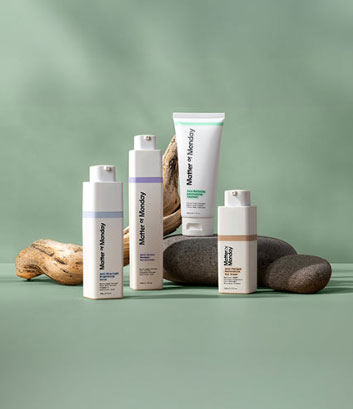
Raise your hand if you’ve been in more Zoom meetings than face to face meetings recently. Hey, we get it. It’s the new norm. The modern world. But boy is it hurting our skincare!  Whether it's back-to-back Zoom meetings, endless Slack pings, or the not-so-occasional “quick call,” we’re living in a world of screen time overload and your skin knows it.  Dullness. Puffiness. Breakouts. Eye bags that could qualify for flight carry-on.  This my friend is what we at Matter of Monday like to call Zoom fatigue skin, the modern complexion crisis no one asked for.  But here’s the good news: this isn’t permanent yet! Your skin can bounce back from this. With the right formulas - like Matter of Monday’s Anti-Blue Light Brightening Serum and Anti-Fatigue Restorative Eye Cream, you can fight the signs of screen burnout and get that glow back.  And yes, there’s real science behind it.  What Is Zoom Fatigue Doing to Your Skin, Anyway?  When we talk about “Zoom Fatigue Skin,” we’re really talking about the exhausting toll digital life takes on your face:  Blue light (a.k.a. HEV light) from screens penetrates deeper than UVB rays and triggers oxidative stress, leading to premature aging, hyperpigmentation, and inflammation.  Staring at screens for hours reduces blink rate and circulation around the eyes, increasing puffiness and dark circles.  Stress from digital fatigue triggers cortisol spikes that mess with your skin barrier, increasing sensitivity, breakouts, and dryness.  In short: the longer your face is lit by LED, the harder it works to keep up.  Quick Tips:  1. Lower your screen brightness and use night mode or blue light filters whenever possible. 2. Take a 20-second break every 20 minutes to look at something 20 feet away (yes, that’s a real thing. It’s called the 20-20-20 rule).  3. Hydrate like it’s your job. Your skin loves water more than your Wi-Fi loves buffering.  4. Sleep. No serum can replace 7+ hours of rest. Simple!  Solution #1: Anti-Blue Light Brightening Serum  This serum is like noise-cancelling headphones for your skin. It blocks out the harmful effects of blue light and reinforces your natural barrier, thanks to ingredients backed by actual clinical data.  Key Ingredients:  Microalgae Extract: Rich in antioxidants, this high-tech ingredient neutralizes blue light–induced free radicals before they can wreak havoc.  Niacinamide (Vitamin B3): Hugley on trend right now. You’ve probably already heard about it. Known for improving skin tone, strengthening the skin barrier, and calming inflammation basically, the MVP of modern skincare.  Licorice Root Extract: Brightens and fades hyperpigmentation, so your skin looks energized even if your brain isn’t.  How to Use:  Apply in the morning before moisturizer and again post-Zoom marathons if your skin’s feeling fried. It layers beautifully under makeup and instantly boosts luminosity. Think: dewy filter IRL.  Solution #2: Anti-Fatigue Restorative Eye Cream  Because your eyes shouldn’t look as exhausted as you schedule.  Whether it’s 6 hours of video calls or just one way too honest selfie, your under-eye area needs serious support. This eye cream is formulated to combat digital fatigue, fast.  Key Ingredients:  Peptides (Matrixyl 3000®): Clinically proven to stimulate collagen production and reduce fine lines. Yes, it works.  Caffeine: De-puffs and energizes tired eyes by boosting circulation.  Centella Asiatica (Cica): A K-beauty favorite known to calm irritation and fortify fragile skin. Real Talk:  This cream is like a good night sleep in a tube. In fact, scrap that - it’s like sleeping on a cloud - in a tube. Use it morning and night for refreshed, lifted, camera-ready eyes - even after a 14-hour Slack spiral.  Zoom Face, No More.  Zoom fatigue is real, but your skin doesn’t have to show it. With smart, science-backed formulas like Matter of Monday’s Anti-Blue Light Brightening Serum and Anti-Fatigue Restorative Eye Cream, you can protect, restore, and glow—no camera filters needed.  

Read more

How to Maintain Healthy Skin With (Almost) No Time

How to Maintain Healthy Skin With (Almost) No Time

Be honest - when was the last time you had 30 spare minutes just lying around? Between juggling work, travel, events and workouts, a 10 step skincare routine sounds more like a fantasy than real life.  But healthy skin doesn’t have to take a complicated lengthy process to achieve. With the right approach and strategy, you can keep your skin, protected, even, and hydrated no matter how hectic your schedule is. Here’s our methods.   1. Simplify your routine.  If your skincare products in the bathroom are starting to resemble a lab shelf, it’s time to simplify. It's the consistency we need, and an overwhelming arsenal of products is certainly not the right way to go.  So, how do you pick the core products? Here’s our trick - stick to these essentials: Cleanse. Treat. Protect.  That’s it. Nice and simple skincare.  The first point to start is with a facial cleanser. One that doesn’t strip your skin’s natural oils. Matter of Monday’s Pore-Refining Exfoliating Cleanser uses gentle ingredients such as fruit enzymes to dissolve the sweet,dirt and makeup and bamboo stem powder to strengthen the skin barrier.   2. Multi-Task Like a Boss. In a time crunch, your best bet is multitasking products that pack several benefits into one bottle.  Our Anti-Blue Light Brightening Serum hydrates with sodium hyaluronate, shields against screen-induced oxidative stress with micro-algae extract, and gives dull skin an instant refresh with vitamin C and rice bran extract.  That’s three wins in one quick pump!    3. Moisturizer is Mandatory.  Skipping moisturizer because you're “too busy” or “too oily” is like skipping water. It just doesn’t make sense! A good moisturizer doesn’t just keep your skin soft; it helps maintain a healthy barrier, which is your skin’s first defense against pollution, bacteria, and irritation.  Matter of Monday recommends choosing a breathable, fast-absorbing formula that won’t clog pores or leave a sticky residue. Our Anti-Stress Renewal Moisturizer is light weight and melts into the skin in seconds to give instant hydration and comfort.   4. Always apply sunscreen.  In 1997, Baz Luhrmann told us a fact that we couldn’t get out of our heads. “Always apply sunscreen.” And how right Baz was!  Sunscreen is non-negotiable. Keep a tinted SPF or moisturizer-with-SPF in your bag so you’re always protected—even on days when you’re applying in the car or during your elevator ride.    5. Night Mode: The 3-Minute Recharge.  Even if you’re collapsing into bed after a 14-hour day, don’t skip your PM routine. Think of it as skin recovery—just like a post-workout stretch.  Here’s your go-to:  Quick cleanse. A pump of moisturizer. Tap in a small amount of Anti-Fatigue Restorative Eye Cream for an overnight pampering and repair with its packed peptides and proteins.    6. Hydrate From the Inside Out.  Your skin is an organ (the largest one, btw), and it needs hydration like the rest of your body. Chug that water, eat those leafy greens, and don’t underestimate the power of eight hours of sleep.  No serum in the world can undo chronic dehydration or sleep deprivation. But they can support you when you're doing your best. Let's keep it simple—skin care, not skin stress. Your routine shouldn’t stress you out. It should be the thing that keeps you grounded. This is something small you do for you, even when life is flying by at 100 mph.  With Matter of Monday’s  streamlined, multi-functional, protective products and a better routine, great skin is totally possible, even when time isn’t on your side.  Because life moves fast—but that doesn’t mean your glow has to fall behind.

Read more

Premature Aging: Is Modern Life Accelerating Your Aging Process?

Premature Aging: Is Modern Life Accelerating Your Aging Process?

Some changes to our skin feel expected. Others sneak up earlier than we thought. A fine line here, a little dullness there, and suddenly you're wondering, Isn’t it too soon for this? If you’ve noticed your skin looking more tired lately—even with a solid routine—you’re not imagining it. The reality is, modern life can be pretty brutal on your skin, and it’s increasingly linked to premature aging. Three of the biggest factors? Chronic stress, constant screen exposure, and daily fatigue. We can’t always remove the stress or ditch our devices. And slowing down isn’t always an option. But we can give our skin the support it needs to recover and thrive—with smarter habits, science-backed ingredients, and routines that fit into real life. What Premature Aging Really Looks Like Let’s start here. “Premature aging” isn’t about chasing youth or avoiding every wrinkle. It’s about how our skin responds to what we’re exposed to—especially in our 20s and 30s, when it should still be resilient and radiant. Some common signs that tend to show up earlier than expected: A lack of glow that’s hard to bring back Fine lines around the eyes or mouth Uneven skin tone or rougher texture A feeling of thinness or dryness, even with moisturizers These shifts don’t mean something is wrong. But they can be clues that our skin is under more pressure than it can easily recover from. And that pressure isn’t just environmental—it often comes from the pace we move through each day. How Blue Light from Screens Uniquely Impacts Your Skin We’re all familiar with UV rays. But blue light—the high-energy visible light emitted by phones, laptops, tablets, and even LED bulbs—is just as relevant to skin health, though far less talked about. Unlike UVB, blue light doesn’t burn your skin. But it penetrates deeper, reaching the dermis where collagen and elastin are produced. Over time, that deep reach can create real challenges: Increased oxidative stress Pigmentation and discoloration Disruption to skin’s natural repair rhythms Collagen breakdown that contributes to fine lines Most of us are exposed to blue light for hours every day, often without thinking twice. That doesn’t mean you need to avoid screens completely—life doesn’t work that way. But it does mean your skin needs a little extra support to stay balanced and protected. What We Recommend: Anti-Blue Light Brightening Serum – Helps shield skin from screen-induced oxidative stress and supports radiance Anti-Stress Renewal Moisturizer – Rebuilds and strengthens the skin barrier after daily digital exposure The Behind-the-Scenes Effects of Stress on Skin Stress isn’t just something we feel—it triggers a physical response in the body that shows up on the skin, too. When we’re under pressure, the body produces more of the hormone cortisol, which plays a major role in how the skin ages. When cortisol stays elevated over time, it can: Slow down healthy skin cell turnover Dehydrate the moisture barrier Trigger sensitivity, redness, and irritation Break down collagen and elastin You might notice a dull cast to the skin, or a general lack of bounce or clarity. These are common signs that the skin is trying to keep up, but needs more support. It’s not about eliminating stress completely (wouldn’t that be nice?). It’s about helping your skin stay steady in the face of it. What We Recommend: The Monday Bundle – A complete routine designed for skin that’s balancing daily stress and digital exposure Why Fatigue Shows Up on Your Face First We tend to think of tiredness as something we feel. But often, it’s visible—especially on your face. Long hours, back-to-back meetings, poor sleep, and general mental exhaustion all contribute to how your skin looks and functions. And the under-eye area is one of the first places to show it. That’s because the skin there is especially delicate—thinner, with fewer oil glands and less natural padding. It’s more prone to: Puffiness from poor circulation Discoloration and dark circles Fine lines and creasing Loss of firmness and hydration Even if you’re technically “rested,” fatigue from overstimulation and daily pressure can still wear on your skin. That’s where targeted support really helps. What We Recommend: Anti-Fatigue Restorative Eye Cream – Helps reduce puffiness, brighten dark circles, and refresh tired-looking skin with a blend of caffeine, peptides, and calming botanicals. Small Habits That Make a Difference Sometimes the most effective skincare tweaks aren’t about adding more. They’re about doing small things a little differently. Here are a few daily habits that have a sneaky way of accelerating aging when repeated over time: Skipping screen breaks: Increases oxidative stress and overstimulates the nervous system Falling asleep with devices on: Blue light disrupts melatonin and nighttime skin repair Dry environments: Heating, A/C, or office air can zap moisture from your skin Not drinking enough water: Dehydration deepens fine lines and dulls the complexion Forgetting to reapply moisturizer: Your barrier needs reinforcement throughout the day These aren’t judgment calls. They’re gentle nudges. Tiny adjustments—like stepping away from the screen for five minutes every hour or drinking an extra glass of water—can truly make a difference. Seek Out Ingredients That Help Skin Stay Resilient At Matter of Monday, every ingredient in our formulas has a purpose. Instead of overwhelming your routine, we focus on smart, minimal skincare that addresses the real challenges modern skin faces. Here are four standout ingredients when it comes to protecting your skin from stress, screens, and fatigue: Pepha®-Age (Micro-Algae)Shields the skin from the effects of blue light, helping to prevent dullness and pigmentation caused by screen exposure. Matrixyl 3000®A peptide complex that stimulates collagen production and smooths the appearance of fine lines and early wrinkles. Sodium HyaluronateA smaller form of hyaluronic acid that binds deep moisture into the skin—perfect for recovering from long days and dry environments. Chamomile ExtractA calming botanical that helps reduce redness and irritation from stress or overstimulation. These ingredients work in tandem to support skin’s natural resilience—not overnight miracles, but steady, visible results that add up. Stay Ahead of the Aging Curve Skin changes don’t always come with a warning. One week everything looks fine, and the next, you’re noticing dark circles, dryness, or that lingering “tired” look—even after a good night’s sleep. If that sounds familiar, here’s your reminder: you don’t need to chase perfection or commit to a 12-step routine. You just need something that fits your day—and supports your skin in the process. Matter of Monday is here for that. Our formulas are designed to fight back against stress, screen exposure, and fatigue—without slowing you down. Explore the collection created for professionals who live in the fast lane and want their skin to keep up.

Read more

Tired Skincare? Discover How Rice Bran Revives Dull, Dry Skin

Tired Skincare? Discover How Rice Bran Revives Dull, Dry Skin

Had days when your skin just looked “meh” rather than “glow”? Hey, we all have them. But, it might be time to call in a new ingredient - a new savior to the skincare battle - and no, it's not another buzzy acid or mystery oil from the deep depths of the Amazon. It's actually something surprisingly down-to-earth and simple: Rice Bran. And guess what? This plant-based powerhouse is about to become your dry skin’s new BFF. Whether you’re dealing with post-winter dullness, dehydration, or just that general “my skin looks as tired as I feel” vibes, rice bran is going to change that. It’s natural, powerful and, most importantly, it works. First, What Actually Is Rice Bran? Time to don our science hats for a second. Rice bran is derived from the outer layer of the rice grain — which is often overlooked, but boy is it packed with nutrients.  Think amino acids, peptides, antioxidants, and vitamins like B and E. In short: a full buffet of skin-loving goodness, minus the irritation that can sometimes come with those stronger actives. But what’s the big deal? Well, it’s not just a protector of the skin. Oh no, it doesn’t just sit on your skin looking pretty, thinking “job done”.  It gets to work, first with restoring and then with defending. So, it’s a big deal with tired skin. We’d be lying if we said we hadn’t been giving “tired skin” vibes at some point, right?  It happens to the best of us! And as much as a strong triple-shot latte can boost the mindset, the skin needs something more. With rice bran, it’s amino acids help stimulate collagen production. This basically means firmer skin that looks brighter and much more awake. Not only that, it then focuses on repairing the skin cells. So, finally all that pollution, blue light and hormonal drama has a fight on it’s hands. How Rice Bran Helps Dry Skin If you thought dry skin was just about lacking moisturizer then, well yes, you’re partly right, but it also means the skin’s barrier has been compromised. A big no no! This means, adding moisture won’t resolve the dry skin issue alone, it needs a quality to seal it in. Rice bran has rich emollient properties that do just that. Without that sealing effect, all your hyaluronic acids and fancy serums struggle to maximize their results. Rich Bran = Heaps of Antioxidants Rice bran isn’t just here to hydrate — it’s bringing the whole skincare entourage. Packed with antioxidants like ferulic acid and those show-offy vitamin E cousins (a.k.a. tocopherols). Again, it’s all about shielding your skin. This is what’s needed for results. Protecting, soothing, brightening, and softening — all at once. Ok, where can I find it? Funny you should ask! Rice bran features in a number of our products, including our popular Anti-Blue Light Brightening Serum and our Anti-Fatigue Restorative Eye Cream So, let’s make skincare simple. No more ten-step routines or funny-named ingredients from the hidden amazon. It’s stress-free skincare with Matter of Monday.

Read more

Illustration of women's skin

What Does Blue Light Do for Skin? Everything You Need to Know

Key Highlights Blue light comes from both the sun and digital screens, but sunlight exposes your skin to far more blue light overall. Blue light may contribute to oxidative stress, pigmentation, inflammation, and early signs of aging over time. UV rays remain far more damaging than blue light for sunburn, collagen breakdown, and skin cancer risk. Excessive screen time may indirectly stress skin by disrupting sleep quality and recovery. Tinted sunscreen, antioxidants, and barrier-supportive skincare can help protect skin from everyday environmental stressors. Dermatology blue light therapy differs from screen exposure because it uses controlled wavelengths to target concerns like acne. Matter of Monday focuses on barrier-supportive, antioxidant-rich skincare for stressed, screen-exposed skin and modern lifestyles. From work meetings to late-night scrolling, screens are now part of almost every moment of daily life. Adults average more than 6 hours and 37 minutes of screen time each day, raising growing questions about whether constant exposure to blue light from phones, laptops, and TVs could also be affecting skin health. The problem is that the advice online is all over the place. Some people claim blue light causes wrinkles and dark spots, while others say it does nothing at all. That makes it hard to know what’s actually true. In this guide, we’ll break down what blue light really does to your skin, whether phones and screens are something to worry about, and the best ways to protect your skin without overcomplicating your routine. What Is Blue Light? Blue light is a type of light that comes from both the sun and everyday devices like phones, laptops, tablets, TVs, and LED lights. While people usually blame screens, the sun actually exposes your skin to way more blue light than your devices do. That said, growing interest around blue light and skincare has led many people to question whether long hours of daily screen exposure could play a role in concerns like dullness, uneven tone, and early signs of aging. What Does Blue Light Do to Your Skin? When blue light reaches your skin, it can penetrate deeper layers and trigger oxidative stress. In simple terms, that means your skin starts dealing with more free radicals, which can put extra stress on healthy skin cells over time. These are some of the most commonly discussed blue light skin effects: 1. Hyperpigmentation and Dark Spots If you struggle with melasma, post-acne marks, or uneven skin tone, blue light may be something worth paying attention to. One study found that blue light exposure caused longer-lasting pigmentation in deeper skin tones, which may explain why dark spots can sometimes appear more stubborn over time. 2. Premature Aging Blue light is not the biggest cause of skin aging, but researchers are still looking into how it may affect skin over time. One study found that blue light exposure increased oxidative stress in skin cells, which is one of the processes linked to visible skin aging. 3. Collagen Breakdown Collagen is what helps keep your skin looking firm, smooth, and bouncy. Some researchers believe blue light may affect collagen production over time by increasing oxidative stress in the skin, which could gradually impact skin firmness and elasticity. 4. Inflammation and Redness If your skin is already sensitive or reactive, blue light may trigger more inflammation and redness. This can be especially frustrating for people dealing with irritation, sensitivity, or uneven skin tone. 5. Skin Barrier Stress Your skin barrier helps lock in moisture and keep irritants out. When it becomes stressed, skin can start feeling dry, tight, irritated, or more sensitive than usual. Overall, blue light is probably not the biggest threat to your skin, especially compared to UV rays and sun exposure. But as research continues, experts believe it may still play a small role in pigmentation, premature aging, and overall skin stress, particularly for people who already struggle with sensitivity or dark spots. Also, if dull, dry, tired-looking skin has been showing up more lately, this guide explores how rice bran can help revive stressed skin and support a healthier glow. Phone Blue Light Effect on Skin: Should You Be Worried? If your skin looks more tired after long workdays and late-night scrolling, your phone may not be the only reason, but modern screen-heavy lifestyles can still add to overall skin stress over time. Here’s what actually matters more than the scary social media claims: Your skin spends way more time indoors now: Between office lighting, air conditioning, stress, and staring at screens all day, skin can start looking dull, dehydrated, and tired even if you are not spending much time outside. Dark spots can feel harder to fade: If you already deal with melasma or post-acne marks, visible light exposure may make pigmentation more stubborn over time, especially in deeper skin tones. Late-night scrolling shows up on your face: When you stay up too late on your phone, your skin misses out on quality overnight recovery time. That is usually when skin starts looking puffier, duller, or more irritated the next morning. Screen-heavy days usually come with other skin stress too: Long workdays often mean less water, more stress, less sleep, and more time indoors. Honestly, those habits usually affect your skin more noticeably than your phone alone. Your under-eyes often feel it first: Puffiness, dryness, tired-looking eyes, and that overall “screen fatigue” look tend to become more obvious after hours of staring at laptops and phones without enough breaks. So no, your phone is probably not aging your skin overnight. But modern lifestyles can absolutely leave skin looking more stressed, tired, and unbalanced over time, which is why good sleep, hydration, sunscreen, and barrier-supportive skincare still matter so much. If breakouts keep showing up out of nowhere, this guide explains why stress and acne are more connected than you think. Is Blue Light Therapy Different From Blue Light Damage? This is where things get confusing. On one hand, people talk about blue light causing skin stress and pigmentation. On the other hand, dermatologists actually use blue light treatments to help certain skin conditions. The difference mostly comes down to how the blue light is being used. Blue Light From Screens Blue Light Therapy Comes from phones, laptops, TVs, and LED lights Used in dermatology clinics and professional treatments Low-level exposure throughout the day Controlled exposure for short treatment sessions Mostly linked to oxidative stress and pigmentation concerns Commonly used to help treat acne Exposure is unregulated and ongoing Specific wavelengths and intensities are carefully controlled Concern is long-term environmental stress on the skin The goal is to target acne-causing bacteria and inflammation So when people ask whether blue light affects skin, the answer depends a lot on the type of exposure we’re talking about. How Can You Protect Your Skin From Blue Light? You really don’t need to panic every time someone on TikTok says your phone is aging your skin. Most dermatologists agree that blue light is more of an “extra stressor” than the main reason behind wrinkles or dark spots. So instead of building an entirely separate blue light skincare routine, it makes more sense to focus on habits that support your skin overall. Here are a few practical things that can actually help: 1. Switch to a Tinted Sunscreen if You Deal With Dark Spots If you have melasma, post-acne marks, or uneven skin tone, try using a tinted mineral sunscreen during the day instead of a clear SPF. Tinted formulas usually contain iron oxides, which help protect against visible light exposure better than regular sunscreen alone. Apply it as the last step in your morning routine and reapply if you spend long hours near windows or outdoors. 2. Use Antioxidants Before Daytime Exposure Instead of saving all your skincare for nighttime, apply antioxidant products in the morning so your skin has support throughout the day. Products like the Anti-Blue Light Brightening Serum are designed for screen-heavy lifestyles and usually combine ingredients like vitamin C, niacinamide, and microalgae extract to help reduce oxidative stress caused by sunlight, pollution, and long hours in front of screens. You can use it in the morning for antioxidant support throughout the day or at night to help skin recover from everyday environmental stress. 3. Focus on Your Skin Barrier Before Trendy Products If your skin already feels dry, irritated, or stressed, constantly layering strong actives usually makes things worse. A lightweight barrier-supporting moisturizer like the Anti-Stress Renewal Moisturizer can help keep skin hydrated and support the skin barrier during long workdays spent indoors under artificial lighting. 4. Lower Screen Brightness at Night Your phone probably isn’t causing major skin damage, but bright screens late at night can affect sleep quality. Try lowering your screen brightness, enabling night mode, or avoiding scrolling 30 to 60 minutes before bed. Better sleep helps your skin repair itself properly overnight. 5. Keep Your Skin Barrier Strong Over-exfoliating and constantly trying new skincare products can leave your skin barrier stressed and more reactive. Focus on a simple routine with a gentle cleanser, moisturizer, and hydrating ingredients like ceramides or hyaluronic acid to help your skin stay balanced and resilient. 6. Give Extra Attention to the Eye Area Long hours in front of screens often show up around the eyes first. Puffiness, dryness, and tired-looking under-eyes can become more noticeable with poor sleep and screen fatigue. Using something like the Anti-Fatigue Restorative Eye Cream at night can help the eye area look more refreshed by morning. At the end of the day, your skin is dealing with way more than just blue light. Sun exposure, stress, lack of sleep, dehydration, and overdoing skincare usually have a much bigger impact, which is why consistency and simple habits matter more than trendy “blue light protection” products. Why Matter of Monday Is Made for Modern, Stressed-Out Skin? Modern life is honestly kind of exhausting for your skin. Long workdays, constant screen time, stress, late nights, pollution, indoor air, not drinking enough water... it all starts adding up after a while. Sometimes your skin just ends up looking dull, tired, irritated, or “blah” even when you are trying to do everything right. That’s why Matter of Monday keeps skincare simple and focused on what stressed skin actually needs. Instead of leaning into scary “blue light damage” trends, the focus is on supporting your skin barrier and helping skin stay balanced, hydrated, and comfortable through everyday life. The formulas are packed with antioxidant-rich and barrier-supportive ingredients designed for modern routines, especially if your days involve lots of screens, stress, indoor environments, and not enough sleep. If your skin has been feeling more tired, dull, dehydrated, or reactive lately, check out Matter of Monday’s skincare collection and find products designed to support stressed-out skin in real life. Final Thoughts Your phone probably isn’t secretly destroying your skin, but modern lifestyles can still leave skin looking more tired, stressed, and reactive over time. Long workdays, screen exposure, poor sleep, stress, and environmental damage all tend to build on each other quietly in the background. That’s why the goal shouldn’t be obsessing over every source of blue light. It should be keeping your skin strong enough to handle modern everyday stress through consistent sunscreen, antioxidant support, hydration, and a healthy skin barrier. Frequently Asked Questions Are there ways to reverse skin damage caused by blue light? Yes, improving everyday habits can help support healthier skin and reduce potential damage linked to blue light exposure. Dermatology providers may recommend antioxidants, blue light filters, sunscreen with titanium dioxide, or professional treatments depending on your skin concerns. Does blue light affect skin? Yes, blue light can affect skin by contributing to oxidative stress, pigmentation, inflammation, and premature aging over time. The effects of blue light on skin are usually more noticeable in people dealing with dark spots, sensitivity, or melasma. What does blue UV light do for skin? Blue light and UV light affect the skin differently, but both can contribute to skin stress over time. While UV radiation is more strongly linked to sun damage and premature aging, blue light may also play a role in pigmentation, oxidative stress, and uneven skin tone. Do you need a complicated skincare routine for stressed skin? Not usually. Most dermatologists recommend focusing on simple routines with hydration, sunscreen, antioxidants, and barrier-supportive ingredients instead of constantly layering trendy products. Brands like Matter of Monday take a simpler approach for this reason. Can blue light make rosacea worse? Yes, blue light may worsen redness and inflammation in some people with rosacea, especially after long periods in front of digital screens. Heat from electronic devices, fluorescent lighting, and overall skin sensitivity can also affect the skin’s response over time. Is blue light aging your skin? Blue light may contribute to premature skin aging by increasing oxidative stress and affecting collagen levels over time. While UV radiation and UVB rays remain far more damaging, the growing concern around digital devices comes from their long-term impact on skin appearance. Why does my skin look more tired after long workdays indoors? Long hours indoors under artificial lighting, screen exposure, air conditioning, stress, and dehydration can all leave skin looking tired and unbalanced. That’s why brands like Matter of Monday focus on barrier-supportive and antioxidant-rich skincare for modern lifestyles. Can you reverse blue light damage on the skin? Some blue light-related skin concerns can improve with consistent sun protection, antioxidants like vitamin E, and barrier-supportive skincare. Treatments like chemical peels and laser treatments may also help improve pigmentation, uneven texture, and other visible side effects over time.
Read more