Ultimate Spring Skincare Guide: How to Achieve Naturally Glowing Skin
Learn how to keep the skin glowing with simple tips for hydration, skincareroutines, and lifestyle changes for a radiant complexion.
Free Shipping Over $50. Risk-Free Promise. 30 Day Money-Back Guarantee.
Designed for screen-heavy days and high-performing lives, Matter of Monday empowers modern professionals with effortless skincare that protects, restores, and re-energizes.
Self-care always matters, especially on busy Mondays.
Mondays can be tough, hitting hard, demanding a lot and leaving little time for self-care. Our founder Jiajia Sollers knows this all too well. As the CFO of a fast-paced hedge fund, she experienced this pressure firsthand, all the stress, fatigue and prolonged screen time taking a toll on her skin.
Determined to find a remedy, Jiajia began experimenting at home. She wasn’t looking for another quick fix, she wanted a smarter, more sustainable way to keep skin protected before the damage even started. One experiment led to another; passion progressed to deep research. Her personal project grew into a mission. She wanted to create a new skincare routine, a movement, a special solution for all busy professionals. Mondays may be relentless, but skincare should be effortless.
And so, Matter of Monday was born.
Rise and shine with Matter of Monday, modern skincare designed for stress, blue light protection and digital aging defense. Prevention before premature aging. Nourishment before dullness. Clarity before burnout shows on the skin.
Skincare shouldn’t be complicated or confined to the bathroom. Matter of Monday is created for life at work and in motion, with multi-tasking formulas and travel-ready design. So you can have a quick refresh at your desk, between meetings, or while traveling. Self-care should be simple, spontaneous, and still effective.
The name Matter of Monday is a reminder of intentional self-care as your week begins. Even on demanding days, protective skincare helps you show up radiant, composed, and confident.
Ultimate Spring Skincare Guide: How to Achieve Naturally Glowing Skin
Learn how to keep the skin glowing with simple tips for hydration, skincareroutines, and lifestyle changes for a radiant complexion.
Read more
The Dark Side of Blue Light: Your Skin’s Silent Enemy
Discover the truth about blue light and its impact on the skin. Learnhow to protect against aging, pigmentation, and more.
Read more
Stress Acne and A Simple Skincare Guide That Works
You’re working late, juggling endless deadlines, trying to keep up with emails and right on cue, a breakout appears. It’s frustrating, but it’s not a coincidence. Stress directly affects your skin, and those breakouts are a physiological response to what’s happening in your body. When we experience stress, our bodies release cortisol, a hormone that triggers a chain reaction: it stimulates oil production, weakens the skin barrier, and increases inflammation. The result? Stubborn, stress-induced acne that seems to appear out of nowhere and overstays its welcome. The good news? You don’t need an elaborate skincare overhaul to manage it. By understanding the root cause of stress acne and making smart, preventative changes, both in your skincare and your lifestyle, you can take back control. This article is your guide to managing stress breakouts with clarity, calm, and minimal effort. Stress Acne vs. Hormonal Acne: What’s the Difference? Not all acne behaves the same, and recognizing the pattern of your breakouts is the first step toward treating them effectively. Stress acne has a distinct fingerprint and if you’re breaking out in response to your schedule rather than your cycle, this section is for you. Unlike hormonal acne, which tends to present as deep, cystic breakouts along the chin and jawline around specific times of the month, stress acne is often more sudden and widespread. You might notice clusters of inflamed pimples across your cheeks, jaw, and forehead, especially after an intense week or during periods of sleep deprivation. Another major difference? Healing time. Stress-related breakouts tend to linger longer due to increased inflammation and impaired skin recovery, two things cortisol is directly responsible for. Factor Stress Acne Hormonal Acne What Triggers It Elevated cortisol from stress Monthly hormone fluctuations Type of Breakout Red, inflamed pimples Deep, cystic bumps When It Flares Up During high-stress events Before/during menstruation Time it Takes to Heal Slower due to inflammation Longer but follows a cycle If your skin tends to act up during high-pressure periods, before meetings, after all-nighters, or during emotionally intense weeks, it’s likely you're dealing with stress acne. That means your strategy should focus not only on treatment but on prevention and stress reduction. The Science Behind Stress Breakouts Stress acne isn’t just a skin issue it’s your body’s chemical response to emotional and mental overload. When you're under pressure, your adrenal glands release cortisol, a hormone that throws off your skin’s natural balance in three major ways: 1. Cortisol Increases Oil Production Cortisol signals your sebaceous glands to ramp up oil production. While your skin naturally produces sebum to stay protected, excess oil mixes with dead skin cells and bacteria to clog pores resulting in new breakouts or aggravating existing ones. 2. Inflammation Worsens Acne and Slows Healing Stress increases systemic inflammation, which weakens the skin’s protective barrier. This leaves it more vulnerable to bacteria and irritants. Inflamed pores are not only more painful, but they also trap acne-causing bacteria, making blemishes more stubborn and red. 3. Stress Slows Down Skin Regeneration Cortisol interferes with your skin’s ability to renew and repair itself. That means breakouts take longer to fade, and the risk of post-inflammatory hyperpigmentation increases. Stress doesn’t just cause new acne it makes old breakouts harder to get rid of. This cycle, excess oil, inflammation, and delayed healing, is what makes stress acne so persistent. But with the right skincare approach, you can interrupt this process and start seeing clearer skin again. The Best Skincare Routine for Stress Acne Skincare for stress acne isn’t about doing more, it’s about doing what works. Your skin is already under pressure, so your products should support it, not stress it out further. The goal here is to clear clogged pores, soothe inflammation, and reinforce the skin’s barrier. Start with ingredients that counter cortisol’s effects and calm inflammation: Salicylic Acid helps exfoliate inside pores, dissolving oil and clearing breakouts before they worsen. Niacinamide reduces redness, supports the skin’s barrier, and helps regulate sebum production. Peptides and antioxidants promote skin repair and neutralize free radicals caused by stress. What We Recommend: Pore-Refining Exfoliating Cleanser – Clears away debris and excess oil without stripping skin. Anti-Stress Renewal Moisturizer – Soothes, hydrates, and helps protect against stress-triggered irritation. Morning Routine: Start your day with a clean slate with these three easy steps. Use a gentle or salicylic acid-based cleanser to remove oil buildup. Follow with an antioxidant serum to reduce inflammation and Finish with a lightweight, hydrating moisturizer that supports your barrier through the workday. Evening Routine: After a long day, double cleansing can help remove both oil and environmental stress. These quick and easy steps can accomplish both tasks: Apply a niacinamide- or peptide-based serum for targeted repair Finish with a moisturizer that restores hydration and strengthens the skin overnight. That’s it! Consistency is key. Even a minimalist routine, when done consistently, can dramatically improve your skin’s ability to fight back against stress. Lifestyle Fixes: Managing Stress Without Overloading Yourself You’re already busy. That’s exactly why stress acne is happening in the first place. The last thing you need is a 12-step program or advice that requires you to overhaul your life. What you need are small, manageable shifts that make a difference over time. Prioritize “Micro-Moments” of Relief You don’t need a meditation app or a weekend retreat to lower cortisol. What you do need are moments of calm woven into your day. A single minute of deep breathing before a meeting, a walk around the block between tasks, or setting your phone down at dinner can reset your nervous system and reduce your skin’s inflammatory response. Support Your Skin from the Inside Out Stress can increase dehydration, which in turn affects your skin’s ability to stay supple and balanced. Try sipping water throughout the day and reaching for foods rich in vitamin C, omega-3s, and zinc—nutrients known to support skin health during times of stress. Protect Against Blue Light Exposure Screen time is unavoidable, but the effects of blue light are manageable. HEV light from phones and computers can generate free radicals, leading to dullness and skin fatigue. Using a blue light-protective serum and taking breaks away from screens are two ways to minimize damage without making your day harder. What We Recommend: Anti-Blue Light Brightening Serum – Designed to shield your skin from the daily effects of screens. Clear Skin Starts with a Clear Strategy Stress might be a part of life, but stress acne doesn’t have to be. The key isn’t perfection, it’s intention. With the right skincare, a few consistent habits, and products that are built for modern stress, your skin can look and feel more resilient, even on your busiest days. Want skincare that works as hard as you do? Explore Matter of Monday’s stress-proof essentials, science-backed solutions designed for the way you really live.
Read more
Premature Aging: Is Modern Life Accelerating Your Aging Process?
Some changes to our skin feel expected. Others sneak up earlier than we thought. A fine line here, a little dullness there, and suddenly you're wondering, Isn’t it too soon for this? If you’ve noticed your skin looking more tired lately—even with a solid routine—you’re not imagining it. The reality is, modern life can be pretty brutal on your skin, and it’s increasingly linked to premature aging. Three of the biggest factors? Chronic stress, constant screen exposure, and daily fatigue. We can’t always remove the stress or ditch our devices. And slowing down isn’t always an option. But we can give our skin the support it needs to recover and thrive—with smarter habits, science-backed ingredients, and routines that fit into real life. What Premature Aging Really Looks Like Let’s start here. “Premature aging” isn’t about chasing youth or avoiding every wrinkle. It’s about how our skin responds to what we’re exposed to—especially in our 20s and 30s, when it should still be resilient and radiant. Some common signs that tend to show up earlier than expected: A lack of glow that’s hard to bring back Fine lines around the eyes or mouth Uneven skin tone or rougher texture A feeling of thinness or dryness, even with moisturizers These shifts don’t mean something is wrong. But they can be clues that our skin is under more pressure than it can easily recover from. And that pressure isn’t just environmental—it often comes from the pace we move through each day. How Blue Light from Screens Uniquely Impacts Your Skin We’re all familiar with UV rays. But blue light—the high-energy visible light emitted by phones, laptops, tablets, and even LED bulbs—is just as relevant to skin health, though far less talked about. Unlike UVB, blue light doesn’t burn your skin. But it penetrates deeper, reaching the dermis where collagen and elastin are produced. Over time, that deep reach can create real challenges: Increased oxidative stress Pigmentation and discoloration Disruption to skin’s natural repair rhythms Collagen breakdown that contributes to fine lines Most of us are exposed to blue light for hours every day, often without thinking twice. That doesn’t mean you need to avoid screens completely—life doesn’t work that way. But it does mean your skin needs a little extra support to stay balanced and protected. What We Recommend: Anti-Blue Light Brightening Serum – Helps shield skin from screen-induced oxidative stress and supports radiance Anti-Stress Renewal Moisturizer – Rebuilds and strengthens the skin barrier after daily digital exposure The Behind-the-Scenes Effects of Stress on Skin Stress isn’t just something we feel—it triggers a physical response in the body that shows up on the skin, too. When we’re under pressure, the body produces more of the hormone cortisol, which plays a major role in how the skin ages. When cortisol stays elevated over time, it can: Slow down healthy skin cell turnover Dehydrate the moisture barrier Trigger sensitivity, redness, and irritation Break down collagen and elastin You might notice a dull cast to the skin, or a general lack of bounce or clarity. These are common signs that the skin is trying to keep up, but needs more support. It’s not about eliminating stress completely (wouldn’t that be nice?). It’s about helping your skin stay steady in the face of it. What We Recommend: The Monday Bundle – A complete routine designed for skin that’s balancing daily stress and digital exposure Why Fatigue Shows Up on Your Face First We tend to think of tiredness as something we feel. But often, it’s visible—especially on your face. Long hours, back-to-back meetings, poor sleep, and general mental exhaustion all contribute to how your skin looks and functions. And the under-eye area is one of the first places to show it. That’s because the skin there is especially delicate—thinner, with fewer oil glands and less natural padding. It’s more prone to: Puffiness from poor circulation Discoloration and dark circles Fine lines and creasing Loss of firmness and hydration Even if you’re technically “rested,” fatigue from overstimulation and daily pressure can still wear on your skin. That’s where targeted support really helps. What We Recommend: Anti-Fatigue Restorative Eye Cream – Helps reduce puffiness, brighten dark circles, and refresh tired-looking skin with a blend of caffeine, peptides, and calming botanicals. Small Habits That Make a Difference Sometimes the most effective skincare tweaks aren’t about adding more. They’re about doing small things a little differently. Here are a few daily habits that have a sneaky way of accelerating aging when repeated over time: Skipping screen breaks: Increases oxidative stress and overstimulates the nervous system Falling asleep with devices on: Blue light disrupts melatonin and nighttime skin repair Dry environments: Heating, A/C, or office air can zap moisture from your skin Not drinking enough water: Dehydration deepens fine lines and dulls the complexion Forgetting to reapply moisturizer: Your barrier needs reinforcement throughout the day These aren’t judgment calls. They’re gentle nudges. Tiny adjustments—like stepping away from the screen for five minutes every hour or drinking an extra glass of water—can truly make a difference. Seek Out Ingredients That Help Skin Stay Resilient At Matter of Monday, every ingredient in our formulas has a purpose. Instead of overwhelming your routine, we focus on smart, minimal skincare that addresses the real challenges modern skin faces. Here are four standout ingredients when it comes to protecting your skin from stress, screens, and fatigue: Pepha®-Age (Micro-Algae)Shields the skin from the effects of blue light, helping to prevent dullness and pigmentation caused by screen exposure. Matrixyl 3000®A peptide complex that stimulates collagen production and smooths the appearance of fine lines and early wrinkles. Sodium HyaluronateA smaller form of hyaluronic acid that binds deep moisture into the skin—perfect for recovering from long days and dry environments. Chamomile ExtractA calming botanical that helps reduce redness and irritation from stress or overstimulation. These ingredients work in tandem to support skin’s natural resilience—not overnight miracles, but steady, visible results that add up. Stay Ahead of the Aging Curve Skin changes don’t always come with a warning. One week everything looks fine, and the next, you’re noticing dark circles, dryness, or that lingering “tired” look—even after a good night’s sleep. If that sounds familiar, here’s your reminder: you don’t need to chase perfection or commit to a 12-step routine. You just need something that fits your day—and supports your skin in the process. Matter of Monday is here for that. Our formulas are designed to fight back against stress, screen exposure, and fatigue—without slowing you down. Explore the collection created for professionals who live in the fast lane and want their skin to keep up.
Read more
How to Maintain Healthy Skin With (Almost) No Time
Be honest - when was the last time you had 30 spare minutes just lying around? Between juggling work, travel, events and workouts, a 10 step skincare routine sounds more like a fantasy than real life. But healthy skin doesn’t have to take a complicated lengthy process to achieve. With the right approach and strategy, you can keep your skin, protected, even, and hydrated no matter how hectic your schedule is. Here’s our methods. 1. Simplify your routine. If your skincare products in the bathroom are starting to resemble a lab shelf, it’s time to simplify. It's the consistency we need, and an overwhelming arsenal of products is certainly not the right way to go. So, how do you pick the core products? Here’s our trick - stick to these essentials: Cleanse. Treat. Protect. That’s it. Nice and simple skincare. The first point to start is with a facial cleanser. One that doesn’t strip your skin’s natural oils. Matter of Monday’s Pore-Refining Exfoliating Cleanser uses gentle ingredients such as fruit enzymes to dissolve the sweet,dirt and makeup and bamboo stem powder to strengthen the skin barrier. 2. Multi-Task Like a Boss. In a time crunch, your best bet is multitasking products that pack several benefits into one bottle. Our Anti-Blue Light Brightening Serum hydrates with sodium hyaluronate, shields against screen-induced oxidative stress with micro-algae extract, and gives dull skin an instant refresh with vitamin C and rice bran extract. That’s three wins in one quick pump! 3. Moisturizer is Mandatory. Skipping moisturizer because you're “too busy” or “too oily” is like skipping water. It just doesn’t make sense! A good moisturizer doesn’t just keep your skin soft; it helps maintain a healthy barrier, which is your skin’s first defense against pollution, bacteria, and irritation. Matter of Monday recommends choosing a breathable, fast-absorbing formula that won’t clog pores or leave a sticky residue. Our Anti-Stress Renewal Moisturizer is light weight and melts into the skin in seconds to give instant hydration and comfort. 4. Always apply sunscreen. In 1997, Baz Luhrmann told us a fact that we couldn’t get out of our heads. “Always apply sunscreen.” And how right Baz was! Sunscreen is non-negotiable. Keep a tinted SPF or moisturizer-with-SPF in your bag so you’re always protected—even on days when you’re applying in the car or during your elevator ride. 5. Night Mode: The 3-Minute Recharge. Even if you’re collapsing into bed after a 14-hour day, don’t skip your PM routine. Think of it as skin recovery—just like a post-workout stretch. Here’s your go-to: Quick cleanse. A pump of moisturizer. Tap in a small amount of Anti-Fatigue Restorative Eye Cream for an overnight pampering and repair with its packed peptides and proteins. 6. Hydrate From the Inside Out. Your skin is an organ (the largest one, btw), and it needs hydration like the rest of your body. Chug that water, eat those leafy greens, and don’t underestimate the power of eight hours of sleep. No serum in the world can undo chronic dehydration or sleep deprivation. But they can support you when you're doing your best. Let's keep it simple—skin care, not skin stress. Your routine shouldn’t stress you out. It should be the thing that keeps you grounded. This is something small you do for you, even when life is flying by at 100 mph. With Matter of Monday’s streamlined, multi-functional, protective products and a better routine, great skin is totally possible, even when time isn’t on your side. Because life moves fast—but that doesn’t mean your glow has to fall behind.
Read more
Tired Skincare? Discover How Rice Bran Revives Dull, Dry Skin
Had days when your skin just looked “meh” rather than “glow”? Hey, we all have them. But, it might be time to call in a new ingredient - a new savior to the skincare battle - and no, it's not another buzzy acid or mystery oil from the deep depths of the Amazon. It's actually something surprisingly down-to-earth and simple: Rice Bran. And guess what? This plant-based powerhouse is about to become your dry skin’s new BFF. Whether you’re dealing with post-winter dullness, dehydration, or just that general “my skin looks as tired as I feel” vibes, rice bran is going to change that. It’s natural, powerful and, most importantly, it works. First, What Actually Is Rice Bran? Time to don our science hats for a second. Rice bran is derived from the outer layer of the rice grain — which is often overlooked, but boy is it packed with nutrients. Think amino acids, peptides, antioxidants, and vitamins like B and E. In short: a full buffet of skin-loving goodness, minus the irritation that can sometimes come with those stronger actives. But what’s the big deal? Well, it’s not just a protector of the skin. Oh no, it doesn’t just sit on your skin looking pretty, thinking “job done”. It gets to work, first with restoring and then with defending. So, it’s a big deal with tired skin. We’d be lying if we said we hadn’t been giving “tired skin” vibes at some point, right? It happens to the best of us! And as much as a strong triple-shot latte can boost the mindset, the skin needs something more. With rice bran, it’s amino acids help stimulate collagen production. This basically means firmer skin that looks brighter and much more awake. Not only that, it then focuses on repairing the skin cells. So, finally all that pollution, blue light and hormonal drama has a fight on it’s hands. How Rice Bran Helps Dry Skin If you thought dry skin was just about lacking moisturizer then, well yes, you’re partly right, but it also means the skin’s barrier has been compromised. A big no no! This means, adding moisture won’t resolve the dry skin issue alone, it needs a quality to seal it in. Rice bran has rich emollient properties that do just that. Without that sealing effect, all your hyaluronic acids and fancy serums struggle to maximize their results. Rich Bran = Heaps of Antioxidants Rice bran isn’t just here to hydrate — it’s bringing the whole skincare entourage. Packed with antioxidants like ferulic acid and those show-offy vitamin E cousins (a.k.a. tocopherols). Again, it’s all about shielding your skin. This is what’s needed for results. Protecting, soothing, brightening, and softening — all at once. Ok, where can I find it? Funny you should ask! Rice bran features in a number of our products, including our popular Anti-Blue Light Brightening Serum and our Anti-Fatigue Restorative Eye Cream So, let’s make skincare simple. No more ten-step routines or funny-named ingredients from the hidden amazon. It’s stress-free skincare with Matter of Monday.
Read more
Are Zoom Meetings Damaging Your Skin?
Raise your hand if you’ve been in more Zoom meetings than face to face meetings recently. Hey, we get it. It’s the new norm. The modern world. But boy is it hurting our skincare! Whether it's back-to-back Zoom meetings, endless Slack pings, or the not-so-occasional “quick call,” we’re living in a world of screen time overload and your skin knows it. Dullness. Puffiness. Breakouts. Eye bags that could qualify for flight carry-on. This my friend is what we at Matter of Monday like to call Zoom fatigue skin, the modern complexion crisis no one asked for. But here’s the good news: this isn’t permanent yet! Your skin can bounce back from this. With the right formulas - like Matter of Monday’s Anti-Blue Light Brightening Serum and Anti-Fatigue Restorative Eye Cream, you can fight the signs of screen burnout and get that glow back. And yes, there’s real science behind it. What Is Zoom Fatigue Doing to Your Skin, Anyway? When we talk about “Zoom Fatigue Skin,” we’re really talking about the exhausting toll digital life takes on your face: Blue light (a.k.a. HEV light) from screens penetrates deeper than UVB rays and triggers oxidative stress, leading to premature aging, hyperpigmentation, and inflammation. Staring at screens for hours reduces blink rate and circulation around the eyes, increasing puffiness and dark circles. Stress from digital fatigue triggers cortisol spikes that mess with your skin barrier, increasing sensitivity, breakouts, and dryness. In short: the longer your face is lit by LED, the harder it works to keep up. Quick Tips: 1. Lower your screen brightness and use night mode or blue light filters whenever possible. 2. Take a 20-second break every 20 minutes to look at something 20 feet away (yes, that’s a real thing. It’s called the 20-20-20 rule). 3. Hydrate like it’s your job. Your skin loves water more than your Wi-Fi loves buffering. 4. Sleep. No serum can replace 7+ hours of rest. Simple! Solution #1: Anti-Blue Light Brightening Serum This serum is like noise-cancelling headphones for your skin. It blocks out the harmful effects of blue light and reinforces your natural barrier, thanks to ingredients backed by actual clinical data. Key Ingredients: Microalgae Extract: Rich in antioxidants, this high-tech ingredient neutralizes blue light–induced free radicals before they can wreak havoc. Niacinamide (Vitamin B3): Hugley on trend right now. You’ve probably already heard about it. Known for improving skin tone, strengthening the skin barrier, and calming inflammation basically, the MVP of modern skincare. Licorice Root Extract: Brightens and fades hyperpigmentation, so your skin looks energized even if your brain isn’t. How to Use: Apply in the morning before moisturizer and again post-Zoom marathons if your skin’s feeling fried. It layers beautifully under makeup and instantly boosts luminosity. Think: dewy filter IRL. Solution #2: Anti-Fatigue Restorative Eye Cream Because your eyes shouldn’t look as exhausted as you schedule. Whether it’s 6 hours of video calls or just one way too honest selfie, your under-eye area needs serious support. This eye cream is formulated to combat digital fatigue, fast. Key Ingredients: Peptides (Matrixyl 3000®): Clinically proven to stimulate collagen production and reduce fine lines. Yes, it works. Caffeine: De-puffs and energizes tired eyes by boosting circulation. Centella Asiatica (Cica): A K-beauty favorite known to calm irritation and fortify fragile skin. Real Talk: This cream is like a good night sleep in a tube. In fact, scrap that - it’s like sleeping on a cloud - in a tube. Use it morning and night for refreshed, lifted, camera-ready eyes - even after a 14-hour Slack spiral. Zoom Face, No More. Zoom fatigue is real, but your skin doesn’t have to show it. With smart, science-backed formulas like Matter of Monday’s Anti-Blue Light Brightening Serum and Anti-Fatigue Restorative Eye Cream, you can protect, restore, and glow—no camera filters needed.
Read more
Your Face’s Stress Response: What It’s Telling You
Learn the key signs that your skin is stressed and discover tips to calm, restore, and keep your complexion glowing.
Read more
What Does Blue Light Do for Skin? Everything You Need to Know
Key Highlights Blue light comes from both the sun and digital screens, but sunlight exposes your skin to far more blue light overall. Blue light may contribute to oxidative stress, pigmentation, inflammation, and early signs of aging over time. UV rays remain far more damaging than blue light for sunburn, collagen breakdown, and skin cancer risk. Excessive screen time may indirectly stress skin by disrupting sleep quality and recovery. Tinted sunscreen, antioxidants, and barrier-supportive skincare can help protect skin from everyday environmental stressors. Dermatology blue light therapy differs from screen exposure because it uses controlled wavelengths to target concerns like acne. Matter of Monday focuses on barrier-supportive, antioxidant-rich skincare for stressed, screen-exposed skin and modern lifestyles. From work meetings to late-night scrolling, screens are now part of almost every moment of daily life. Adults average more than 6 hours and 37 minutes of screen time each day, raising growing questions about whether constant exposure to blue light from phones, laptops, and TVs could also be affecting skin health. The problem is that the advice online is all over the place. Some people claim blue light causes wrinkles and dark spots, while others say it does nothing at all. That makes it hard to know what’s actually true. In this guide, we’ll break down what blue light really does to your skin, whether phones and screens are something to worry about, and the best ways to protect your skin without overcomplicating your routine. What Is Blue Light? Blue light is a type of light that comes from both the sun and everyday devices like phones, laptops, tablets, TVs, and LED lights. While people usually blame screens, the sun actually exposes your skin to way more blue light than your devices do. That said, growing interest around blue light and skincare has led many people to question whether long hours of daily screen exposure could play a role in concerns like dullness, uneven tone, and early signs of aging. What Does Blue Light Do to Your Skin? When blue light reaches your skin, it can penetrate deeper layers and trigger oxidative stress. In simple terms, that means your skin starts dealing with more free radicals, which can put extra stress on healthy skin cells over time. These are some of the most commonly discussed blue light skin effects: 1. Hyperpigmentation and Dark Spots If you struggle with melasma, post-acne marks, or uneven skin tone, blue light may be something worth paying attention to. One study found that blue light exposure caused longer-lasting pigmentation in deeper skin tones, which may explain why dark spots can sometimes appear more stubborn over time. 2. Premature Aging Blue light is not the biggest cause of skin aging, but researchers are still looking into how it may affect skin over time. One study found that blue light exposure increased oxidative stress in skin cells, which is one of the processes linked to visible skin aging. 3. Collagen Breakdown Collagen is what helps keep your skin looking firm, smooth, and bouncy. Some researchers believe blue light may affect collagen production over time by increasing oxidative stress in the skin, which could gradually impact skin firmness and elasticity. 4. Inflammation and Redness If your skin is already sensitive or reactive, blue light may trigger more inflammation and redness. This can be especially frustrating for people dealing with irritation, sensitivity, or uneven skin tone. 5. Skin Barrier Stress Your skin barrier helps lock in moisture and keep irritants out. When it becomes stressed, skin can start feeling dry, tight, irritated, or more sensitive than usual. Overall, blue light is probably not the biggest threat to your skin, especially compared to UV rays and sun exposure. But as research continues, experts believe it may still play a small role in pigmentation, premature aging, and overall skin stress, particularly for people who already struggle with sensitivity or dark spots. Also, if dull, dry, tired-looking skin has been showing up more lately, this guide explores how rice bran can help revive stressed skin and support a healthier glow. Phone Blue Light Effect on Skin: Should You Be Worried? If your skin looks more tired after long workdays and late-night scrolling, your phone may not be the only reason, but modern screen-heavy lifestyles can still add to overall skin stress over time. Here’s what actually matters more than the scary social media claims: Your skin spends way more time indoors now: Between office lighting, air conditioning, stress, and staring at screens all day, skin can start looking dull, dehydrated, and tired even if you are not spending much time outside. Dark spots can feel harder to fade: If you already deal with melasma or post-acne marks, visible light exposure may make pigmentation more stubborn over time, especially in deeper skin tones. Late-night scrolling shows up on your face: When you stay up too late on your phone, your skin misses out on quality overnight recovery time. That is usually when skin starts looking puffier, duller, or more irritated the next morning. Screen-heavy days usually come with other skin stress too: Long workdays often mean less water, more stress, less sleep, and more time indoors. Honestly, those habits usually affect your skin more noticeably than your phone alone. Your under-eyes often feel it first: Puffiness, dryness, tired-looking eyes, and that overall “screen fatigue” look tend to become more obvious after hours of staring at laptops and phones without enough breaks. So no, your phone is probably not aging your skin overnight. But modern lifestyles can absolutely leave skin looking more stressed, tired, and unbalanced over time, which is why good sleep, hydration, sunscreen, and barrier-supportive skincare still matter so much. If breakouts keep showing up out of nowhere, this guide explains why stress and acne are more connected than you think. Is Blue Light Therapy Different From Blue Light Damage? This is where things get confusing. On one hand, people talk about blue light causing skin stress and pigmentation. On the other hand, dermatologists actually use blue light treatments to help certain skin conditions. The difference mostly comes down to how the blue light is being used. Blue Light From Screens Blue Light Therapy Comes from phones, laptops, TVs, and LED lights Used in dermatology clinics and professional treatments Low-level exposure throughout the day Controlled exposure for short treatment sessions Mostly linked to oxidative stress and pigmentation concerns Commonly used to help treat acne Exposure is unregulated and ongoing Specific wavelengths and intensities are carefully controlled Concern is long-term environmental stress on the skin The goal is to target acne-causing bacteria and inflammation So when people ask whether blue light affects skin, the answer depends a lot on the type of exposure we’re talking about. How Can You Protect Your Skin From Blue Light? You really don’t need to panic every time someone on TikTok says your phone is aging your skin. Most dermatologists agree that blue light is more of an “extra stressor” than the main reason behind wrinkles or dark spots. So instead of building an entirely separate blue light skincare routine, it makes more sense to focus on habits that support your skin overall. Here are a few practical things that can actually help: 1. Switch to a Tinted Sunscreen if You Deal With Dark Spots If you have melasma, post-acne marks, or uneven skin tone, try using a tinted mineral sunscreen during the day instead of a clear SPF. Tinted formulas usually contain iron oxides, which help protect against visible light exposure better than regular sunscreen alone. Apply it as the last step in your morning routine and reapply if you spend long hours near windows or outdoors. 2. Use Antioxidants Before Daytime Exposure Instead of saving all your skincare for nighttime, apply antioxidant products in the morning so your skin has support throughout the day. Products like the Anti-Blue Light Brightening Serum are designed for screen-heavy lifestyles and usually combine ingredients like vitamin C, niacinamide, and microalgae extract to help reduce oxidative stress caused by sunlight, pollution, and long hours in front of screens. You can use it in the morning for antioxidant support throughout the day or at night to help skin recover from everyday environmental stress. 3. Focus on Your Skin Barrier Before Trendy Products If your skin already feels dry, irritated, or stressed, constantly layering strong actives usually makes things worse. A lightweight barrier-supporting moisturizer like the Anti-Stress Renewal Moisturizer can help keep skin hydrated and support the skin barrier during long workdays spent indoors under artificial lighting. 4. Lower Screen Brightness at Night Your phone probably isn’t causing major skin damage, but bright screens late at night can affect sleep quality. Try lowering your screen brightness, enabling night mode, or avoiding scrolling 30 to 60 minutes before bed. Better sleep helps your skin repair itself properly overnight. 5. Keep Your Skin Barrier Strong Over-exfoliating and constantly trying new skincare products can leave your skin barrier stressed and more reactive. Focus on a simple routine with a gentle cleanser, moisturizer, and hydrating ingredients like ceramides or hyaluronic acid to help your skin stay balanced and resilient. 6. Give Extra Attention to the Eye Area Long hours in front of screens often show up around the eyes first. Puffiness, dryness, and tired-looking under-eyes can become more noticeable with poor sleep and screen fatigue. Using something like the Anti-Fatigue Restorative Eye Cream at night can help the eye area look more refreshed by morning. At the end of the day, your skin is dealing with way more than just blue light. Sun exposure, stress, lack of sleep, dehydration, and overdoing skincare usually have a much bigger impact, which is why consistency and simple habits matter more than trendy “blue light protection” products. Why Matter of Monday Is Made for Modern, Stressed-Out Skin? Modern life is honestly kind of exhausting for your skin. Long workdays, constant screen time, stress, late nights, pollution, indoor air, not drinking enough water... it all starts adding up after a while. Sometimes your skin just ends up looking dull, tired, irritated, or “blah” even when you are trying to do everything right. That’s why Matter of Monday keeps skincare simple and focused on what stressed skin actually needs. Instead of leaning into scary “blue light damage” trends, the focus is on supporting your skin barrier and helping skin stay balanced, hydrated, and comfortable through everyday life. The formulas are packed with antioxidant-rich and barrier-supportive ingredients designed for modern routines, especially if your days involve lots of screens, stress, indoor environments, and not enough sleep. If your skin has been feeling more tired, dull, dehydrated, or reactive lately, check out Matter of Monday’s skincare collection and find products designed to support stressed-out skin in real life. Final Thoughts Your phone probably isn’t secretly destroying your skin, but modern lifestyles can still leave skin looking more tired, stressed, and reactive over time. Long workdays, screen exposure, poor sleep, stress, and environmental damage all tend to build on each other quietly in the background. That’s why the goal shouldn’t be obsessing over every source of blue light. It should be keeping your skin strong enough to handle modern everyday stress through consistent sunscreen, antioxidant support, hydration, and a healthy skin barrier. Frequently Asked Questions Are there ways to reverse skin damage caused by blue light? Yes, improving everyday habits can help support healthier skin and reduce potential damage linked to blue light exposure. Dermatology providers may recommend antioxidants, blue light filters, sunscreen with titanium dioxide, or professional treatments depending on your skin concerns. Does blue light affect skin? Yes, blue light can affect skin by contributing to oxidative stress, pigmentation, inflammation, and premature aging over time. The effects of blue light on skin are usually more noticeable in people dealing with dark spots, sensitivity, or melasma. What does blue UV light do for skin? Blue light and UV light affect the skin differently, but both can contribute to skin stress over time. While UV radiation is more strongly linked to sun damage and premature aging, blue light may also play a role in pigmentation, oxidative stress, and uneven skin tone. Do you need a complicated skincare routine for stressed skin? Not usually. Most dermatologists recommend focusing on simple routines with hydration, sunscreen, antioxidants, and barrier-supportive ingredients instead of constantly layering trendy products. Brands like Matter of Monday take a simpler approach for this reason. Can blue light make rosacea worse? Yes, blue light may worsen redness and inflammation in some people with rosacea, especially after long periods in front of digital screens. Heat from electronic devices, fluorescent lighting, and overall skin sensitivity can also affect the skin’s response over time. Is blue light aging your skin? Blue light may contribute to premature skin aging by increasing oxidative stress and affecting collagen levels over time. While UV radiation and UVB rays remain far more damaging, the growing concern around digital devices comes from their long-term impact on skin appearance. Why does my skin look more tired after long workdays indoors? Long hours indoors under artificial lighting, screen exposure, air conditioning, stress, and dehydration can all leave skin looking tired and unbalanced. That’s why brands like Matter of Monday focus on barrier-supportive and antioxidant-rich skincare for modern lifestyles. Can you reverse blue light damage on the skin? Some blue light-related skin concerns can improve with consistent sun protection, antioxidants like vitamin E, and barrier-supportive skincare. Treatments like chemical peels and laser treatments may also help improve pigmentation, uneven texture, and other visible side effects over time.
Read more
How to Prevent Blue Light Skin Damage in a Screen-Heavy World?
Key Highlights Blue light exposure may leave skin looking dull, dehydrated, tired, and uneven over time. Screen-heavy lifestyles combined with stress, pollution, and poor sleep can put extra pressure on the skin barrier. People with melasma, sensitive skin, deeper skin tones, and post-acne marks may notice pigmentation changes more easily. Antioxidants, hydration, and barrier-supporting ingredients can help support stressed-looking skin. Daily SPF, lower screen brightness, night mode settings, and simple screen habits may help reduce everyday skin stress. Preventing blue light skin damage is usually more about consistency than following complicated skincare trends. Matter of Monday focuses on hydration, recovery, and barrier support for modern, screen-stressed skin. Your skin can start looking dull, tired, dehydrated, or uneven, even when your skincare routine has not changed much. For many people, constant screen exposure may be part of the reason. Between laptops, phones, tablets, and indoor lighting, most of us spend hours around blue light every single day. Over time, that exposure may contribute to visible skin fatigue, pigmentation, dryness, and a weakened skin barrier, especially when combined with stress, pollution, and lack of sleep. This guide breaks down how to prevent blue light skin damage with realistic skincare habits, supportive ingredients, and simple daily adjustments that fit into modern life. So, How Does Blue Light Actually Affect Your Skin? Blue light reaches deeper into the skin than some other types of visible light. While sunlight is still the biggest source of exposure, many people also spend hours each day around phones, laptops, tablets, TVs, and LED lighting. A 2023 review published in the Journal of Cosmetic Dermatology states that blue light exposure accelerates the aging process and produces cutaneous hyperpigmentation. The review also discusses how blue light exposure can increase oxidative stress in the skin. Here’s what blue light exposure may contribute to over time: Dull, tired-looking skin Uneven skin tone and pigmentation Faster visible signs of aging Dehydration and dryness A weaker skin barrier that gets irritated more easily The effects usually happen slowly, which is why they’re easy to miss at first. That’s also why skincare habits like wearing sunscreen, using antioxidants, and keeping the skin barrier healthy can make a big difference. Still spending hours in back-to-back video calls every day? You might also want to read Are Zoom Meetings Damaging Your Skin? to learn how constant screen exposure and virtual meetings may be affecting your skin throughout the day. Is Blue Light Worse Than UV Rays? UV rays from the sun are still considered far more damaging to the skin overall because they directly damage skin cells and are strongly linked to premature aging. Blue light affects the skin differently. Instead of causing immediate UV-style damage, it is more closely associated with oxidative stress and pigmentation changes. Research published in the Journal of Investigative Dermatology found that blue light exposure can increase reactive oxygen species (ROS) in the skin, which are linked to visible skin stress and photoaging. Your skin is also exposed to multiple environmental stressors every day, including: UV exposure Pollution Lack of sleep Stress Long hours in front of screens That combination is what can slowly wear down the skin barrier and make signs of aging more noticeable. Who Is More Likely to Notice the Effects of Blue Light Exposure? Not everyone’s skin reacts to blue light exposure the same way. Some people are naturally more prone to pigmentation and inflammation, which means the effects can become more noticeable over time. Here’s who usually notices it the most: People with melasma: Melasma already happens because pigment-producing cells in the skin become overactive. Blue light can trigger those cells even more, which may make patches of pigmentation appear darker or more difficult to fade. People with deeper skin tones: Darker skin contains more melanin, so it can react more strongly to visible light exposure. That’s why uneven tone and pigmentation can sometimes become more noticeable after long-term exposure. People with sensitive skin: If your skin barrier is already irritated or weakened, extra stress from screens, pollution, and UV exposure can leave skin feeling even more reactive and uncomfortable. People who spend all day in front of screens: Your laptop is not secretly frying your skin, but spending hours around screens every day does increase overall exposure over time, especially when combined with indoor lighting and sunlight. People dealing with acne marks or post-breakout pigmentation: Skin that’s already healing from inflammation is more likely to hold onto dark marks longer, and blue light exposure may make those spots linger even more. This does not mean you need to panic about screen time, but if you already struggle with pigmentation, sensitivity, or uneven skin tone, protecting your skin from everyday environmental stress can make a noticeable difference over time. Sometimes your skin is not just reacting to products or weather. Stress, fatigue, lack of sleep, and constant screen exposure can also show up directly on your face. Learn how everyday stress affects your skin here How to Prevent Blue Light Skin Damage? Protecting your skin from blue light exposure usually comes down to a few simple daily habits. Here are some of the most effective ways to help support your skin over time: 1. Wear SPF Daily (Especially If You’re Near Windows) Blue light gets a lot of attention, but UV exposure is still the biggest cause of premature skin aging. Wearing sunscreen daily helps reduce overall environmental stress on the skin, especially if you spend hours near windows or bright indoor lighting. Tinted mineral sunscreens with iron oxides may also help support protection against visible light exposure. 2. Use Antioxidants to Support Against Oxidative Stress Antioxidants help the skin deal with free radicals caused by environmental stressors like pollution, UV rays, and blue light exposure. Ingredients like vitamin C, niacinamide, and green tea extract can help support brighter, healthier-looking skin while reducing dullness over time. 3. Keep Your Skin Barrier Healthy A healthy skin barrier helps the skin stay hydrated, balanced, and more resilient to everyday stress. Focus on ingredients like ceramides and hyaluronic acid, and avoid over-exfoliating or layering too many harsh active ingredients that can leave the skin irritated and dehydrated. 4. Reduce Unnecessary Screen Stress Small habits can help reduce constant screen-related strain throughout the day: Lower screen brightness when possible Turn on night mode or blue light filters Take regular screen breaks Avoid excessive late-night scrolling before bed Better sleep and less screen fatigue can also help your skin look more rested overall. 5. Focus on Consistency, Not “Blue Light Hacks” You do not need expensive “blue light-proof” skincare products to support your skin. Consistent SPF, hydration, antioxidants, and healthy daily habits usually matter far more than chasing trendy screen-protection skincare routines. Which Skincare Products Actually Help Protect Against Blue Light? You do not need a separate “blue light skincare routine” to protect your skin. The biggest focus should be on helping your skin handle everyday stress better through antioxidants, hydration, barrier repair, and daily protection. 1. Antioxidant Serums Help Defend Against Daily Stress Blue light exposure can contribute to oxidative stress, which may leave skin looking dull, uneven, or tired over time. Antioxidants help support the skin by fighting free radicals before they start affecting collagen and overall skin health. Ingredients worth looking for include: Vitamin C Niacinamide Vitamin E Green tea extract A great option is the Anti-Blue Light Brightening Serum. It combines antioxidants like vitamins C and E with rice bran extract and micro-algae ingredients designed to help support skin exposed to screens and environmental stress throughout the day. 2. Barrier-Repair Moisturizers Help Keep Skin Healthy When your skin barrier becomes weakened, it becomes easier for dryness, irritation, and sensitivity to show up. A good moisturizer helps keep the barrier strong, hydrated, and better able to handle everyday exposure from screens, pollution, and environmental stress. Ingredients worth looking for include: Ceramides Hyaluronic acid Peptides Aloe vera The Anti-Stress Renewal Moisturizer focuses on hydration and skin barrier support with ingredients like hyaluronic acid, aloe, chamomile, and micro-algae extract to help calm stressed-looking skin. 3. Eye Creams Help Reduce Tired-Looking Skin The eye area is usually one of the first places where fatigue starts showing up, especially after long hours in front of screens. Hydrating and peptide-based eye creams can help the under-eye area look smoother, fresher, and less dry. Ingredients worth looking for include: Peptides Caffeine Hyaluronic acid Plant proteins The Anti-Fatigue Restorative Eye Cream is designed to help refresh tired-looking eyes using peptides, caffeine, proteins, and hydrating ingredients that support the delicate under-eye area. 4. Daily SPF Helps Protect Against Environmental Damage Even though blue light gets a lot of attention, UV rays are still the biggest cause of premature skin aging. Wearing sunscreen daily helps reduce the overall environmental stress your skin deals with every day, especially if you spend time near windows or in bright indoor lighting. Ingredients worth looking for include: Zinc oxide Titanium dioxide Iron oxides in tinted sunscreens A lightweight SPF that layers well with antioxidant serums and moisturizers is usually the easiest way to stay consistent with daily protection. Can Your Daily Habits Make Blue Light Damage Worse? Skincare products definitely help, but your daily habits matter too. A lot of the conversation around blue light and skin damage is not just about screens alone. Here are a few habits worth paying attention to: Turn on your device’s Night Mode or blue light filter. Lower screen brightness instead of using maximum brightness all day. Use screens in well-lit rooms whenever possible. Follow the 20-20-20 rule during long work sessions. Take short breaks away from screens between tasks. Avoid late-night scrolling before bed. Use blue light filtering glasses if you spend long hours on devices. Add antioxidant-rich foods like berries, leafy greens, and nuts to your diet. Keep your skin hydrated with a consistent moisturizer. Spend a little time away from screens during the day when possible. None of these habits needs to be done perfectly. Even small adjustments throughout the day can help your skin feel less stressed and more balanced over time. If your schedule barely leaves time for skincare, this guide on maintaining healthy skin with almost no time shares simple ways to keep your skin hydrated, balanced, and protected without needing a complicated routine. Are There Any Myths About Blue Light and Skin Damage? There’s a lot of hype around blue light skincare right now, and not all of it is accurate. Some claims make it sound like your phone is doing the same level of damage as direct sun exposure, which is not really the case. Here are a few common myths worth clearing up: Myth Reality Blue light from screens is worse than UV rays. UV exposure from the sun is still far more damaging overall when it comes to premature aging and skin damage. You need a special “blue light skincare routine.” Most people benefit more from basics like SPF, antioxidants, hydration, and barrier support than from overly complicated routines. Blue light instantly causes wrinkles and pigmentation. Any visible effects usually happen gradually over time alongside other factors like stress, pollution, poor sleep, and overall environmental exposure. You need to completely avoid screens to protect your skin. Small habits like lowering brightness, using night mode, and maintaining healthy skincare habits are usually more realistic and sustainable. The goal is not to fear screens completely, but to build simple habits that help keep your skin healthier, calmer, and better supported over time. Screen Time Is Not Going Anywhere. That’s Why We Built Matter of Monday. Between work, scrolling, streaming, stress, pollution, and lack of sleep, modern skin is constantly dealing with more than it used to. Even if your skin is not visibly irritated, all of that everyday exposure can slowly leave it looking dull, dehydrated, tired, and out of balance. At Matter of Monday, we created our approach around real life and real routines. Long workdays, screen-heavy schedules, indoor lighting, late nights, and environmental stress. We know most people are not looking for a complicated 12-step routine. They just want skincare that helps their skin feel healthier, calmer, and more supported day to day. That is why we focus on hydration, barrier support, recovery, and simple routines that fit into modern lifestyles instead of overwhelming them. Because when your skin feels supported consistently, it naturally starts looking more refreshed and balanced over time. If your skin has been feeling stressed, dehydrated, or out of balance lately, explore our skincare collection now! Final Thoughts Screens are a part of everyday life now, and realistically, most of us are not cutting down our screen time anytime soon. But protecting your skin from everyday stress does not have to be complicated. Simple habits like wearing SPF, keeping your skin hydrated, using antioxidants, and supporting your skin barrier can make a bigger difference than chasing trendy “blue light fixes.” At the end of the day, healthy skin is usually less about perfection and more about consistency. Frequently Asked Questions Do blue light-blocking skincare products really work for preventing skin damage? Blue light protection skincare may help reduce free radical damage caused by HEV light exposure from electronic devices. The best way to reduce potential damage is by combining antioxidants, mineral sunscreens, hydration, and healthy habits instead of relying on one product. Is sunscreen necessary indoors for protection from blue light damage on skin? If you spend much time in front of a screen, daily sunscreen can still help protect skin from UV exposure and the impact of blue light. Mineral sunscreens may also support the skin’s natural barrier and reduce visible dark spots. Are some skin types more sensitive to blue light damage to skin than others? Yes. Darker skin tones, sensitive skin, and people dealing with pigmentation may notice the harmful effects of blue light more easily. Since HEV light sits within the visible light spectrum, it can sometimes trigger discoloration and uneven skin tone. What myths exist about blue light and skin health that I should be aware of? One common myth is that digital devices alone rapidly age skin. In reality, sunlight remains the biggest source of blue light. The negative effects of blue light usually happen gradually alongside UV exposure, pollution, stress, and poor sleep habits. How to prevent blue light skin damage on the face? The best way to protect skin is through consistent habits. Use antioxidants, mineral sunscreens, hydration-focused skincare, and blue light protection settings like blue light filter applications or a screen protector. Limiting nighttime screen exposure may also improve sleep quality naturally. Can blue light damage skin? Yes, blue light exposure may contribute to free radical damage, dark spots, and visible signs of the aging process over time. Blue light phone skin damage is usually linked to long-term exposure combined with environmental stress
Read more
Does Blue Light Age Your Skin? Let’s Talk About It
Key Highlights Blue light may contribute to skin stress, such as dullness, pigmentation, and mild oxidative stress UV rays remain the biggest cause of visible skin aging Blue light can affect skin cells, but screen exposure is much weaker than sunlight Skin response varies by type, especially for pigmentation-prone or sensitive skin Good skincare focuses on sunscreen, antioxidants, hydration, and barrier repair Dermatologists prioritize overall skin health over strict blue light protection routines Matter of Monday focuses on skincare for modern, screen-heavy lifestyles We spend hours every day looking at screens, so it is no surprise that many people are starting to wonder: Does blue light age your skin? From phones and laptops to LED lighting, blue light exposure has become part of everyday life. Some research suggests that high-energy visible (HEV) light induces reactive oxygen species generation and may contribute to pigmentation and photoaging-related skin changes over time. At the same time, dermatologists note that natural sunlight remains a far greater source of blue light exposure than digital screens. So, is blue light skin aging real or overhyped? In this guide, we will explain what blue light actually is, how it may affect your skin, whether screens are truly a major concern, and the best ways to protect your skin from unnecessary damage. What is Blue Light & How Does It Affect Your Skin? Blue light is often linked to oxidative stress, which happens when unstable molecules called free radicals build up faster than the skin can naturally defend itself. Over time, this stress may affect collagen, skin elasticity, and overall skin health, which is why blue light is sometimes discussed in relation to premature aging concerns. Because blue light can reach deeper layers of the skin compared to some other forms of visible light, prolonged exposure is also associated with concerns around dullness, uneven tone, and tired-looking skin. Possible signs associated with excess exposure may include: Patchy pigmentation and uneven complexion Fine lines and loss of skin firmness Mild irritation and tired-looking skin Increased skin dullness and dehydration Still, the amount of blue light emitted from screens is far lower than natural sunlight, so the extent of damage caused by digital devices remains a topic of ongoing discussion. Is Blue Light Skin Damage a Myth or a Real Concern? When people look into blue light from screens and skin aging evidence, the truth is usually less dramatic than social media makes it sound. Blue light is a type of high-energy visible (HEV) light, a higher-energy portion of the visible light spectrum often linked to oxidative stress and pigmentation concerns in skincare discussions. Some studies have linked prolonged blue light exposure to oxidative stress, pigmentation, and inflammation, which are all associated with premature aging. A review published in the Journal of Cosmetic Dermatology also found that blue light may contribute to hyperpigmentation and early aging signs. But here is the part most people leave out: the sun exposes your skin to far more blue light than your phone or laptop ever will. One study found that blue light exposure from LED screens is less than 5% of the amount linked to pigmentation caused by sunlight. So yes, blue light may affect your skin over time, but your screen is probably not the biggest reason your skin looks tired. Daily sun exposure, stress, poor sleep, and overall lifestyle habits still matter a lot more. Blue Light vs UV Rays: Which Is More Damaging? When people talk about screen-related skin damage, one big question always comes up: Is blue light actually as bad as UV rays? Not really. UV rays from the sun are still the biggest cause of premature skin aging. They are strongly linked to wrinkles, sun spots, collagen breakdown, and long-term skin damage. Blue light, on the other hand, is considered a much smaller concern. That does not mean blue light is completely harmless. Some experts believe prolonged exposure may contribute to oxidative stress and pigmentation over time, especially when combined with other environmental stressors. But compared to regular sun exposure, the impact is believed to be far lower. So, if you are worried about blue light and skin aging, sunscreen and proper sun protection should still be your top priority, not avoiding screens completely. Want a deeper dive into how blue light impacts your skin? Read more in The Dark Side of Blue Light. What Ingredients Can Help Protect Your Skin From Blue Light? If you spend most of your day around screens, you do not need an overly complicated “digital aging” skincare routine. In reality, a few well-formulated antioxidant and barrier-supporting ingredients can already help your skin deal with everyday environmental stress much better. Here are some of the ingredients most commonly used in blue light skincare and why they matter. 1. Vitamin C for Dull or Tired-Looking Skin Vitamin C is popular for a reason. It helps brighten the skin, supports collagen, and helps protect against oxidative stress that can make skin look tired over time. Products like the Anti-Blue Light Brightening Serum focus on antioxidant support for skin exposed to long screen hours and everyday environmental stress. 2. Niacinamide for Keeping Your Skin Barrier Balanced Niacinamide is basically the reliable all-rounder of skincare. It helps strengthen the skin barrier, calm visible redness, and improve uneven tone without feeling too harsh or irritating. The Anti-Blue Light Brightening Serum combines niacinamide with rice bran extract and micro-algae extract to help support stressed-looking skin. 3. Ceramides for Dry or Stressed-Out Skin If your skin often feels dry, tight, or irritated after long days indoors, ceramides can help. They support the skin barrier and help lock in moisture so skin feels healthier and more comfortable over time. 4. Resveratrol and Antioxidants for Early Aging Concerns Antioxidants like resveratrol are often used in skincare focused on dullness, oxidative stress, and early visible aging concerns. They help support overall skin health while defending against everyday environmental stressors. 5. Green Tea, Aloe, and Chamomile for Calming Stressed Skin Soothing botanical ingredients can help calm skin that feels tired, dehydrated, or irritated. The Anti-Stress Renewal Moisturizer uses ingredients like aloe, chamomile, and micro-algae extract to help hydrate and comfort stressed-looking skin without feeling heavy. 6. Micro-Algae and Rice Bran Extract for Screen-Heavy Lifestyles Ingredients like micro-algae extract and rice bran extract are becoming more common in skincare designed for modern lifestyles filled with screens, indoor air, and pollution. The Anti-Blue Light Brightening Serum uses both ingredients to help support hydration, antioxidant protection, and overall skin barrier health. 7. Peptides and Caffeine for Tired-Looking Under-Eyes For many people, screen fatigue shows up around the eyes first. Puffiness, dark circles, and tired-looking eyes are pretty common after long workdays in front of a laptop. The Anti-Fatigue Restorative Eye Cream uses peptides, caffeine, and rice bran protein to help refresh and support the under-eye area. At the end of the day, protecting your skin from blue light is less about finding a miracle “screen-proof” product and more about supporting your skin with antioxidants, hydration, and healthy barrier care. 8. Iron Oxides in Tinted SPF for Extra Visible Light Protection Iron oxides are commonly found in tinted mineral sunscreens and are often recommended for broader visible light protection. Unlike regular SPF formulas that mainly focus on UV rays, tinted SPF with iron oxides can also help defend against visible light exposure, especially for people dealing with pigmentation or uneven skin tone concerns. A consistent routine with antioxidants, hydration, and barrier-supporting ingredients will usually do far more for your skin than stressing over every hour spent in front of a screen. This also ties back to how ingredients like rice bran help with dull, fatigued skin, something we explore further in Tired Skincare: Discover How Rice Bran Revives Dull, Dry Skin. Does Blue Light Affect Different Skin Types Differently? Actually, yes. Your skin type can change how noticeable the effects of blue light exposure are. Some people may barely notice anything, while others might feel like their skin looks more dull, irritated, or uneven after spending long hours indoors and in front of screens. 1. Oily and Acne-Prone Skin Can Look More Inflamed If your skin already produces excess oil or breaks out easily, it is probably more reactive to everyday stress. Long screen hours, lack of sleep, and indoor environmental stress can sometimes leave skin looking more irritated and tired over time. 2. Dry and Sensitive Skin Usually Feels It Faster That tight, dull feeling after sitting in the AC all day? Dry and sensitive skin tends to react more quickly to environmental stressors, which can leave the skin barrier feeling dehydrated and uncomfortable. 3. Pigmentation Concerns May Become More Noticeable This is where blue light gets talked about the most. Some experts believe visible light exposure may make melasma, post-acne marks, and uneven skin tone appear more noticeable over time. 4. Mature Skin Is Already Dealing With Collagen Loss As skin naturally ages, it becomes less resilient to environmental stress. So when people ask, “Can blue light age your skin?”, the concern is usually bigger for skin already dealing with fine lines, dullness, and loss of firmness. 5. Deeper Skin Tones May React Differently to Visible Light Some studies suggest deeper skin tones may be more prone to pigmentation changes triggered by visible light exposure. That does not mean screens are suddenly harmful, but it does make daily sunscreen and antioxidant support even more important. At the end of the day, blue light is only one small part of the bigger picture. Your skincare routine, sleep, hydration, stress levels, and sun exposure will always play a much bigger role in how your skin looks and feels over time. How Can You Protect Your Skin From Blue Light? You do not need to completely avoid screens to keep your skin healthy. In reality, protecting your skin from blue light is more about maintaining healthy everyday habits than following a complicated “digital aging” routine. Here are a few simple habits that can actually help: Take regular breaks from screens: Spending hours in front of screens without breaks can leave your eyes and skin looking tired. Stepping away from your screen for a few minutes throughout the day can help reduce overall screen fatigue. Avoid excessive late-night scrolling: Late-night screen habits can affect sleep quality, and poor sleep often shows up on the skin quickly. Reducing unnecessary screen time before bed may help your skin look more rested and balanced. Prioritize good sleep: Your skin naturally repairs itself while you sleep. Consistent rest can help support healthier-looking skin, hydration, and overall skin barrier function. Stay hydrated throughout the day: Dehydrated skin tends to look dull and stressed more easily. Drinking enough water daily can help support your skin’s overall appearance and comfort. Manage everyday stress levels: Stress can impact your skin far more noticeably than screen exposure alone. Healthy routines, movement, and proper rest can all help support better overall skin health. Stay consistent with your routine: A simple and consistent skincare routine usually works better than constantly trying new trends. Daily sunscreen, hydration, and basic skin barrier support will always matter more in the long run. The goal is not to completely avoid blue light. It is to support your skin with healthier habits that fit into real everyday life. What Are the Most Common Blue Light Skincare Myths People Misunderstand? Blue light skincare has become one of the biggest beauty trends in recent years, but it is also one of the most misunderstood. From social media advice to skincare marketing claims, it is easy to get confused about what blue light actually does to the skin and whether blue light protection skincare products are truly necessary. Here are some of the most common blue light skincare myths people often misunderstand and the reality behind them. Myth: Screens expose your skin to more blue light than the sunReality: The sun is still the biggest source of blue light exposure. Phones, laptops, and tablets contribute far less intensity compared to natural daylight, even if you spend hours in front of screens daily. Myth: Blue light blocking skincare products completely prevent skin damageReality: Most blue light skincare products are designed to support the skin barrier and reduce oxidative stress rather than completely block every effect of visible light exposure. Myth: Only sensitive skin needs blue light protection skincareReality: Blue light exposure may affect multiple skin concerns, including dullness, dryness, and uneven tone across different skin types, not just sensitive skin. Myth: Every sunscreen protects against visible lightReality: Not all SPF formulas are designed for visible light defense. Mineral sunscreens with iron oxides are usually considered more effective for broader protection. Myth: Blue light skincare can replace sunscreenReality: Blue light filter skincare should work alongside sunscreen, not replace it. Daily SPF is still one of the most important parts of any skincare routine. Myth: Blue light skincare is just another marketing trendReality: Research around visible light and skin stress is still growing, especially in areas related to pigmentation and skin barrier health. However, blue light protection skincare works best as part of a balanced routine rather than a standalone fix. The key is to treat blue light skincare as an extra layer of support instead of a complete solution. Daily sunscreen, antioxidants, hydration, and healthy screen habits will always play a bigger role in maintaining healthy-looking skin. Why People Are Connecting With Matter of Monday? Ever look in the mirror after a long week and feel like your skin is just... tired? Not necessarily breaking out. Not severely irritated. Just dull, stressed, dehydrated, and like it has been through way too many late nights and screen-heavy days. That is exactly the kind of skin we had in mind when we created Matter of Monday. We know modern life is not exactly skin-friendly. Most of us are juggling work, stress, screens, indoor air, inconsistent sleep, and busy schedules every single day. So instead of creating overly complicated skincare routines, we focus on simple products that help support stressed skin and keep your barrier healthy and balanced. No fear-based skincare. No “perfect skin” pressure. Just skincare that fits into real life. Ready to give your stressed-out skin a reset? Explore our collections today! Final Words Blue light can contribute to skin stress over time, but it is probably not as damaging as social media sometimes makes it sound. Factors like sun exposure, pollution, stress, and lack of sleep still play a much bigger role in premature aging and overall skin health. The bigger focus should always be on maintaining healthy skin habits. A strong skin barrier, daily sunscreen, antioxidants, hydration, and a consistent routine will usually do far more for your skin than worrying about every hour spent in front of a screen. And if your skin has been feeling dull, stressed, or tired lately, it may simply need skincare that fits the reality of modern life a little better. Frequently Asked Questions Do dermatologists recommend any specific routines to protect skin from blue light? Most dermatologists recommend focusing on overall skin health instead of complicated blue light routines. Daily sunscreen, especially tinted mineral SPF with iron oxides, antioxidants, hydration, and limiting excessive screen exposure are usually considered enough for most people. Can you reverse blue light damage on the skin? Most impact of blue light is not permanent. Antioxidants, chemical peels, and barrier repair can help skin cells recover. Consistent care improves skin conditions, melanin balance, and overall skin’s natural barrier health. Is blue light harming your skin health? Blue light ages your skin slowly, but daily screen exposure is usually not enough on its own to cause major blue light aging skin changes compared to UV rays, lifestyle, and overall skin care habits. Are there noticeable differences in skin health between people who use screens a lot and those who don't? Heavy screen users may notice dullness or tired-looking skin, but differences are usually driven by sleep, stress, and hydration. Matter of Monday focuses on supporting skin under modern digital stress, not just blue light aging skin concerns. Does screen time affect the appearance of wrinkles or dark spots? Screen time may play a small role in uneven tone or tired-looking skin because of prolonged high-energy visible (HEV) light exposure. However, sun exposure remains a much stronger cause of wrinkles, pigmentation, and long-term visible aging. Is it necessary to use skincare products with blue light protection for daily screen use? Not usually. Sunscreen, antioxidants, and barrier care are enough since blue light ages skin far less than UV exposure. Matter of Monday focuses on simple routines that support skin against everyday digital stress.
Read more
When to Start Anti-Aging Skin Care for Radiant Skin?
Key Highlights Most people can start preventive anti-aging skincare in their early 20s with sunscreen, hydration, and antioxidant protection. Skin aging is affected by UV exposure, pollution, stress, dehydration, sleep, and everyday lifestyle habits over time. Teens usually only need a simple routine with cleanser, moisturizer, and daily SPF instead of strong active ingredients. Retinol, peptides, exfoliating acids, and targeted treatments are often introduced gradually as collagen production slows down with age. Overusing strong skincare products too early can weaken the skin barrier and increase dryness, irritation, and sensitivity. Consistent routines focused on hydration, barrier support, and sun protection usually work better long-term than complicated trend-driven routines. At Matter of Monday, we focus on prevention-first skincare designed to support hydration, barrier health, and healthier-looking skin through everyday environmental stressors. A few years ago, most people were not thinking about anti-aging skincare in high school or even college. Now, it is common to see teenagers using retinol, collagen creams, and multi-step routines because social media makes aging feel like something that needs to be “prevented” as early as possible. The problem is that skincare advice online often skips an important question: Does your skin actually need all of that yet? So, when should you actually start anti-aging skincare? Let’s break down what makes sense at different ages, which ingredients are worth paying attention to, and how to build a routine without getting caught up in skincare trends. What Does “Anti-Aging Skincare” Actually Mean? Anti-aging skincare is not about stopping aging or getting rid of every wrinkle because aging is a normal and natural part of life. Instead, it focuses on helping the skin stay healthy, protected, and supported as those changes happen over time. Most anti-aging routines are designed to support collagen, maintain hydration, improve skin texture, and reduce premature damage caused by sun exposure and everyday lifestyle factors. That is also why anti-aging skincare does not need to be complicated. In many cases, consistent habits like sunscreen, moisturizer, and a few well-chosen ingredients make the biggest long-term difference. What Age Should You Start Anti-Aging Skincare? There is no single “perfect” age to start anti-aging skincare because skin changes gradually over time. Things like UV exposure, stress, dehydration, pollution, sleep, and lifestyle habits all affect how early signs of aging appear. For most people, the goal is to start with prevention early enough without overwhelming the skin with strong products too soon. 1. What Should Anti-Aging Skincare Look Like in Your Teens Social media has made “preventative aging” routines popular at very young ages, but most teenagers do not need strong anti-aging products. In reality, you do not need retinol at 18 unless it is being used for a specific concern like acne under professional guidance. During the teen years, the skin naturally produces high levels of collagen and renews itself quickly, so simple barrier-supportive skincare is usually enough. A simple routine is usually enough: gentle cleanser lightweight moisturizer daily SPF Hydration-focused products with calming ingredients often work best at this age because they support the skin barrier without overwhelming younger skin. A lightweight option like the Anti-Stress Renewal Moisturizer can help maintain hydration while keeping the routine simple and barrier-friendly. Using strong retinol products, harsh exfoliating acids, or layering too many active ingredients too early can sometimes lead to irritation, dryness, and sensitivity rather than healthier skin. 2. What Should You Focus on in Your 20s? Your 20s are usually considered the prevention stage because collagen production slowly starts declining during this decade. Even if wrinkles are not visible yet, daily sun exposure, stress, dehydration, pollution, and lack of sleep can gradually affect skin texture and elasticity over time. This is when skincare should focus more on: daily sunscreen antioxidant protection hydration maintaining the skin barrier Lightweight antioxidant serums with ingredients like vitamin C and niacinamide can help protect the skin from environmental stress that contributes to premature aging. Products like the Anti-Blue Light Brightening Serum are designed for this kind of early preventive support while still feeling lightweight and beginner-friendly. Some people may also start introducing low-strength retinol products in their mid-to-late 20s, depending on their skin concerns and tolerance. 3. How Does Anti-Aging Skincare Change in Your 30s? In your 30s, the skin often starts losing firmness and elasticity more noticeably as collagen production continues slowing down. Fine lines may become more visible, skin recovery takes longer, and dryness or dullness can appear more easily. At this stage, routines usually become more targeted with: retinol peptides hydrating serums barrier-support ingredients The eye area is also one of the first places where fatigue and fine lines start showing more clearly. Products with peptides and hydrating ingredients, like the Anti-Fatigue Restorative Eye Cream, are often added to support smoother and more refreshed-looking skin around the eyes. 4. What Does Skin Need in Your 40s and Beyond? In your 40s and beyond, collagen and natural oil production decline more significantly, which can lead to dryness, thinner-looking skin, and deeper wrinkles over time. Skincare at this stage usually focuses more on: deep hydration elasticity support barrier repair maintaining a smoother skin texture Richer moisturizers, peptide-based formulas, and products that support long-term hydration become more important because mature skin often struggles to retain moisture as efficiently. Combining targeted ingredients with barrier-supportive products like the Anti-Stress Renewal Moisturizer can help support smoother and healthier-looking skin over time. How Does Your Skin Type Affect Anti-Aging Skincare? Skin type can influence how certain anti-aging products are tolerated and when specific concerns become more noticeable. Dry skin: Fine lines and rough texture may appear earlier because the skin loses moisture more easily. Oily skin: Natural oil production can sometimes make early wrinkles appear less noticeable. Combination skin: Balanced, lightweight routines usually work best for mixed oily and dry areas. Sensitive skin: Strong active ingredients may need to be introduced more carefully. Mature skin: Firmness, elasticity, and skin texture often become bigger concerns over time. Regardless of skin type, most anti-aging routines work best when introduced gradually instead of using too many strong products too early. Modern lifestyles are exposing the skin to more stress than ever before. If you want to understand how screen time, pollution, stress, and environmental damage contribute to premature aging, read our guide on how modern life may be accelerating the aging process. How to Start an Anti-Aging Skincare Routine Without Overdoing It? Starting anti-aging skincare too aggressively can sometimes create more irritation than results. Many people begin layering strong actives, exfoliating too often, or following complicated trend-driven routines without realizing how easily the skin barrier can become overwhelmed. 1. Focus on Prevention First Begin with sunscreen, hydration, antioxidants, and barrier support instead of strong corrective treatments too early. 2. Introduce Active Ingredients Slowly Retinol and exfoliating acids can support fine lines and texture, but overusing them may cause dryness and irritation. Start with lower-strength products a few nights weekly. 3. Prioritize Hydration and Barrier Support Hydrated skin often looks smoother and healthier. Ingredients like hyaluronic acid, ceramides, glycerin, and peptides help support moisture balance. 4. Do Not Follow Every Viral Skincare Trend Social media trends often encourage layering multiple active ingredients or trying aggressive routines too quickly. Consistent routines built around a few well-chosen products are usually safer and easier to maintain long term. Feeling stressed lately? Your skin probably knows it too. Learn what stress is really doing to your skin in your face’s stress response. How Long Does Anti-Aging Skincare Take to Show Results? One of the biggest mistakes people make with anti-aging skincare is expecting visible results too quickly. Many active ingredients work gradually because processes like collagen production, skin renewal, and barrier repair naturally take time. This is why constantly switching products after only a few days or weeks can make it harder to see whether a routine is actually working. Here’s what usually takes time with anti-aging skincare: Retinol and retinoids: These ingredients often need several weeks or even months before improvements in fine lines, texture, and skin tone become more noticeable. Hydration and barrier repair: Moisturizers and barrier-support ingredients may help dryness fairly quickly, but improving long-term skin balance and reducing sensitivity can still take consistent use over time. Dark spots and uneven texture: Concerns linked to sun damage or post-inflammatory pigmentation usually fade gradually because skin cell turnover is a slow process. Collagen support: Ingredients and treatments focused on collagen production often show results slowly because collagen rebuilding happens over extended periods rather than overnight. At the same time, patience does not mean ignoring irritation or worsening skin reactions. Persistent redness, burning, peeling, or discomfort can sometimes be signs that products are too strong or being used too frequently. In most cases, consistent routines followed over months usually deliver better long-term results than constantly changing products based on short-term expectations. No time for complicated skincare routines? Learn how to keep your skin healthy even on busy days in how to maintain healthy skin with almost no time. Which Advanced Skincare Techniques Can Support Anti-Aging? A consistent routine with sunscreen, hydration, and targeted ingredients is usually enough for most people, but some advanced skincare techniques can help improve results further over time. These treatments are often used to support collagen production, skin texture, and overall skin tone, depending on individual skin concerns. Here are some of the most commonly used advanced anti-aging skincare techniques: Chemical Exfoliation: AHAs and BHAs help remove dead skin cells and improve skin texture and tone over time. However, excessive exfoliation can weaken the skin barrier and increase sensitivity. LED Light TherapyRed light therapy is commonly used to support collagen production and skin repair, helping improve overall skin elasticity and reduce visible signs of aging. MicroneedlingMicroneedling creates controlled micro-injuries in the skin to support collagen production and skin renewal. It is often used for fine lines, acne scars, and uneven texture. Prescription RetinoidsPrescription-strength retinoids are stronger vitamin A derivatives often used when over-the-counter retinol products no longer provide enough support for aging concerns. Professional TreatmentsLaser treatments, facials, and collagen-support therapies can provide more targeted results, especially when paired with a consistent daily skincare routine. The most effective anti-aging approach is usually a balanced one. Advanced treatments can help support long-term skin goals, but consistency, skin barrier health, and realistic routines still play the biggest role in maintaining healthier-looking skin over time. Are We Overdoing Anti-Aging Skincare Too Early? Social media has made anti-aging skincare feel far more urgent than it actually is. Teenagers and people in their early 20s are now being told they need retinol “before wrinkles start,” expensive eye creams, collagen masks, and complicated 10-step routines just to age “correctly.” Trends like “preventative Botox,” “glass skin,” and nightly layering routines often create the impression that natural skin texture, fine lines, or normal aging are problems that need immediate fixing. In reality, younger skin usually does not need aggressive anti-aging treatments. For most people, early skincare is less about correction and more about protection. That often means focusing on: daily sunscreen hydration and barrier support gentle, consistent routines antioxidant protection against environmental stressors Starting too aggressively with retinol, exfoliating acids, or multiple active ingredients can sometimes weaken the skin barrier and increase irritation instead of improving the skin long term. Healthy skin usually responds better to balanced routines than trend-driven skincare pressure. Why Matter of Monday Feels Different From Traditional Anti-Aging Brands? Anti-aging skincare can start feeling overwhelming very quickly. One day, it is sunscreen and moisturizer, and the next, it feels like you are expected to use strong retinol, exfoliating acids, and complicated 10-step routines before your skin even needs them. At Matter of Monday, we believe skincare should support your skin, not stress it out further. Modern skin already deals with enough from screen time, pollution, stress, fatigue, and everyday environmental exposure. That is why our approach focuses more on prevention, hydration, barrier support, and long-term skin health instead of aggressive routines and trend-driven skincare. Because effective anti-aging skincare should feel realistic, balanced, and easy to stay consistent with over time. Starting anti-aging skin care young can help support prevention early, but that does not mean younger skin always needs stronger treatments immediately. If you are looking to build a healthier and more sustainable skincare routine, explore our skincare ranges today! Frequently Asked Questions Do men and women need to start anti-aging skin care at the same age? Men and women usually experience the aging process differently because hormone levels, moisture levels, and production of collagen change at different rates. However, daily sun protection, healthy daily habits, and care of your skin matter more than gender alone for preventing premature skin aging. When should you start using anti-aging skincare products? The best time to start using anti-aging products is usually in the early 20s when environmental damage, harmful UV rays, and free radicals begin affecting youthful skin gradually. Starting with sun protection and the right products can help reduce the appearance of fine lines later. What are the 7 signs of aging? Common concerns linked to skin aging include the appearance of wrinkles, uneven skin tone, age spots, loss of elasticity, dryness, dullness, and the development of fine lines. Environmental stressors, less collagen, skin damage, and free radical damage often accelerate these visible changes over time. Is 27 too late to start skin care? No, 27 is not too late to start skincare. The good news is that consistent sun protection, hydration, and healthy daily habits can still help support youthful skin, reduce premature skin aging, and improve the skin’s appearance over time. What simple anti-aging steps can I add to my skin care routine as a beginner? Beginners should focus on daily sun protection, gentle cleansing, hydration, and antioxidant support. Adding a vitamin C serum or hyaluronic acid serum gradually can help support the skin’s barrier, moisture levels, and reduce the appearance of fine lines over time. What is the 60-second anti-aging ritual that erases wrinkles? There is no 60-second ritual that completely erases wrinkles instantly. However, consistent skincare, daily use of sunscreen, hydration, and protecting the skin from harmful UV rays and environmental stressors can help slow visible signs of skin aging gradually over time.
Read more
Why Is My Skin So Wrinkly at a Young Age? Answers Inside
Key Highlights Early wrinkles are often caused by dehydration, stress, poor sleep, sun exposure, and skin barrier damage. Overusing acids, retinol, and harsh skincare products can make skin look tight, dry, and more lined. Temporary wrinkles usually improve with hydration and recovery, while permanent wrinkles stay visible consistently. Repeated facial movements like squinting and frowning can make expression lines more noticeable over time. Conditions like eczema, thyroid disorders, and collagen-related conditions can sometimes affect skin texture earlier. Younger skin usually responds well to hydration, SPF, barrier support, and consistent skincare habits. Matter of Monday focuses on helping stressed and tired skin recover from modern lifestyle stressors. If you’ve looked in the mirror lately and thought, “Why is my skin so wrinkly at a young age?” you’re definitely not the only one. A lot of people notice fine lines, crepey texture, or tired-looking skin way earlier than they expected, and honestly, it can feel pretty frustrating. Sometimes it starts with your makeup suddenly looking patchy, your skin feeling rough or tight, or your face looking dull and exhausted, no matter how much skincare you use. For others, it is the panic of noticing forehead lines, under-eye creasing, or smile lines in photos and wondering if their skin is “aging too fast.” In this guide, we’ll talk about the most common reasons this happens, how to tell if your wrinkles are temporary, and simple things you can do to help your skin look smoother, healthier, and more refreshed again. Is It Normal to Have Wrinkles at a Young Age? Yes, it actually is more common than most people think. Fine lines and texture changes can show up early because of things like poor sleep, sun exposure, smoking, rapid weight loss, or overusing harsh skincare products. A lot of the time, your skin is not truly “aging fast.” It may simply be reacting to lifestyle changes, environmental exposure, or an overwhelmed skin barrier. Even weather changes, travel, or aggressive skincare routines can suddenly make skin look rough, dull, or crepey. That’s why slightly wrinkly skin in young people is something many people experience, especially with today’s fast-paced lifestyles and trend-driven skincare routines. If your skin has been looking more tired or aged lately, modern stress and lifestyle habits may be playing a bigger role than you think. Read our guide on how modern life may be accelerating premature aging. Are Your Wrinkles Temporary or Permanent? Here’s How to Tell Not every line you see on your face is a permanent wrinkle. Sometimes your skin just looks more textured because it is dehydrated, irritated, stressed, or exhausted. Other times, the lines are linked to actual collagen loss that develops over time. Here’s an easy way to spot the difference: Temporary Lines Permanent Wrinkles Usually caused by dehydration, stress, lack of sleep, or irritation Usually caused by collagen and elastin breakdown over time Skin often looks better after moisturizing or resting Lines stay visible even after hydration Texture may change from day to day Wrinkles become more consistent over time Common after over-exfoliating or using harsh skincare Common with aging and long-term sun exposure Skin may feel tight, dry, or sensitive Skin may look thinner or less firm Often improves once the skin barrier heals Usually requires long-term skincare and prevention Why Your Skin Can Look Wrinkly Even When You’re Young? If you keep wondering, “why is my skin wrinkly at a young age,” actual aging may not be the only reason behind it. A lot of everyday habits and lifestyle factors can make fine lines look worse, especially when your skin barrier is stressed or dehydrated. Here are some of the most common reasons it happens: 1. Dehydrated Skin Can Mimic Wrinkles When skin lacks water, it loses its plump appearance and fine lines become more visible. Over-cleansing, skipping moisturizer, too many active ingredients, stress, poor sleep, and dry environments can all leave skin looking tight, dull, or crepey. 2. Too Much Sun Exposure Slowly Breaks Down Collagen Years of skipping sunscreen or spending long periods in direct sunlight gradually weaken collagen and elastin. Over time, skin may start looking thinner, rougher, and less firm earlier than expected. 3. Stress and Poor Sleep Show Up on Your Face Fast Stress and lack of sleep can make skin look dull, tired, and less refreshed. When recovery and rest are disrupted for long periods, fine lines and puffiness often become more noticeable. 4. Your Skincare Routine Might Be Too Aggressive Using strong exfoliants too often, layering multiple active ingredients, or overusing retinol can weaken the skin barrier. This often leaves skin looking irritated, tight, shiny, or overly dry rather than healthy. 5. Rapid Weight Loss Can Change How Your Skin Looks Losing weight quickly can reduce facial volume, especially around the cheeks and under-eyes, which may make skin appear looser or more tired temporarily. 6. Smoking, Vaping, and Lifestyle Habits Add Up Smoking, vaping, alcohol, poor diet, and lack of sleep can all affect collagen and overall skin recovery over time. 7. Sometimes It’s Just Genetics Some people naturally develop fine lines earlier because of genetics, facial structure, or skin type. Lifestyle habits often influence how noticeable those changes become over time. Tired of your skin looking dull, dry, or worn out, no matter how much skincare you use? Learn how rice bran helps bring stressed-looking skin back to life. Are There Any Medical Conditions That Can Cause Wrinkles at a Young Age? Yes, although it is less common. Most early wrinkles are linked to things like dehydration, sun exposure, stress, or lifestyle habits. But in some cases, certain medical conditions can affect collagen, skin elasticity, hydration, or the skin barrier and make the skin appear older earlier than expected. This does not mean everyone whose skin is wrinkly at a young age has an underlying illness. But if the changes feel unusually severe, happen very suddenly, or come with other symptoms, it may be worth getting checked. Some conditions that can affect the skin include: Eczema and chronic inflammatory skin conditionsConditions like eczema keep the skin in a constant cycle of dryness and inflammation. Over time, this can weaken the skin barrier, making the skin look rough, thin, irritated, and more lined than normal. Thyroid disordersThyroid hormones play a major role in skin hydration and texture. An underactive thyroid, in particular, can cause skin to become very dry, dull, flaky, and less elastic, which can make fine lines appear more noticeable. Connective tissue disordersCertain rare disorders affect collagen and elastin directly, which are the structures that help skin stay firm and flexible. Conditions linked to connective tissue abnormalities have been associated with premature skin aging. Rare genetic conditions linked to premature agingExtremely rare conditions like progeria, cutis laxa, or acrogeria can cause the skin to appear loose, thin, or prematurely aged because of abnormalities involving collagen or elastic fibers. Nutritional deficiencies and chronic illnessSevere deficiencies in protein, healthy fats, iron, or certain vitamins can affect how healthy and resilient the skin looks. Chronic illness can also impact circulation, hydration, and skin repair over time. Usually, medical conditions are not the main reason younger people develop fine lines. But if your skin suddenly becomes extremely fragile, loose, inflamed, or unusually aged-looking alongside other symptoms, it is a good idea to speak with a dermatologist or healthcare professional. Can Smiling, Squinting, or Frowning Cause Wrinkles? Yes, repeated facial movements can contribute to early fine lines over time. Every time you smile, squint, frown, or raise your eyebrows, your skin folds in the same areas repeatedly. When the skin is young and healthy, it usually bounces back easily. But over time, those expression lines can start lingering longer. Some common examples include: Forehead lines from repeatedly raising your eyebrows Frown lines from concentrating or stressing often Crow’s feet from squinting or smiling frequently Smile lines are becoming more noticeable with facial movement People who spend a lot of time staring at screens or dealing with stress also tend to hold more tension in their face without realizing it, especially around the eyes and forehead. That said, facial expressions are a completely normal part of life and not something you should try to avoid. Smiling, laughing, and expressing emotions are not “bad” for your skin. In most cases, these lines become more noticeable when repeated facial movements are combined with things like sun exposure, dehydration, stress, and natural collagen loss over time. Can You Reverse Early Wrinkles? In many cases, yes. Dermatologists often see younger people panic about “premature aging” when the changes are actually temporary skin reactions or normal texture changes being amplified by social media and unrealistic beauty standards. For example, someone using strong acids every night may suddenly notice forehead lines, tightness, and crepey skin. Once they simplify their routine and repair their skin barrier, those lines often look much softer within weeks. The same thing happens during stressful periods. Poor sleep, burnout, travel, or rapid weight loss can make skin look dull, tired, and more textured almost overnight. Usually, temporary wrinkles change depending on hydration, stress, and skin condition. Permanent wrinkles tend to stay visible consistently, no matter what. What Products Should You Use to Prevent Wrinkles at a Young Age? When you are young, wrinkle prevention is usually more about protecting your skin barrier than chasing heavy anti-aging products. The right products help keep the skin hydrated, calm, and resilient before long-term damage starts affecting collagen and elasticity. Here are some of the most helpful types of products to look for and the ingredients that make them effective. 1. A Hydrating Moisturizer That Supports the Skin Barrier One of the biggest reasons younger skin starts looking crepey or textured is dehydration. A good moisturizer helps keep the skin plump and reduces the appearance of fine lines. Look for ingredients like: Hyaluronic acid Aloe vera Jojoba oil Chamomile Ceramides The Anti-Stress Renewal Moisturizer is designed around hydration and barrier support, using ingredients like sodium hyaluronate, aloe, chamomile, and jojoba oil to help stressed skin look smoother and healthier. 2. An Eye Cream That Targets Early Fine Lines The skin around the eyes is thinner and usually one of the first places where early fine lines start showing up, especially with stress, poor sleep, and screen time. Look for ingredients like: Peptides Caffeine Proteins Antioxidants The Anti-Fatigue Restorative Eye Cream contains peptides like Matrixyl 3000® along with caffeine to help reduce the appearance of tired, textured under-eyes. 3. A Protective Serum for Daily Environmental Stress A lot of younger people underestimate how much environmental stress affects the skin over time. Pollution, UV exposure, and constant screen exposure can all contribute to dullness and premature fine lines. Look for ingredients like: Niacinamide Vitamin C Antioxidants Micro-algae extracts The Anti-Blue Light Brightening Serum is designed to help support the skin against everyday digital and environmental stressors while keeping the skin looking brighter and more refreshed. The most important thing is choosing products that support your skin consistently instead of overwhelming it with harsh treatments too early. When Should You See a Dermatologist About Early Wrinkles? A lot of early wrinkles improve once your skin gets proper hydration, rest, and barrier support. If your skin keeps looking worse despite making changes, it may be time to get professional advice. Here are some signs your skin may need more than just a routine reset. 1. Your Skin Feels Constantly Dry or Irritated If your skin always feels tight, flaky, itchy, or uncomfortable even after moisturizing, your skin barrier may be seriously compromised. Persistent irritation can make fine lines look much deeper and harder to improve on your own. 2. Fine Lines Appeared Very Suddenly Skin usually changes gradually. If you suddenly notice major texture changes, crepey skin, or deeper-looking lines within a short period of time, a dermatologist can help identify whether inflammation, hormonal changes, or another skin condition is involved. 3. Your Skin Burns or Stings After Basic Products When even gentle skincare products start burning or stinging, it is often a sign that your skin barrier is damaged. This type of sensitivity can make your skin look thinner, shinier, and more wrinkled than normal. 4. You Notice Severe Peeling or Unusual Texture Changes If your skin is peeling excessively, becoming extremely rough, or developing patches that do not improve, it could be more than simple dryness or temporary dehydration. 5. Nothing Improves Even After Simplifying Your Routine Sometimes people stop exfoliating, focus on hydration, and still feel like their skin looks older or more fragile. In those cases, a dermatologist can help figure out whether long-term sun damage, eczema, or another underlying issue is affecting your skin. Getting professional help does not always mean something is seriously wrong. Sometimes your skin simply needs a more targeted approach than trial-and-error skincare routines. If stress has been affecting both your skin texture and breakouts lately, you’re not imagining it. Read our guide on stress, acne, and how to calm stressed-out skin. If Your Skin Suddenly Looks Tired All the Time, You’re Not Imagining It We spend so much time blaming ourselves when our skin starts looking dull, textured, dehydrated, or weirdly older out of nowhere. But honestly, modern life is exhausting for our skin. Stress, screens, poor sleep, burnout, pollution, and constantly trying new skincare trends can leave our skin looking worn out way faster than we expect. That is what makes Matter of Monday feel so relatable. Instead of pushing unrealistic “perfect skin” expectations, we focus more on helping stressed, overwhelmed skin recover from everyday life. And honestly, a lot of younger skin does not need aggressive anti-aging routines. Sometimes it just needs support, consistency, and a chance to calm down. If your skin has been feeling constantly tired, dehydrated, or overwhelmed lately, check out the products at Matter of Monday, and let’s help your skin feel healthy and balanced again. Conclusion Seeing fine lines at a young age can feel frustrating, but it does not always mean your skin is aging too fast. A lot of the time, your skin is simply reacting to sun exposure, poor sleep, or an overwhelmed skin barrier. The important thing is not to panic or overload your skin with harsh products. Younger skin usually responds best to consistency, hydration, protection, and recovery over time. And honestly, healthy skin is not about looking flawless. It is about having skin that feels balanced, supported, and resilient even through the stress of everyday life. Frequently Asked Questions What is the number one thing that ages you? The biggest factor behind how skin ages is long-term exposure to UV rays. Sun damage breaks down collagen, weakens skin cells, affects skin texture and tone, and speeds up the formation of wrinkles, age spots, and other visible signs of aging. At what age do most people start to look wrinkled instead of young? Most people begin noticing visible facial wrinkles and changes in skin texture during their late 20s to 30s as collagen production slows. Stress levels, sun exposure, repetitive movements, and skin care habits can influence how early those signs of aging appear. What is the main cause of premature skin aging? The main cause of premature skin aging is repeated exposure to UV light without proper sun protection. Environmental factors, poor skin care habits, smoking, stress, and lack of hydration also accelerate collagen loss and increase the appearance of wrinkles earlier. Is vitamin C good for wrinkles? Yes, vitamin C helps support collagen production, protect skin cells from UV rays and environmental factors, and improve skin tone. With proper skin care, it can reduce the appearance of wrinkles and support healthier, more youthful-looking skin over time. Is it normal to get wrinkles in your 20s, or should I be concerned? Yes, mild facial wrinkles in your 20s can be normal, especially from stress levels, dehydration, repetitive movements, or sun exposure. However, sudden deep grooves, severe skin problems, or rapid signs of premature aging may require professional evaluation and treatment options. How does sun exposure impact skin wrinkling for young people? UV light damages collagen and elastin, speeding up the aging process and development of wrinkles even in younger skin. Without proper sun protection, repeated exposure increases age spots, uneven skin texture, facial wrinkles, and the long-term risk of skin cancer. Can anxiety and stress make you look older? Yes. Chronic stress and anxiety can affect hydration, inflammation, sleep quality, and collagen production, which may make skin look duller, puffier, drier, or more tired. These changes are often temporary and usually improve once stress levels and recovery improve. Can overwashing your face make wrinkles look worse? Yes. Over-cleansing and harsh skincare routines can leave skin looking tight, rough, or crepey. Matter of Monday focuses on barrier-supportive skincare designed to help stressed-looking skin feel calmer, smoother, and healthier without overwhelming it with aggressive active ingredients. Why does my skin suddenly look older after stress or burnout? Stress, burnout, poor sleep, and constant screen exposure can make skin appear dull, tired, and more textured. Matter of Monday products are designed to support skin affected by modern lifestyle stressors and everyday environmental exposure over time.
Read more
What Are the Best Moisturizers for Sensitive Skin Right Now?
Key Highlights Sensitive skin usually prefers fragrance-free, barrier-supporting moisturizers with minimal ingredients. Ceramides, hyaluronic acid, glycerin, and colloidal oatmeal help calm dryness and irritation. Rich creams work best for dry, tight, or compromised skin barriers. Lightweight gel moisturizers are better for reactive skin that dislikes heavy textures. A good moisturizer should feel calming, comfortable, and easy to wear every day. Consistency matters more than complicated skincare routines for sensitive skin. Matter of Monday focuses on modern skin stress through lightweight, barrier-friendly formulas designed to keep reactive skin calm and balanced. If your skin burns after using “gentle” products, feels tight for no reason, or suddenly starts reacting to products you’ve used forever, you’re not alone. Sensitive skin can be frustratingly unpredictable. And it’s not always just dryness. Often, it’s your skin barrier feeling overwhelmed from too many actives, over-exfoliating, weather changes, stress, or simply using the wrong products. That’s why finding the best moisturizers for sensitive skin is really about keeping things simple. The right moisturizer should hydrate, calm irritation, and support your skin barrier without making your skin sting, itch, or feel greasy. In this guide, we’ll cover moisturizers that actually work for sensitive skin and what to look for if your skin gets irritated easily. Why Does Sensitive Skin React to Everything? Honestly, sensitive skin can feel a little dramatic sometimes. One day, your routine is perfectly fine, and the next day, your moisturizer suddenly stings for no reason. Most of the time, it comes down to your skin barrier feeling overwhelmed. Your skin barrier is basically your skin’s protective shield. When it is healthy, it keeps moisture in and irritation out. But when it gets weakened, your skin starts reacting more easily to things like weather changes, harsh products, over-exfoliating, stress, or even trying too many skincare products at once. That is usually when you notice things like: Random redness or irritation Tightness after washing your face Burning or stinging from “gentle” products Dry patches that suddenly appear Skin feeling reactive for no obvious reason And honestly, this is why sensitive skin usually does better with simple routines. Less experimenting, fewer harsh actives, and more products focused on hydration and barrier support. A good moisturizer will not magically fix your skin overnight, but it can help your skin feel calmer, more comfortable, and a lot less reactive over time. What Actually Makes a Moisturizer “Good” for Sensitive Skin? Not all “gentle” moisturizers are created equal. Some are labeled soothing, but still end up triggering redness or that annoying sting a few seconds after application. If your skin is sensitive, here’s what actually makes a difference: Fragrance-free (non-negotiable): Even “lightly scented” products can be enough to irritate reactive skin over time. Minimal, no-clutter formulas: The shorter the ingredient list, the easier it is for your skin to stay calm and predictable. Barrier-repair ingredients: Look for ceramides, glycerin, and hyaluronic acid. These help strengthen your skin’s moisture barrier instead of overwhelming it. No surprise actives in your moisturizer: Skip formulas that sneak in exfoliating acids or strong actives unless your skin is already used to them. Texture that feels instantly comfortable: Gel creams for oily or combo sensitive skin. Rich creams for dry, tight, or easily irritated skin. The simplest way to think about it: a good moisturizer for sensitive skin shouldn’t “do a lot.” It should just feel calm the moment you apply it, and stay that way throughout the day. 12 Best Moisturizers for Sensitive Skin at a Glance Moisturizer Best For Texture Standout Ingredients Matter of Monday Anti-Stress Renewal Moisturizer Stressed, reactive skin Lightweight cream Aloe, chamomile, hyaluronic acid CeraVe Moisturizing Cream Dry, compromised skin barrier Rich cream Ceramides, hyaluronic acid La Roche-Posay Toleriane Double Repair Redness-prone sensitive skin Lightweight lotion Ceramides, niacinamide Vanicream Moisturizing Cream Highly reactive skin Thick cream Minimal irritant-free formula Cetaphil Moisturizing Cream Dry, tight skin Rich cream Glycerin, panthenol First Aid Beauty Ultra Repair Cream Irritated, flaky skin Rich cream Colloidal oatmeal, shea butter Neutrogena Hydro Boost Water Gel Oily or combo-sensitive skin Water gel Hyaluronic acid Aveeno Calm + Restore Oat Gel Redness and irritation Gel-cream Colloidal oatmeal, feverfew Skinfix Barrier+ Triple Lipid-Peptide Cream Damaged skin barrier Medium-rich cream Lipids, peptides Bioderma Sensibio Light Cream Easily overwhelmed skin Lightweight cream Glycerin, soothing agents Embryolisse Lait-Crème Concentré Dull, dehydrated skin Nourishing cream Shea butter, aloe Dr. Jart+ Cicapair Repair Cream Visible redness and flare-ups Rich soothing cream Cica, botanical extracts Looking for the Best Moisturizers for Sensitive Skin? Start With These 12 Sensitive skin and skincare do not always get along. Some moisturizers feel too heavy, some sting instantly, and some “gentle” products are anything but gentle. The right moisturizer should simply keep your skin calm, comfortable, and hydrated. Here are 12 moisturizers sensitive skin tends to love a lot more. 1. Matter of Monday – Anti-Stress Renewal Moisturizer You know those moments when your skin suddenly stops tolerating everything? One extra active, one weather change, and your barrier feels completely thrown off. This is the moisturizer that steps in for those days. Matter of Monday Anti-Stress Renewal Moisturizer is built around calm, barrier-friendly hydration. With soothing ingredients like aloe and chamomile paired with humectants like hyaluronic acid, it focuses on taking the edge off irritation while helping your skin hold onto moisture more comfortably. The texture is lightweight and easy to wear, but it still feels purposeful. It sinks in quickly without sitting on top of the skin or leaving behind that heavy, greasy layer sensitive skin usually rejects. Why you will like it: Helps skin feel calmer and more balanced during reactive phases Lightweight hydration that does not feel sticky or suffocating Layers comfortably under sunscreen and makeup Gives skin a soft, fresh finish without heaviness Easy to use daily when your barrier feels stressed or overwhelmed Best for: skin that feels overstimulated, reactive, or just needs a simple reset without complication Not to Hype It Up Too Much, But Here’s What Users Are Saying "I’m a night owl and work late into the night. This moisturizer protects my skin against the aging effects of blue light when I usually don’t have any sunscreen on. I also love that it has a light texture, but it’s deeply hydrating. Great moisturizer!" - R G. "I've been using the product for a week now, and it's just wonderful. The texture feels amazing on my skin. My skin looks more plump and firm." - Lisa Ready to give your skin a break? Shop the Anti-Stress Renewal Moisturizer now. 2. CeraVe Moisturizing Cream When your skin feels unpredictable, this is the kind of moisturizer that removes the guesswork. It is not trying to feel trendy or overly sophisticated. It just delivers steady, reliable hydration that sensitive skin tends to settle into without resistance. At its core, this formula relies on ceramides and hyaluronic acid to help support a weakened skin barrier and improve moisture retention. It is the kind of simple combination that quietly brings the skin back to a more comfortable, stable state over time. What makes it stand out is how consistent it feels. Whether your skin is dry, slightly irritated, or just off balance, it behaves in a predictable, low-drama way. Why you will like it: Feels dependable even when your skin is reactive or unsettled Works well as a no-thought, everyday moisturizer in your routine Rich texture that still feels comfortable instead of heavy or greasy Fragrance-free and minimal, which reduces the chance of irritation Layers easily under sunscreen without pilling or congestion Best for: anyone looking for top moisturizers for dry sensitive skin that feel simple, stable, and easy to stick with. 3. La Roche-Posay Toleriane Double Repair Face Moisturizer This is one of those moisturizers that feels like it was made for skin that gets irritated by everything and anything. It is simple in the best possible way, focused on keeping your skin calm instead of doing too much at once. The formula brings together ceramides, niacinamide, and glycerin, which is a solid trio when your skin barrier feels compromised. The ceramides help with barrier support, glycerin pulls in hydration, and niacinamide helps reduce visible redness over time if your skin tolerates it well. What you notice most is how “neutral” it feels. No heaviness, no sting, no overwhelming finish. Just skin that feels more settled than before. Why you will like it: Helps calm the look of redness over time Lightweight feel that does not overwhelm sensitive skin Fragrance-free and designed for reactive skin types Works well under sunscreen and makeup without piling Best for: people looking for best face moisturizers for sensitive skin that feel gentle, balanced, and easy to trust daily. If your routine only works when you have an hour to spare, it probably is not realistic long-term. Here’s how to keep your skin healthy even when you barely have time. 4. Vanicream Moisturizing Cream This is the moisturizer people reach for when their skin is in full “do not experiment” mode. It is basic in appearance, but that is exactly why it shows up so often in sensitive skin routines. The formula is intentionally minimal, focusing on simple hydration support without common irritants that can trigger flare-ups. It is the kind of product you use when your skin barrier feels unsettled, and everything else suddenly feels like too much. What makes it reassuring is how unchanged it feels from one use to the next. No surprises, no reactions, just a steady layer of comfort that sits well on compromised skin. Why you will like it: Extremely minimal formula that avoids common irritants Works well when your skin is easily triggered or reactive Thick, comforting texture without feeling overly greasy Consistent performance across different skin conditions Often used as a reset product when skin is over-exfoliated or stressed Best for: people looking for gentle moisturizers for sensitive skin that prioritize safety and simplicity over everything else 5. Cetaphil Moisturizing Cream This is one of those moisturizers that quietly earns its place in your routine over time. It does not try to stand out, but it becomes the product you reach for when your skin feels off and you do not want to risk trying anything new. The formula is built around glycerin and panthenol, which help keep the skin hydrated while supporting a more comfortable, less reactive feel. It is especially useful when your skin feels dry, tight, or slightly irritated from overuse of actives or environmental stress. What people tend to like most is the familiarity. It feels the same every time you use it, which is exactly what sensitive skin benefits from when it is being unpredictable. Why you will like it: Reliable hydration that works even when skin feels irritated Rich texture that still feels comfortable for daily use Helps reduce dryness and tightness without causing sensitivity Fragrance-free and designed for reactive skin types Easy to keep as a “backup” moisturizer in your routine Best for: anyone looking forsensitive skin moisturizers for dry sensitive skin that feel dependable, familiar, and low-risk. 6. First Aid Beauty Ultra Repair Cream There are moisturizers you use for maintenance, and then there are moisturizers you reach for when your skin is clearly not okay. This sits in the second category. First Aid Beauty Ultra Repair Cream leans heavily into comfort. The formula brings in colloidal oatmeal, along with shea butter and glycerin, which work together to soothe visible irritation while easing that tight, dry feeling that shows up when your skin barrier is struggling. It is the kind of cream that feels immediately grounding on irritated skin, especially when things like weather changes, over-exfoliation, or general sensitivity have thrown everything off balance. Why you will like it: Gives quick comfort when skin feels irritated or reactive Helps soften tight, dry patches that show up unexpectedly Rich texture that still feels manageable on most skin types Works well as a recovery step in a stressed routine Feels more like “calming down” the skin than just moisturizing it Best for: moments when your skin needs one of the best face moisturizers for sensitive skin that focuses on comfort first, not performance. 7. Neutrogena Hydro Boost Water Gel Some moisturizers feel like a blanket. This one feels more like a glass of water for your skin. Neutrogena Hydro Boost Water Gel is built around hyaluronic acid, which helps the skin hold onto moisture without feeling heavy or greasy. The gel texture is what really defines it. It disappears almost instantly, which makes it ideal for sensitive skin that does not like layers sitting on top of it. It works especially well in warmer weather or on days when your skin feels dehydrated but not necessarily dry or flaky. The finish is clean, light, and almost invisible. Why you will like it: Ultra-light gel texture that absorbs quickly Keeps skin hydrated without feeling heavy or sticky Works well under sunscreen and makeup Feels refreshing on skin that gets easily overwhelmed Good option for humid or warm climates Best for: those looking for gentle moisturizers for sensitive skin that feel weightless and breathable. 8. Aveeno Calm + Restore Oat Gel Moisturizer This is not just hydration, it feels more like calming energy for your skin. Aveeno Calm + Restore Gel Moisturizer is centered around colloidal oatmeal, which is known for helping soothe irritation and reduce visible redness. It also includes feverfew extract and glycerin, making it feel especially comforting when your skin is reactive or slightly inflamed. The gel-cream texture is soft and cooling, which makes it feel almost like your skin is exhaling after a long day of irritation or exposure. Why you will like it: Soothing gel texture that feels calming on contact Helps reduce visible signs of irritation over time Lightweight enough for daily use without buildup Works well for redness-prone sensitive skin Feels especially good when skin is “worked up” Best for: people searching for moisturizers for sensitive skin that focus on calming rather than just hydrating. Stress, screen time, lack of sleep, late nights, it all catches up to your skin eventually, which is why premature aging feels so much more common lately. Read how modern life may be accelerating the aging process. 9. Skinfix Barrier+ Triple Lipid-Peptide Cream There are moments when your skin does not just feel dry, it feels “off.” Slight tightness, random sensitivity, and a texture that suddenly feels harder to manage than usual. This is where this kind of formula comes in. Skinfix Barrier+ Triple Lipid-Peptide Cream is built around lipids, peptides, and glycerin, which work together to help reinforce a weakened skin barrier and restore a more balanced, comfortable feel over time. It is richer than a gel, but not heavy in a way that suffocates the skin. What makes it stand out is that it feels more corrective than cosmetic. It is not about instant glow, it is about bringing your skin back to a stable baseline. Why you will like it: Feels restorative when skin barrier is compromised Helps reduce the “constantly reactive” feeling over time Rich texture that still absorbs without heaviness Works well during recovery phases after over-exfoliation Designed for long-term barrier support, not quick fixes Best for: skin that feels unstable and needs one of the best moisturizers for dry sensitive skin focused on repair rather than surface hydration 10. Bioderma Sensibio Light Cream This is the moisturizer equivalent of giving your skin a break from everything. No heaviness, no complexity, no extra sensory load. Bioderma Sensibio Light Cream uses glycerin and soothing skin-friendly agents designed to reduce discomfort and support hydration without overwhelming reactive skin. It is extremely minimal in feel, which is exactly what makes it work for people who react to almost everything. It sits in that rare category of moisturizers that feel like they are doing less, but somehow your skin behaves better because of it. Why you will like it: Extremely lightweight and minimal on the skin Helps reduce discomfort without feeling active or heavy Good option for highly reactive or over-stimulated skin Layers easily with other skincare steps Works well when your skin prefers simplicity above all else Best for: people looking for best face moisturizers for sensitive skin that feel almost weightless and non-intrusive. 11. Embryolisse Lait-Crème Concentré This is one of those products that feels almost old-school, but somehow still shows up in makeup artists’ kits and sensitive-skin routines for a reason. It is not trying to be a high-tech formula. It just makes skin look and feel more put together. Embryolisse Lait-Crème Concentré is built around shea butter, beeswax, and aloe, which together give the skin a soft, cushioned feel while helping lock in moisture. It leans more nourishing than light gel moisturizers, which is why it works best when your skin looks dull, tired, or slightly dehydrated. What makes it different is its versatility. It is often used as a moisturizer, a primer, or even a quick skin fix before makeup when skin is not cooperating. Why you will like it: Gives skin an instantly smoother, more rested look Works well as both skincare and makeup prep Nourishing feel without being overly greasy for most skin types Helps soften dry, rough patches quickly Trusted staple in professional makeup kits Best for: days when your skin feels dull or uneven, and you want one of the top moisturizers for sensitive skin that makes everything look more put-together fast. You know that point where your skin starts looking tired, no matter how much moisturizer you apply? That dull, dry, slightly worn-out look is exactly why rice bran has become such a talked-about skincare ingredient lately. Discover how rice bran revives dull, dry skin. 12. Dr. Jart+ Cicapair Intensive Soothing Repair Cream Some moisturizers are for comfort. This one feels more like damage control. Dr. Jart+ Cicapair Intensive Soothing Repair Cream is designed for skin that looks visibly irritated, flushed, or stressed out. It uses centella asiatica (cica) as the core calming ingredient, along with glycerin and botanical extracts that help reduce the appearance of redness and discomfort over time. The texture is rich but not overwhelming, and it creates a more protective feel on the skin, especially when sensitivity shows up as visible redness or uneven tone. Why you will like it: Focuses on calming visible redness and irritation Feels protective when skin is reactive or inflamed Helps skin look more even and settled over time Works well during sensitivity flare-ups A go-to when skin needs visible calming, not just hydration Best for: reactive skin moments when you need moisturizers for sensitive skin that visibly calm and reset the skin’s appearance How to Pick a Moisturizer Without Overthinking It? Sensitive skin is not always the same for everyone. Some people deal with dryness and tightness, others struggle with redness, and some feel like their skin reacts to literally everything. That is why choosing the right moisturizer gets easier when you focus on what your skin is actually doing right now instead of chasing the “perfect” product. Here’s a simpler way to approach it: If your skin feels dry, tight, or flaky, go for richer creams with ceramides, shea butter, or peptides that help support the skin barrier and lock in moisture. If your skin gets red or irritated easily, look for calming ingredients like colloidal oatmeal, cica, aloe, or chamomile that help soothe irritation. If your skin feels oily but still sensitive, lightweight gel moisturizers usually feel better than thick creams that sit heavily on the skin. If your skin reacts to almost everything: Stick to simple, fragrance-free formulas with minimal ingredients. The less your skin has to process, the better. If your skin barrier feels damaged or over-exfoliated, focus on barrier-repair moisturizers with ceramides, lipids, and hydrating ingredients instead of strong actives. And honestly, sensitive skin usually responds better to consistency than constant experimenting. Sometimes the best moisturizer is simply the one your skin feels calm around every single day. Why Matter of Monday Stands Out in the Sensitive Skin Space? Ever feel like your skin gets irritated by everything lately? Stress, screen time, weather changes, lack of sleep, sometimes your skin barrier just feels overwhelmed. That is exactly what we built Matter of Monday around. We focus on modern skin stress through lightweight, barrier-supporting formulas that feel easy to use and easy on sensitive skin. Instead of overloaded routines and aggressive actives, we create products designed to keep skin balanced, calm, and comfortable day to day. There is also a strong prevention-first approach behind everything we do. Think about supporting the skin before irritation, dryness, and sensitivity start taking over. If your skin has been asking for a simpler, calmer routine, this is a good place to start. Explore our collection and find the products that fit your skin best. Final Thoughts Sensitive skin has a funny way of letting you know when something is too much. Sometimes it is redness, sometimes dryness, and sometimes your skin just feels irritated for no clear reason at all. That is why finding the right moisturizer is less about chasing trends and more about finding formulas your skin genuinely feels comfortable with. The best ones are usually the products that quietly do their job, keep your barrier happy, and make your skin feel a little less reactive over time. And honestly, that is what good skincare should feel like. Not complicated. Not stressful. Just consistent, calming, and easy to come back to every day. If your skin has been feeling overwhelmed lately, start simple, stay consistent, and let your moisturizer do more of the heavy lifting. Frequently Asked Questions How often should I use moisturizer if I have sensitive skin? If you have sensitive skin, apply a facial moisturizer twice daily, especially after cleansing. Consistent hydration helps reduce transepidermal water loss, supports the skin’s barrier, and keeps dry skin comfortable. Lightweight options from Matter of Monday work well during daytime use. Do dermatologists recommend specific moisturizers for sensitive facial skin? Yes, dermatologists often recommend fragrance-free facial moisturizers that sensitive skin can tolerate easily. Options like Vanicream Daily Facial Moisturizer and barrier-supporting formulas from Matter of Monday are considered a great option for maintaining healthy skin without triggering irritation or dryness. How do I choose a moisturizer for acne-prone skin? Choose a lightweight moisturizer with non-comedogenic key ingredients that hydrate without clogging pores. Avoid heavy face cream formulas and overly harsh active ingredients. Matter of Monday is a great moisturizer for balancing hydration while keeping reactive, acne-prone skin feeling comfortable. How do you apply a face moisturizer for sensitive skin? Apply your facial cream on slightly damp skin after cleansing to reduce water loss. Use gentle upward motions instead of rubbing. During your daytime skincare routine, always follow with sun protection to help protect sensitive skin from UVB rays and irritation. What ingredients should you avoid for sensitive skin? Sensitive skin often reacts poorly to strong fragrances, drying alcohols, excessive salicylic acid, and harsh active ingredients layered together. Choosing simpler formulas focused on barrier repair, like Matter of Monday’s gentle skincare approach, can help maintain calmer, healthier skin cells. What are the 4 types of sensitive skin? The four common types of sensitive skin include naturally reactive skin, environmentally sensitive skin, thin mature skin, and sensitivity linked to atopic dermatitis. Each type responds differently, which is why skincare and moisturizer choices should always feel personalized and gentle.
Read more
What Is the Best Skincare for Stressed Skin in 2026?
Key Highlights Stressed skin often looks dry, irritated, dull, sensitive, or breakout-prone. Gentle, barrier-focused skincare usually works better than harsh active-heavy routines. Ceramides, niacinamide, centella asiatica, and hyaluronic acid help calm and hydrate stressed skin. Over-exfoliating, strong retinol, harsh scrubs, and alcohol-heavy formulas can worsen irritation. A simple routine with cleanser, hydrating serum, moisturizer, and SPF is usually enough. Matter of Monday keeps stressed skin routines simple with lightweight, calming, barrier-supportive formulas. Ever notice how your skin starts acting up when life gets stressful? Redness, dry patches, irritation, dullness, and random breakouts are all common signs of stressed skin. Stress, lack of sleep, over-exfoliating, and environmental aggressors can weaken your skin barrier and leave your complexion feeling sensitive and out of balance. The best skincare for stressed skin focuses on calming irritation, restoring hydration, and supporting your skin barrier with gentle, soothing products. Ahead, we are breaking down the best products, ingredients, and routines for stressed skin. What Is Stressed Skin? Stressed skin is not a skin type. It is a barrier that has run out of resources. When cortisol spikes, your skin feels it immediately. Inflammation rises, oil production goes off-balance, and the overnight repair your skin depends on slows to a crawl. Add UV exposure, pollution, and blue light into the mix, and you have a constant stream of free radical damage wearing the barrier down from the outside, too. Overusing actives does not help. Acids and retinoids have their place, but strip the barrier often enough, and it loses the lipids and proteins it needs to hold everything together. The result is skin that cannot retain moisture, cannot protect itself, and cannot recover the way it should. How Can You Tell If Your Skin Is Stressed? If your skin has suddenly started feeling off for no obvious reason, stress could be the reason behind it. One day, your skin feels fine, and the next, it is looking dull, breaking out, feeling tight, or getting irritated by products you normally use without a problem. Some of the most common signs of stressed skin include: Redness and irritation Dry patches or flaking Tightness after washing your face Skin feels more sensitive than usual Dull or tired-looking skin Random breakouts Rough texture Dehydrated skin that never seems fully hydrated Products that usually feel fine suddenly sting or burn on contact Makeup sitting unevenly, pilling, or looking patchy, no matter how well you prep Skin that looks visibly exhausted by midday, even after a full night of sleep Basically, if your skin feels reactive, uncomfortable, or harder to calm down lately, your skin barrier might be stressed. Stress can leave skin looking irritated, dull, and tired in the short term, but it can also contribute to long-term concerns like fine lines and premature aging, which this guide on how modern life may be accelerating the aging process explains really well. Which Skincare Products Actually Help Stressed Skin? Here Are 10 Products Worth Trying Not every product belongs in a stressed skin routine. The ones that actually help share a few things in common: gentle formulas, barrier-friendly ingredients, and nothing that pushes already reactive skin further over the edge. These are the ones worth knowing about: 1. Matter of Monday Anti-Stress Renewal Moisturizer Stressed skin usually does not want a complicated routine. It wants hydration, barrier support, and formulas that do not make irritation even worse. That is exactly where the Matter of Monday Anti-Stress Renewal Moisturizer shines. It feels lightweight, calming, and comfortable on the skin while still giving enough hydration to help with dryness, tightness, and irritation. The formula absorbs quickly, layers beautifully under SPF and makeup, and never leaves behind a greasy finish. What Is Inside the Formula? Micro-Algae Extract Aloe Vera Chamomile Hyaluronic Acid The Texture Situation: Lightweight cream texture with a fresh, skin-like finish that does not feel sticky or heavy. Who Will Love This Most? Dry or dehydrated skin Redness and irritation Sensitive skin Barrier repair Everyday hydration Why It Made the List? Some moisturizers feel overwhelming when your skin barrier is already struggling. This one keeps things simple, soothing, and easy to use consistently, which is exactly what stressed skin usually needs. What Customers Are Saying About the Anti-Stress Renewal Moisturizer "I’m a night owl and work late into the night. This moisturizer protects my skin against the aging effects of blue light when I usually don’t have any sunscreen on. I also love that it has a light texture but it’s deeply hydrating. Great moisturizer!" - R G. "I travel a lot and this travel friendly moisturizer fits perfectly in my carry-on. I like it's light weight and easy to open and close." - Gabby R. Your Skin Has Been Through Enough. Give It Something That Actually Helps. Shop the Anti-Stress Renewal Moisturizer 2. Vanicream Gentle Facial Cleanser When your skin barrier feels stressed, even cleansing can suddenly feel irritating. That is exactly why so many people swear by this face wash. It keeps things simple, gentle, and non-stripping without making your skin feel tight afterward. The formula skips fragrance, dyes, and a lot of the common ingredients reactive skin tends to hate, which makes it especially good for skin that feels sensitive, dry, or overwhelmed from over-exfoliating. What Is Inside the Formula? Glycerin Mild Cleansing Agents Purified Water The Texture Situation: Soft gel-cream texture that feels lightweight, rinses easily, and leaves skin feeling clean but still comfortable. Who Will Love This Most? Sensitive skin Dry or tight skin Reactive skin barriers Minimal skincare routines Why It Made the List? Some cleansers leave your face feeling squeaky clean in the worst way possible. This one does the opposite. It cleanses without stressing your skin out even more, which is exactly what a compromised barrier needs. 3. La Roche-Posay Toleriane Hydrating Gentle Cleanser Some face washes leave your skin feeling clean. This one leaves your skin feeling comfortable, which honestly matters way more when your barrier is stressed out. La Roche-Posay Toleriane Hydrating Gentle Cleanser has that creamy, lotion-like texture that makes cleansing feel a lot less harsh on dry, sensitive, or reactive skin. It removes dirt and buildup without making your face feel stripped afterward, which is why it is such a favorite among dermatologists and people dealing with irritation. What Is Inside the Formula? Ceramides Niacinamide Glycerin Thermal Spring Water The Texture Situation: Creamy, non-foaming cleanser that feels soft and hydrating on the skin. Who Will Love This Most? Dry skin Sensitive skin Redness-prone skin Compromised skin barriers Anyone looking for gentle stressed skin products Why It Made the List? When your skin barrier feels damaged, harsh cleansing can make everything worse really fast. This cleanser keeps things simple, hydrating, and calming without feeling heavy or greasy afterward. If your skin suddenly feels more reactive, dull, or irritated during stressful periods, this breakdown of your face’s stress response explains exactly what is happening beneath the surface. 4. Aveeno Calm + Restore Triple Oat Serum If your skin has been feeling irritated, tight, or weirdly sensitive lately, this serum is the kind of product that helps calm everything down without overwhelming your routine. Aveeno Calm + Restore Triple Oat Serum is lightweight, soothing, and designed specifically for skin that feels stressed, reactive, or dehydrated. It gives skin that soft, comfortable feeling almost immediately, which is probably why so many people keep coming back to it. What Is Inside the Formula? Triple Oat Complex Feverfew Extract Glycerin The Texture Situation: Silky, lightweight serum that absorbs quickly and leaves skin feeling smooth and hydrated without stickiness. Who Will Love This Most? Sensitive skin Redness and irritation Dry, stressed skin Minimal skincare routines People looking for skincare brands for stress-related skin issues Why It Made the List? Some serums try to do everything at once with strong actives and complicated formulas. This one keeps the focus on calming, hydrating, and supporting your skin barrier, which is usually exactly what stressed skin needs. 5. Skin1004 Madagascar Centella Ampoule When your skin feels irritated, overheated, or sensitive to basically everything, the Skin1004 Madagascar Centella Ampoule is one of those products that just feels good immediately. The formula is centered around centella asiatica, an ingredient known for calming redness and supporting the skin barrier. It is lightweight, refreshing, and layers perfectly with the rest of your routine without making skin feel greasy or overloaded. What Is Inside the Formula? Centella Asiatica Extract The Texture Situation: Watery, ultra-light ampoule texture that sinks into the skin almost instantly. Who Will Love This Most? Redness-prone skin Sensitive skin Dehydrated skin Over-exfoliated skin Anyone looking for products for stressed skin that feel lightweight Why It Made the List? Some calming products feel thick and heavy, especially when your skin already feels overwhelmed. This one keeps things simple, soothing, and incredibly easy to layer into any routine. 6. COSRX Advanced Snail 96 Mucin Power Essence Yes, snail mucin sounds a little strange at first. But if your skin barrier feels dry, damaged, dull, or irritated, the COSRX Advanced Snail 96 Mucin Power Essence can make a noticeable difference in how healthy and hydrated your skin looks. It helps give stressed skin that bouncy, hydrated glow back without relying on harsh active ingredients. The formula feels nourishing but still lightweight enough for everyday use. What Is Inside the Formula? Snail Secretion Filtrate Sodium Hyaluronate Panthenol The Texture Situation: Lightweight gel-essence texture with a slightly stretchy feel that absorbs better than you would expect. Who Will Love This Most? Dehydrated skin Dull skin Damaged skin barriers Post-breakout irritation Anyone building effective skincare routines for stress-induced skin issues Why It Made the List? A lot of hydrating products sit on top of the skin without really doing much. This one actually helps stressed skin look calmer, healthier, and more hydrated over time. 7. La Roche-Posay Toleriane Double Repair Face Moisturizer Some moisturizers feel amazing for five minutes and then suddenly turn greasy or heavy halfway through the day. This one somehow manages to feel nourishing and lightweight at the same time, which is why so many people keep repurchasing it. La Roche-Posay Toleriane Double Repair Face Moisturizer is designed to support the skin barrier while keeping skin hydrated and comfortable all day long. It is especially good when your skin feels dry, irritated, or just generally out of balance from stress, weather changes, or overusing active ingredients. What Is Inside the Formula? Ceramides Niacinamide Glycerin Thermal Spring Water The Texture Situation: Lightweight cream texture with a soft, non-greasy finish that layers easily under SPF and makeup. Who Will Love This Most? Combination skin Sensitive skin Dry or dehydrated skin Barrier repair routines Anyone searching for the best products for stressed skin Why It Made the List? Some moisturizers try too hard with rich textures that can feel overwhelming on stressed skin. This one keeps your skin balanced, hydrated, and comfortable without feeling too heavy or too light. Breakouts are one of the most common side effects of stressed skin, and this simple guide to stress acne and skincare routines explains how stress can affect your skin barrier, oil production, and overall skin balance. 8. Skinfix Barrier+ Triple Lipid-Peptide Face Cream If your skin barrier feels completely wrecked from over-exfoliating, dryness, cold weather, or too many active ingredients at once, this cream is the kind of product that helps your skin feel normal again. Skinfix Barrier+ Triple Lipid-Peptide Face Cream is rich, deeply nourishing, and packed with ingredients that help support stressed, compromised skin. It is one of those moisturizers that instantly makes skin feel softer, calmer, and less tight. What Is Inside the Formula? Triple Lipid Complex Peptides Ceramides Fatty Acids The Texture Situation: Rich cream texture that feels deeply moisturizing without leaving behind a greasy film. Who Will Love This Most? Very dry skin Flaky skin Damaged skin barriers Winter skincare routines Anyone looking for reliable stressed skin products Why It Made the List? Sometimes lightweight moisturizers are just not enough when your barrier is struggling. This cream feels comforting, protective, and incredibly nourishing, especially when your skin needs extra support. 9. CeraVe Moisturizing Cream There is a reason this cream shows up in basically every sensitive skin conversation. The CeraVe Moisturizing Cream is simple, fragrance-free, and focused on giving dry, stressed skin exactly what it needs without unnecessary extras. The formula helps lock in moisture while supporting the skin barrier, which makes it especially helpful for skin that feels rough, flaky, or irritated. What Is Inside the Formula? Ceramides Hyaluronic Acid Glycerin The Texture Situation: Rich cream texture that feels deeply moisturizing and protective, especially on dry skin. Who Will Love This Most? Dry skin Sensitive skin Rough texture Compromised skin barriers Anyone exploring skincare brands for stress-related skin issues Why It Made the List? Not every good moisturizer needs to be expensive or trendy. This one works because it focuses on hydration and barrier support without overcomplicating things. 10. Avène Cicalfate+ Restorative Protective Cream This is the kind of product you reach for when your skin feels irritated, flaky, over-exfoliated, or suddenly sensitive to everything in your routine. Avène Cicalfate+ feels incredibly soothing on compromised skin and creates a protective layer that helps skin feel calmer and more comfortable while it recovers. What Is Inside the Formula? C+ Restore™ Zinc Sulfate Copper Sulfate Avène Thermal Spring Water The Texture Situation: Rich, protective cream texture that feels comforting without being overly greasy. Who Will Love This Most? Irritated skin Dry patches Damaged skin barriers Over-exfoliated skin Skin recovering from irritation Why It Made the List? Some products are meant for everyday maintenance. This one feels more like emergency skincare for those moments when your barrier needs serious support. What Ingredients Should You Look For In Skincare For Stressed Skin? When your skin barrier is stressed, irritated, or dehydrated, gentle and barrier-supportive ingredients usually work best. Instead of strong acids or harsh treatments, focus on ingredients that help calm, hydrate, and repair your skin. Here are some of the biggest ones to look for: Ceramides to strengthen the skin barrier and prevent moisture loss. Think of them as the mortar between the bricks of your skin. When ceramide levels drop, the barrier starts letting moisture out and irritants in. Niacinamide to help with redness, sensitivity, and uneven texture. It is one of the most well-tolerated actives out there, which makes it a rare ingredient that stressed skin can usually handle even on bad days. Hyaluronic Acid to hydrate dry, tight-feeling skin. It pulls moisture into the skin and holds it there, which is exactly what a dehydrated, compromised barrier needs. Centella Asiatica to calm irritation and stressed-out skin. A longtime staple in wound healing, it has become one of the most trusted ingredients for reducing redness and helping the barrier recover faster. Panthenol to support skin recovery and soothe dryness. It absorbs quickly, reduces inflammation, and helps the skin feel noticeably softer and more comfortable within days. Colloidal Oatmeal to comfort reactive or itchy skin. Clinically proven to relieve irritation, it forms a gentle protective layer on the skin that helps reduce sensitivity without clogging pores. Peptides to help support overall barrier repair. They signal the skin to produce more collagen and elastin, which helps rebuild a barrier that has been worn down over time. The simpler and more soothing your routine feels, the happier stressed skin usually becomes. What Ingredients Should You Avoid If Your Skin Is Stressed? When your skin barrier is already irritated, certain ingredients can make things feel even worse. That does not mean these ingredients are always bad, but stressed skin usually needs a break from anything too strong or overly drying. Here are a few ingredients worth being careful with: Strong exfoliating acids like high-strength AHAs and BHAs can leave skin feeling raw or overly sensitive Physical scrubs that can create more irritation and damage an already stressed barrier High percentages of retinol if your skin feels flaky, dry, or reactive Alcohol-heavy formulas that can make dehydration worse Strong fragrance or essential oils, which can irritate sensitive skin Too many active ingredients together, especially when layering acids, retinol, and exfoliants in the same routine If your skin has been acting up lately, this is usually the time to simplify your routine, focus on hydration, and let your skin barrier recover instead of pushing it harder. If you want to understand which ingredients actually help a stressed barrier bounce back, this breakdown of how rice bran supports tired, depleted skin is a good place to start. What Does A Simple Skincare Routine For Stressed Skin Look Like? When your skin barrier feels stressed, a complicated 10-step routine usually is not the answer. In most cases, stressed skin responds much better to a simple routine focused on cleansing gently, keeping skin hydrated, and protecting the barrier. Morning Routine Step What To Do What To Look For 1. Cleanse Start with a gentle cleanser that removes buildup without stripping your skin. Creamy or non-foaming formulas 2. Serum Apply a hydrating serum to reduce dehydration and calm irritation. Hyaluronic acid, centella asiatica, panthenol 3. Moisturize Use a barrier-supporting moisturizer to keep skin comfortable throughout the day. Ceramides, peptides 4. SPF Finish with sunscreen, especially important when your barrier feels compromised. Mineral SPF, iron oxides Night Routine Step What To Do What To Look For 1. Cleanse Remove makeup, sunscreen, and buildup without over-cleansing. Gentle, non-stripping formulas 2. Serum Focus on hydration and repair instead of strong actives or exfoliants. Centella asiatica, niacinamide, panthenol 3. Moisturize Use a slightly richer cream to support overnight barrier repair and reduce dryness. Ceramides, fatty acids, peptides If your skin has been feeling irritated lately, consistency matters more than using a lot of products. Simple, calming routines usually work best when stressed skin needs time to recover. What Are the Biggest Mistakes Making Stressed Skin Worse? Stressed skin is frustrating enough on its own. But the instinct most people have is to do more, try harder, and throw extra products at the problem. More often than not, that is exactly what makes things worse. Here are the mistakes worth knowing about: 1. Piling On Actives To Speed Up Recovery When your skin feels off, reaching for the strongest thing in your cabinet feels logical. It rarely is. Retinol, high-strength acids, and exfoliants on an already compromised barrier almost always make things worse before they make anything better. When your skin is struggling, it needs support, not more stress. 2. Chasing Every TikTok-Trending Active At Once Just because an ingredient is everywhere on your feed does not mean your skin is ready for it. Stacking trending actives without knowing how they interact is one of the fastest ways to push a stressed barrier even further over the edge. Skin does not care what is going viral. 3. Switching Products Every Few Days Stressed skin needs consistency more than it needs novelty. Most barrier-supportive ingredients need weeks of daily use before anything visibly shifts. Swapping routines every few days resets that clock every single time, and your skin never gets the chance to actually settle. 4. Over-Cleansing Because Your Skin Feels Off Washing more than twice a day, or using foaming cleansers that leave your face feeling tight, strips the barrier of the oils it actually needs. The instinct to cleanse more when skin feels reactive usually makes things worse, not better. Clean should never mean squeaky. 5. Sleeping In Makeup During Burnout Periods It happens. But makeup left on overnight blocks your skin's natural repair process at the exact moment it needs to work hardest. Doing it repeatedly can set a struggling barrier back more than most people realize, and it is one of those habits that quietly adds up over time. 6. Copying Routines That Were Not Built For Your Skin A 10-step routine that works beautifully for someone else can be genuinely damaging when your barrier is already struggling. What you see on someone else's skin is not the full picture. More steps are not always more care, and more products are not always more progress. 7. Skipping Moisturizer Because Your Skin Feels Oily Oily and dehydrated can absolutely happen at the same time. When your barrier is compromised, your skin sometimes overproduces oil to compensate for the moisture it is losing. Skipping moisturizer in that situation usually makes things worse, not better. 8. Forgetting That Lifestyle Shows Up On Your Skin Poor sleep, high stress, and not eating well all affect your skin, whether your routine is perfect or not. No serum fully compensates for a body running on empty. Stressed skin is often a sign that something bigger needs attention, not just a new product. The most effective thing you can do for stressed skin is usually the least exciting answer: slow down, simplify, and give your barrier the time it actually needs. Final Thoughts Stressed skin usually does not ask for a complicated routine. It just wants hydration, barrier support, and a break from products that are doing too much. A gentle cleanser, calming ingredients, a barrier-friendly moisturizer, and daily SPF can make a huge difference when your skin feels irritated, dehydrated, or out of balance. Sometimes the best thing you can do for stressed skin is simplify your routine, stay consistent, and give your skin time to recover. Frequently Asked Questions Are there skincare products for stress breakouts? Yes, skincare products for stress breakouts usually focus on calming excessive oil production, supporting the skin’s natural barrier, and reducing the effects of stress. Lightweight formulas like Matter of Monday products can help stressed skin feel calmer, healthier, and less reactive overall. What is the best treatment for stressed skin? The best treatment for stressed skin is a proper skincare routine focused on deep hydration, barrier repair, and calming irritation. Gentle skin care products with vitamin C, hydrating ingredients, and barrier support, like Matter of Monday, can help improve overall skin health. Can stress cause pityriasis rosea? Stress is not considered the direct root cause of pityriasis rosea, but high stress levels may trigger flare-ups in some people. Since stress hormones can affect skin health and inflammatory skin conditions, stress management may help support healthier, more balanced skin. What is the 4 2 4 rule in skincare? The 4 2 4 rule involves massaging cleansing oil for four minutes, cleanser for two, then rinsing for four. Beauty editors recommend it as a first step for removing dead skin cells, supporting healthy skin, and improving skin’s ability to stay balanced. Are there lifestyle changes that help improve stressed skin? Yes. A balanced diet, regular exercise, mental health support, and drinking plenty of water can improve skin’s health. Lowering cortisol levels may also help reduce oxidative stress, premature aging, water loss, and other common side effects of stress on skin. What common mistakes should I avoid when caring for stressed skin? Over-exfoliating, skipping SPF, and layering too many active ingredients together are common mistakes. Excessive sun exposure and harsh products can damage the physical barrier, disrupt sebum production, increase environmental damage, and leave stressed skin feeling more irritated, dry, and reactive. What dermatologist tips are recommended for managing stressed skin? Dermatologists recommend simplifying your daily routine, focusing on intense hydration, and protecting skin from environmental factors. Ingredients like green tea and natural ingredients may provide immediate relief, while consistent care of your skin supports healthy skin and long-term cell turnover.
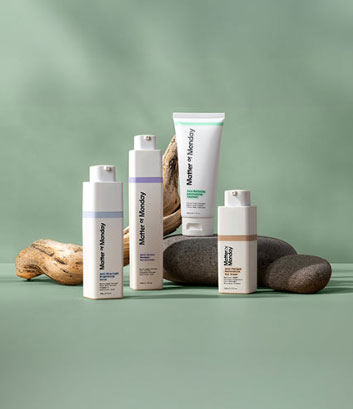
Read more
Which Is the Best Exfoliating Face Wash for Sensitive Skin?
Key Highlights Sensitive skin still needs exfoliation, but harsh scrubs and strong acids can damage the skin barrier. Gentle exfoliants like lactic acid, PHAs, fruit enzymes, and low-strength salicylic acid work better for reactive skin. Matter of Monday, CeraVe, Cetaphil, and Tatcha are some of the standout options for gentle exfoliating cleansing. Chemical exfoliants are usually easier for sensitive skin to tolerate than rough physical scrubs. Dry and reactive skin types generally do better with exfoliation once or twice weekly instead of daily use. Ingredients like ceramides, niacinamide, colloidal oatmeal, and glycerin help keep exfoliating cleansers barrier-friendly. Matter of Monday focuses on gentle exfoliation that smooths texture and clears buildup without leaving sensitive skin feeling stripped or irritated. Sensitive skin and exfoliation do not always sound like the best combination. One wrong cleanser and your skin can end up feeling red, tight, irritated, or overly dry for the rest of the day. But the truth is, sensitive skin still needs exfoliation. The key is using a gentle exfoliating face wash for sensitive skin that clears away buildup without stripping your skin barrier in the process. Thankfully, there are now plenty of formulas made with milder exfoliants like lactic acid, PHAs, fruit enzymes, and low-strength salicylic acid that smooth and refresh your skin without feeling too harsh. Ahead, we rounded up the best exfoliating face washes for sensitive skin, including picks for dry skin, acne-prone skin, and super sensitive skin types. Best Exfoliating Face Washes for Sensitive Skin at a Glance Product Best For Exfoliation Type Key Ingredients Fragrance-Free Skin Type Best Usage Frequency Texture Matter of Monday Pore-Refining Exfoliating Cleanser Best overall for sensitive skin Gentle enzyme + physical exfoliation Papaya enzymes, pineapple enzymes, bamboo stem powder Yes All sensitive skin types 2–4 times weekly Creamy cleanser with ultra-fine exfoliating particles CeraVe SA Smoothing Cleanser Congestion + rough texture Chemical exfoliation Salicylic acid, ceramides, niacinamide Yes Normal to oily sensitive skin Once daily or every other day Lightweight gel Cetaphil Gentle Exfoliating SA Cleanser Barrier-sensitive beginners Mild chemical exfoliation Salicylic acid, glycerin Yes Sensitive and combination skin 2–5 times weekly Soft gel-cream Dermalogica Daily Microfoliant Dry and dull skin Enzyme + physical exfoliation Rice enzymes, colloidal oatmeal, salicylic acid Yes Dry sensitive skin 2–3 times weekly Powder-to-foam La Roche-Posay Effaclar Medicated Gel Cleanser Acne-prone sensitive skin BHA cleansing Salicylic acid, thermal spring water Yes Oily sensitive skin Once daily Foaming gel Tatcha The Rice Wash Super reactive skin Gentle physical exfoliation Japanese rice powder, hyaluronic acid Yes Dry and reactive skin 2–4 times weekly Creamy lightly foaming wash BYOMA Creamy Jelly Cleanser Brightening + barrier support Very mild exfoliation Tri-Ceramide Complex, licorice root, lactic acid Yes Dry and dehydrated sensitive skin Daily Jelly-to-cream cleanser Aveeno Calm + Restore Nourishing PHA Exfoliator Gentle PHA exfoliation PHA exfoliation PHAs, oat oil, glycerin Yes Extra sensitive skin 1–3 times weekly Lightweight cream-gel Naturium Fermented Rice Enzyme Cleanser Gentle enzyme exfoliation Enzyme exfoliation Fermented rice enzymes, rice powder, glycerin Yes Sensitive and dull skin 2–4 times weekly Powder-to-foam Kate Somerville ExfoliKate Cleanser Intensive glow + texture Chemical + physical exfoliation Lactic acid, glycolic acid, fruit enzymes No Combination skin 1–3 times weekly Foaming creamy cleanser Which Is the Best Exfoliating Face Wash for Sensitive Skin? Finding an exfoliating cleanser that actually works without leaving your skin irritated can be frustrating, especially when so many formulas feel too harsh for sensitive skin. The good news? There are a few cleansers that manage to exfoliate gently while still helping with texture, dullness, and clogged pores. Here are the best exfoliating face washes for sensitive skin worth trying: 1. Best Overall: Matter of Monday Pore-Refining Exfoliating Cleanser If your skin usually reacts badly to exfoliation, this is the kind of cleanser that feels like a relief. A lot of exfoliating face washes either feel too scratchy, too intense, or leave your skin weirdly tight afterwards. But Matter of Monday Pore-Refining Exfoliating Cleanser feels much more controlled and balanced. The formula uses papaya and pineapple enzymes with ultra-fine bamboo stem powder, so you get exfoliation without feeling like your skin is being scrubbed raw. Enzymes work differently from traditional scrubs because they gently loosen buildup instead of aggressively rubbing at your skin. And honestly, the finish is probably the best part. Your skin feels smoother, fresher, and cleaner, but still comfortable. No angry redness, no over-stripped feeling, and no immediate panic-moisturizing afterward. It works especially well if your skin feels dull, textured, or a little congested, but still gets irritated at the smallest things. Best for: Sensitive skin, dullness, rough texture, clogged pores Key ingredients: Papaya enzymes, pineapple enzymes, bamboo stem powder What we like: Feels gentle even on reactive skin Smooths texture without over-drying Fragrance-free and barrier-friendly Gives skin a softer, fresher look after cleansing Keep in mind: If you love super intense exfoliation, this one is definitely more on the gentle side. What People Love Most About It "Matter of Monday’s pore refining cleanser feels great and gently exfoliates." - Heather S. "I'm ususally cautious about exfoliating cleanser because they can be harsh, but this one is surprising gentle while doing the work. My skin feels incredibly clean and smooth after using it." - Keylia A. Ready to try gentler exfoliation for yourself? Shop Matter of Monday Pore-Refining Exfoliating Cleanser. 2. Best Drugstore Pick: CeraVe SA Smoothing Cleanser If your skin is sensitive but also constantly dealing with clogged pores, rough texture, or those tiny bumps that never seem to fully go away, this cleanser is probably already on your radar. And honestly, it earns the hype. Unlike gentler options like Cetaphil, CeraVe leans more toward congestion control and oiliness. The salicylic acid helps smooth rough texture and clear buildup, while ceramides and niacinamide help keep the formula from feeling overly stripping. The texture is more gel-like and does not feel gritty or scrubby on the skin, which makes it a solid option if you prefer a chemical exfoliating face wash for sensitive skin over physical scrubs. Best for: Clogged pores, uneven texture, oily, sensitive skin Key ingredients: Salicylic acid, ceramides, niacinamide What we like: Helps smooth rough texture over time Non-abrasive formula Easy to find at most drugstores Does not leave skin feeling overly stripped Keep in mind: If your skin is very dry or super sensitive, daily use might feel a little too much at first. 3. Best Gentle Exfoliating Face Wash for Sensitive Skin: Cetaphil Gentle Exfoliating SA Cleanser Some exfoliating cleansers feel like they are doing the absolute most. This one keeps things simple, which is exactly why sensitive skin tends to like it. Compared to CeraVe, Cetaphil feels softer, calmer, and more beginner-friendly overall. Instead of focusing heavily on congestion or oil control, it works better for barrier-sensitive skin that just needs gentle maintenance exfoliation. Cetaphil’s Gentle Exfoliating SA Cleanser uses salicylic acid to smooth away buildup and rough texture, but the formula still feels mild and easy to use. There are no harsh scrubbing particles or overly strong “deep clean” vibes here. Best for: Everyday exfoliation, combination skin, beginners Key ingredients: Salicylic acid, glycerin What we like: Gentle enough for regular use Leaves skin soft, not tight Fragrance-free formula Beginner-friendly exfoliation Keep in mind: The exfoliation is pretty subtle, so results feel gradual rather than instant. Could your skin be reacting to stress more than you realize? From dullness and dehydration to redness and breakouts, this guide breaks down how stressed skin behaves and the simple habits that help bring back a healthier, more balanced glow. 4. Best Exfoliating Face Wash for Dry Sensitive Skin: Dermalogica Daily Microfoliant Dry sensitive skin can be tricky to exfoliate because the line between “smooth and glowy” and “tight and irritated” is very thin. This cleanser manages to stay on the right side of it. Dermalogica’s Daily Microfoliant uses rice enzymes and very fine powder exfoliants that activate once mixed with water. The texture feels soft and creamy rather than gritty, which makes the exfoliation feel much gentler on dry skin. It is one of those formulas that leaves your skin looking noticeably fresher without making it feel dehydrated afterwards. Best for: Dry sensitive skin, dullness, flaky texture Key ingredients: Rice enzymes, colloidal oatmeal, salicylic acid What we like: Feels very gentle on dry skin Brightens dullness nicely Powder texture feels soft, not abrasive Leaves skin smoother after one use Keep in mind: The powder format can take a little getting used to at first. 5. Best Minimalist Acne Cleanser for Sensitive Skin: La Roche-Posay Effaclar Medicated Gel Cleanser If your skin is both sensitive and breakout-prone, finding a cleanser that helps control congestion without completely drying you out can feel impossible. This one keeps things pretty simple and straightforward, which is exactly why so many people with acne-prone, sensitive skin like it. La Roche-Posay’s Effaclar cleanser is less about dramatic exfoliation and more about everyday oil and breakout control. The salicylic acid helps clear clogged pores and excess buildup gently, while the lightweight gel texture keeps the formula feeling clean and minimal rather than overly intense. Unlike texture-focused exfoliating cleansers that aim to leave skin ultra smooth or polished, this one feels much more practical and acne-focused. It works best for people who want a cleanser that helps manage breakouts consistently without relying on rough scrubs or overly strong acids. The formula also feels refreshingly uncomplicated. No gritty texture, no heavy residue, and no overly aggressive “deep clean” feeling after rinsing. Best for: Acne-prone sensitive skin, oily skin, clogged pores Key ingredients: Salicylic acid, thermal spring water What we like: Helps reduce congestion and excess oil Minimalist, non-gritty formula Feels lightweight and clean on the skin Good everyday option for oily, sensitive skin Keep in mind: Very dry or barrier-damaged skin may prefer something creamier and less active. 6. Best Exfoliating Face Wash for Super Sensitive Skin: Tatcha The Rice Wash If your skin gets irritated by the slightest thing, this is probably the kind of exfoliating cleanser you will appreciate most. Tatcha’s Rice Wash feels incredibly soft and comforting on the skin. The texture is creamy, lightly foamy, and just gently exfoliating enough to smooth away dry patches without pushing your skin too far. What makes it especially nice for reactive skin is that it never really feels aggressive. You wash it off, and your skin feels softer and fresher, but still calm and hydrated afterwards. Best for: Reactive skin, dryness, compromised skin barrier Key ingredients: Japanese rice powder, hyaluronic acid, algae extract What we like: Feels soft and calming on the skin Does not leave skin feeling stripped Great for very reactive skin types Creamy texture feels hydrating Keep in mind: The exfoliation is very gentle, so it may not feel strong enough for oily skin types. 7. Best Brightening Exfoliating Cleanser for Sensitive Skin: BYOMA Creamy Jelly Cleanser If your skin looks dull easily but also reacts badly to harsh exfoliants, this cleanser leans more toward gentle brightening and barrier support rather than aggressive exfoliation. BYOMA’s Creamy Jelly Cleanser has a soft jelly texture that turns creamy as you massage it into the skin. While it is not an intense exfoliating cleanser, ingredients like licorice root and lactic acid help skin look fresher, smoother, and more balanced over time without pushing sensitive skin too far. What makes this one stand out is how comfortable it feels during and after cleansing. The formula focuses heavily on supporting the skin barrier, so your skin feels clean and refreshed instead of tight or over-stripped. It is especially nice for sensitive skin types that want a brighter, healthier-looking glow without using stronger acids daily. Best for: Dullness, dehydrated sensitive skin, everyday cleansing Key ingredients: Tri-Ceramide Complex, licorice root, green tea, lactic acid What we like: Gentle daily cleansing feel Helps skin look fresher and brighter over time Barrier-friendly and fragrance-free Lightweight jelly texture feels very comfortable Keep in mind: The exfoliation here is very mild, so it may not feel strong enough for stubborn congestion or rough texture. 8. Best PHA Exfoliating Cleanser for Sensitive Skin: Aveeno Calm + Restore Nourishing PHA Exfoliator If your skin gets irritated easily but still needs help with dullness and rough texture, this is the kind of exfoliating cleanser that feels surprisingly comfortable to use. Aveeno’s Calm + Restore Nourishing PHA Exfoliator uses PHAs and oat oil to gently exfoliate while still keeping the skin barrier feeling calm and hydrated. The formula feels lightweight and non-abrasive, so you get smoother skin without that overly stripped feeling that stronger exfoliants sometimes cause. What makes this one especially nice for sensitive skin is that the exfoliation feels gradual and controlled. Instead of making your skin feel “deep cleaned,” it leaves it softer, fresher, and more balanced over time. Best for: Sensitive skin, dryness, uneven texture Key ingredients: PHAs, oat oil, glycerin What we like: Non-abrasive exfoliating feel Helps smooth rough texture gently Feels hydrating instead of drying Nice option for reactive skin types Keep in mind: If you prefer stronger exfoliation or have very congested pores, this may feel a little too mild. Think you need a complicated 10-step routine for healthy skin? This guide breaks down simple, low-effort skincare habits that help keep your skin balanced, hydrated, and healthy even on your busiest days. 9. Best Enzyme Exfoliating Face Wash for Sensitive Skin: Naturium Fermented Rice Enzyme Cleanser If your skin likes gentle exfoliation but hates anything overly intense, this cleanser feels like a really comfortable option to keep in rotation. Naturium’s Fermented Rice Enzyme Cleanser combines rice enzymes with a soft powder-to-foam texture that lightly smooths the skin while cleansing away buildup and excess oil. The exfoliation feels subtle but effective, especially if your skin tends to look dull, flaky, or tired. Unlike harsher scrubs, the texture stays very soft once mixed with water, so your skin feels cleaner and smoother without that overly polished or stripped feeling afterwards. It is also one of those cleansers that works especially well when your skin needs brightness and texture support without heavy acids. Best for: Dullness, flaky texture, sensitive skin Key ingredients: Fermented rice enzymes, rice powder, glycerin What we like: Gentle enzyme-based exfoliation Leaves skin feeling soft and refreshed Powder texture feels non-abrasive Nice balance between cleansing and smoothing Keep in mind: The powder format can feel slightly messy at first if you are used to traditional gel cleansers. 10. Best Luxury Exfoliating Face Wash: Kate Somerville ExfoliKate Cleanser If you like your skincare to give that “just had a facial” feeling, this cleanser definitely leans in that direction. Kate Somerville ExfoliKate Cleanser gives a deeper exfoliating feel than most products on this list, but it still manages to avoid feeling overly harsh when used carefully. The formula combines lactic acid, glycolic acid, and fruit enzymes to smooth texture and brighten dull skin fairly quickly. That said, because the exfoliation is more intense, it may not be the best fit for barrier-damaged or highly reactive skin that already feels irritated or compromised. You can feel the exfoliation a little more with this one, which is probably why people with textured or tired-looking skin tend to love it. After rinsing, the skin feels noticeably softer and looks a little more polished almost immediately. Best for: Dullness, uneven texture, glow Key ingredients: Lactic acid, glycolic acid, fruit enzymes What we like: Leaves skin very smooth Gives an instant glowier look Helps refine rough texture Feels like a more “spa-like” cleanser Keep in mind: This formula is more active than others on the list, so overusing it can be too much for very reactive skin. Which Exfoliating Ingredients Are Actually Good for Sensitive Skin? When you have sensitive skin, the ingredient list matters a lot. Some exfoliants leave your skin looking smooth and glowy, while others can make your barrier feel irritated almost instantly. These are the ingredients worth looking for if your skin leans sensitive: Lactic acid: One of the gentler exfoliating acids out there. It smooths flaky texture while still helping skin feel hydrated and comfortable afterward. PHAs: Think of these as the softer, less intense version of exfoliating acids. They work slowly and gently, which is why sensitive skin usually tolerates them really well. Salicylic acid: Great if your sensitive skin is also dealing with clogged pores or breakouts. In lower concentrations, it exfoliates without feeling overly harsh. Fruit enzymes: Papaya and pineapple enzymes have become really popular in modern exfoliating cleansers because they help dissolve buildup without that rough, scrubby feeling. Rice powder: A much softer option compared to traditional face scrubs. It smooths the skin gently instead of aggressively buffing it. Colloidal oatmeal: Especially nice if your skin gets red or irritated easily. It helps calm the skin while keeping everything feeling balanced. Niacinamide: Not technically an exfoliant, but it pairs really well with them because it helps support the skin barrier and reduce redness. Ceramides: If your skin tends to feel tight after cleansing, ceramides help keep your barrier feeling healthy and comfortable. Mandelic acid: A popular choice for sensitive skin because its larger molecular size makes it absorb more slowly and feel less irritating than stronger acids. It helps improve texture without overwhelming the skin barrier. The biggest difference usually comes down to choosing exfoliants that work with your skin barrier instead of constantly pushing against it. Gentle formulas almost always win with sensitive skin. Which Ingredients Should Sensitive Skin Probably Stay Away From? Not every exfoliating ingredient is going to get along with sensitive skin. In fact, some formulas can leave your skin feeling irritated almost immediately, especially if your barrier is already a little stressed out. A few ingredients tend to cause the most trouble: Walnut shell scrubs: These usually feel way too harsh and scratchy for sensitive skin. Strong fragrance: If your skin gets red or irritated easily, heavily fragranced cleansers can make things worse very quickly. Essential oils: Ingredients like peppermint, citrus, eucalyptus, or tea tree oil can sometimes trigger stinging, redness, or irritation in reactive skin types. High amounts of alcohol: These can leave your skin feeling tight, dry, and stripped after cleansing. Harsh sulfates: That super foamy, squeaky-clean feeling is not always a good sign, especially for sensitive skin. High-strength glycolic acid: Glycolic acid is not automatically bad, but stronger formulas can sometimes feel too intense for reactive skin. Large scrub particles: If an exfoliator feels rough while you are using it, your skin barrier probably is not enjoying the experience either. Too many acids together: Using multiple exfoliating acids at once can overwhelm sensitive skin really fast. Most sensitive skin types do much better with gentle, consistent exfoliation instead of aggressive scrubs or super intense acid formulas. Could rice bran be the ingredient your dull, tired skin has been missing? This guide explores how rice bran helps support hydration, brighten dry-looking skin, and bring back a healthier glow without overwhelming your routine. Chemical vs. Physical Exfoliation: Which One Is Better for Sensitive Skin? If you have sensitive skin, this is probably the skincare debate you have come across the most. The truth is, both can work. It just depends on how gentle the formula is and how your skin personally reacts to it. Here is the difference between the two: Comparison point Chemical Exfoliation Physical Exfoliation What it does Dissolves dead skin buildup using acids or enzymes Buffs away buildup using fine particles or powders How it feels Smooth, lightweight, and usually more gentle More scrub-like and texture-focused Best for Dullness, clogged pores, uneven texture, and acne Flaky patches and rough texture Sensitive skin compatibility Usually easier for reactive skin to tolerate Depends entirely on how gentle the scrub particles are Ingredients commonly used Lactic acid, PHAs, salicylic acid, fruit enzymes Rice powder, oat flour, bamboo powder Risk of irritation Can feel irritating if the acid strength is too high Can damage the skin barrier if the texture feels harsh Best choice for beginners Usually, the safer starting point Better if the formula feels very soft and non-abrasive Overall takeaway Best for gentle, consistent exfoliation Best when you want light polishing without aggressive scrubbing How Often Should Sensitive Skin Be Exfoliated? This is where a lot of people accidentally overdo it. Once your skin starts feeling smoother, it is very tempting to exfoliate more often. But with sensitive skin, that usually backfires pretty quickly. A better approach is adjusting exfoliation based on how your skin actually feels: Dry sensitive skin: Usually does best with exfoliation once or twice a week. Oily sensitive skin: Can often handle gentler exfoliation a little more frequently. Acne-prone sensitive skin: Low-strength chemical exfoliants, a few times weekly, usually work better than harsh scrubs. Super reactive skin: Starting once weekly is often the safest move. Barrier-damaged skin: It is usually better to pause exfoliation completely until your skin feels calm again. The biggest thing to watch for is how your skin reacts afterwards. If your skin starts feeling tight, itchy, shiny, or unusually red, that is usually your sign to slow things down. Final Thoughts Exfoliating sensitive skin really should not feel this complicated, but a lot of products still make it feel that way. Once you find a cleanser your skin actually likes, the difference is pretty noticeable. Your skin feels smoother, looks fresher, and stays comfortable instead of tight or irritated afterwards. Sensitive skin usually responds best to gentle, consistent exfoliation and formulas that work with your skin barrier instead of constantly pushing it too far. Frequently Asked Questions Is exfoliating face wash good for sensitive skin? Yes, if the formula is gentle. The right exfoliating facial cleanser can remove dead skin cells, improve uneven skin texture, refine large pores, and support brighter skin without stripping skin of its natural oils or irritating sensitive skin. Can I use a gentle exfoliator while on Accutane? Yes, but keep exfoliation minimal while on Accutane. Avoid harsh physical exfoliants and strong chemical exfoliators. A gentle cleanser used with lukewarm water can help smooth bumpy skin without damaging your already sensitive skin barrier further. Is a scrub or a chemical exfoliant better for sensitive skin? Chemical exfoliators are usually better for sensitive skin because they remove dead skin cells more gently than harsh physical exfoliators. Ingredients like mandelic acid help improve uneven skin tone and skin texture without causing irritation or damaging the skin barrier. How do I choose the right cleansing exfoliator for oily skin? Choose an exfoliating facial cleanser made for oily skin and clogged pores. Ingredients like willow bark or gentle chemical exfoliators help remove surface debris, control excess oil, smooth bumpy skin, and improve overall skin texture without over-drying your skin. Do cleansing exfoliators help with skin aging? Yes, gentle cleansing exfoliators can support cell turnover, smooth fine lines, improve uneven skin tone, and help fade dark spots over time. Regular exfoliation also removes dead cells from the surface of your skin for brighter, smoother-looking skin.
Read more
Which Blue Light Skincare Products Are Worth It?
Key Highlights Blue light from screens and LED lighting may contribute to dullness, pigmentation, and early signs of aging. Blue light skincare focuses on antioxidants, barrier support, and visible light protection. Iron oxides, vitamin C, niacinamide, and mineral SPF filters are the key ingredients to look for. Tinted mineral sunscreens help provide better visible light protection than regular SPF alone. Consistent antioxidant use matters more than complicated skincare routines. Matter of Monday, EltaMD, Colorescience, SkinCeuticals, and La Roche-Posay are some of the standout brands in this category. Matter of Monday focuses on lightweight, antioxidant-rich skincare designed for modern screen-heavy lifestyles. If your screen time has quietly become “basically all day,” you have probably wondered whether blue light skincare is actually necessary or just another skincare trend. The truth is, blue light from phones, laptops, LED lighting, and the sun is not as damaging as UV rays, but some experts believe long-term exposure may still contribute to pigmentation, dullness, and early signs of aging. And honestly, not every blue light skincare product deserves a spot in your routine. A lot of blue light protection skincare marketing sounds more dramatic than the research actually suggests. In this guide, we will explain what blue light actually does to your skin, which ingredients may help, and how to build a simple routine that makes sense for a screen-heavy lifestyle. Can Blue Light Damage Your Skin? Here is where things get interesting. Your phone screen is not damaging your skin the same way direct sun exposure does, so there is no need to panic every time you open Instagram. But newer research suggests that prolonged blue light exposure may contribute to oxidative stress, hyperpigmentation, and premature skin aging in some people. Blue light is actually part of visible light, sometimes called HEV (high-energy visible) light. It comes from the sun, digital screens, and LED lighting, although the sun remains the biggest source by far. That distinction matters because visible light exposure, especially in deeper skin tones, has been linked to pigmentation concerns in several studies. For example, a 2023 review published in the Journal of Cosmetic Dermatology discussed how blue light exposure may accelerate skin aging and trigger pigmentation concerns through oxidative stress and free radical production. Researchers have also noted that these effects may be more noticeable in deeper skin tones that are already prone to hyperpigmentation. Over time, that may show up as: Dullness Uneven skin tone Hyperpigmentation Fine lines Early signs of aging That is one reason blue light protection skincare has become so popular recently, especially among people already dealing with dark spots, melasma, or post-acne marks. The good news? You do not need a complicated routine. A few targeted skincare ingredients can go a long way in helping support and protect your skin. Think your endless Zoom calls might be showing up on your skin? Read our guide on how screen-heavy workdays may affect your complexion and what you can do about it. What Is Blue Light Skincare? Blue light skincare, sometimes called anti-blue light skincare, refers to products formulated to help skin cope with modern environmental stressors like prolonged screen time, LED lighting, and urban pollution. These products are not designed to completely block blue light from reaching your skin. Instead, they focus on helping skin stay calm, balanced, and better supported against everyday environmental exposure. That is why many blue light protection skincare products include antioxidants, barrier-supporting ingredients, hydrating formulas, and mineral SPF filters that help maintain skin health, improve overall skin resilience, and support a more even, refreshed-looking complexion over time. Do You Actually Need Blue Light Skincare? Probably less than the internet makes it sound. Most dermatologists agree that the biggest source of blue light exposure is still the sun, not your phone screen. That is also why daily sunscreen matters far more than panic-buying expensive “anti-blue light” products. Where blue light skincare does become more relevant is for people already dealing with melasma, post-acne marks, or stubborn hyperpigmentation, especially deeper skin tones that are more reactive to visible light. In those cases, tinted mineral sunscreen with iron oxides tends to matter much more than fancy marketing claims around screen protection. So realistically, you do not need a completely separate blue light skincare routine. You just need a routine that already supports your skin well. Blue Light Skincare Products at a Glance Product Best For Key Ingredients Texture Finish Matter of Monday Anti-Blue Light Brightening Serum Dullness, uneven tone, screen-heavy lifestyles Niacinamide, Micro-Algae Extract, Rice Bran Extract Lightweight serum Natural glow EltaMD UV Clear Tinted SPF 46 Sensitive and acne-prone skin Zinc Oxide, Niacinamide, Iron Oxides Lightweight lotion Slightly dewy Colorescience Sunforgettable Face Shield Flex SPF 50 Hyperpigmentation and visible light protection Zinc Oxide, Iron Oxides, Niacinamide Creamy fluid Glowy skin-like finish SkinCeuticals C E Ferulic Dullness and antioxidant support Vitamin C, Vitamin E, Ferulic Acid Lightweight fluid Natural finish La Roche-Posay Anthelios Mineral Tinted SPF Every day mineral SPF wear Zinc Oxide, Titanium Dioxide, Iron Oxides Thin fluid Soft natural finish Drunk Elephant C-Firma Fresh Day Serum Uneven tone and tired-looking skin Vitamin C, Ferulic Acid, Pumpkin Ferment Lightweight serum Radiant finish Paula’s Choice Resist Super-Light Daily Wrinkle Defense SPF 30 Oily and combination skin Zinc Oxide, Resveratrol, Antioxidants Silky lightweight cream Soft matte Supergoop! Daily Dose Vitamin C + SPF Serum Simplified morning routines Vitamin C, Kakadu Plum Extract, SPF Filters Fluid serum Glowy finish Biossance Squalane + Vitamin C Rose Oil Dry and dehydrated skin Vitamin C, Squalane, Rose Oil Lightweight facial oil Radiant glow ISDIN Eryfotona Ageless Tinted Mineral SPF Mature skin and daily SPF wear Zinc Oxide, Peptides, Antioxidants Lightweight cream Slightly dewy Which Are The 10 Best Blue Light Blocking Skincare Products That Are Actually Worth Trying? Blue light skincare is everywhere right now, but not every product is worth the hype. The best formulas focus on antioxidants, barrier support, and visible light protection instead of dramatic marketing claims. Here are the products beauty editors and dermatologists keep recommending: 1. Matter of Monday Anti-Blue Light Brightening Serum If your skin starts looking tired after a full day of emails, Zoom calls, and scrolling, this is the kind of serum that makes a lot of sense. Matter of Monday’s Anti-Blue Light Brightening Serum is made for modern skin stress, with a lightweight formula that helps skin look fresher, brighter, and a little more awake. Key Ingredients: Niacinamide Rice Bran Extract Micro-Algae Extract Antioxidants Why We Like It: Some antioxidant serums feel too heavy for daytime or start pilling the second you layer sunscreen on top. This one stays lightweight, sinks in quickly, and gives skin a healthy glow without feeling greasy. The niacinamide helps with uneven tone and barrier support, while the antioxidant-rich extracts help defend against environmental stress that can leave skin looking dull over time. Texture: Lightweight, silky, and easy to layer. It wears especially well under SPF and makeup. Best For: Dull skin Uneven tone Everyday antioxidant support Long screen-time days Why It Earned a Spot on This List: It is the kind of serum you end up reaching for every morning because it feels easy, wearable, and genuinely good on the skin. And honestly, that is usually what makes a skincare product worth keeping around. What People Are Saying "I use it under my sunscreen every morning, It's lightweight, smooth, and doesn't interfere with sunscreen or makeup." - Nicole C. "I bought it mainly for the brightening benefit, and that's where I saw the results first. My skin tone looks more even. I use it every day now before I get in front of my computer every morning. I think it helps prevent the long term damage from the blue light." - Morgan M. Shop the Matter of Monday Anti-Blue Light Brightening Serum 2. EltaMD UV Clear Tinted SPF 46 Finding a sunscreen that feels good enough to wear every single day is hard enough. Finding one that also works well for redness, acne-prone skin, and pigmentation is even harder. That is probably why EltaMD UV Clear Tinted SPF 46 has such a loyal following among dermatologists and beauty editors alike. Key Ingredients: Zinc Oxide Niacinamide Hyaluronic Acid Iron Oxides Why We Like It: The formula feels lightweight, calming, and surprisingly breathable for a tinted mineral sunscreen. Niacinamide helps reduce redness and support the skin barrier, while iron oxides add extra visible light protection that regular SPF formulas often miss. It also layers beautifully under makeup without feeling thick or overly matte, which makes daily sunscreen application feel much less like a chore. Texture: Lightweight, smooth, and slightly dewy with a natural-looking tint. Best For: Sensitive skin Acne-prone skin Redness and post-acne marks Everyday SPF wear Why It Earned a Spot on This List: Some sunscreens look great on paper but end up sitting untouched on your shelf after two weeks. This is not one of them. It is easy to wear, easy to reapply, and exactly the kind of SPF people actually stay consistent with. 3. Colorescience Sunforgettable Face Shield Flex SPF 50 Tinted sunscreen has officially entered its beauty-editor era, and this one keeps showing up everywhere for good reason. Colorescience Sunforgettable Face Shield Flex SPF 50 combines mineral sun protection with iron oxides and flexible pigment technology that helps the tint adapt more naturally to your skin tone. Key Ingredients: Zinc Oxide Iron Oxides Niacinamide Antioxidants Why We Like It: A lot of mineral sunscreens still struggle with texture and finish, especially deeper shades that leave behind a visible cast. This formula feels much more polished. The tint blends in smoothly, evens out the complexion, and gives skin that healthy, slightly glowy finish without looking heavy. The added iron oxides also make it a solid pick for people trying to protect against visible light exposure while dealing with pigmentation concerns. Texture: Creamy at first, then blends into a lightweight skin-like finish with a natural glow. Best For: Hyperpigmentation Melasma-prone skin Every day visible light protection People who prefer tinted SPF over foundation Why It Earned a Spot on This List: It is one of those rare sunscreens that makes your skin look better the second you put it on, which usually means you are far more likely to wear it consistently. Modern life might be aging your skin faster than you think. Read how stress, screen exposure, and everyday fatigue can quietly affect your skin barrier, glow, and overall complexion over time. 4. SkinCeuticals C E Ferulic Serum There is a short list of skincare products that dermatologists actually use on themselves. This is one of them. SkinCeuticals C E Ferulic has been studied, cited, and recommended in clinical settings for long enough that its reputation is not built on marketing. It is built on results that keep showing up in practice. Key Ingredients: Vitamin C Vitamin E Ferulic Acid Why We Like It: The combination of vitamin C, vitamin E, and ferulic acid is one of the most well-documented antioxidant blends in skincare research. It targets dullness and uneven tone over time, and the formula is stable enough to actually deliver results rather than oxidizing before it gets the chance. Texture: Lightweight and slightly fluid with a natural finish. Best layered under moisturizer and SPF during the day. Best For: Dull skin Uneven tone Early signs of aging Daily antioxidant support Why It Earned a Spot on This List: There is a reason this serum keeps showing up in dermatologist offices and beauty editor routines year after year. It is one of the few antioxidant formulas that people genuinely stick with once they start using it, because they can actually see why. 5. La Roche-Posay Anthelios Mineral Tinted SPF Mineral sunscreens are great in theory, but finding one that does not feel thick, chalky, or impossible to blend is another story. La Roche-Posay Anthelios Mineral Tinted SPF manages to feel lightweight while still offering solid everyday protection. Key Ingredients Zinc Oxide Titanium Dioxide Iron Oxides Antioxidants Why We Like It: The texture feels much thinner and smoother than most mineral SPFs, which makes it easier to wear daily. The tinted finish helps soften the white cast mineral sunscreens are known for, while also adding extra visible light protection through iron oxides. It also wears well under makeup and does not leave the skin feeling greasy halfway through the day. Texture: Fluid, lightweight, and easy to blend with a soft, natural finish. Best For: Sensitive skin Everyday SPF wear People who prefer mineral sunscreen Uneven skin tone and pigmentation concerns Why It Earned a Spot on This List: Some mineral sunscreens feel like you are layering on a mask. This one feels much more like skincare, which makes daily sunscreen use feel far less intimidating. 6. Drunk Elephant C-Firma Fresh Day Serum You know that feeling when you have been doing everything right, drinking water, sleeping enough, wearing SPF, and your skin still looks flat and uncooperative? That is where the Drunk Elephant C-Firma Fresh Day Serum tends to earn its place. It is not a gentle nudge. It is a more direct push toward brighter, more awake-looking skin. Key Ingredients: Vitamin C Ferulic Acid Vitamin E Pumpkin Ferment Extract Why We Like It: The vitamin C concentration is potent enough to actually shift uneven tone over time, and the pumpkin ferment adds a mild exfoliating effect that helps the formula work rather than just sit on the surface. For skin that has stopped responding to lighter antioxidants, this tends to be the step up that makes a visible difference. Texture: Lightweight with a slightly silky finish that absorbs well into the skin. Best For: Dull skin Uneven texture Early signs of aging Daily antioxidant support Why It Earned a Spot on This List: It gives skin that healthy, well-rested glow people are usually trying to fake with makeup in the first place, which makes it much easier to justify keeping around. 7. Paula’s Choice Resist Super-Light Daily Wrinkle Defense SPF 30 Finding a tinted sunscreen that works for oily skin without turning into a greasy mess by noon can feel nearly impossible. Paula’s Choice Resist Super-Light Daily Wrinkle Defense SPF 30 gets the balance right with a lightweight mineral formula that feels comfortable, breathable, and surprisingly elegant on the skin. Key Ingredients Zinc Oxide Antioxidants Resveratrol Vitamin C Derivatives Why We Like It: The soft-tinted finish helps blur uneven tone while the antioxidant-rich formula supports the skin throughout the day. Unlike heavier mineral sunscreens, this one feels lightweight enough for daily wear and sits especially well under makeup. The slightly matte finish also makes it a great option for people who usually avoid sunscreen because of excess shine. Texture: Lightweight and silky with a soft matte finish. Best For: Oily skin Combination skin Everyday sunscreen wear People who dislike greasy SPF textures Why It Earned a Spot on This List: It is one of those sunscreens that quietly becomes part of your routine because it simply makes your skin look good without requiring extra effort. Stress can quietly affect your skin in ways you may not notice immediately. From dullness and dehydration to redness and breakouts, this guide explores how everyday stress impacts your complexion and the skincare habits that help support healthier-looking skin. 8. Supergoop! City Sunscreen Serum SPF 30 Some sunscreens feel like a separate step you have to force yourself to wear every morning. This one feels much more like skincare first, which is probably why people end up using it consistently. Supergoop! City Sunscreen Serum SPF 30 combines lightweight hydration, SPF protection, and antioxidant support in a formula that feels breathable enough for everyday wear, especially if heavy sunscreens usually annoy you halfway through the day. Key Ingredients: SPF Filters Vitamin E Antioxidants Hydrating Serum Complex Why We Like It: The texture feels more like a lightweight serum than a traditional sunscreen, which makes it especially nice for layering under makeup or wearing on minimal skincare days. It gives the skin a healthy, fresh-looking finish without feeling greasy or overly shiny, and the antioxidant support makes it a good fit for screen-heavy lifestyles and everyday environmental exposure. Texture: Lightweight, fluid, and comfortable with a natural glowy finish. Best For: Everyday SPF wear Dry and normal skin types Minimal morning routines People who dislike thick sunscreen textures Why It Earned a Spot on This List: It is one of those sunscreens that quietly becomes part of your routine because it feels easy, lightweight, and genuinely pleasant to wear every day. 9. Biossance Squalane + Vitamin C Rose Oil Most morning skincare is functional by design. Cleanse, treat, protect, done. This one actually makes the routine feel like something you want to do. A few drops warm between your palms, press into the skin, and there is an immediate softness that makes everything after it sit better. Key Ingredients: Vitamin C Squalane Rose Oil Antioxidants Why We Like It: The squalane mimics the skin's own oils closely enough that it absorbs without greasiness, while the vitamin C works quietly underneath for brightness and even tone over time. Despite being an oil, it layers well under SPF and does not feel heavy once it sinks in. Texture: Silky, lightweight oil with a radiant finish. Best For: Dry skin Dehydrated skin Dullness Skin lacking radiance Why It Earned a Spot on This List: It is the kind of product you notice after a few weeks, not the next morning, which usually means the results are real rather than a temporary surface effect. 10. ISDIN Eryfotona Ageless Tinted Mineral SPF If you like your sunscreen to feel more like skincare than a thick layer sitting on top of your face, this formula delivers exactly that. ISDIN Eryfotona Ageless Tinted Mineral SPF combines mineral sun protection with peptides and antioxidants in a texture that feels lightweight enough for everyday wear. Key Ingredients: Zinc Oxide Peptides Antioxidants Vitamin E Why We Like It: The formula feels comfortable, breathable, and hydrating without crossing into greasy territory. The tinted finish helps even out the complexion while antioxidants and peptides support smoother, healthier-looking skin over time. It is also one of those SPFs that layers surprisingly well under makeup without pilling or feeling heavy halfway through the day. Texture: Lightweight, smooth, and slightly dewy with a natural skin-like finish. Best For: Mature skin Dry and normal skin types Everyday SPF wear People who prefer skincare-like sunscreen textures Why It Earned a Spot on This List: It feels polished, easy to wear, and expensive in the best way possible, which makes daily sunscreen application feel a lot less like a skincare chore. Which Ingredients Should You Look For in Blue Light Skincare? Not every product labeled “blue light skincare” is actually doing much for your skin. The formulas that stand out usually focus on antioxidant support, skin barrier health, and ingredients that help skin handle visible light exposure more effectively over time. And if there is one category dermatologists consistently point to for visible light protection, it is tinted mineral sunscreen with iron oxides. That combination is considered especially important for people dealing with hyperpigmentation, melasma, or post-acne marks. Here are the ingredients worth looking for: 1. Iron Oxides If hyperpigmentation, melasma, or post-acne marks are already concerns for you, this is one of the most important ingredients to know. Iron oxides, commonly found in tinted sunscreens, help protect against visible light exposure and are especially helpful for deeper skin tones that are more prone to discoloration. 2. Vitamin C Vitamin C remains one of the most reliable antioxidant ingredients in skincare. It helps support brighter-looking skin, improve overall skin tone, and defend against free radical damage caused by everyday environmental exposure. 3. Niacinamide Niacinamide is popular for a reason. It helps strengthen the skin barrier, calm redness, support oil balance, and improve uneven-looking skin without feeling harsh or irritating. 4. Zinc Oxide and Titanium Dioxide These mineral sunscreen filters are mainly known for UV protection, but they also help provide added support against visible light exposure, especially when combined with iron oxides in tinted SPF formulas. 5. Green Tea Polyphenols and Algae Extracts Green tea polyphenols and algae-derived antioxidants help support skin exposed to pollution, stress, and environmental aggressors throughout the day. They are commonly included in blue light protection skincare because they help skin stay calmer, healthier-looking, and better balanced over time. 6. Licorice Root Extract Licorice root is often included in skincare targeting uneven tone and discoloration because it helps visibly brighten the skin while supporting a calmer, more even-looking complexion. It works especially well alongside antioxidants and sunscreen in routines focused on pigmentation concerns. 7. Tranexamic Acid Tranexamic acid has become increasingly popular in skincare designed for stubborn dark spots and melasma-prone skin. It helps support a more even-looking complexion and is often paired with niacinamide or vitamin C in routines focused on discoloration. 8. Melanin-Supporting Antioxidants Skin naturally relies on melanin as part of its defense system against visible light exposure. Antioxidants that help support healthier melanin balance can be especially useful for skin tones more prone to lingering discoloration and uneven tone after inflammation or sun exposure. The takeaway? Blue light skincare is less about finding one miracle product and more about choosing ingredients that help keep your skin supported, resilient, and comfortable in the middle of modern environmental stress. Rice bran might sound simple, but it is packed with antioxidants, amino acids, and vitamins that help brighten dull skin, support the skin barrier, and lock in hydration. Read how this rice bran helps stressed, tired-looking skin feel noticeably fresher and healthier. How Do You Actually Build a Blue Light Skincare Routine? If your current skincare routine already includes antioxidants and sunscreen, you are probably doing more right than you think. Blue light skincare is less about buying an entirely new lineup of products and more about choosing formulas that support stressed, screen-exposed skin. In the Morning, Focus on Protection This is where antioxidant serums really earn their spot in your routine. A lightweight vitamin C or niacinamide serum helps support the skin against everyday environmental stress while also keeping dullness and uneven tone from taking over by midweek. Follow that with a moisturizer that keeps the skin barrier comfortable and hydrated throughout the day. Skin that is dehydrated or irritated tends to look tired much faster, especially after long hours indoors. Then comes the step that matters most: sunscreen. And ideally, a tinted one. Mineral SPFs with iron oxides are usually the formulas that beauty editors and dermatologists recommend most for visible light protection. They go beyond basic UV coverage and work well alongside blue light filter skincare routines. At Night, Think Recovery Instead of “Defense” Nighttime skincare should feel less aggressive and more restorative. After a full day of sunscreen, makeup, pollution, and screen exposure, the goal is simply to help the skin reset. A gentle cleanse, hydrating serum, barrier-supporting moisturizer, and maybe a peptide or ceramide cream is usually more than enough. This is not the time for throwing five strong actives on your face and hoping for the best. The Biggest Mistake? Doing Too Much One of the easiest ways to overwhelm your skin is to treat every new skincare concern like it needs a completely separate routine. Blue light skincare works best when it fits naturally into the products you are already using consistently. Because realistically, the best skincare for blue light exposure is usually the routine you genuinely enjoy using every day. Final Thoughts Blue light skincare is not really about building a completely separate routine just because you spend a lot of time around screens. In most cases, the same things dermatologists already recommend, like antioxidants, barrier-supportive ingredients, and consistent tinted SPF with iron oxides, are already doing most of the work. The goal is simply to support your skin through everyday modern stress, not overload it with complicated “anti-blue light” products you probably will not use consistently anyway. Frequently Asked Questions Is there skincare that protects against blue light? Yes. Skincare products with antioxidants, barrier-supporting ingredients, and tinted mineral SPF with iron oxides can help support skin exposed to blue light from digital devices, indoor lighting, and other parts of the visible light spectrum. What is the blue light that dermatologists use? Dermatologists use blue light therapy mainly for acne treatment. This short wavelength light targets acne-causing bacteria on the skin without using ultraviolet light, making it different from the visible blue light emitted by electronic devices and digital screens. Do dermatologists recommend blue light therapy? Yes. Dermatologists often recommend blue light therapy for acne because it helps reduce bacteria and inflammation. Unlike excessive exposure to artificial blue light from digital screens, controlled treatments are designed to support skin health without significantly damaging surrounding skin cells. What protects against blue light skin? Tinted mineral sunscreen with iron oxides offers some of the best protection against visible blue light exposure. Antioxidants like vitamin C, niacinamide, green tea polyphenols, and algae extracts also help support skin against environmental stress and discoloration. Does blue light skincare work? To a degree, yes. Blue light skincare is designed to help reduce the generation of free radicals and support skin exposed to artificial lighting, digital devices, and prolonged levels of blue light throughout the day. Is blue light treatment good for skin? Yes, blue light treatment can help treat acne by targeting acne-causing bacteria on the skin. Dermatologists commonly use controlled blue light therapy to reduce inflammation and breakouts without exposing the skin to harmful ultraviolet light or UVB rays. Can blue light cause hyperpigmentation? Yes. Research suggests prolonged exposure to blue light, which is part of the visible light spectrum, may worsen hyperpigmentation and uneven skin tone, especially in deeper skin tones already prone to discoloration.
Read more
Digital Aging Explained: What Is Your Skin Trying to Tell You?
Key Highlights Digital aging describes the skin changes that may be linked to prolonged screen time, blue light exposure, and other modern lifestyle stressors. Dullness, uneven skin tone, lingering dark spots, and a tired-looking complexion are among the most commonly discussed signs of digital aging. People who spend most of their day in front of laptops, phones, and other digital devices may be more mindful of how screen habits affect their skin over time. Prevention is easier than correction. Supporting your skin consistently can help address modern stressors before visible concerns become more noticeable. Matter of Monday was created to help modern professionals protect their skin from the cumulative effects of screen-heavy lifestyles and digital-age stressors. Pepha®-Age powers Matter of Monday's digital-aging defense, while supporting ingredients help maintain hydration and skin resilience. Your workday begins with checking emails, moves through back-to-back video calls, and continues across laptops, phones, and multiple tabs. For many working women, remote professionals, and digital creatives, spending most of the day in front of screens is simply part of modern life. As work and daily routines become increasingly digital, more attention is being paid to how constant screen exposure may influence skin over time. Concerns around dullness, uneven skin tone, pigmentation, and tired-looking skin have fuelled growing conversations around digital aging. In this guide, we'll explore what digital aging means, examine what current research says about blue light and skin health, and share practical ways to support your skin in a screen-first world. What Is Digital Aging? Digital aging is a term used to describe the visible skin concerns that may be associated with our increasingly screen-centric lifestyles. Much of the discussion around digital aging from blue light focuses on changes such as dullness, uneven-looking skin tone, and signs of fatigue that some researchers are exploring in relation to prolonged digital device use. As the modern workday becomes more dependent on laptops, smartphones, and virtual meetings, digital aging has become a growing area of interest within the skincare industry. While studies are still ongoing, the concept has sparked conversations about how everyday digital habits and blue light exposure may influence the appearance of skin over time. These conversations are particularly relevant to Matter of Monday, a preventive skincare brand created for modern, screen-heavy lifestyles. Our philosophy is simple: support skin proactively, so it can better navigate the everyday demands of digital life. Is Digital Aging Real or Just Marketing? Here's What the Research Says It's a fair question. After all, we spend hours in front of screens every day, but can that really affect our skin? While researchers are still exploring the long-term impact of blue light exposure, several studies suggest there may be a connection between screen-emitted blue light and processes associated with skin aging. Here's what the science says so far: Blue light may trigger oxidative stress. A study published in Free Radical Biology and Medicine found that blue light exposure increased the production of reactive oxygen species (ROS) in skin cells. Oxidative stress is often linked to visible signs of aging and skin damage over time. At Matter of Monday, findings like these reinforce why we create skincare designed to help support skin exposed to the everyday demands of screen-heavy lifestyles. Pigmentation is one of the most studied effects. Research has shown that visible blue light can stimulate melanin production, potentially leading to longer-lasting pigmentation changes. This effect may be more noticeable in individuals with deeper skin tones, which is exactly why we believe modern skincare should account for the realities of screen-heavy lifestyles. This shift in how we live and work is exactly why Matter of Monday exists. Created for screen-heavy lifestyles, we take a prevention-first approach to skincare, helping modern professionals support their skin before digital-age stressors become more visible. The research is still evolving, and screens are unlikely to be the only factor influencing how skin changes over time. However, for people living increasingly digital lives, these findings suggest that prolonged screen exposure may be another modern stressor worth paying attention to. What Are the Signs of Digital Aging? Unlike a breakout or sunburn, digital aging isn't always easy to spot. The changes tend to be subtle and can develop gradually, which is why they're often mistaken for the effects of stress, busy schedules, or everyday life. While there's no single symptom that confirms digital aging, the signs most commonly associated with it generally fall into three areas: Skin tone: Dullness, uneven skin tone, lingering dark spots, and increased pigmentation. Skin texture: Reduced firmness, loss of elasticity, and more noticeable fine lines. Overall appearance: A tired, stressed, or less radiant complexion, particularly after long periods of screen use. These changes can be easy to miss at first because they often appear gradually rather than all at once. That's why paying attention to subtle shifts in your complexion, such as persistent dullness, uneven tone, or a loss of vibrancy, can help you better understand what your skin may be responding to. Persistent dullness and a loss of radiance are some of the concerns that inspired Matter of Monday's Anti-Blue Light Brightening Serum, created to help support skin exposed to screen-heavy lifestyles. Powered by Pepha®-Age, a microalgae-derived ingredient chosen for its ability to help support the skin's natural defence against blue light, the serum was created to help skin look brighter, more radiant, and better supported through screen-heavy days. Who Should Actually Care About Digital Aging? For most people, digital aging shouldn't be a major skincare concern. However, it may be worth paying closer attention to if you spend a significant portion of your day in front of screens. This may include: Working women who spend long hours on laptops, attend back-to-back virtual meetings, or juggle busy schedules in front of screens. Young professionals and working girls balancing hybrid work, commuting, and constant connectivity throughout the day. Designers, developers, editors, marketers, and other digital professionals whose careers revolve around screen-based work. People who frequently use phones, tablets, or laptops late into the evening as part of their daily routines. Gamers and streamers who regularly accumulate extended screen time. Ultimately, digital aging is less about avoiding screens altogether and more about understanding how modern habits may influence your skin over time. A little awareness can go a long way when screen time is part of everyday life. How to Help Protect Your Skin From Digital Aging? For most of us, reducing screen time isn't a realistic solution. Work happens on laptops, conversations happen on phones, and downtime often involves another screen. The better approach is learning how to support your skin within the reality of modern life. Here are a few habits worth adopting: Prioritize prevention: Digital aging is easier to prevent than reverse. That's why Matter of Monday's approach focuses on daily protection through ingredients like Pepha®-Age before visible signs become noticeable. Choose skincare designed for screen-heavy lifestyles: Traditional anti-aging routines weren't created with endless video calls, digital fatigue, and always-on lifestyles in mind. Look for products formulated to support skin exposed to modern digital stressors. Be mindful of late-night scrolling: What starts as a quick check of your phone can easily turn into an extra hour of screen time. Creating screen-free moments before bed can support both your skin and overall well-being. Keep your routine simple and consistent: Matter of Monday believes skincare should fit seamlessly into busy schedules. A simple routine followed consistently is often more effective than an elaborate routine you struggle to maintain. Manage everyday stressors: Back-to-back meetings, tight deadlines, and constant notifications can leave skin looking tired and depleted. Supporting your skin daily can help it better cope with the demands of modern work life. At Matter of Monday, we created skincare for people whose days revolve around screens, schedules, and staying connected. Because if modern life has changed the way we work, it makes sense that skincare should evolve with it. And, if you're curious about taking a more proactive approach to digital aging, our collection is backed by a 30-day money-back guarantee, with free shipping on orders over $50. What Does an Anti-Digital Aging Skincare Routine Look Like? One of the biggest misconceptions about skincare is that you need more products to see better results. In reality, consistency matters far more than complexity. At Matter of Monday, we're big believers in keeping things simple. Instead of a lengthy routine packed with actives, focus on a few essentials that help support your skin through long days, screen time, and everyday stress. 1. Morning: Start Strong Begin your day with the Anti-Blue Light Brightening Serum, powered by followed by your daily SPF. We chose it because modern life looks very different today. Long hours in front of laptops, back-to-back video calls, endless notifications, and late-night scrolling have become part of everyday life, yet most traditional skincare wasn't designed with these realities in mind. What stood out to us was that supplier-led studies have shown that Pepha®-Age, a microalgae-derived ingredient, helps stimulate the skin's own defense against blue light while reducing blue light-induced hyperpigmentation and redness. In other words, it's an ingredient specifically selected to support skin navigating screen-heavy lifestyles. 2. Mid-Day: Replenish on Screen-Heavy Days Heading into another round of meetings or settling in for an afternoon of focused work? On particularly screen-heavy days, reapply the Anti-Blue Light Brightening Serum to give your skin an extra layer of support. Because when your workday extends well beyond office hours, your skincare should keep up too. 3. Night: Cleanse, Restore, Repeat At the end of the day, cleanse to remove buildup and impurities, then follow with the Anti-Stress Renewal Moisturizer and Anti-Fatigue Restorative Eye Cream. Formulated with clinically backed ingredients, the Anti-Stress Renewal Moisturizer helps replenish hydration, support the skin barrier, and address visible signs of stress, leaving skin feeling nourished and refreshed overnight. Complete your routine with the Anti-Fatigue Restorative Eye Cream to hydrate and smooth the delicate eye area while helping reduce the appearance of tired, fatigued-looking eyes after long hours spent in front of screens. The goal isn't a complicated routine. It's creating simple habits that fit seamlessly into modern, screen-first lifestyles. Why Is Matter of Monday Built for Modern Skin? Modern life doesn't slow down, and your skincare routine shouldn't slow you down either. Matter of Monday was created for people balancing packed calendars, endless notifications, and screen-filled days. Instead of complicated, multi-step routines, we believe skincare should work seamlessly within the realities of everyday life. Here's what sets our approach apart: A streamlined four-product routine designed to simplify skincare, not complicate it. Lightweight, workday-friendly formulas that layer effortlessly under makeup, feel comfortable throughout the day, and travel easily. Science-backed formulations powered by clinically studied ingredients chosen to support skin in today's fast-paced world. Clean, fragrance-free, vegan, and cruelty-free products that are gentle enough for daily use, even for sensitive skin. Because skincare should support your lifestyle, not become another item on your to-do list. Want to take a closer look? Explore Matter of Monday's collection and discover how a thoughtfully curated routine can help support your skin through every screen-filled day. Final Thoughts Modern life is more screen-heavy than ever, and our skincare routines should reflect that reality. Rather than waiting for visible signs of stress to appear, taking a prevention-first approach can help support healthier-looking skin in the long run. Small, consistent steps today may make all the difference tomorrow. Because in a world built around screens, the goal isn't to unplug. It's to help your skin stay resilient, balanced, and ready for whatever the workday brings. Frequently Asked Questions Can blue light filters or protective screens really reduce digital aging effects? Blue light filters and screen protectors may reduce the amount of blue light emitted from devices, but skincare still plays an important role. We take a prevention-first approach, helping support skin exposed to daily digital stressors through consistent care. Can you reverse digital aging? There's no proven way to completely reverse digital aging. However, consistently supporting your skin with ingredients like Pepha®-Age and sodium hyaluronate may help improve visible concerns while supporting long-term skin health. Is it important for all ages to protect against digital aging, or just older people? Digital lifestyles begin early, which is why Matter of Monday believes skincare should focus on prevention rather than correction. Building simple, consistent habits early can help support skin as it navigates the demands of modern, screen-heavy living. Is Matter of Monday suitable for sensitive skin? Yes. We formulate our products to address modern skin concerns without unnecessary complexity. Many of its formulas are designed to be gentle and suitable for a wide range of skin types, including sensitive skin. Can Matter of Monday products be used in a simple skincare routine? Absolutely. Matter of Monday is built around the idea that effective skincare doesn't have to involve countless steps. Its collection is designed to fit easily into a streamlined routine focused on cleansing, protection, hydration, and recovery. Which Matter of Monday product should I start with? That depends on your primary skincare goals. If you're looking to support brightness and antioxidant protection, a serum may be a good starting point. If hydration and barrier support are your priorities, a moisturizer could be the better choice. Exploring the collection can help you find the best fit for your routine.
Read more
Can Stress Cause Dry Skin? Here's What to Know
Key Highlights Stress can show up on skin in different ways, often as dryness, tightness, sensitivity, or breakouts, depending on the person Modern routines built around screens, work pressure, and disrupted sleep can gradually affect the skin barrier and reduce moisture retention When the skin barrier is under strain, skin can feel less comfortable, more reactive, and visibly less hydrated Stress can also intensify existing skin concerns like eczema, rosacea, psoriasis, and general sensitivity Supporting skin early with hydration and barrier-focused care can help reduce how strongly these changes appear over time Matter of Monday is built on a prevention-first approach, with hydration and barrier support designed for modern, stress-heavy, screen-led lifestyles Long workdays, endless video calls, packed schedules, and constant screen time can affect more than just your energy levels. For many working women and busy professionals, periods of high stress often show up on the skin first. If your skin has suddenly become dry, tight, or flaky despite following the same skincare routine, stress could be part of the reason. While stress is commonly associated with breakouts, it can also weaken your skin's moisture barrier, leaving it feeling dehydrated, sensitive, and uncomfortable. In this guide, we'll explore whether stress can cause dry skin, why it happens, and how to support your skin during demanding periods. Does Stress Cause Dry Skin? Here's What the Research Says That dry, tight feeling you're noticing during a particularly stressful period may not be a coincidence. While stress is often associated with breakouts, research suggests it can also affect your skin's ability to hold onto moisture. One of the most well-established findings in dermatology research is that stress can slow skin barrier recovery. In a study published in the National Library of Medicine, researchers found that psychological stress delayed the skin's ability to repair its barrier after disruption. This helps explain why many people notice dryness, tightness, sensitivity, or irritation during particularly stressful periods. Today's skin is also dealing with long hours of screen time, chronic daily stress, disrupted sleep, and the demands of always-on lifestyles. Over time, these modern stressors can leave skin looking dull, dehydrated, and less resilient. That's the idea behind Matter of Monday: A prevention-first approach designed to help protect against blue light and digital stress before they contribute to dryness, dullness, and other visible signs of skin stress. Why Can Stress Leave Your Skin Feeling Dry? If you've ever gone through a particularly stressful period and felt like your skin suddenly became tighter, rougher, or less comfortable, there may be more going on than a lack of moisturizer. Stress triggers a series of changes within the body that can affect how well your skin holds onto moisture and maintains its healthy appearance. Some of the key factors include: Increased cortisol levels. When you're stressed, your body produces more cortisol, often referred to as the stress hormone. Over time, elevated cortisol levels can influence the way skin functions and responds to everyday stressors. Changes in skin barrier function. Your skin barrier helps keep moisture in and irritants out. Research suggests that chronic stress can interfere with this protective function, making it more difficult for skin to maintain its normal moisture balance. Greater water loss. When the skin barrier isn't functioning optimally, moisture can escape more easily. This increase in water loss can leave skin feeling dry, tight, or dehydrated. Increased inflammation. Stress is also associated with inflammation, which can contribute to sensitivity, irritation, and skin that feels less resilient than usual. These changes don't always happen overnight. More often, they build gradually through the daily pressures of modern life, from chronic stress and disrupted sleep to long hours spent in front of screens. At Matter of Monday, we believe skincare shouldn't just react to visible damage after it appears. It should help support and protect skin before modern stressors take their toll. That's why our formulas are designed with a prevention-first approach, helping skin stay resilient in the face of digital fatigue, chronic stress, and always-on lifestyles. Stress has a way of showing up differently for everyone. While some people notice dryness and irritation, others find themselves dealing with unexpected breakouts. If that sounds familiar, explore our Stress, Acne, and a Simple Skincare Guide to learn how stress can affect acne-prone skin and what you can do about it. Why Modern Stress Is Different From Traditional Stress Traditional stress was often short-lived. Once the stressful event passed, there was usually an opportunity to recover. Modern stress is different. For many of us, it's constant. Long hours in front of screens, back-to-back meetings, packed schedules, and the pressure to stay connected can create a steady stream of stress that follows us throughout the day. Your skin can feel the effects, too. Over time, these everyday pressures can contribute to dry skin from stress, leaving skin feeling less comfortable, more sensitive, and less resilient than usual. That's why prevention matters. Rather than waiting for dryness, sensitivity, or other visible signs of stress to appear, supporting your skin early can help it stay resilient through the demands of modern life. At Matter of Monday, this belief shapes everything we do. Our formulas are designed for the realities of the modern workday, helping support skin exposed to everyday stressors like screen-heavy schedules, digital fatigue, and busy lifestyles before those effects have a chance to build up. Dry Skin vs. Dehydrated Skin vs. Stress-Related Dry Skin: What's the Difference? Skin that feels tight, rough, or uncomfortable isn't always simply "dry." In some cases, it may be dehydrated or responding to ongoing stress. Understanding the difference can help you better support your skin. Factor Dry Skin Dehydrated Skin Stress-Related Dry Skin Primary Cause Lacks natural oils Lacks water Often linked to a compromised skin barrier Duration Can be a long-term skin type Usually temporary May fluctuate with stress levels How It Feels Rough, flaky skin Tight, dull-looking skin Dry, sensitive, reactive skin What Helps Richer moisturisers Hydration-focused products Hydration plus barrier support If your skin suddenly feels drier than usual despite sticking to the same routine, stress may be one of the factors affecting your skin's ability to retain moisture. Why Doesn't Stress Affect Everyone's Skin the Same Way? Stress doesn't affect everyone's skin in the same way. While one person may notice breakouts during a demanding week, another may find that their skin suddenly feels dry, sensitive, or less comfortable than usual. That's because stress often amplifies your skin's existing tendencies rather than causing a single, universal reaction. For today's professionals, the picture can be even more complex. Modern skin isn't just responding to psychological stress. It's also navigating long workdays, constant screen exposure, disrupted routines, and the pressures of always-on lifestyles. At Matter of Monday, we believe these everyday stressors can gradually chip away at the skin's resilience over time. That's why we take a prevention-first approach, using clean, fragrance-free formulas designed to support skin before modern stress leaves visible signs behind. Why Stress Can Make Existing Skin Conditions Worse? Stress doesn't just contribute to dry skin. It can also make existing skin concerns feel more noticeable and harder to manage, especially during particularly demanding periods. Common stress-related flare-ups include: Eczema: Skin may become drier, itchier, and more irritated. Psoriasis: Existing patches may appear more pronounced. Rosacea: Stress can trigger flushing and increased sensitivity. Dermatitis: Skin may react more easily to everyday irritants. When skin is already prone to sensitivity, stress can make it feel even less resilient. That's why, at Matter of Monday, we believe in supporting the skin barrier early with gentle, fragrance-free formulas designed to help skin stay balanced before signs of stress become more noticeable. Dryness isn't the only way stress can affect your skin. It may also contribute to visible signs of aging over time. Learn more in Premature Aging: Is Modern Life Accelerating the Aging Process?. What Does a Simple Skincare Routine for Dry, Stressed Skin Look Like? When stress starts affecting your skin, it's easy to assume you need a more complicated routine. In reality, stressed skin often benefits from the opposite. At Matter of Monday, we believe consistency matters more than complexity. That's why our routine focuses on 4 essentials designed to help support skin before dryness, dullness, and fatigue have a chance to build up. Step 1: Cleanse Gently Start with the Pore-Refining Exfoliating Cleanser to remove dirt, oil, and daily buildup without stripping the skin of essential moisture. Formulated with bamboo stem, papaya enzyme, and pineapple enzyme, it gently exfoliates while helping maintain a healthy foundation for the rest of your routine. Step 2: Prioritize Moisture and Barrier Support If stress has left your skin feeling dry, tight, or sensitive, the Anti-Stress Renewal Moisturizer should be the cornerstone of your routine. Stress can compromise the skin barrier, making it easier for moisture to escape and harder for skin to stay comfortable. This gentle, fragrance-free moisturizer is designed to replenish hydration while supporting the skin barrier, helping stressed skin feel softer, calmer, and more resilient over time. Step 3: Add Extra Support for Screen-Heavy Days For professionals who spend hours in front of laptops, phones, and video calls, the Anti-Blue Light Brightening Serum can provide an additional layer of support. Powered by Pepha®-Age, a patented microalgae active, the serum was developed to help defend against the effects of blue light exposure and digital stress, making it a useful addition for modern, screen-heavy lifestyles. Step 4: Care for the Eye Area Stress and fatigue often show up around the eyes first. The Anti-Fatigue Restorative Eye Cream features clinically backed peptides, including Matrixyl 3000® and Syn®-Coll®, to help support the delicate eye area, where the cumulative effects of stress and long workdays often become most visible. When life gets busy, consistency matters more than complexity. The goal isn't a 10-step routine. It's a simple, realistic regimen that helps support skin through the everyday pressures of modern life. Can Stress-Related Dry Skin Be Prevented? Stress is part of life, and your skin will respond to it from time to time. But stress-related dryness doesn’t usually appear suddenly. It tends to build gradually, as everyday pressure starts to affect how well your skin retains moisture. That’s why prevention isn’t about avoiding stress. It’s about paying attention to how your skin behaves during these periods, even before anything feels extreme or difficult to manage. At Matter of Monday, we see prevention as daily skin support, not damage control. When the skin barrier is consistently cared for, it’s better able to hold onto moisture and stay comfortable, even when life feels demanding. That’s the thinking behind the Anti-Stress Renewal Moisturizer, designed to help support the skin barrier so dryness, tightness, and sensitivity are less likely to become more noticeable over time. The goal isn’t to react when skin feels stressed. It’s to help it stay balanced through the everyday pressures of modern life. Why Matter of Monday Is Built for Modern Skin Stress Your skin is not just dealing with the occasional stressful day anymore. It is dealing with long work hours, constant screen time, disrupted sleep, and the everyday pressure of always being "on." That is really why Matter of Monday exists. The goal was never to create skincare that only reacts once dryness, dullness, or fatigue show up. Instead, it is about helping support skin earlier, before things start to feel off. Everything is built around clinically studied, dermatologist-backed ingredients, but more importantly, it is designed for real life for people who are working, commuting, switching between screens all day, and trying to keep up with it all. It has been featured in places like Elle, Real Simple, Rolling Stone, Men's Journal, and Variety, but what matters more is whether the products actually fit the rhythm of modern life. Because when stress is constant, skincare should not just fix what has already happened. It should be built to support you before it does. If stress has left your skin feeling dry, explore the Matter of Monday collection and find products designed to help keep your skin hydrated, comfortable, and balanced. Final Thoughts Your skin is often one of the first places stress shows up. Dryness linked to stress is usually tied to modern life itself, including long work hours, constant screen exposure, disrupted sleep, and the pressure of being “on” all day. That is why prevention matters. When the skin barrier is supported early, it is better able to stay comfortable and balanced through everyday stress. Because in most cases, it is not one stressful moment that changes your skin. It is everything that comes with how we live now. Frequently Asked Questions Can dry skin be caused by stress? Yes. During times of stress, the release of cortisol can affect the skin’s natural barrier, making it harder to retain moisture. This may contribute to dryness, skin inflammation, cracking, and other skin issues that impact overall skin health. Can stress and anxiety cause dry skin? Stress and anxiety can trigger the body's fight-or-flight response and increase the production of the stress hormone cortisol. Over time, these hormonal changes may weaken the skin’s natural barrier, leading to dryness, inflammation, and a decline in overall skin health. Can stress cause dry, itchy skin? Yes. During moments of stress, increased cortisol levels can weaken the skin’s natural barrier and contribute to skin inflammation. This can leave skin feeling dry, irritated, and itchy, especially in people prone to eczema, allergies, or other skin issues. Can stress cause dry patches on the skin? It can. When stress affects the skin barrier, certain areas may lose moisture more quickly than others. This can result in rough, flaky patches, increased dead skin cells, and localized dryness that feels uncomfortable or irritated. Can stress cause dry skin around the eyes? Yes. The skin around the eyes is thinner and more delicate than other areas of the face. During times of stress, moisture loss and skin inflammation may become more noticeable, making the area feel drier and look tired. Can stress cause dry skin on the face? Yes. Stress can affect oil production and weaken the skin’s natural barrier, making it harder for facial skin to retain moisture. As a result, the complexion may feel tighter, look duller, and become more sensitive than usual. Why is Matter of Monday a good choice for stressed skin? Matter of Monday supports stressed skin with prevention-first skincare focused on hydration and barrier support. Its formulas help strengthen moisture retention and improve resilience against modern stressors like screen time, fatigue, and disrupted routines. Which Matter of Monday products are best for dry, stressed skin? For dry, stressed skin, start with the Anti-Stress Renewal Moisturizer and Anti-Blue Light Brightening Serum. Together, they help replenish hydration, support the skin barrier, and keep skin looking healthy, smooth, and refreshed.
Read more
What Is Cortisol Skin? A Guide to Its Impact on Skin
Key Highlights Stress doesn't just affect your mood. It can also show up on your skin as breakouts, dryness, puffiness, redness, or increased sensitivity. Cortisol skin isn't a medical diagnosis, but chronic stress can disrupt the skin barrier and trigger inflammation. If your skin suddenly looks tired, reactive, or unlike itself, stress may be playing a bigger role than you realize. Skin concerns linked to stress often build gradually, making early, consistent care especially valuable. Stressed skin tends to respond best to gentle, barrier-supporting ingredients rather than aggressive, multi-step routines. Prioritizing hydration, soothing ingredients, and a simple routine can help keep cortisol-stressed skin looking healthier and more resilient. Matter of Monday combines a prevention-first philosophy with fragrance-free, vegan, and dermatologist-backed formulas designed to support skin through the pressures of modern life. If your skin has been looking dull, puffy, or more breakout-prone lately, despite sticking to your usual routine, stress could be the missing piece. Between back-to-back Zoom calls, overflowing inboxes, tight deadlines, and hours spent in front of screens, today's always-on work culture can take a visible toll on your complexion. That's where the term cortisol skin comes in. Popular on social media, it describes the skin changes many people notice during periods of prolonged stress, from unexpected breakouts and increased sensitivity to dryness and tired-looking skin. While cortisol skin isn't an official medical diagnosis, experts know that chronic stress can affect skin health in very real ways. Because these changes often develop gradually, taking a prevention-first approach to skincare may help support stressed skin before concerns become more noticeable. Ahead, we're breaking down what cortisol skin really is, what causes it, and how to keep stress from showing up on your skin. What Is Cortisol Skin? "Cortisol face" and "cortisol skin" are social media terms used to describe the visible effects of chronic stress on the skin. While it's not an official medical diagnosis, experts agree that prolonged stress can have a real impact on skin health. The term comes from cortisol, the body's primary stress hormone. When stress levels stay elevated for long periods, whether from demanding work schedules, poor sleep, or constant digital overload, it can trigger inflammation, weaken the skin barrier, and disrupt your skin's natural repair process. The result? You may notice more breakouts, dullness, dryness, sensitivity, or even early signs of aging, despite following your usual skincare routine. It's also changing the way many of us approach skincare. Preventive skincare brands like Matter of Monday recognize that today's skin is dealing with more than occasional stress, which is why the focus is shifting toward prevention, not just repair. Why Is Cortisol Skin More Common Today? Stress has always been part of life, but today's stress looks a little different. For many of us, the workday doesn't end when we log off. It's the constant stream of emails, back-to-back Zoom calls, Slack notifications, and hours spent in front of screens. Add poor sleep and packed schedules into the mix, and it's easy to see why skin can start looking tired, dull, or more reactive. In fact, research published in the National Library of Medicine found that psychological stress can alter skin barrier function, making skin more vulnerable to dryness, irritation, and sensitivity. Because cortisol-stressed skin is often more reactive and sensitive, choosing gentle skincare becomes especially important. That's why Matter of Monday formulates products that are fragrance-free, vegan, cruelty-free, and designed to be gentle enough for sensitive skin, helping support stressed skin without compromising on efficacy. What Does Cortisol Skin Look Like? If you've ever looked in the mirror after a particularly stressful week and wondered, "Why does my skin suddenly look so tired?" cortisol could be part of the reason. Cortisol skin can show up in a few different ways. You may notice: Unexpected breakouts or acne flare-ups Dull, tired-looking skin that lacks its usual glow Dryness and dehydration Puffiness, especially around the eyes Increased redness or sensitivity Fine lines or loss of firmness that seem more noticeable than usual The tricky part? These changes don't always happen overnight. Stress-related skin concerns tend to build gradually, making them easy to brush off as lack of sleep, seasonal changes, or simply getting older. This is where a prevention-first approach can make a difference. If your skin is starting to look dull, dehydrated, or more reactive than usual, products like Matter of Monday's Anti-Stress Renewal Moisturizer can help support stressed skin before these concerns become more pronounced. Is Cortisol Skin Temporary or Long-Term? In most cases, cortisol skin is temporary. Stress-related changes such as breakouts, redness, excess oil, or dryness often improve once cortisol levels return to their normal range. The key factor is whether the stress is short-term or ongoing. A stressful week may trigger a temporary flare-up, while chronic stress can contribute to more persistent issues, including recurring breakouts, barrier disruption, and prolonged inflammation. Experts generally view cortisol skin as a reflection of what's happening internally rather than a permanent skin condition. As stress levels become better managed and the skin barrier recovers, symptoms often begin to improve. Of course, cortisol isn't the only factor that can influence how skin ages. From screen time to sleep habits, modern lifestyles expose our skin to a range of everyday stressors. Learn more in our guide to whether modern life is accelerating the aging process. What Are the Skin Conditions That May Be Worsened by Elevated Cortisol? If you've ever noticed your skin acting up during a stressful period, you're not imagining it. While stress isn't usually the root cause of skin conditions, elevated cortisol levels may make existing concerns harder to manage. Common conditions that may flare up during periods of chronic stress include: Acne: Elevated cortisol may increase oil production, leading to clogged pores, breakouts, and blemishes. Eczema: Stress can contribute to increased dryness, itching, and irritation, making eczema symptoms more difficult to control. Rosacea: Many people with rosacea notice more redness, flushing, and sensitivity during stressful periods. Psoriasis: Emotional and physical stress are common triggers for psoriasis flare-ups and may worsen existing symptoms. Seborrheic Dermatitis: Stress is often associated with increased flaking, irritation, and inflammation around the scalp, eyebrows, and sides of the nose. The common thread across these conditions is inflammation. When stress becomes chronic, it may create an environment where existing skin concerns are more likely to flare up or linger longer than usual. Noticing more breakouts during stressful periods? Dive deeper into the connection between stress and acne with our guide to stress acne and the skincare habits that can help keep flare-ups in check. How Does Matter of Monday Support Cortisol-Stressed Skin? Traditional skincare ingredients can certainly help hydrate, soothe, and repair the skin. But cortisol skin presents a unique challenge. Chronic stress can trigger inflammation, weaken the skin barrier, and leave skin looking dull, dehydrated, and fatigued. That's why, at Matter of Monday, we focus on ingredients that address the specific ways stress shows up on the skin. 1. Chamomile to Calm Stressed, Reactive Skin One of the first signs of cortisol skin is often increased sensitivity. Skin that once felt balanced may suddenly become reactive, red, or easily irritated. Found in our Anti-Stress Renewal Moisturizer, Chamomile helps soothe stressed, reactive skin and calm visible redness. If your complexion tends to flare up during busy workweeks or stressful periods, calming ingredients like Chamomile can help restore balance and comfort. 2. Pepha®-Age® to Protect Against Modern Stressors Cortisol skin isn't just driven by emotional stress. For many professionals, long hours spent in front of screens have become another daily stressor. That's why our Anti-Blue Light Brightening Serum is formulated with skin-loving ingredients like Pepha®-Age®, a microalgae extract, Vitamin C, and Rice Bran extract. Together, these ingredients help deeply hydrate, calm irritation, support the skin barrier, and counter stress-induced inflammation, leaving stressed skin looking healthier, plumper, and more resilient. 3. Sodium Hyaluronate to Replenish Lost Hydration Stress can leave skin looking dull, depleted, and noticeably less plump. That's because elevated cortisol levels can disrupt the skin barrier, allowing moisture to escape more easily. That's where Sodium Hyaluronate comes in. Found in both our Anti-Blue Light Brightening Serum and Anti-Stress Renewal Moisturizer, this smaller-molecule form of hyaluronic acid penetrates more effectively to deliver deep, long-lasting hydration. By helping skin attract and retain moisture, it leaves stressed, depleted skin looking smoother, plumper, and noticeably more refreshed. How Should You Care for Cortisol-Stressed Skin Throughout the Day? When it comes to cortisol skin, consistency matters more than complexity. Instead of constantly switching products or layering on countless actives, focus on a simple routine that helps calm, replenish, and support your skin throughout the day. Here's the Matter of Monday approach: Time of Day Matter of Monday Routine Why It Matters Morning Apply the Anti-Stress Renewal Moisturizer after applying the Anti-Blue Light Brightening Serum, followed by a broad-spectrum SPF 30+. Supports skin at the start of the day when cortisol levels are naturally higher. Midday Reapply the Anti-Blue Light Brightening Serum as needed. Helps refresh hydration and reduce signs of daytime fatigue from screen-heavy routines. Night Apply the Anti-Stress Renewal Moisturizer, followed by the Anti-Fatigue Eye Cream. Supports hydration, barrier recovery, and overnight skin replenishment. The best routine for cortisol-stressed skin is one you'll actually stick to. By keeping things simple, consistent, and centered around recovery, you can help your skin look calmer, healthier, and more resilient over time. Why Matter of Monday Is Made for Cortisol-Stressed Skin? When you're dealing with cortisol skin, the last thing you need is another complicated skincare routine that doesn't fit your lifestyle. That's why we created Matter of Monday. Backed by board-certified dermatologists and featured in publications like Elle, Real Simple, Rolling Stone, Men's Journal, and Variety, Matter of Monday was built for the realities of modern life. Most importantly, we recognize that today's skin faces challenges traditional skincare wasn't designed for. That's why digital-age skin defense sits at the heart of everything we do, helping support skin exposed to prolonged screen time, digital fatigue, and everyday stressors. Modern life isn't slowing down anytime soon, but your skincare can help your skin keep up. Explore the Matter of Monday collection Final Thoughts Cortisol skin is a reminder that your skin reflects more than just the products you use. It reflects how you live, work, sleep, and manage stress. While you can't eliminate every stressor, you can take a more proactive approach to your skin. Recognizing the early signs and protecting your skin before visible damage builds up can make all the difference over time. Because when it comes to modern stress, waiting for your skin to show signs of damage is no longer enough. Prevention is the future of skincare. Frequently Asked Questions How does cortisol affect skin? Cortisol, released by the adrenal glands during the stress response, can disrupt skin functions when levels remain elevated. High levels of cortisol may increase skin inflammation, impair wound healing, weaken the immune system, and accelerate skin aging, leading to weakened skin firmness. Are skin tags a sign of high cortisol? Skin tags are not typically considered a direct sign of high cortisol. However, conditions like Cushing's syndrome, characterized by excessive cortisol production, may increase the likelihood of developing skin tags alongside high blood pressure and other symptoms. Why does cortisol result in thin skin? Too much cortisol can slow the production of new skin cells and reduce collagen synthesis, causing skin to become thinner over time. Clinical observations in people with Cushing syndrome also show impaired wound healing and more fragile blood vessels. Can cortisol cause skin problems? Yes. High stress and the release of cortisol can affect immune function and trigger skin problems such as acne, eczema, atopic dermatitis, and other inflammatory skin conditions. Chronic activation of the HPA axis may also worsen existing skin diseases. Can high cortisol cause dry skin? Yes. High levels of cortisol can weaken the skin barrier and increase transepidermal water loss, leading to dry, dehydrated skin. Chronic stress may also impair skin cells and reduce the skin's ability to retain moisture effectively. Is Matter of Monday suitable for sensitive skin? Yes. Matter of Monday products are fragrance-free, vegan, and formulated for sensitive skin. Since the effects of stress can trigger skin inflammation, mast cell activation, and alter the immune response, our gentle formulas help support stressed, reactive skin. Can I use Matter of Monday products under makeup? Absolutely. Matter of Monday formulas are lightweight, fast-absorbing, and makeup-friendly. They fit seamlessly into the daily care of your skin, helping busy professionals maintain healthy-looking skin without disrupting their makeup routine or adding unnecessary steps. Is Matter of Monday designed for busy professionals? Yes. Matter of Monday was created for people navigating chronic mild stress, packed schedules, and screen-heavy days. The streamlined routine helps break the vicious cycle of stress by making consistent skincare simple, whether you're commuting, traveling, or working remotely.
Read more
Does Blue Light Cause Hyperpigmentation? Find Out Now
Key Highlights Emerging research suggests prolonged blue light exposure may contribute to pigmentation changes and make existing dark spots more noticeable. Blue light may increase oxidative stress, trigger free radical damage, and affect collagen support, potentially accelerating visible signs of digital aging. People with melasma, existing hyperpigmentation, or medium to deeper skin tones may be more susceptible to blue light-related pigmentation changes. Hyperpigmentation develops gradually, which is why a consistent, prevention-first skincare routine can help support skin before visible concerns build up. Matter of Monday takes a prevention-first approach to skincare, helping defend skin against everyday digital stressors before damage has a chance to accumulate. Pepha®-Age®, Matter of Monday's signature microalgae active, is specifically selected to help defend skin against the visible effects of blue light exposure. A simple routine centered around cleansing, targeted treatment, hydration, and eye care can help support brighter, healthier-looking skin over time. Back-to-back meetings. A packed inbox. Hours spent moving between laptops, phones, and video calls. For many professionals, screen time has become an unavoidable part of daily life. As conversations around digital aging continue to grow, many people are starting to ask an important question: Does blue light cause hyperpigmentation? For professionals who spend eight or more hours a day in front of screens, the question isn't whether blue light exists. It's whether their skincare routine is keeping pace with modern life. In this guide, we'll explore what current research says about blue light and hyperpigmentation, the factors that may influence skin pigmentation, and how a prevention-first skincare approach can help support healthy-looking skin in the digital age. Can Blue Light Cause Hyperpigmentation? Here's What Research Says Scientists are still uncovering exactly how blue light affects the skin, but early findings suggest it may play a role in pigmentation changes over time. In other words, the hours we spend in front of screens every day could be influencing more than just our sleep patterns or eye health. Research supports this possibility. In a 2023 study published in the National Library of Medicine, researchers found that blue light exposure caused visible skin darkening in both healthy participants and individuals with melasma. The pigmentation remained visible for at least two weeks after exposure. The reason comes down to melanin. Blue light appears to stimulate the cells that produce pigment, which can increase melanin production and contribute to darker patches of skin. While scientists continue to study the long-term effects of everyday screen exposure, these findings suggest that proactive skin support may be worth considering, especially for individuals who spend most of their day in front of screens. That thinking shapes how we formulate at Matter of Monday. Our prevention-first approach includes clinically backed ingredients such as Pepha®-Age®, a patented microalgae active selected to help support skin exposed to the everyday realities of modern digital life. How Does Blue Light Affect the Skin? Blue light has become an unavoidable part of modern life. Whether you're answering emails, jumping between Zoom calls, or unwinding with your favorite show, chances are your skin is exposed to screens for hours every day. While the science is still evolving, studies suggest that blue light may contribute to changes within the skin that affect how it looks and feels over time. Potential effects associated with blue light exposure include: Increased oxidative stress Free radical damage Dull-looking skin Premature signs of aging Reduced collagen support, which may impact skin firmness and elasticity over time Changes in pigmentation that may make dark spots appear more noticeable As interest in blue light for hyperpigmentation continues to grow, researchers are working to better understand exactly how prolonged screen exposure influences skin over time and what can be done to help support skin in the digital age. This growing understanding of digital aging is one of the reasons we created Matter of Monday. We believe skincare should evolve alongside the way we live and work, which is why we take a prevention-first approach designed to help support skin before visible signs of stress become more noticeable. That's why we believe skin exposed to screen-heavy lifestyles benefits from proactive support rather than waiting for visible concerns to appear. For those looking to incorporate that philosophy into their routine, our Anti-Blue Light Brightening Serum is formulated specifically for modern, screen-filled lifestyles. Powered by clinically backed ingredients, it helps support brighter, healthier-looking skin while defending against everyday digital stressors. To learn more about the potential impact of prolonged screen exposure during work calls, read our article on are Zoom meetings damaging your skin. What Ingredients Can Help Support Skin Prone to Hyperpigmentation? Most skincare routines were created long before spending eight or more hours a day in front of screens became the norm. Today, our lives revolve around laptops, smartphones, tablets, and endless video calls. Yet many skincare products still take a one-size-fits-all approach, overlooking the unique challenges that come with prolonged screen exposure. Matter of Monday was created to change that. Built specifically for the digital age, Matter of Monday combines clinically backed ingredients and innovative technologies to help support skin exposed to everyday digital stressors. 1. Pepha®-Age®: The Digital Defense Hero At the heart of Matter of Monday's formulas is Pepha®-Age®, a patented microalgae-derived ingredient specifically chosen for its ability to help defend skin against the visible effects of blue light exposure. Pepha®-Age® helps: Support skin exposed to prolonged screen time Defend against signs associated with digital aging Improve the appearance of skin vitality and radiance Promote healthier-looking skin over time 2. Vitamin C + Rice Bran Extract: Brightening Support for Uneven Skin Tone If you're concerned about hyperpigmentation, brightening ingredients are essential. Matter of Monday uses Vitamin C and Rice Bran Extract to help improve the appearance of dullness and support a brighter, more even-looking complexion. Together, these ingredients help: Visibly brightens tired-looking skin Support a more even skin tone Boost overall radiance Promote a healthy-looking glow 3. Sodium Hyaluronate: Hydration for Long Screen Days Long hours in front of screens can leave skin looking tired, stressed, and dehydrated. Sodium Hyaluronate, a form of hyaluronic acid, helps attract and retain moisture, leaving skin feeling refreshed and replenished. Benefits include: Deep hydration Improved skin softness and suppleness Support for a healthy skin barrier A plumper, smoother appearance Curious about what makes Matter of Monday different? Visit our ingredients page to learn more about the unique actives and advanced technologies thoughtfully selected to support skin in today's screen-heavy world. How to Support Skin Prone to Hyperpigmentation in the Digital Age? If you're concerned about hyperpigmentation but spend most of your day in front of screens, there's no need to panic. Screens are a part of modern life, and avoiding them altogether simply isn't realistic. Instead, focus on building a skincare routine that helps support your skin consistently and proactively. 1. Take a Prevention-First Approach Hyperpigmentation often develops gradually. By the time dark spots or uneven tone become noticeable, the underlying changes may have been building for weeks or even months. That's why Matter of Monday believes in prevention, not just correction. Rather than waiting for visible concerns to appear, the brand focuses on helping defend skin against everyday digital stressors before they have a chance to build up. 2. Choose Skincare Designed for Screen-Heavy Lifestyles Most skincare products weren't created with all-day screen exposure in mind. But for today's professionals, prolonged screen time is simply part of the job. Look for skincare formulated with clinically backed ingredients that help support skin exposed to digital stress. Ingredients like Pepha®-Age® and Vitamin C can help support brighter, healthier-looking skin while addressing visible signs associated with digital aging. 3. Stay Consistent With Your Routine When it comes to concerns like hyperpigmentation, consistency matters more than complexity. Using the right products every day is often more effective than following an elaborate routine sporadically. That's why Matter of Monday keeps skincare simple with a simple routine: cleanse, treat, moisturize, and care for the delicate eye area. Each step is designed to work together to support skin exposed to everyday digital stressors without overwhelming your routine. Because when skincare fits seamlessly into your lifestyle, you're more likely to stick with it, and consistency is key when supporting brighter, healthier-looking skin over time. Worried About Blue Light and Hyperpigmentation? Here's a Routine That Fits Your Workday At Matter of Monday, we believe skincare should be preventive, not reactive. Instead of waiting for visible concerns like hyperpigmentation or dullness to appear, our prevention-first approach is designed to help support skin before digital stress has a chance to build up. If you're spending most of your day in front of screens, here's a simple routine designed to help defend and support your skin throughout the day. 1. Morning: Defend Before You Log In Start your day with the Anti-Blue Light Brightening Serum. Often described as a "Digital SPF," this lightweight serum is specifically formulated to help defend skin from digital screen exposure while supporting a brighter, more even-looking complexion. Follow with a broad-spectrum SPF to complete your morning routine. 2. Midday: Replenish During Screen-Heavy Days Have a calendar packed with Zoom calls? Spending hours switching between multiple devices? On particularly screen-heavy days, consider reapplying the Anti-Blue Light Brightening Serum to help replenish and support skin exposed to ongoing digital stressors. Think of it as a midday reset for your skin. 3. Night: Cleanse, Restore, and Recover At the end of the day, start with the Pore-Refining Exfoliating Cleanser to gently remove impurities and prep your skin for the rest of your nighttime routine. Next, apply the Anti-Stress Renewal Moisturizer to replenish hydration and support overnight recovery. Finish with the Anti-Fatigue Restorative Eye Cream to nourish the delicate eye area and help reduce the visible signs of screen fatigue. Because when it comes to concerns like hyperpigmentation, consistency matters. A simple routine followed every day can help support healthier, more resilient-looking skin in the digital age. Why Is Matter of Monday a Smarter Choice for Hyperpigmentation in the Digital Age? If you're investing in brightening serums, exfoliants, and spot treatments but still struggling with uneven-looking skin, your routine may be missing a bigger piece of the puzzle: the everyday stressors your skin faces. Matter of Monday was created for modern lifestyles, with a prevention-first approach designed to help support skin before visible concerns become more noticeable. Our dermatologist-backed formulas are fragrance-free, vegan, cruelty-free, and suitable for sensitive skin, making it easy to care for your skin without a complicated routine. Featured in Elle, Real Simple, Rolling Stone, Men's Journal, and Variety, Matter of Monday is helping redefine skincare for today's screen-heavy world. Ready to support healthier-looking, more balanced skin? Explore the Matter of Monday collection The Bottom Line As our lives become increasingly digital, it's only natural that our skincare routines evolve, too. While scientists are still studying the long-term effects of prolonged screen exposure, the growing conversation around whether blue light causes hyperpigmentation highlights an important shift in how we think about skin health in the modern world. Rather than waiting for visible concerns to appear, taking a proactive approach to skincare may be one of the smartest ways to support skin in an always-on world. After all, the future of skincare isn't just about repair. It's about protection, prevention, and helping skin thrive in the digital age. Frequently Asked Questions How much blue light exposure is needed to cause hyperpigmentation? There is no established threshold for how much blue light exposure leads to hyperpigmentation. Current research is still evolving, and individual responses vary. Factors such as skin tone, cumulative exposure, and existing pigmentation concerns may influence outcomes. Are LED masks with blue light safe for people with pigmentation issues? Most at-home LED devices are considered safe when used as directed. However, individuals concerned about blue LED light hyperpigmentation or existing pigmentation issues should consult a dermatologist before incorporating blue light therapies into their routine. Are certain skin types more prone to blue light-induced hyperpigmentation? Research suggests that people with medium to deeper skin tones may be more susceptible to pigmentation changes following blue light exposure. Those with melasma or existing hyperpigmentation concerns may also experience more noticeable effects. Is there a difference in hyperpigmentation risk between blue light and red light therapy? Yes. Emerging research suggests blue light may stimulate melanin production in certain individuals, while red light therapy is generally associated with supporting skin healing, collagen production, and reducing visible signs of inflammation. Are Matter of Monday products suitable for sensitive skin? Yes. Matter of Monday formulas are fragrance-free, vegan, cruelty-free, and designed to be gentle enough for sensitive skin, making them ideal for those looking for effective skincare without unnecessary irritation. Can I use Matter of Monday products if I already have hyperpigmentation? Absolutely. Matter of Monday products are formulated with clinically backed ingredients that help support brighter, healthier-looking skin and promote a more even-looking complexion, making them a great addition to a prevention-first skincare routine.
Read more
What Is Preventative Skincare? Why We Believe Prevention Beats Correction
Key Highlights Preventative skincare is about supporting skin before concerns like fine lines, dullness, and loss of firmness become more noticeable. Premature skin aging is often influenced by a combination of collagen decline, chronic stress, dehydration, and daily lifestyle habits. For many professionals, blue light exposure, digital fatigue, and always-on schedules have become part of the modern skin-aging conversation. The best preventative skincare routine is one you can maintain consistently, not the one with the most steps. Prevention-first skincare helps support skin before visible concerns become harder to address. Healthy-looking skin is built through daily habits that support hydration, resilience, and recovery over time. Matter of Monday was created to help support skin through the realities of modern life, with a prevention-first approach designed for screen-heavy days and daily stress. Another day of back-to-back meetings. Another afternoon spent switching between emails, Slack messages, and video calls. Another evening, wondering why your skin looks as tired as you feel. For many working women and remote professionals, long hours at a screen, constant stress, and an always-on schedule have become part of everyday life. Over time, these modern stressors can contribute to dullness, dehydration, dark circles, and early signs of aging. That's why more people are embracing preventative skincare, a proactive approach that helps protect skin from daily stress before visible damage has a chance to build up. In this guide, we'll explore what preventative skincare is, why modern skin needs more than just repair, and how to protect your skin from everyday stress before damage becomes visible. What Is Preventative Skincare? Preventative skincare is a proactive approach to maintaining healthy skin and minimizing future concerns before they become visible. Instead of focusing on correcting issues like fine lines, dark spots, or breakouts after they appear, it prioritizes habits and products that help protect the skin from everyday damage. At Matter of Monday, this prevention-first philosophy is at the heart of everything we do. We created our collection specifically to help modern professionals support their skin before the visible effects of digital stress, fatigue, and screen-heavy lifestyles begin to accumulate, not just address concerns after they appear. By supporting skin before damage builds up, preventative skincare helps maintain a healthier, more resilient complexion through the demands of modern life. Why Preventative Skincare Matters More Than Ever Today's skin faces challenges that didn't exist at the same scale a decade ago. Many working women spend hours moving between video calls, emails, messages, and deadlines, often without realizing the cumulative impact this always-on lifestyle can have on their skin. Traditional preventative skincare focused primarily on concerns such as hydration, sun protection, and age-related collagen decline. While these remain important, modern skin is also navigating constant screen exposure, digital fatigue, chronic stress, disrupted routines, and always-on work environments. A As a result, preventative skincare today is about supporting skin against both environmental and lifestyle-related stressors before they become visible concerns. At Matter of Monday, we believe preventative skincare matters because it helps support your skin before these daily stressors have a chance to leave a visible mark. A prevention-first approach can help: Support skin exposed to long hours of screen time and digital fatigue Help defend against the visible effects of chronic stress on the skin Maintain hydration and resilience during demanding workdays Support a healthier-looking complexion before signs of fatigue become noticeable Address modern lifestyle stressors before they contribute to premature skin aging Keep skincare focused on protection, not just correction Rather than waiting for concerns to appear, preventative skincare helps your skin stay one step ahead of the demands of modern life. Curious about how digital habits may be affecting your complexion? Explore our deep dive into Are Zoom Meetings Damaging Your Skin? What Causes Premature Skin Aging? Premature skin aging isn't caused by a single factor. It's often the result of multiple changes happening beneath the skin's surface over time, many of which begin long before visible signs appear. For today's working women, these changes are often influenced by a combination of biological processes and modern-day stressors. Here are some of the most common factors that can contribute to premature skin aging: 1. Chronic Stress For many women, stress isn't an occasional event. It's the back-to-back meetings, the never-ending to-do list, the Slack notifications that keep coming, and the feeling of being switched on long after the workday ends. Over time, this constant pressure can leave skin looking depleted, dehydrated, and less resilient than usual. That's why the Anti-Stress Renewal Moisturizer was created. Formulated with calming ingredients like aloe and chamomile, alongside sodium hyaluronate and protective micro-algae extract, it helps replenish what modern life can take out of your skin. The result is skin that feels more hydrated, balanced, and supported, even during particularly stressful weeks. 2. Blue Light Exposure and Digital Stress For many working women, a typical day involves hours spent moving between laptops, phones, tablets, and video calls. While technology keeps us connected and productive, it has also introduced a new category of skin stressors. As our lives become increasingly digital, concerns around blue light exposure and digital stress have become a growing part of the skincare conversation. That's why we created the Anti-Blue Light Brightening Serum. Powered by Pepha®-Age, a patented microalgae extract, it helps defend skin against blue light exposure while supporting a brighter, more hydrated complexion. It's a simple way to help protect your skin from one of the most common stressors of the modern workday. 3. Dehydration and Skin Barrier Disruption Healthy, hydrated skin tends to look smoother, plumper, and more radiant. When skin struggles to retain moisture or its protective barrier becomes weakened, it can appear dull, rough, and less resilient. Over time, these changes can make visible signs of aging more noticeable. The Anti-Stress Renewal Moisturizer is designed to help replenish and maintain hydration throughout the day. Formulated with sodium hyaluronate to attract and retain moisture, alongside soothing aloe, chamomile, and protective micro-algae extract, it helps support the skin barrier while promoting a softer, healthier-looking complexion. Keeping skin hydrated and supported, it helps defend against one of the most common effects of modern lifestyles: moisture depletion. 4. Declining Collagen Production Collagen is the structural protein that helps keep skin firm, smooth, and resilient. As we age, collagen production naturally slows down, making it harder for skin to maintain its elasticity. Over time, this can contribute to fine lines, wrinkles, and loss of firmness. 5. Fatigue and Poor Recovery Long workdays, packed schedules, and insufficient sleep can leave skin looking tired and less radiant. Fatigue often shows up first around the eyes, where puffiness, dark circles, and a less refreshed appearance can become more noticeable. That's why we created the Anti-Fatigue Restorative Eye Cream. Formulated with peptides, caffeine, and rice bran protein, it helps support firmer, smoother-looking skin around the eyes while reducing the appearance of fatigue. It's a simple addition to help your skin look more refreshed, even after demanding days and late nights. 6. The Cumulative Effect of Everyday Habits Premature aging rarely happens because of one stressful week or one late night. More often, it's the result of small stressors building up over months and years. That's the idea behind Matter of Monday's prevention-first philosophy. Rather than waiting for fine lines, dullness, or loss of firmness to appear, we believe skincare should help support skin before these concerns have a chance to take hold. By addressing both traditional and modern stressors, including digital fatigue and blue light exposure, preventative skincare helps keep skin looking healthier and more resilient over time. When Do You Start Anti-Aging and Preventative Skincare? Preventative skincare is often associated with a certain age, but it's not something reserved for your 20s or 30s. The goal isn't to start at the "perfect" time. It's time to begin supporting your skin before concerns become more difficult to address. Whether you're looking to maintain healthy skin, strengthen your skin barrier, or support your skin through the effects of daily stress, a prevention-first approach can be beneficial at any stage of your skincare journey. A preventative skincare routine can help: Support skin firmness and elasticity over time Maintain hydration and a healthy skin barrier Help minimize the appearance of future fine lines Protect skin from everyday stressors, including digital fatigue Promote healthier-looking skin in the long run More importantly, preventative skincare should be something you can realistically maintain. That's the philosophy behind Matter of Monday. Designed for busy professionals, remote workers, and women constantly on the go, our lightweight, makeup-friendly formulas make it easy to incorporate preventative skincare into your everyday routine. And because consistency is key, every product is fragrance-free, vegan, cruelty-free, and gentle enough for sensitive skin. After all, the best time to support your skin isn't defined by age. It's whenever you're ready to start. What Are the Core Principles of Preventative Skincare? At Matter of Monday, preventative skincare is built around a simple idea: support your skin before modern lifestyle stressors have a chance to leave a visible impact. Rather than waiting for concerns such as dehydration, fatigue, or premature signs of aging to appear, preventative skincare focuses on maintaining healthy-looking, resilient skin every day. Our approach is guided by three core principles: 1. Protect Against Modern Stressors Today's skin faces challenges that go beyond traditional environmental factors. Screen exposure, digital fatigue, chronic stress, and demanding schedules can all affect how skin looks and feels. Preventative skincare helps support skin before these daily pressures become visible concerns. 2. Prioritize Hydration and Barrier Support Healthy skin starts with a strong moisture barrier. Consistent hydration helps skin appear smoother, plumper, and more resilient, while supporting its natural ability to defend against external stressors. 3. Stay Consistent, Not Complicated Preventative skincare isn't about lengthy routines or countless products. It's about creating simple, effective daily habits that support your skin over time. Matter of Monday's streamlined routines are designed to fit seamlessly into busy schedules, making consistency easier to maintain. By focusing on protection, hydration, and daily support, preventative skincare helps your skin stay one step ahead of the realities of modern life. Curious about the link between stress and breakouts? Our stress acne guide breaks down what may be happening beneath the surface. What Are the Best Preventative Skincare Ingredients? Preventative skincare starts with choosing ingredients that support your skin before visible concerns have a chance to develop. While many skincare products focus on correcting wrinkles, dullness, or loss of firmness after they appear, preventative ingredients are designed to help maintain healthy-looking skin over time. At Matter of Monday, our formulas are built around ingredients that help support skin exposed to modern stressors such as screen time, digital fatigue, chronic stress, and dehydration. 1. Pepha®-Age: Supporting Skin in a Digital-First World Traditional skincare was never designed for the amount of time we spend in front of screens today. Pepha®-Age is a patented micro-algae extract that helps support skin exposed to blue light and digital stress. By helping defend against oxidative stress linked to prolonged screen exposure, it supports skin before visible signs of fatigue and premature aging become noticeable. 2. Matrixyl 3000®: Helping Maintain Smooth, Healthy-Looking Skin One of the key goals of preventative skincare is supporting the skin before fine lines become a concern. Matrixyl 3000® is a peptide complex that helps support the skin's natural renewal process and promotes a smoother, firmer-looking appearance over time. Rather than correcting existing signs of aging, it helps maintain skin's youthful appearance for longer. 3. Syn®-Coll: Supporting Collagen Before It Declines Collagen loss is a natural part of aging, but preventative skincare aims to support skin before significant changes occur. Syn®-Coll helps promote collagen production, supporting skin elasticity, firmness, and resilience. This makes it an important ingredient for maintaining healthier-looking skin as the years go by. 4. Sodium Hyaluronate: Preventing Dehydration Before It Shows Dehydration is often one of the earliest signs of stressed skin. Even before dryness becomes visible, a lack of moisture can affect how smooth, plump, and resilient skin appears. Sodium hyaluronate helps attract and retain moisture within the skin, supporting long-lasting hydration and helping maintain a healthy skin barrier. 5. Aloe and Chamomile: Helping Skin Stay Balanced During Stressful Periods Modern life can place significant stress on both the body and the skin. Aloe and chamomile help soothe and comfort the skin while supporting hydration and barrier function. By helping skin remain balanced during periods of stress, these ingredients play an important role in maintaining long-term skin health. Preventative skincare is ultimately about consistency. By supporting your skin with ingredients that help defend against modern stressors and maintain resilience over time, you can focus on protecting your skin today rather than correcting concerns tomorrow. Want to learn more about the science behind Matter of Monday's formulas? Visit our Ingredients Page to explore the clinically backed ingredients that power our prevention-first approach to skincare. What Does a Prevention-First Skincare Routine Look Like? Many people searching for the best skincare routine to prevent aging assume they need more products. At Matter of Monday, we believe it's about using the right products at the right moments throughout the day. Rather than focusing on a single morning or nighttime routine, our prevention-first approach is designed around how modern professionals actually live and work. Here's how to support your skin throughout the day: 1. Morning: Protect Before the Workday Begins Before opening your inbox or joining your first meeting, apply the Anti-Blue Light Brightening Serum followed by SPF. Created for screen-heavy lifestyles, the serum helps support skin exposed to blue light and digital fatigue while brightening and hydrating the skin. It's a simple way to start the day with protection already in place. 2. Midday: Recharge During Screen-Heavy Days Most skincare routines stop after the morning application. The reality is that many professionals spend another six to eight hours in front of screens. When your day is packed with meetings, emails, and multitasking, reapplying the Anti-Blue Light Brightening Serum can help refresh and hydrate skin throughout the day. 3. Evening: Refresh, Hydrate, and Restore Once you've signed off, it's time to help your skin recover from the day. Start with the Pore-Refining Exfoliating Cleanser to remove buildup while gently refining skin texture. Follow with the Anti-Stress Renewal Moisturizer, which helps hydrate the skin and support the skin barrier while addressing the visible effects of stress-related aging. Finish with the Anti-Fatigue Restorative Eye Cream. Formulated to target puffiness, fine lines, and signs of fatigue, it helps refresh the eye area after a long day of screen time and busy schedules. This is preventative skincare, the Matter of Monday way: protecting skin during the day, supporting it through daily stressors, and giving it the recovery it needs at night. Short on time? Our guide on maintaining healthy skin with almost no time breaks down practical habits that can fit into even the busiest schedules. Preventative Skincare vs. Anti-Aging Skincare: What's the Difference? For years, skincare conversations centered around one goal: fixing wrinkles, fine lines, and other visible signs of aging. But as our understanding of skin health has evolved, so has the conversation. At Matter of Monday, we believe skincare shouldn't begin once the damage is visible. It should begin long before that. Traditional anti-aging skincare often focuses on correcting concerns that have already appeared. Preventative skincare takes a different approach by supporting and protecting skin before visible signs of stress, fatigue, and aging become noticeable. For women navigating screen-heavy workdays, digital fatigue, and daily stress, a prevention-first routine can help support skin against the everyday factors that may contribute to premature skin aging over time. Preventative Skincare Anti-Aging Skincare Focuses on protecting and supporting skin before concerns become noticeable Focuses on addressing visible signs of aging Prioritizes daily habits and long-term skin health Prioritizes correcting existing concerns Helps support skin exposed to modern stressors like digital fatigue and stress Often targets wrinkles, fine lines, and loss of firmness Emphasizes consistent protection and hydration Emphasizes treatment and correction Takes a proactive approach Takes a reactive approach Of course, the two aren't mutually exclusive. Most people benefit from a combination of both. For example, Matter of Monday's Anti-Blue Light Brightening Serum is designed to help support skin exposed to blue light and digital stress before visible concerns appear. At the same time, products like the Anti-Stress Renewal Moisturizer help replenish hydration and support skin resilience when the effects of a demanding lifestyle start to show. The goal isn't to choose between prevention and correction. It's to create a routine that protects your skin today while supporting its long-term health for the future. How Is Matter of Monday Redefining Preventative Skincare? For years, preventative skincare focused on concerns like hydration, collagen support, and maintaining a healthy skin barrier. While those fundamentals still matter, today's skin is navigating a new set of challenges. At Matter of Monday, we're expanding the conversation by addressing modern stressors that traditional skincare wasn't designed for, including blue light exposure, digital fatigue, and the visible effects of daily stress. That's the thinking behind every product we create. It's also why our approach has been recognized by Elle, Real Simple, Rolling Stone, Men's Journal, and Variety, and trusted by board-certified dermatologists who share our belief that skincare should be proactive, not just reactive. Ready to give your skin the support it deserves? Explore our range of prevention-first skincare, designed for screen-heavy days, busy schedules, and modern skin stressors. Conclusion The future of skincare isn't about chasing every new concern as it appears. It's about recognizing that the choices you make today can influence how your skin looks and feels tomorrow. For a generation balancing screen-heavy workdays, constant connectivity, and everyday stress, preventative skincare has taken on a new meaning. It's no longer just about preparing for the future. It's about helping your skin navigate the realities of modern life right now. Whether you're focused on maintaining hydration, supporting skin resilience, or looking for the best skincare to prevent aging, the goal remains the same: consistent support over reactive fixes. Because when it comes to healthy-looking skin, prevention isn't a step in your routine. It's a mindset. Frequently Asked Questions What should I avoid in my skincare routine to prevent premature aging? To help prevent premature aging, avoid harsh products that disrupt the skin barrier, neglecting hydration, and inconsistent skin care habits. Supporting skin cells with active ingredients and protecting against free radicals and oxidative stress can help maintain healthier-looking skin. What is the best skincare routine to prevent acne? The best acne prevention skincare routine to prevent acne starts with a gentle cleanser to remove excess oil, dirt, and dead skin cells. Follow with hydrating products suited to your skin type to help maintain a balanced complexion and support long-term skin health. What skincare products can reduce hyperpigmentation? For those interested in preventative hyperpigmentation treatment skincare, products containing vitamin C, rice bran extract, and sodium hyaluronate can help support a brighter, more even-looking complexion. Consistent use may help improve uneven pigmentation, enhance skin radiance, and promote a healthier skin tone over time. Are there affordable anti-aging products that really work? Yes. Effective anti-aging skincare doesn't have to be expensive. Matter of Monday combines clinically backed active ingredients with a prevention-first approach to help support skin quality, improve skin tone, and address the appearance of wrinkles through a simple, consistent skin care routine. What are the most effective skincare ingredients for preventing signs of aging? Some of the most effective preventative skincare ingredients include Pepha®-Age, Matrixyl 3000®, Syn®-Coll, and sodium hyaluronate. These ingredients help support skin against digital stress, maintain hydration, and promote firmness before visible signs of aging appear. Who is Matter of Monday best suited for? Matter of Monday is designed for women with busy, screen-heavy lifestyles. Suitable for all skin types, including sensitive skin, and all ages, our clean, vegan formulas help support healthy-looking skin while fitting seamlessly into modern daily routines. Can Matter of Monday be used alongside other skincare products? Yes. Matter of Monday products are designed to work well within most skincare routines. Whether you're already using targeted treatments or prefer a minimal approach, our formulas can be easily incorporated without adding unnecessary complexity to your regimen. What is the dermatologist-recommended order of skincare? The recommended skincare order is cleanser, serum, moisturizer, eye cream, and SPF during the day. With Matter of Monday, that means cleansing first, followed by the Anti-Blue Light Brightening Serum, Anti-Stress Renewal Moisturizer, and Anti-Fatigue Restorative Eye Cream.
Read more
Preventive vs Corrective Skincare: Why Prevention Matters More Than Ever?
Key Highlights Preventive skincare focuses on supporting skin before concerns become noticeable, while corrective skincare helps address concerns that are already visible. You do not need to wait for fine lines, dullness, or uneven skin tone to appear before starting a skincare routine. Screen time, digital fatigue, and everyday stress can affect how skin looks and feels over time, making a proactive approach more relevant for modern lifestyles. Corrective skincare treats visible concerns, while preventive skincare works to stay ahead of them. The most effective skincare routines often combine preventive habits with targeted corrective solutions when needed. Consistency matters more than complexity. A simple routine followed regularly can provide ongoing support for your skin. Matter of Monday is built around a prevention-first philosophy, with products designed to support skin through the realities of modern work and screen-heavy lifestyles. Most skincare conversations start when a problem appears. Fine lines, dullness, dryness, or tired-looking skin often prompt us to look for products that can fix visible concerns. But what if the smarter approach is to prevent those concerns from developing in the first place? That is the idea behind preventive skincare. Rather than focusing only on correcting existing damage, preventive skincare helps protect the skin from everyday stressors before they take a visible toll. For working women and remote professionals who spend long hours in front of screens and juggle busy schedules, this approach is becoming increasingly relevant. Digital fatigue, blue light exposure, and chronic stress have become part of everyday life, creating new challenges for skin that previous generations rarely had to consider. In this guide, we'll explore preventive vs corrective skincare, how they differ, and why a prevention-first approach can help support healthier-looking, more resilient skin in today's screen-heavy world. What Is Preventive Skincare? Preventive skincare is all about staying ahead of skin concerns rather than waiting for them to appear. Rather than focusing only on correcting fine lines, dullness, or dryness, it helps protect your skin from the factors that can contribute to visible damage over time. This approach is especially relevant for working women and remote professionals who spend hours in front of screens, manage busy schedules, and juggle multiple responsibilities throughout the day. From digital stress and blue light exposure to fatigue caused by long workdays, modern lifestyles can place your skin under constant pressure. Preventive skincare focuses on supporting your skin before these challenges have a chance to leave a visible impact. At Matter of Monday, prevention comes first. Our formulas are designed to help defend against modern stressors like blue light exposure, digital fatigue, and everyday stress, so you can support your skin before visible damage has a chance to build up. What Is Corrective Skincare? While preventive skincare focuses on protecting your skin before concerns appear, corrective skincare is designed to address issues that are already visible. This may include fine lines, uneven skin tone, dark spots, breakouts, or loss of firmness. Many people turn to corrective skincare treatments when they want to improve the appearance of existing concerns rather than prevent future ones. There is nothing wrong with taking a corrective approach. In fact, most skincare routines benefit from a combination of prevention and correction. The key is understanding when your skin needs protection, when it needs targeted support, and how both approaches can work together. While corrective skincare can play an important role once concerns become visible, we believe prevention creates a stronger foundation. By supporting your skin before stressors such as blue light exposure, digital fatigue, and chronic stress take a visible toll, you may be able to maintain healthier-looking skin and rely less on reactive treatments over time. Preventive vs Corrective Skincare: What Is the Difference? For many working women and remote professionals, skin is exposed to hours of screen time, constant digital connectivity, and everyday stress. The question is whether you wait for those effects to show up on your skin or take steps to support your skin before they become visible. That is the difference between preventive and corrective skincare. One focuses on getting ahead of skin concerns, while the other focuses on addressing them after they appear. Criteria Preventive Skincare Corrective Skincare Primary goal Helps protect skin before concerns become visible Helps address concerns that have already appeared Approach Focuses on staying ahead of skin stressors Focuses on treating existing concerns Modern lifestyle challenges Helps support skin exposed to blue light exposure, digital fatigue, chronic stress, and screen-heavy lifestyles Addresses the visible effects of these stressors after they appear Daily focus Prioritizes hydration, barrier support, and skin resilience Prioritizes targeted treatments for visible concerns Signs of aging Supports healthier-looking skin before signs of aging become the focus Works to improve the appearance of existing signs of aging Hyperpigmentation Helps support a preventive hyperpigmentation treatment skincare approach by addressing triggers early Works to reduce the appearance of existing discoloration Skin barrier health Helps maintain a strong, resilient skin barrier that can better handle everyday stressors Focuses on repairing barrier damage after symptoms develop Ingredients commonly used Often includes ingredients that support hydration, blue light defense, antioxidant protection, and skin resilience Often includes ingredients designed to target specific visible concerns Best suited for People with screen-heavy lifestyles who want to support skin health before concerns become visible People looking to improve existing skin concerns Long-term outcome Focuses on maintaining healthy-looking skin through consistent daily support Focuses on correcting or minimizing visible damage At Matter of Monday, we see preventive skincare as a response to modern life. As screen time and digital demands continue to grow, supporting skin before visible concerns appear becomes an increasingly important part of long-term skin health. Why Does Preventive Skincare Matter More Than Ever? Preventive skincare matters more than ever because many of today's skin stressors are no longer occasional. They are built into the way we live and work. Here are some of the reasons why it matters more than ever today: 1. Screen Time Has Become a Daily Skin Stressor For many working women, a typical day involves hours spent moving between laptops, phones, tablets, and virtual meetings. While screens help us stay connected and productive, they have also introduced new conversations around blue light exposure and digital aging. That is why we created the Anti-Blue Light Brightening Serum. At the heart of the formula is Pepha®-Age, a microalgae-derived ingredient chosen specifically for its ability to support skin exposed to digital-age stressors. Combined with brightening and hydrating ingredients, it helps support healthier-looking skin without adding another complicated step to your routine. 2. Stress Does Not Just Affect Your Mind Deadlines, multitasking, and the pressure to always be available can leave their mark on more than your calendar. Over time, chronic stress can affect how skin looks and feels, making support and recovery an important part of a skincare routine. Our Anti-Stress Renewal Moisturizer was developed with the realities of modern life in mind. Formulated with soothing ingredients like aloe and chamomile extract, alongside micro-algae extract and sodium hyaluronate, it helps hydrate and calm stressed skin. The lightweight formula absorbs quickly, making it easy to incorporate into even the busiest workday. Preventive skincare is not about preparing for a problem that may happen years from now. It is about recognizing the demands your skin faces today and giving it the support it needs along the way. Whether that means helping your skin navigate long hours in front of screens, a stressful workweek, or the effects of digital fatigue, the goal remains the same: consistent support before visible concerns become the focus. That is the philosophy behind every Matter of Monday product. We create skincare designed for modern life, so taking care of your skin feels as natural as the routines you already follow every day. When Should You Start Preventive Skincare? The honest answer? Anytime. You do not need to be in your twenties, and you do not need to wait until you start noticing fine lines or dullness. If your days involve back-to-back meetings, endless tabs open on your laptop, and hours of screen time, preventive skincare can be relevant right now. Many people only start researching solutions after a concern appears. They compare corrective skincare reviews, explore control corrective skincare options, or look into the best corrective cream brands that professional skincare professionals recommend. By that point, the focus has shifted to managing visible concerns. At Matter of Monday, we take a different approach. We believe in supporting skin before modern stressors like blue light exposure, digital fatigue, and everyday stress have a chance to accumulate. That is why our formulas are designed for real life. They are lightweight enough for the workday, easy to layer under makeup, and gentle on sensitive skin. Whether you're working from home, commuting to the office, or spending most of your day in front of a screen, the goal is simple: make skin support a daily habit, not a reaction to a problem. When Does Corrective Skincare Make Sense? Preventive skincare focuses on staying ahead of concerns, but there are times when a corrective approach may be beneficial. If a concern has already become visible, targeted products or treatments can help improve its appearance while supporting your overall skincare goals. Corrective skincare is commonly used for: Persistent breakouts and post-acne marks Hyperpigmentation and uneven skin tone Fine lines and visible signs of ageing Rough texture and loss of skin smoothness Other concerns that require targeted intervention Rather than replacing preventive skincare, corrective skincare can complement it. While preventive products help support your skin over the long term, corrective products and treatments can provide additional support when specific concerns need more focused attention. Can Preventive and Corrective Skincare Work Together? Yes, they can. You may choose corrective products to address existing concerns while also following a preventive routine that supports your skin every day. The difference is that preventive skincare focuses on what your skin needs consistently, not just when a concern appears. That is why the ingredients behind a preventive routine matter just as much as the philosophy itself. At Matter of Monday, our formulas are built around clinically backed ingredients chosen for modern lifestyles. Ingredients like Pepha®-Age, a microalgae-derived active, help support skin exposed to digital stressors, while Matrixyl 3000® and Syn®-Coll are included to support smoother, healthier-looking skin over time. This ingredient-first approach allows preventive skincare to become part of your daily routine rather than something you think about only when a concern appears. For people who spend hours in front of screens, that consistent support can be just as important as any corrective steps they add later. In other words, corrective skincare can help address what's already visible, but preventive skincare helps create a stronger foundation for the future. What Ingredients Help Support a Prevention-First Skincare Routine? Not all skincare ingredients are designed with prevention in mind. Many are chosen to address concerns after they become visible. At Matter of Monday, we focus on ingredients that help support skin through the realities of modern life, especially for people who spend their days in front of screens. 1. Pepha®-Age: Created for the Digital Age Pepha®-Age is one of the ingredients that sets our formulas apart. Derived from microalgae, it was selected specifically because it aligns with our digital-age skin defense philosophy. For working women and remote professionals, screen time is no longer occasional. It is part of everyday life. Pepha®-Age helps support skin exposed to these modern stressors, making it a natural fit for a prevention-first routine. 2. Matrixyl 3000®: Supporting Skin Before Concerns Become the Focus Matrixyl 3000® is a peptide complex that helps support the skin's natural renewal processes and overall resilience. Rather than acting as a quick fix, it is often used in routines focused on maintaining smoother, healthier-looking skin over time. This long-term approach is exactly why it fits so well within preventive skincare. The goal is not to chase visible concerns but to consistently support skin as it navigates daily demands. 3. Syn®-Coll: Supporting Skin's Natural Structure Syn®-Coll is another peptide chosen for its ability to support skin's firmness and overall structure. When combined with other clinically backed actives, it helps create a routine centered on maintaining healthy-looking skin rather than constantly reacting to new concerns. 4. Sodium Hyaluronate: Supporting Daily Hydration Healthy-looking skin starts with hydration. Sodium Hyaluronate helps attract and retain moisture, supporting skin comfort and resilience throughout the day. Because dehydrated skin can be more vulnerable to environmental stressors, maintaining hydration is an important part of a prevention-first skincare routine. 5. Chamomile Extract: Helping Skin Stay Calm and Balanced Modern life can expose skin to a variety of stressors, from long workdays to environmental aggressors. Chamomile Extract is included in our formulas to help soothe and comfort the skin, supporting a balanced complexion and helping skin feel its best over time. Why We Focus on Science-Backed Ingredients? Preventive skincare should do more than simply hydrate or cleanse. It should help support skin through the challenges it faces every day. That is why we choose clinically backed ingredients that align with modern lifestyles. Combined with lightweight, sensitive skin-friendly formulas, these actives help make prevention a practical part of your daily routine rather than something you think about only after concerns appear. How Can You Build a Prevention-First Skincare Routine? A prevention-first routine should fit naturally into your day. Rather than adding unnecessary steps, focus on supporting your skin before, during, and after exposure to the demands of a screen-heavy lifestyle. Time of Day Routine Why It Matters Morning Anti-Blue Light Brightening Serum + SPF Start your day with support against digital-age stressors. Powered by Pepha®-Age, the serum is designed for screen-heavy lifestyles, while SPF helps protect your skin throughout the day. Midday Reapply Anti-Blue Light Brightening Serum If your day is filled with video calls, emails, and extended screen time, a midday re-application can help refresh and support your skin during prolonged digital exposure. Evening Pore-Refining Exfoliating Cleanser, Anti-Stress Renewal Moisturizer, and Anti-Fatigue Restorative Eye Cream Cleanse away the day's buildup, replenish skin after daily stressors, and support the delicate eye area that often reflects the effects of long workdays and digital fatigue. At Matter of Monday, prevention starts with consistency. Rather than waiting for concerns to become visible, our collection is designed to help support skin through the everyday realities of modern life. The result is a streamlined routine that works with your lifestyle while helping you stay one step ahead of the stressors your skin faces every day. Why Trust Matter of Monday? Choosing a preventive skincare routine is easier when the products are backed by more than just marketing claims. Created specifically for screen-heavy lifestyles, Matter of Monday combines science-backed formulations with a prevention-first approach to skincare. Our products have been featured in leading publications, including Elle, Real Simple, Rolling Stone, Men's Journal, and Variety, and are supported by board-certified dermatologists who understand the impact modern stressors can have on skin. Whether you're looking to get ahead of early skin concerns or build healthier skincare habits, you can feel confident knowing your routine is supported by both expert credibility and industry recognition. Ready to take a prevention-first approach to skincare? Explore the Matter of Monday collection today! The Bottom Line A damaged skin barrier rarely happens overnight. More often, it's the result of everyday stressors that gradually weaken your skin's ability to stay hydrated, balanced, and resilient. While corrective skincare has its place, prevention can help you stay one step ahead. Paying attention to early warning signs and supporting your skin consistently can make a meaningful difference over time. From digital fatigue and blue light exposure to chronic stress and long workdays, modern skin faces challenges that don't disappear when you log off. Supporting your skin before these stressors take a visible toll can help it stay healthier, stronger, and more resilient every day. Frequently Asked Questions How does Matter of Monday support a preventive skincare routine? Matter of Monday is built around a prevention-first philosophy. Its products are designed to help support skin through modern stressors such as blue light exposure, digital fatigue, and everyday stress before visible concerns become the focus. Which Matter of Monday product is best for screen-heavy lifestyles? The Anti-Blue Light Brightening Serum is specifically designed for screen-heavy lifestyles. Powered by Pepha®-Age, it helps support skin exposed to digital-age stressors and fits easily into a daily preventive skincare routine. Can Matter of Monday help support healthy-looking skin over time? Yes. Matter of Monday combines clinically backed ingredients with a prevention-first approach to help support skin through the demands of modern life, making it easier to maintain healthy-looking skin over the long term. What ingredients are commonly used in corrective skincare products for aging skin? Corrective skincare products for aging skin often contain peptides, vitamin C, hyaluronic acid, and antioxidants. These ingredients help improve the appearance of fine lines, uneven texture, loss of firmness, and dull-looking skin. How do I choose the right corrective skincare products for my skin concerns? Start by identifying your primary concern, whether it's acne, dark spots, fine lines, or uneven texture. Then choose products with ingredients specifically formulated for that concern while ensuring they suit your skin type and sensitivity level. What should you look for in the best corrective cream brands for professional skincare? The best corrective cream brands for professional skincare use clinically backed ingredients to target concerns such as fine lines, uneven tone, and post-acne marks. Look for products that match your skin type and specific skincare goals. What is the role of chemical peels in corrective skincare? Chemical peels are corrective skincare treatments that exfoliate the skin using acids to help improve concerns such as uneven skin tone, acne marks, hyperpigmentation, and fine lines. They work by encouraging skin renewal and revealing fresher-looking skin. Are there specific professional treatments used in corrective skincare clinics? Yes. Corrective skincare clinics often offer treatments such as chemical peels, microneedling, laser resurfacing, and light-based therapies. These procedures are designed to target visible concerns, including signs of aging, pigmentation, acne scarring, and uneven skin texture.
Read more
Could Digital Fatigue Be Behind Dull, Tired-Looking Skin?
Key Highlights Digital fatigue and screen-heavy lifestyles can contribute to skin concerns such as dullness, dehydration, and a tired-looking complexion. The combination of screen time, daily stress, and constant connectivity can create a cumulative effect that is easy to overlook until it becomes more noticeable. Blue light is only part of the story. Modern skin is also navigating lifestyle stressors such as long workdays, limited downtime, and indoor environments. Skin that appears dull, dehydrated, or less refreshed may be responding to the same pressures affecting your overall well-being. Supporting skin early is often more effective than waiting for visible concerns to develop. A simple routine focused on protection during the day and recovery at night can help support skin through the demands of modern life. Matter of Monday was created for screen-heavy lifestyles, with products designed to help support skin exposed to blue light, digital fatigue, and everyday stress. Your skin experiences your workday just as much as you do. Hours spent in front of screens, moving between virtual meetings, working in air-conditioned spaces, and juggling a packed schedule can leave your complexion looking dull, tired, or less vibrant by the end of the day. For many working women and remote professionals, these daily habits have become routine. While screens are often blamed, it's the combination of prolonged screen time, environmental stressors, and everyday stress that can gradually affect how healthy and refreshed your skin looks. A modern work routine doesn't have to mean compromised skin. Understanding how your digital lifestyle influences your complexion is the first step towards building a skincare routine that helps protect your skin from daily stress and keeps it looking balanced, hydrated, and radiant. In this guide, we'll explore how a screen-centric lifestyle can impact your skin, the signs to watch for, and the skincare habits that can help support healthier-looking skin every day. What Is Digital Fatigue? Digital fatigue refers to the cumulative effects of prolonged screen exposure, constant connectivity, and the demands of a modern, screen-heavy lifestyle. While it is often associated with mental tiredness, these everyday stressors can also influence how your skin looks and feels over time. Long hours in front of screens are often accompanied by indoor environments, daily stress, and disrupted routines that can contribute to visible skin concerns such as dullness, dehydration, and a tired-looking complexion. Although screens are only one part of the picture, they are often a marker of the modern habits that place your skin under daily stress. At Matter of Monday, we believe healthy-looking skin starts with prevention. Rather than waiting for visible signs of daily stress to appear, a consistent skincare routine can help support your skin barrier and maintain a balanced, radiant complexion in today's digital-first world. What Are the Most Common Signs of Digital Fatigue? Digital fatigue is often described as mental exhaustion, but at Matter of Monday, we are equally interested in the signs that appear on your skin. When daily stressors begin to accumulate, your skin can become one of the first places they show up after spending too much time in front of screens. Some of the most common digital fatigue symptoms include: A complexion that looks dull rather than radiant Skin that appears tired, even when you feel rested Dehydration that leaves skin looking less plump and refreshed A loss of vitality that makes skin appear less healthy overall Tired-looking eyes that can make you look more fatigued than you feel The eye area is often one of the first places where the effects of long workdays, screen time, and daily stress become noticeable. That is why the Anti-Fatigue Eye Cream is designed to help hydrate and refresh this delicate area, helping reduce the appearance of fatigue around the eyes. These changes do not happen overnight. They are often the result of repeated exposure to everyday stressors, which is why Matter of Monday advocates a prevention-first approach. Rather than waiting for visible concerns to develop, we believe in supporting skin early so it can better navigate the realities of screen-heavy, fast-paced lifestyles. Curious about how video calls fit into the digital aging conversation? Explore our article, Are Zoom Meetings Damaging Your Skin?, to understand the impact of screen-heavy workdays on your complexion. What Role Does Blue Light Play in Modern Skin Stress? If your workday revolves around a laptop and ends with a little phone scrolling, you're not alone. For many working women, screens are a constant part of daily life. Blue light has become a growing topic in skincare because of its potential role in oxidative stress, which is associated with visible signs of skin aging over time. While screens are unlikely to be the only factor affecting your skin, they are part of the modern environment your skin navigates every day. That is why Matter of Monday created the Anti-Blue Light Brightening Serum. Designed for screen-heavy lifestyles, it features Pepha®-Age, a patented micro-algae extract known for its blue light defense properties. The formula also combines Vitamin C to promote a brighter-looking complexion, Rice Bran Seed Extract to help support skin against environmental stressors, and Sodium Hyaluronate for lasting hydration. Because while screen time may be unavoidable, supporting your skin does not have to be complicated. How Does Stress From Digital Overload Show Up on Your Skin? Blue light may receive most of the attention, but it is only one part of the modern stress equation. For many working women, the bigger challenge is the constant cycle of deadlines, notifications, meetings, and long hours spent in front of screens. Together, these everyday stressors can affect how healthy and refreshed your skin looks over time. Some of the visible signs may include: Dullness, leaving your complexion looking less radiant than usual. Dehydration, especially after long days spent in air-conditioned indoor environments. A tired-looking complexion, even after a full night's sleep. Reduced skin vibrancy, making your skin appear less healthy and refreshed overall. This is why hydration and barrier support become so important. The Anti-Stress Renewal Moisturizer was created for moments when your skin needs extra comfort and replenishment. Designed to hydrate, soothe, and support the skin barrier, it helps give stressed skin the moisture and care it needs after long, screen-heavy days. Think your skin is trying to tell you something? Read our guide, Your Face's Stress Response: What It's Telling You, to learn how everyday stress can affect your complexion and the signs to look out for. Why Is Prevention Better Than Correction When It Comes to Digital Stress? The challenge with digital stress is that it is easy to ignore. Unlike a breakout or irritation, it does not show up overnight with an obvious cause. Instead, it builds quietly through long workdays, constant screen exposure, and the everyday pressures of modern life. That is what makes prevention so important. By the time your skin starts looking dull, tired, or less radiant than usual, those stressors may have already been accumulating in the background. At Matter of Monday, we believe it makes more sense to protect skin from modern stressors than to wait for their effects to become visible. That is why our Digital-Age Skin Defense approach focuses on supporting skin before blue light exposure, digital fatigue, and daily stress have a chance to leave their mark. Because when stress is part of your everyday routine, your skincare routine should be ready for it too. Which Ingredients Help Protect Against Digital Aging? Digital aging is not caused by a single factor. From blue light exposure and daily stress to dehydration and environmental aggressors, modern skin faces a unique set of challenges. That is why Matter of Monday relies on clean ingredients that help support skin through the realities of today's screen-heavy lifestyles. Here are some of the key ingredients behind our Digital-Age Skin Defense approach: 1. Pepha®-Age Pepha®-Age is the Matter of Monday's hero ingredient for digital-age skin defense. Derived from micro-algae, it is specifically designed to help support skin exposed to blue light from digital devices. For anyone spending hours in front of screens, this ingredient helps address one of the most talked-about contributors to digital aging. 2. Matrixyl 3000® Daily stress can take a toll on how skin looks over time. Matrixyl 3000® is a peptide complex that helps support collagen production, improving the appearance of skin firmness and smoothness. It is particularly valuable for maintaining a youthful-looking complexion as skin navigates the demands of modern life. 3. Syn®-Coll Syn®-Coll is another collagen-supporting peptide that helps promote firmer, more resilient-looking skin. Supporting the skin's natural structure, it helps address visible signs of ageing that can become more noticeable as daily stressors accumulate. 4. Rice Bran Seed Extract Digital aging is not just about screens. Skin is also exposed to environmental stressors throughout the day. Rice Bran Seed Extract helps support the skin's natural defenses while promoting a brighter, healthier-looking complexion. 5. Sodium Hyaluronate Long days spent indoors, air-conditioned environments, and busy schedules can leave skin looking tired and dehydrated. Sodium Hyaluronate helps attract and retain moisture, supporting skin that looks plump, hydrated, and refreshed. 6. Chamomile Extract Daily stress can leave skin looking tired and feeling more sensitive. Chamomile Extract is known for its soothing properties, helping to calm stressed-looking skin while supporting a balanced, comfortable complexion. It also helps reduce the appearance of redness, making skin look healthier and more refreshed. 7. Micro-Algae Extract Micro-Algae Extract is a key ingredient in Matter of Monday's Anti-Stress Renewal Moisturizer, where it helps support skin exposed to the everyday effects of stress. Working alongside hydrating and barrier-supporting ingredients, it helps nourish the skin, reinforce its natural moisture barrier, and maintain a calm, healthy-looking complexion throughout busy, screen-heavy days. Together, these ingredients help support skin against the everyday stressors associated with modern life, from screen exposure and digital fatigue to environmental and lifestyle factors. What Does a Digital-Age Skincare Routine Look Like? When your skin is exposed to screens, stress, and long workdays, consistency matters more than complexity. That is why Matter of Monday keeps things simple with a routine built around protection during the day and recovery at night. Morning: Protect Your skin faces the most exposure during the day, making prevention the priority. Start with the Anti-Blue Light Brightening Serum to help support skin exposed to blue light and other modern stressors. Follow with a broad-spectrum SPF to help protect against UV damage. Midday: Replenish On particularly screen-heavy days, your skin may benefit from extra support. Reapply the Anti-Blue Light Brightening Serum to help refresh and support your skin throughout the day. Evening: Cleanse, Replenish, Recover After a long day, shift your focus from protection to recovery. Start with the Pore Refining Exfoliating Cleanser to remove impurities, excess oil, makeup, and the buildup from the day. Follow with the Anti-Stress Renewal Moisturizer to replenish hydration and support the skin barrier. Finish with the Anti-Fatigue Eye Cream to help the delicate eye area look refreshed and well-rested. It is a simple routine, but that is the point. When skincare is easy to follow, it becomes easier to stay consistent, which is exactly what a prevention-first approach is all about. What Makes Matter of Monday's Approach to Skincare Unique? Have you ever looked in the mirror after a particularly busy week and felt like your skin looked more exhausted than you did? When long workdays, back-to-back meetings, and constant screen time become the norm, your skin can end up navigating the same pressures as the rest of you. That is exactly why we created Matter of Monday. Instead of focusing solely on correcting visible concerns, our products are designed to help support skin exposed to blue light, digital fatigue, and the demands of an always-connected lifestyle. Our approach has been featured in Elle, Real Simple, Rolling Stone, Men's Journal, and Variety, and our formulas are backed by board-certified dermatologists. Ready to build a routine that works as hard as you do? Explore the Matter of Monday collection. Conclusion Logging off is not always realistic. Most of us will still have emails to answer, meetings to attend, and screens to stare at tomorrow. That is why the goal is not perfection. It is awareness. Paying attention to the small ways modern life affects your skin and building habits that help support it along the way. After all, digital fatigue may be part of the modern workday, but looking tired does not have to be. Frequently Asked Questions What are the main causes of digital fatigue? The main causes of digital fatigue include excessive screen time, continuous exposure to digital devices, frequent virtual meetings, social media use, and information overload. These digital habits increase cognitive load, contributing to eye strain, physical exhaustion, and other symptoms of digital fatigue. How did COVID-19 contribute to increased digital fatigue? COVID-19 accelerated remote work and increased reliance on digital devices for communication, work, and entertainment. More virtual meetings, greater social media use, and excessive screen time increased cognitive load, technology fatigue, poor sleep quality, and feelings of anxiety. Are there specific solutions for workplace digital fatigue? Yes. Some of the best ways to reduce workplace digital fatigue include taking regular breaks, limiting unnecessary virtual meetings, practising mindfulness or meditation, managing digital habits, and reducing continuous exposure to screens at specific times throughout the day. What is the difference between digital fatigue and digital burnout? Digital fatigue refers to short-term mental and physical exhaustion caused by excessive screen time and technology use. Digital burnout is a more severe, long-term condition characterised by persistent stress, poor mental health, reduced motivation, and ongoing feelings of anxiety. How does Matter of Monday help protect against digital fatigue? Matter of Monday's products are designed for screen-heavy lifestyles. Through its Digital-Age Skin Defense approach, the brand focuses on supporting skin exposed to blue light, digital fatigue, and everyday stress before their effects have a chance to build up. Which Matter of Monday product is best for screen-heavy days? The Anti-Blue Light Brightening Serum is specifically formulated for people who spend long hours in front of digital devices. It features Pepha®-Age, a patented micro-algae extract known for its blue light defense properties. Is Matter of Monday suitable for sensitive skin? Yes. Matter of Monday formulations are fragrance-free, vegan, cruelty-free, and gentle enough for sensitive skin. The products are designed to fit easily into a daily routine without compromising on efficacy. What are some effective strategies to fight digital burnout? Fighting digital burnout starts with creating moments of recovery throughout the day. Alongside regular breaks and healthier screen habits, a prevention-first skincare routine can help support skin exposed to digital fatigue, blue light, and the pressures of an always-connected lifestyle. What practical tips can help reduce digital fatigue in my daily routine? Take short breaks between meetings, limit unnecessary notifications, and make time to disconnect from screens when possible. Supporting your skin with products designed for digital-age stressors, such as blue light exposure and daily stress, can also be part of a well-rounded routine.
Read more
Damaged Skin Barrier Signs: Is Your Skin at Risk?
Key Highlights Dryness, redness, sensitivity, stinging, flaking, and unexpected breakouts can all signal a weakened skin barrier. Skin barrier damage often develops gradually from everyday stressors, which is why supporting your skin before visible concerns appear is just as important as treating them. If products that once worked well suddenly start causing irritation, your skin barrier may be compromised. Dehydration and skin barrier damage can occur simultaneously, but persistent sensitivity and irritation typically indicate a barrier issue. Supporting your skin barrier starts with reducing unnecessary stress on the skin and focusing on hydration, protection, and recovery. Prevention is often more effective than repair when it comes to maintaining healthy, resilient skin. Matter of Monday's prevention-first formulas are designed to help support skin exposed to modern stressors before visible damage builds up. Long hours in front of a screen, back-to-back meetings, stressful deadlines, digital fatigue, and late nights can take a toll on your skin. If your skin feels unusually dry, tight, sensitive, or prone to irritation, a damaged skin barrier could be the reason. Your skin barrier is your skin's natural protective shield. It helps retain moisture, keeps irritants out, and supports healthy-looking skin. When this barrier becomes compromised, you may notice redness, flaking, stinging, unexpected breakouts, or skin that feels both oily and dehydrated. The tricky part is that these symptoms are often mistaken for dryness, sensitivity, or a reaction to a new product. Recognizing the signs early can help you address the root cause before the damage worsens. In this guide, we'll cover the most common damaged skin barrier signs, what causes them, and what you can do to restore and strengthen your skin barrier. What Is the Skin Barrier and Why Is It Important? Think of your skin barrier as your skin's first line of defense. Made up of skin cells and natural lipids, it helps lock in moisture while protecting your skin from external stressors such as pollution, UV rays, harsh weather, and irritants. When your skin barrier is healthy, your skin feels smooth, hydrated, and resilient. It is better able to retain moisture and defend itself against factors that can trigger irritation and sensitivity. For many professionals, modern skin stress is no longer limited to weather and pollution. Screen-heavy schedules, chronic stress, digital fatigue, and everyday environmental exposure have become constant challenges for the skin barrier. Over time, these everyday stressors, along with overuse of active skincare ingredients, can gradually weaken your skin's protective barrier. As a result, you may begin to notice signs of a damaged skin barrier, such as dryness, redness, sensitivity, and irritation. Understanding how the skin barrier works can help you recognize these warning signs early and adopt a prevention-first approach to keeping your skin healthy, resilient, and better equipped to handle modern life. At Matter of Monday, we believe skincare should focus on prevention, not just repair. That's why our formulas are designed to help support and protect the skin from everyday stressors before they take a visible toll on your skin's health. When the skin barrier becomes compromised, it can lose moisture more easily and become more vulnerable to irritation, redness, sensitivity, and breakouts. Recognizing these early signs is the first step towards restoring a stronger, healthier skin barrier. Wondering whether your daily screen time could be affecting your skin? Read our guide on Are Zoom Meetings Damaging Your Skin? to learn how digital exposure can contribute to everyday skin stress. What Are the Signs of a Damaged Skin Barrier? A damaged skin barrier rarely happens because of a single skincare mistake. More often, it develops gradually as your skin struggles to cope with the demands of modern life. Screen-heavy workdays, chronic stress, environmental aggressors, indoor environments, harsh weather, and overusing active skincare ingredients can all weaken your skin's natural protective barrier over time. When this barrier becomes compromised, it can no longer retain moisture effectively or shield your skin from everyday stressors. As a result, your skin becomes more reactive, less resilient, and slower to recover. Here are some of the most common signs of a damaged skin barrier: 1. Persistent Dryness or Dehydration If your skin feels dry again soon after applying moisturizer or constantly feels tight, it may be losing moisture faster than it can retain it. This is often one of the earliest signs that your skin barrier has been compromised. 2. Redness, Burning, or Increased Sensitivity A weakened skin barrier is less effective at keeping irritants out. You may notice redness after cleansing, stinging when applying products, or increased sensitivity to skincare products that never bothered your skin before. 3. Flaking or Rough Texture Without a healthy barrier to maintain hydration, your skin's surface can become rough, flaky, or uneven instead of soft and smooth. 4. Breakouts with Excess Oiliness A compromised skin barrier doesn't always feel dry. In response to dehydration, your skin may produce excess oil to compensate, creating an imbalance that can contribute to clogged pores and frequent breakouts. 5. Dull, Tired-Looking Skin When your skin barrier isn't functioning at its best, it often loses its healthy glow. Reduced hydration and ongoing exposure to daily stressors can leave your complexion looking dull, fatigued, and uneven. 6. Slower Recovery from Irritation Whether it's redness after cleansing or blemishes that linger longer than usual, a weakened skin barrier often takes more time to recover because its natural repair processes have been disrupted. These symptoms often develop so gradually that they're mistaken for occasional dryness or sensitive skin. In reality, they can be your skin's way of signaling that it's under constant pressure from modern stressors such as digital screen exposure, chronic stress, pollution, and environmental aggressors. Matter of Monday combines clinically studied ingredients like Pepha®-Age to help defend against blue light-induced oxidative stress, Sodium Hyaluronate (Hyaluronic Acid) to deliver lasting hydration, and Chamomile to help soothe stressed skin. Together, these ingredients help support a stronger, more resilient skin barrier while remaining gentle enough for sensitive skin. Your skin barrier isn't the only thing affected by modern stress. Discover how emotional stress can influence your complexion and what you can do about it in Your Face's Stress Response: What It's Telling You. Why Are Your Skincare Products Suddenly Causing Irritation? If products you've used for months suddenly start causing redness, stinging, or discomfort, it could be one of the signs that your skin barrier is damaged. When your skin barrier is healthy, it helps keep irritants out and moisture in. But when it's compromised, your skin becomes more reactive and less able to tolerate ingredients it once handled with ease. This increased sensitivity can develop gradually and is often linked to everyday habits and lifestyle factors, including: Chronic stress: Ongoing stress can trigger inflammation and weaken the skin's natural ability to repair itself. Poor sleep quality: Skin does much of its recovery work overnight, making consistent, quality sleep essential for maintaining a healthy barrier. Long hours in front of screens: Extended exposure to digital devices can contribute to oxidative stress, which may impact overall skin health over time. Over-exfoliation: Frequent use of scrubs, acids, or resurfacing treatments can strip away the skin's protective barrier. Overuse of active ingredients: Retinol, AHAs, BHAs, and other potent actives can overwhelm the skin when used too often or layered incorrectly. Using too many products at once: A complicated routine with multiple actives can disrupt the skin's balance and increase sensitivity. When irritation becomes a recurring issue, adding more products or stronger treatments is rarely the answer. Instead, it's important to focus on supporting the skin barrier and reducing unnecessary stress on the skin. That's why we created products that fit seamlessly into modern lifestyles. That's why we created products that fit seamlessly into modern lifestyles. Our Anti-Blue Light Brightening Serum and Anti-Stress Renewal Face Moisturizer work together to provide lightweight hydration, barrier-supporting care, and daily protection against the effects of modern stressors. Designed for everyday use, they help keep your skin healthy, resilient, and supported without feeling heavy or overwhelming. If your skincare routine suddenly feels uncomfortable, don't brush it off as a bad skin day. Increased sensitivity is often one of the earliest signs of skin barrier damage and a signal that your skin may need more hydration, protection, and recovery. Can Stress and Blue Light Affect Your Skin Barrier? When discussing signs of a damaged skin barrier, most people think about over-exfoliation or harsh skincare products. However, everyday stressors can also affect how well your skin retains moisture, repairs itself, and stays resilient over time. Stress Can Weaken Your Skin's Natural Defenses Long workdays, packed schedules, poor sleep, and ongoing stress can take a toll on your skin. Over time, stress can contribute to common signs of skin barrier damage by making it harder for the skin to maintain hydration and recover from daily stressors. If you're noticing signs your skin barrier is damaged, such as increased sensitivity, redness, or persistent dryness, supporting your skin barrier should become a priority. To help support stressed skin, we formulated our Anti-Stress Renewal Moisturizer with ingredients that hydrate, soothe, and strengthen the skin barrier. Micro-algae extract helps support skin resilience, while sodium hyaluronate (hyaluronic acid) attracts and retains moisture. Aloe and chamomile extract help calm stressed, uncomfortable skin and provide additional barrier support. Blue Light Exposure Can Add to Daily Skin Stress For many women, spending hours on laptops, phones, and video calls is simply part of the workday. While these devices keep us connected, they also expose our skin to blue light throughout the day. Over time, blue light exposure can contribute to oxidative stress, which may worsen existing signs of a damaged skin barrier, including dullness, dehydration, and a loss of resilience. That's why we created our Anti-Blue Light Brightening Serum with Pepha®-Age, a patented micro-algae ingredient designed to help defend against blue light-induced oxidative stress. We combined it with Rice Bran Seed Extract, Sodium Hyaluronate, and Vitamin C to help support brighter, healthier-looking skin while providing hydration and antioxidant protection. While stress and blue light exposure are often overlooked, they can contribute to several signs that your skin barrier is damaged. Addressing these factors alongside your skincare routine can help support a stronger, healthier skin barrier over time. Think blue light is only a concern for your sleep? Learn how prolonged digital screen exposure can affect your skin health in The Dark Side of Blue Light. How Can You Tell the Difference Between a Damaged Skin Barrier and Dehydrated Skin? Dry, tight skin doesn't always mean the same thing. While dehydration and skin barrier damage can share similar symptoms, the underlying cause is different. Dehydrated skin lacks water, while a damaged skin barrier struggles to retain moisture and protect against external stressors. If you're wondering about skin barrier damaged signs versus simple dehydration, here are some key differences to look for: Dehydrated Skin Damaged Skin Barrier Lacks water Has a weakened protective barrier Feels tight and thirsty Feels tight, irritated, and uncomfortable May look dull or tired May appear red, flaky, or inflamed Fine lines can appear more noticeable Skin may sting or burn when applying products Usually improves with hydrating skincare Requires barrier-supporting ingredients and a simplified routine Temporary and often linked to lifestyle factors Often develops from ongoing stress, over-exfoliation, or excessive use of active ingredients Rarely causes sensitivity on its own Often causes increased sensitivity and reactivity Many women experience both conditions at the same time. In fact, dehydration is often one of the earliest signs that your skin barrier is damaged because a weakened barrier has a harder time holding onto moisture. That's why ingredients like Sodium Hyaluronate are so important. This powerful humectant helps attract and retain moisture within the skin, supporting long-lasting hydration and a healthier-looking complexion. You'll find it in our Anti-Blue Light Brightening Serum, where it helps deliver lightweight hydration without feeling heavy or greasy on the skin. If hydration alone isn't resolving the dryness, and you're also experiencing redness, irritation, flaking, or increased sensitivity, these are often signs of a damaged skin barrier rather than dehydration alone. Which Ingredients Help Strengthen the Skin Barrier? If you're experiencing signs of a damaged skin barrier, the ingredients in your skincare routine can play an important role in supporting hydration, resilience, and overall barrier health. At Matter of Monday, we focus on clinically backed ingredients that help skin cope with the demands of modern life, from chronic stress to long hours spent in front of screens. 1. Pepha®-Age Pepha®-Age is a patented ingredient derived from microalgae that helps defend the skin against blue light-induced oxidative stress. Ideal for modern lifestyles, it helps support healthier-looking skin and strengthens its resilience against everyday digital exposure. 2. Microalgae Microalgae are naturally rich in antioxidants and skin-supporting nutrients that help defend against environmental stressors. It helps maintain healthier-looking skin while supporting the skin barrier's natural resilience. 3. Chamomile Chamomile is known for its soothing properties, helping calm skin that feels stressed or irritated. It supports a healthier skin barrier while promoting a more comfortable, balanced complexion. 4. Sodium Hyaluronate (Hyaluronic Acid) Sodium Hyaluronate helps attract and retain moisture within the skin, keeping it hydrated, smooth, and supple. Well-hydrated skin is better equipped to maintain a healthy, resilient skin barrier. 5. Vitamin C Vitamin C is a powerful antioxidant that helps protect the skin from free radical damage while promoting a brighter, more even-looking complexion. It also supports collagen production for healthier-looking skin. 6. Rice Bran Seed Extract Rich in antioxidants, Rice Bran Seed Extract helps nourish and protect the skin while supporting a more radiant complexion. It works alongside other ingredients to strengthen the skin against everyday stressors. 7. Matrixyl® 3000 Matrixyl® 3000 is a peptide complex that helps support collagen production and improve skin firmness. It helps maintain stronger, more resilient-looking skin over time. 8. Syn®-Coll Syn®-Coll is an advanced peptide that supports collagen synthesis and helps improve skin firmness. It contributes to stronger-looking skin and long-term skin resilience. If you're noticing signs that your skin barrier is damaged, understanding the ingredients in your skincare products is just as important as choosing the right routine. The more you know about what goes into your skincare, the better equipped you'll be to support your skin's long-term health. To learn more about the science behind our formulations, visit our Ingredients Page. What Is the Best Skincare Routine for a Damaged Skin Barrier? If you're noticing signs of a damaged skin barrier, your routine doesn't need to be longer. It needs to be smarter. At Matter of Monday, we believe in protecting skin from the modern stressors it faces every day, including stress, fatigue, blue light exposure, and long work hours. That's why our routine is built around four essentials that help support hydration, resilience, and recovery without overwhelming the skin. Morning: Protect Before Damage Builds Up Start your day with our Anti-Blue Light Brightening Serum before you open your laptop or start scrolling through your phone. This lightweight serum acts as your daily digital defense, helping protect skin from blue light exposure while supporting a brighter, healthier-looking complexion. It's formulated to help combat digital stress and photo-aging, making it an ideal first step for screen-heavy workdays. Follow with a broad-spectrum SPF to help protect your skin from UV damage throughout the day. Midday: Replenish During Screen-Heavy Days If you're spending hours in front of screens, consider applying another layer of our Anti-Blue Light Brightening Serum. Its lightweight, fast-absorbing texture layers effortlessly into your routine, making daily skin protection simple and comfortable. Think of it as a midday refresh for skin that's been exposed to back-to-back meetings, emails, and screen time. Evening: Cleanse, Hydrate, and Recover At the end of the day, start with our Pore-Refining Exfoliating Cleanser to remove impurities, excess oil, makeup, and sunscreen. Unlike many exfoliating cleansers, it's designed to purify and refine pores while helping support the skin barrier. Next, apply our Anti-Stress Renewal Moisturizer. Formulated to deeply hydrate while helping counter digital stress and stress-related aging, it helps replenish moisture and support the skin barrier after a long day. Finish with our Anti-Fatigue Restorative Eye Cream, a concentrated treatment designed to help address visible signs of fatigue around the eyes. Packed with peptides, proteins, and caffeine, it helps support smoother, firmer-looking skin around one of the first areas to show signs of stress and aging. One of the most common mistakes people make when dealing with signs of skin barrier damage is trying to fix the problem with too many products. A simple routine focused on protection during the day and skin barrier repair at night can help support healthier, more resilient skin over time. Noticing Signs of a Damaged Skin Barrier? Here's Why Women Choose Matter of Monday Traditional skincare was built to correct visible concerns. Matter of Monday was built to help skin handle modern stressors before they leave a lasting impact. Our science-backed formulas support your skin barrier against everyday exposure to blue light, stress, and environmental aggressors, making prevention part of your daily routine rather than an afterthought. Recognized by Elle, Real Simple, Rolling Stone, Men's Journal, and Variety, and backed by board-certified dermatologists, Matter of Monday champions a prevention-first approach to healthier, more resilient skin. Support your skin before damage builds up. Explore Matter of Monday's science-backed skincare essentials. Ready to take a prevention-first approach to skincare? Explore our range of science-backed skincare essentials. The Bottom Line By the time skin barrier damage becomes visible, your skin has often been dealing with stress for weeks or even months. That's why paying attention to early warning signs matters. From persistent dryness and sensitivity to irritation and unexpected breakouts, these changes can be your skin's way of telling you it needs more support. Rather than waiting for concerns to worsen, focus on giving your skin what it needs to stay resilient every day. A prevention-first approach, combined with the right ingredients and a consistent routine, can go a long way in helping your skin look and feel its best. Because the strongest skin barrier isn't the one you repair. It's the one you protect before damage has a chance to build up. Frequently Asked Questions How quickly do signs of a damaged skin barrier appear after using new products? The first signs can appear within days of using intense skincare products or harsh exfoliants. Common symptoms include dry skin, redness, and a general feeling of discomfort as the skin’s natural barrier struggles to maintain balance against harmful irritants and external aggressors. How does over-exfoliation contribute to a damaged skin barrier? Over-exfoliation removes too many dead skin cells from the stratum corneum, often described as the skin's brick wall. This weakens the outer layer of the skin, reduces natural moisturizing factors, and impairs the skin’s ability to defend against environmental stressors and harmful bacteria. Can using harsh cleansers damage my skin barrier, and what are the signs? Yes. Harsh cleansers can strip away fatty acids and fat molecules that are an important part of skin barrier maintenance. Common signs include dry skin, tightness, redness, excess shine, and feelings of discomfort as the damaged barrier becomes more vulnerable to external aggressors. Is increased skin sensitivity a reliable indicator of a damaged skin barrier? Yes. Increased sensitivity is often one of the first signs of skin damage. A weakened skin’s natural barrier allows harmful irritants, environmental pollutants, and other external ingredients to penetrate more easily, leading to discomfort, redness, and other common skin issues. Which Matter of Monday product is best for screen-heavy lifestyles? If you spend hours working on a laptop, phone, or tablet, our Anti-Blue Light Brightening Serum is a great addition to your routine. Formulated with beneficial ingredients like Pepha®-Age, it helps support a healthy skin barrier while defending against harmful environmental stressors associated with daily screen exposure. Can I use Matter of Monday products with other skincare products? Yes. Our products are designed for easy layering and can be incorporated into most skincare routines. Whether you use direct vitamin C or other targeted treatments, our lightweight formulas are designed to complement your routine without leaving a greasy residue. Why is the Anti-Stress Renewal Moisturizer different from a regular daily moisturizer? Our Anti-Stress Renewal Moisturizer goes beyond basic hydration. It combines beneficial ingredients that help support the skin's natural balance while addressing the unique needs of modern lifestyles. The lightweight formula delivers lasting hydration with a flat finish, making it suitable for both day and night use. Which Matter of Monday product should I use for tired-looking eyes? Our Anti-Fatigue Restorative Eye Cream is specifically formulated for the delicate eye area, which is often one of the first places to show signs of aging. It helps improve the skin's overall look around the eyes while fitting seamlessly into your daily skincare routine. Why does a damaged skin barrier cause redness and irritation? A damaged skin barrier disrupts the skin’s natural balance, making the layers of your skin more vulnerable to environmental factors. With fewer natural moisturizing factors, skin becomes more reactive, leading to redness, irritation, and changes in skin tone. How can I tell if my skin barrier is compromised or just sensitive? Sensitive skin is often a long-term skin condition, while a compromised barrier develops when skin loses its protective function. If gentle beauty products and an effective moisturizer don't improve redness, irritation, or your skin’s overall look, barrier damage may be the cause. Can a damaged skin barrier cause uneven texture? Yes. A damaged skin barrier can lead to uneven texture by causing a buildup of dead skin cells. An effective way to improve skin is by prioritizing hydration and barrier support instead of harsh exfoliation, choosing a gentle alternative that helps restore smoother-looking skin.
Read more
How to Strengthen Skin Barrier with a Prevention-First Routine?
Key Highlights A healthy skin barrier helps retain moisture, reduce sensitivity, and protect skin from everyday environmental stressors. Long hours of screen time, stress, harsh cleansers, over-exfoliation, and inconsistent hydration can gradually weaken your skin barrier. Dryness, tightness, redness, flaking, stinging, and increased sensitivity are common signs that your skin barrier needs support. A gentle cleanser, consistent hydration, barrier-supporting ingredients like ceramides and sodium hyaluronate, and a simple skincare routine can help keep your skin barrier resilient. Supporting your skin barrier before visible damage appears is often more effective than waiting until irritation or dehydration develops. Matter of Monday's prevention-first skincare is designed for screen-heavy lifestyles, using clinically studied ingredients to help support a healthy skin barrier every day. If your skin feels dry, tight, irritated, or unusually sensitive, your skin barrier may be compromised. As your skin's outermost protective layer, it locks in moisture while defending against pollutants, irritants, and everyday environmental stressors. When it's weakened, even a simple skincare routine can leave your skin feeling uncomfortable. For working women and remote professionals, daily screen time, stress, and long hours indoors can put added pressure on your skin. Combined with over-exfoliation or harsh products, these everyday factors can gradually weaken your skin barrier. The first step to healthier, more resilient skin is understanding how to protect and strengthen this essential barrier. In this guide, we'll cover what damages the skin barrier, how to spot the signs, and the simple habits plus ingredients that help restore and maintain it. How Do You Know If Your Skin Barrier Is Damaged? A damaged skin barrier doesn't always look the same for everyone. Instead of one obvious symptom, you'll often notice subtle changes in how your skin feels and responds throughout the day. If your skin suddenly becomes more reactive or your usual routine no longer seems to work, your barrier may need extra support. Some of the most common signs include: Persistent dryness or dehydration Tightness after cleansing Redness or irritation Increased sensitivity to skincare products Flaky or rough patches Stinging or burning when applying products Breakouts or inflammation that take longer to heal For working women and remote professionals, these symptoms often develop gradually after months of long screen hours, workplace stress, and exposure to everyday environmental aggressors. Supporting your skin barrier before problems appear is often more effective than trying to repair it later. A gentle, consistent routine helps maintain hydration, reduce sensitivity, and keep your skin resilient against everyday stressors. That's why Matter of Monday takes a prevention-first approach, creating skincare designed specifically for screen-heavy lifestyles. Healthy skin doesn't have to come at the expense of your schedule. Find out how to build an effective routine that works around your day in How to Maintain Healthy Skin With Almost No Time. What Weakens Your Skin Barrier? Your skin barrier doesn't become compromised overnight. More often, it's the result of everyday habits and the demands of modern life. For working women and remote professionals juggling deadlines, meetings, and long hours in front of a screen, these daily stressors can gradually weaken your skin's natural defenses, making it harder to retain moisture and stay resilient. Here are some of the most common factors that can weaken your skin barrier: Stress and digital fatigue: Long hours in front of screens, back-to-back meetings, and daily stress can leave your skin looking dull, dehydrated, and less resilient over time. The delicate skin around your eyes is often the first place these signs begin to show. Over-exfoliation: Using exfoliating acids or scrubs too often can strip away the lipids your skin barrier needs to stay healthy, leading to irritation, dryness, and increased sensitivity. Harsh skincare products: Cleansers or treatments that leave your skin feeling tight, squeaky clean, or irritated may be disrupting your skin barrier instead of supporting it. Skipping daily hydration: When your schedule gets busy, it's easy to skip moisturizer. Over time, a lack of consistent hydration can leave your skin barrier more prone to dryness, irritation, and moisture loss. An inconsistent skincare routine: Constantly switching products or only paying attention to your skin when problems appear can make it harder for your barrier to recover and stay balanced. Your workday isn't likely to get any less demanding, but your skincare routine doesn't need to be complicated because of it. At Matter of Monday, we believe in helping your skin stay ahead of modern stressors, not just recover from them. Starting your day with our Anti-Blue Light Brightening Serum and following with the Anti-Stress Renewal Moisturizer gives your skin daily support, helping reinforce its natural barrier through long hours, screen time, and everyday stress. How Can You Strengthen Your Skin Barrier? Strengthening your skin barrier isn't about adding more products to your routine. It's about choosing the right products and giving your skin consistent support before everyday stressors have a chance to wear it down. Here are a few habits that can make a noticeable difference. 1. Stop Stripping Your Skin If your face feels tight or "squeaky clean" after washing, your cleanser may be too harsh. Look for a gentle cleanser that removes impurities without disrupting your skin's natural moisture barrier. Ingredients that cleanse while supporting hydration can help your skin stay balanced and comfortable. Matter of Monday's Pore-Refining Exfoliating Cleanser is designed to do exactly that, gently exfoliating while helping support your skin barrier. 2. Replenish Lost Hydration Your skin naturally loses moisture throughout the day, especially in air-conditioned spaces and during long hours indoors. Using a moisturizer with barrier-supporting ingredients helps lock in hydration and strengthen your skin's protective layer. The Matter of Monday Anti-Stress Renewal Moisturizer helps replenish moisture while supporting skin exposed to daily stress. 3. Protect Your Skin Before It Shows Stress Prevention is one of the best ways to support a healthy skin barrier. Antioxidants and protective ingredients help defend your skin from everyday environmental stressors before they become visible. The Matter of Monday Anti-Blue Light Brightening Serum is formulated with Pepha®-Age to help support skin exposed to long hours of screen time. 4. Don't Forget Your Eye Area The skin around your eyes is thinner and often shows signs of stress first. Keeping it hydrated and supported can help reduce the appearance of fatigue over time. The Matter of Monday Anti-Fatigue Restorative Eye Cream is formulated to nourish this delicate area. 5. Keep Your Routine Simple More products don't always mean healthier skin. A consistent routine with a gentle cleanser, hydrating moisturizer, targeted serum, and daily sun protection is often enough to support a strong skin barrier. A healthy skin barrier is built through small, consistent habits. Matter of Monday's prevention-first skincare is designed specifically for screen-heavy lifestyles, helping support your skin before everyday stress takes its toll. Think your skincare routine is enough? Find out how everyday stressors may be accelerating visible signs of aging in our article on Premature Aging: Is Modern Life Accelerating the Aging Process?. Which Ingredients Help Strengthen Your Skin Barrier? A healthy skin barrier depends on ingredients that hydrate, soothe, and strengthen your skin while helping it cope with the demands of modern life. Here's a quick look at some of the standout ingredients that strengthen the skin barrier: Ingredient How It Supports Your Skin Barrier Best For Pepha®-Age (Micro-Algae Extract) Helps defend skin against the visible effects of blue light and digital stress while supporting a healthier, more resilient skin barrier. Working professionals with long hours of screen time Chamomile Extract Soothes stressed skin, helps calm visible irritation, and supports a compromised skin barrier. Sensitive, reactive, or irritated skin Ceramides Reinforce the skin's natural barrier, lock in moisture, and help reduce transepidermal water loss (TEWL). Dry, dehydrated, or weakened skin Sodium Hyaluronate Draws moisture into the skin to keep it hydrated, plump, and comfortable throughout the day. Dehydrated skin and moisture retention Matrixyl 3000® A clinically proven peptide that helps support collagen production and improve skin resilience over time. Early signs of aging and maintaining skin strength Syn®-Coll Supports collagen synthesis to improve firmness and help skin better withstand everyday stressors. Loss of firmness and long-term skin health Want to give your skin barrier even more support? Learn how rice bran helps revive dull, dry skin and complements a barrier-focused skincare routine. Why Choose Matter of Monday for Skin Barrier Support? Your skin barrier is easier to protect than repair. That's why Matter of Monday takes a prevention-first approach, helping defend skin against the daily effects of screen time, stress, and indoor environments before visible damage builds up. Designed specifically for screen-heavy lifestyles, our formulas combine clinically studied actives with skin-loving botanicals to support a healthy, resilient skin barrier. Every product is dermatologist-endorsed, fragrance-free, vegan, cruelty-free, and thoughtfully formulated for sensitive skin. Trusted by thousands of customers and featured in ELLE, Real Simple, and Rolling Stone, Matter of Monday creates skincare that works with your skin to keep it hydrated, strong, and ready for every workday. Ready to give your skin barrier the daily support it deserves? Explore the Matter of Monday range and discover skincare that's thoughtfully formulated to help keep your skin healthy, hydrated, and resilient through every workday. Final Thoughts Your skin doesn't know the difference between a Monday morning, a packed calendar, or another hour in front of your laptop. It simply responds to how you care for it every day. That's why strengthening your skin barrier isn't about finding a miracle product or following a complicated routine. It's about making small, consistent choices that help your skin stay balanced before stress, fatigue, and dehydration have a chance to take over. At the end of the day, healthy skin isn't built in moments of damage control. It's built in the quiet moments of consistency. Give your skin the support it needs today, and it'll be better prepared for everything tomorrow has in store. Frequently Asked Questions How to strengthen the skin barrier on the face? To strengthen the skin barrier on the face, cleanse gently, keep skin well hydrated, avoid over-exfoliating, and use clinically backed ingredients that support the skin's natural barrier-strengthening process. Consistent, barrier-focused skincare helps protect against dryness, sensitivity, and everyday stressors. Does hyaluronic acid strengthen the skin barrier? Hyaluronic acid doesn't directly repair the skin's moisture barrier, but it improves skin hydration, helping the outermost layer of your skin stay plump and resilient. For effective skin barrier repair, pair it with nourishing lipids and a gentle skincare regimen. What signs show your skin barrier is starting to recover? As your skin's protective barrier recovers, you'll notice less dryness, redness, and sensitivity. Your skin feels more comfortable, holds moisture better, develops a smoother skin texture, and becomes less reactive to active ingredients. How long does it typically take to heal a damaged skin barrier? Most mild cases of skin barrier repair take around two to four weeks with the right approach. More severe barrier damage may take longer, depending on your skin type, skincare habits, and consistency. Can people with eczema strengthen their skin barrier in a particular way? Yes. People with eczema should focus on protecting the skin's moisture barrier with a gentle cleanser, consistent hydration, and products containing essential lipids and fatty acids. Avoid harsh ingredients, hot water, and strong surfactants, which can further weaken barrier integrity. Is it possible to over-moisturize when trying to repair the skin barrier? Over-moisturizing is uncommon, but applying heavy products without the right ingredients may leave skin feeling congested without improving barrier integrity. Choose formulas that support the skin's protective barrier and suit your unique skin type instead of simply layering on more moisturizer.
Read more
Best Makeup Remover Cleanser for Sensitive Skin: What Actually Works?
Key Highlights Sensitive skin needs a makeup remover cleanser that removes makeup, sunscreen, and daily buildup without leaving skin feeling tight, dry, or irritated. Cleansing balms are ideal for removing heavy or waterproof makeup, while micellar waters and gentle cleansers are suitable for lighter makeup days. Avoid harsh rubbing during makeup removal, especially around the eyes, as it can contribute to redness and discomfort. Gentle, barrier-supporting cleansing helps prepare sensitive skin for the rest of your skincare routine. Long workdays, excessive screen time, and everyday stress can leave skin feeling more sensitive, making gentle cleansing even more crucial. Prevention-first skincare focuses on supporting your skin before dryness, irritation, and other visible concerns become harder to manage. Matter of Monday combines effective makeup removal with science-backed, sensitive skin-friendly formulas designed for modern lifestyles. For many women, makeup is part of the daily routine, whether it's a light layer for video calls or a full face for a day packed with meetings, commutes, and after-work plans. But at the end of a long day, removing that makeup can be challenging if you have sensitive skin. The best makeup remover cleanser for sensitive skin should remove makeup, sunscreen, and daily buildup without leaving skin feeling tight, dry, or irritated. This is especially important for women who spend hours in front of screens, move between indoor and outdoor environments, and rely on their skincare routine to keep up with a busy schedule. To help you find the right option, we've rounded up 10 of the best makeup remover cleansers for sensitive skin that cleanse effectively while supporting a healthy skin barrier. What Should You Look For In A Makeup Remover Cleanser For Sensitive Skin? Choosing the right makeup remover cleanser can make a noticeable difference for sensitive skin. At Matter Of Monday, we believe a cleanser should do more than remove foundation, mascara, and sunscreen. It should cleanse effectively while helping skin feel comfortable, balanced, and refreshed after a long day. Here are some qualities to look for when choosing a makeup remover cleanser for sensitive skin: 1. Effective Makeup Removal Without Over-Cleansing A good cleanser should thoroughly remove makeup, sunscreen, excess oil, and impurities without requiring excessive rubbing or leaving skin feeling stripped. The goal is clean, comfortable skin, not a tight or squeaky-clean finish. 2. Ingredients That Support Healthy-Looking Skin Look for formulas that cleanse effectively while helping maintain skin comfort. Hydrating and skin-conditioning ingredients can help support the skin barrier and reduce the likelihood of dryness after cleansing. 3. Gentle Enough For Daily Use If you wear makeup, sunscreen, or both every day, your cleanser should be gentle enough for regular use without leaving your skin feeling stripped or uncomfortable. Look for a formula that removes daily buildup effectively while helping maintain your skin's natural moisture barrier and addresses your skin concerns, so your skin feels clean, balanced, and comfortable after every cleanse. 4. A Prevention-First Approach To Cleansing Matter of Monday takes a prevention-first approach to skincare, focusing on daily habits that help support healthy-looking skin over time. Choosing a cleanser that removes impurities without causing unnecessary stress to the skin is an important part of that philosophy. With these factors in mind, we've rounded up the best makeup remover cleansers for sensitive skin. From gentle cleansing balms and micellar waters to multitasking formulas that cleanse while supporting skin comfort, these picks can help you remove makeup effectively without compromising your skin barrier. Want a skincare routine that fits even the busiest schedule? Read our guide on maintaining healthy skin with almost no time. Quick Comparison: Best Makeup Remover Cleansers for Sensitive Skin Product Best For Type Fragrance-Free Removes Waterproof Makeup Matter of Monday Pore-Refining Exfoliating Cleanser Best for barrier strengthening and blackhead & acne prevention Exfoliating Cleanser Yes Most daily and long-wear makeup Clinique Take The Day Off Cleansing Balm Heavy Makeup Cleansing Balm Yes Yes Bioderma Sensibio H2O Light Makeup Micellar Water Yes Limited La Roche-Posay Micellar Water Ultra Sensitive Skin Reactive Skin Micellar Water Yes Limited CeraVe Hydrating Cleanser Dry & Sensitive Skin Cream Cleanser Yes Light makeup only Avène Tolerance Extremely Gentle Cleanser Very Sensitive Skin Gentle Cleanser Yes Light makeup only Cetaphil Gentle Skin Cleanser Daily Cleansing Cream Cleanser Yes Light makeup only Farmacy Green Clean Fragrance-Free Cleansing Balm Waterproof Makeup Cleansing Balm Yes Yes First Aid Beauty Pure Skin Face Cleanser Redness-Prone Skin Cream Cleanser Yes Light makeup only Vanicream Gentle Facial Cleanser Highly Sensitive Skin Gentle Cleanser Yes Light makeup only Which Are The 10 Best Makeup Remover Cleansers For Sensitive Skin? Finding a makeup remover cleanser that works for sensitive skin isn't always easy. The right formula should remove makeup, sunscreen, and daily buildup without causing dryness, irritation, or discomfort. To help you narrow down your options, we've rounded up 10 cleansers that stand out for their gentle yet effective formulas 1. Matter Of Monday Pore-Refining Exfoliating Cleanser (Best for Barrier Strengthening, Blackhead & Acne Prevention) The Matter of Monday Pore-Refining Exfoliating Cleanser is designed to effectively remove makeup, sunscreen, excess oil, and everyday buildup while helping support a healthy skin barrier and reduce the buildup that can lead to blackheads and breakouts. By combining gentle cleansing with enzyme-based exfoliation, it helps keep pores clear without disrupting the skin's natural moisture balance. This fragrance-free, dermatologist-approved, vegan, and cruelty-free formula uses papaya and pineapple enzymes to gently lift away dead skin cells instead of relying on harsh physical scrubs, making it well-suited for sensitive skin. With consistent use, skin feels cleaner, smoother, and more balanced while the appearance of clogged pores is visibly refined. Best For: Sensitive skin, daily makeup wearers, clogged pores, blackhead-prone and acne-prone skin, and anyone looking to support their skin barrier. Key Ingredients: Papaya Enzyme Pineapple Enzyme Bamboo Stem Citrus Fruit Peel Extracts Pros: Removes makeup, sunscreen, and excess oil Helps strengthen and maintain the skin barrier Helps prevent blackheads and pore congestion Gentle enough for daily use TSA-friendly Helps refine the appearance of pores Gently exfoliates while cleansing Fragrance-free Dermatologist-approved Skin instantly feels softer No tight, stripped feeling Cons: May not suit those who prefer a non-exfoliating cleanser Why We Recommend It: This cleanser supports a healthy skin barrier while gently exfoliating to help prevent blackheads and clogged pores without over-drying the skin. Here's What Our Customers Are Saying "My number one face wash I am seriously impressed. It has become my number one face wash." - Jacelys R "My New Favorite Cleanser I’ve been loving how gentle this formula is and how it doesn’t strip my skin barrier. It also exfoliates while cleansing and removing buildup from the day! Definitely would recommend this to anyone, especially those with sensitive skin." - Kylee A. Ready to experience the difference for yourself? Shop the Matter of Monday Pore-Refining Exfoliating Cleanser and discover a gentler way to remove makeup while supporting healthy-looking, resilient skin. 2. Clinique Take The Day Off Cleansing Balm (Best Cleansing Balm) Clinique Take The Day Off Cleansing Balm is a fragrance-free cleansing balm that helps dissolve waterproof makeup, sunscreen, and daily impurities. It's a popular option for those who prefer a balm texture. Best For: Waterproof makeup and dry, sensitive skin Key Ingredients: Safflower Seed Oil Cleansing Esters Pros: Removes waterproof makeup effectively Fragrance-free Gentle on the eye area Rinses clean Cons: Often requires a second cleanse Premium price Why We Recommend It: A good option for heavy makeup days. If you want an everyday cleanser that also supports your skin barrier as part of a prevention-first routine, a multitasking cleanser may be a better long-term choice. 3. Bioderma Sensibio H2O Micellar Water (Best Micellar Water) Bioderma Sensibio H2O is a lightweight micellar water that gently removes light makeup and impurities without rinsing. It's designed for quick, fuss-free cleansing. Best For: Light makeup wearers and sensitive skin Key Ingredients: Micelles Cucumber Extract Pros: Gentle on sensitive skin No rinsing required Lightweight finish Fragrance-free Cons: Less effective on waterproof makeup Often needs a second cleansing step Why We Recommend It: Ideal for minimal makeup days. While it focuses on makeup removal, a prevention-first cleanser can also help support your skin barrier during daily cleansing. Think stress might be showing up on your skin? Learn how everyday stress can contribute to breakouts and discover a simple routine that helps keep your skin balanced in our guide to stress acne. 4. La Roche-Posay Micellar Water Ultra Sensitive Skin (Best For Reactive Skin) La Roche-Posay Micellar Water Ultra Sensitive Skin gently removes makeup and impurities while remaining suitable for sensitive and reactive skin. Best For: Reactive skin and eye makeup removal Key Ingredients: Glycerin Thermal Spring Water Micellar Cleansing Agents Pros: Gentle formula Suitable for the eye area Non-drying No rinsing required Cons: Limited waterproof makeup removal Higher price than some alternatives Why We Recommend It: A good choice for reactive skin. For those looking beyond cleansing, prevention-first skincare can help support skin exposed to everyday stressors. 5. CeraVe Hydrating Cleanser (Best For Skin Barrier Support) CeraVe Hydrating Cleanser is a gentle cream cleanser that removes light makeup while helping maintain hydration. Best For: Dry and sensitive skin Key Ingredients: Ceramides Hyaluronic Acid Glycerin Pros: Hydrating formula Supports the skin barrier Fragrance-free Suitable for daily use Cons: Less effective on heavy makeup May require double cleansing Why We Recommend It: A dependable everyday cleanser for dry skin. If you're looking for cleansing that also fits a prevention-first skincare philosophy, targeted formulas may provide additional benefits. 6. Avène Tolerance Extremely Gentle Cleanser (Best Minimal-Ingredient Formula) Avène Tolerance Extremely Gentle Cleanser uses a minimalist formula designed to cleanse highly sensitive skin without discomfort. Best For: Highly sensitive skin Key Ingredients: Avène Thermal Spring Water Arginine Coco-Glucoside Pros: Minimal ingredients Fragrance-free Very gentle No-rinse option Cons: Limited makeup removal Premium price Why We Recommend It: A good option when your skin feels particularly sensitive. Prevention-first cleansing can also help reduce everyday stress on the skin over time. Your skin often tells you when it's under stress before you even notice it. Learn how to recognize the signs and support your complexion in our guide to your face's stress response. 7. Cetaphil Gentle Skin Cleanser (Best For Dry, Sensitive Skin) Cetaphil Gentle Skin Cleanser is a soap-free cleanser that removes light makeup and everyday impurities while helping maintain moisture. Best For: Dry and sensitive skin Key Ingredients: Glycerin Panthenol Vitamin E Betaine Pros: Soap-free Hydrating Fragrance-free Suitable for everyday use Cons: Less effective on waterproof makeup May require a second cleanser Why We Recommend It: A reliable daily cleanser for light makeup. Those wanting more comprehensive everyday skin support may benefit from a prevention-first cleansing routine. 8. Farmacy Green Clean Fragrance-Free Cleansing Balm (Best For Heavy Makeup) Farmacy Green Clean Fragrance-Free Cleansing Balm melts away long-wear makeup and sunscreen with a rich balm-to-oil texture. Best For: Heavy and waterproof makeup Key Ingredients: Sunflower Seed Oil Moringa Seed Oil Papaya Fruit Extract Pros: Removes waterproof makeup Fragrance-free Soft balm texture Leaves skin feeling smooth Cons: Rich texture may not suit everyone Premium price Why We Recommend It: A strong choice for stubborn makeup. Pairing effective makeup removal with prevention-first skincare helps support your skin beyond cleansing alone. 9. First Aid Beauty Pure Skin Face Cleanser (Best For Redness-Prone Skin) First Aid Beauty Pure Skin Face Cleanser gently removes makeup and impurities while helping skin feel calm and comfortable. Best For: Redness-prone and sensitive skin Key Ingredients: Aloe Vera Allantoin Glycerin Green Tea Extract Pros: Gentle cleansing Fragrance-free Helps soothe skin Suitable for daily use Cons: Limited waterproof makeup removal Higher price point Why We Recommend It: A good everyday cleanser for sensitive skin. Prevention-first cleansing can further help protect skin exposed to daily environmental and lifestyle stressors. 10. Vanicream Gentle Facial Cleanser (Best Dermatologist-Recommended Option) Vanicream Gentle Facial Cleanser is a simple, fragrance-free cleanser formulated for highly sensitive skin. Best For: Highly sensitive skin Key Ingredients: Glycerin Coco-Glucoside Sodium Cocoyl Glycinate Pros: Free from common irritants Gentle formula Dermatologist-recommended Suitable for everyday use Cons: Limited waterproof makeup removal Basic formula Why We Recommend It: A dependable option for those who prefer a minimalist cleanser. For long-term skin health, choosing a cleanser that also supports a prevention-first routine can provide added value. Why Can Sensitive Skin Feel More Irritated After A Long Day? Choosing the right makeup remover cleanser isn't just about removing makeup. When sensitive skin has already been exposed to long workdays, screen time, changing environments, and everyday stress, harsh cleansing or excessive rubbing can leave it feeling even drier, tighter, and more irritated, failing to meet individual needs. That's why gentle cleansing plays an important role in helping maintain a healthy skin barrier. For many working women, sensitive skin is dealing with more than just makeup. Hours spent staring at screens, back-to-back meetings, endless notifications, and everyday stress can all leave skin looking tired, feeling less comfortable, and more prone to irritation. If your skin spends as much time in front of a laptop as you do, products like the Anti-Blue Light Brightening Serum are designed with those concerns in mind. Feeling like your skin looks as exhausted as you feel after a packed day? The Anti-Stress Renewal Moisturizer and Anti-Fatigue Restorative Eye Cream help give stressed-looking skin a little extra support. Because sometimes, the goal isn't just removing your makeup at the end of the day. It's helping your skin recover from everything else that came with it. How Can You Build A Gentle Evening Routine For Sensitive Skin? A good evening skin care routine starts with one goal: removing makeup thoroughly as the first step without irritating your skin. While it can be tempting to scrub away foundation, mascara, and sunscreen after a long day, sensitive skin benefits from a gentler approach. 1. Cleanse With A Makeup-Removing Cleanser Start with the Matter of Monday Pore-Refining Exfoliating Cleanser to gently remove makeup, sunscreen, excess oil, and daily buildup in one step. Powered by Citrus Fruit Peel, Papaya Enzymes, Pineapple Enzymes, and gentle microspheres, it helps decongest pores, minimize blackheads, and leave skin feeling clean without stripping moisture. The bamboo stem powder helps support the skin barrier, making it an ideal makeup-removing cleanser for sensitive skin. 2. Support Skin Exposed To Daily Stressors After cleansing, apply the Matter of Monday Anti-Blue Light Brightening Serum to help support skin exposed to long hours of screen time and other modern-day stressors. Follow with the Anti-Stress Renewal Moisturizer to replenish hydration and help keep skin feeling balanced and comfortable. 3. Finish With An Eye Cream The eye area is often the first place to show signs of long days, late nights, and constant screen time. Finish your routine with the Matter of Monday Anti-Fatigue Restorative Eye Cream to help care for the delicate skin around the eyes and complete your evening skincare ritual. A gentle evening routine doesn't need to be complicated. By focusing on effective makeup removal, hydration, and targeted care, you can help sensitive skin feel refreshed, comfortable, and ready for the day ahead. Why Choose Matter of Monday? At Matter of Monday, we believe skincare should help protect your skin before everyday stressors leave their mark. That's why we've created a simple, science-backed routine designed for modern life, helping your skin navigate long hours in front of screens, digital fatigue, and the demands of busy days. Our formulas are powered by clinically studied ingredients, including Pepha®-Age, Matrixyl 3000®, and Syn®-Coll, to support healthy-looking skin while remaining gentle enough for sensitive skin. Every product is fragrance-free, vegan, cruelty-free, and thoughtfully formulated to fit effortlessly into your daily routine. Our commitment to effective skincare has been recognized by publications such as ELLE and Real Simple. Moreover, our formulations are backed by board-certified dermatologists. We combine proven ingredients with a prevention-first philosophy to help your skin stay healthy, hydrated, and resilient every day. Ready to build a routine that works with your lifestyle? Explore the Matter of Monday collection and discover skincare designed to help protect your skin before everyday damage builds up. Conclusion At the end of the day, removing makeup shouldn't feel like a battle between clean skin and comfortable skin. The best makeup remover cleanser for sensitive skin helps you achieve both. It removes makeup, sunscreen, and daily buildup while respecting your skin barrier and minimising irritation. Because when your skin already deals with long days, screen time, and everyday stress, your evening cleanse should feel less like another task and more like a reset. Healthy-looking skin starts with consistent daily habits that support comfort, hydration, and resilience. Choosing gentle, effective skincare that protects your skin barrier can help prevent dryness, irritation, and other concerns before they become harder to manage. Frequently Asked Questions What ingredients should I avoid in a makeup remover if I have sensitive skin? If you have sensitive skin, it's best to avoid harsh surfactants, added fragrance, drying alcohols, and other harsh ingredients that can disrupt the skin’s natural moisture barrier. Choosing gentle, fragrance-free formulas can help reduce the risk of dryness, redness, and irritation. What’s the difference between cleansing balms and oils for makeup removal? A cleansing balm starts as a solid and melts into an oil to dissolve face makeup, while a cleansing oil is liquid from the start. Both are effective for makeup removal and double cleansing, so the right choice often comes down to personal preference and different skin types. Do you have any tips for removing stubborn makeup without irritating sensitive skin? The best way to remove stubborn makeup is to let your cleanser do the work. Apply a makeup remover to a cotton pad, hold it over the area for a few seconds, then gently wipe away makeup without rubbing, especially around sensitive eyes. What is the best makeup-removing cleanser for sensitive skin? The Matter of Monday Pore-Refining Exfoliating Cleanser is a great choice for sensitive skin types. It removes makeup, excess oil, and daily buildup while helping skin feel clean and comfortable, making it suitable for dry skin, combination skin, and everyday use. How does Matter of Monday help protect skin from screen time? Matter of Monday is built around the concept of Digital-Age Skin Defense. Products like the Anti-Blue Light Brightening Serum are designed to support skin exposed to long hours of screen time and the everyday demands of modern, connected lifestyles. Why does Matter Of Monday focus on prevention-first skincare? Matter of Monday believes skincare should help support skin before concerns become more noticeable. Rather than focusing only on correction, the brand's formulas are designed to help skin navigate daily stressors such as blue light exposure, stress, and fatigue. Is Matter of Monday suitable for sensitive skin? Yes. Matter of Monday products are formulated with sensitive skin in mind and are designed to fit into simple, effective routines. The brand prioritizes gentle, fragrance-free formulations that help support skin comfort without unnecessary complexity.
Read more