

Quick Listen:
It's mid-afternoon, your inbox overflowing, shoulders tight with that familiar tension. You reach for another coffee instead of water again. By evening your head throbs faintly, your mood frays, and ordinary pressures feel sharper than they should. What if the missing piece in handling daily stress isn't only rest or breathing exercises, but something as fundamental as staying properly hydrated?
Everyday stress and hydration levels are more closely intertwined than most realize. The body's stress response does not function in isolation from its water balance. When one falters, the other often follows, quietly eroding energy, focus, and emotional resilience over time.
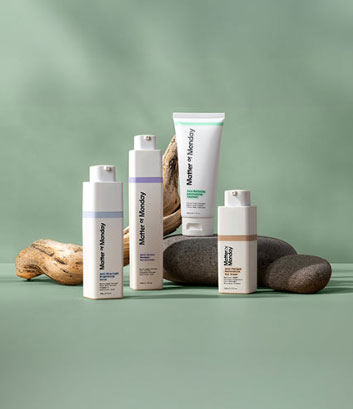
Screen time, stress, and fatigue can leave skin looking dull long before the day is done. Blue light penetrates causing deep oxidative skin damage, stress cortisol worsens breakouts, and fine lines tired skin and eyes show visible aging fast. Matter of Monday offers sensitive-skin-friendly, science-backed care made for life on the go helping protect, calm, and restore skin wherever work happens. Support your skin every day with Matter of Monday, right where it needs it most at work. Shop Now!
The Hidden Bidirectional Loop Between Stress and Dehydration
Stress triggers immediate physiological shifts that increase fluid loss. Heart rate rises, breathing quickens, and perspiration increases even in climate-controlled offices. Under pressure, many people simply forget to drink or turn to caffeinated and sugary beverages that can promote further dehydration. The outcome is a gradual drift into suboptimal hydration that often goes unnoticed until symptoms surface.
At the same time, when fluid intake consistently falls short, the body registers mild dehydration as an additional stressor. This activates water-conservation mechanisms that can, paradoxically, heighten the overall stress response. It forms a two-way street: stress can leave you drier, while even mild dehydration can intensify everyday tensions.
How Stress Hormones Shape Fluid Balance
When the brain detects a threat whether a looming deadline or a challenging conversation cortisol and related hormones surge. These shifts can influence kidney function and fluid regulation. Over prolonged periods, chronic low-level stress may blunt normal thirst signals or encourage behaviors that further reduce water intake.
Dehydration, in turn, places measurable strain on the body, producing effects that overlap with stress itself: fatigue, headaches, reduced concentration, and heightened irritability. The connection is no coincidence. Both conditions engage overlapping regulatory systems, allowing one to readily amplify the other.
Recent Evidence Linking Low Fluid Intake to Heightened Stress Responses
A study published in the Journal of Applied Physiology explored how habitual fluid intake affects cortisol reactivity during a standardized psychosocial stress test. Participants with lower daily consumption around 1.3 liters exhibited significantly greater cortisol increases compared with those drinking substantially more. Both groups reported comparable rises in anxiety and heart rate, yet the physiological stress-hormone response stood out markedly higher in the less-hydrated group.
Suboptimal hydration, often signaled by darker urine, correlated strongly with this exaggerated cortisol spike. The findings indicate that even mild, ongoing under-hydration may sensitize the body's stress pathways, with potential implications for longer-term health when the pattern persists.
Why the Cycle Feels So Familiar in Daily Life
Consider a typical workday. Morning meetings stretch longer than planned, lunch is hurried, and afternoon energy sags. Many reach for yet another coffee rather than water, unaware that caffeine can exert a mild diuretic effect. By late afternoon, focus wanes and minor frustrations loom larger. What registers as “just stress” may partly arise from creeping dehydration.
During especially demanding periods tax season, exam weeks, or family responsibilities people frequently sleep less, move less, and drink less. Each element compounds the others. The body's efforts to conserve water through hormones such as vasopressin can interact with the stress axis, generating a feedback loop that leaves individuals feeling both physically depleted and emotionally on edge.
Practical Signs That Stress May Be Affecting Your Hydration
- Dark yellow or amber urine, particularly first thing in the morning
- Persistent low energy or brain fog that lifts noticeably after drinking water
- Headaches or muscle tension that ease with steady hydration
- Increased thirst or dry mouth during or after stressful moments
- Difficulty shedding irritability even once the immediate stressor has passed
These cues are easy to brush aside as normal features of a busy life. Yet tuning into them can interrupt the cycle before it becomes entrenched.
Simple Strategies to Safeguard Hydration Under Pressure
Building better habits requires consistency rather than perfection. Begin the day with a full glass of water before turning to coffee. Keep a reusable bottle clearly visible on your desk and use gentle phone reminders during demanding work stretches. If plain water feels uninspiring, infuse it with slices of citrus, cucumber, or fresh herbs.
In high-stress windows, emphasize water-rich foods such as cucumbers, watermelon, oranges, or broth-based soups. Moderate excessive caffeine and alcohol, both of which can accelerate fluid loss. Many find success by linking hydration to existing routines: a glass of water after each meeting or while reviewing emails.
Environmental prompts also help. A distinctive bottle, a clearly marked pitcher, or simple tracking apps can encourage intake without adding mental burden. The aim is to make reaching for water as reflexive as glancing at your phone.
Timing Matters More Than You Might Think
Distributing fluid intake evenly across the day supports more stable balance than consuming large volumes at once. Evening hydration warrants attention too ensuring adequate intake earlier helps prevent overnight dehydration that could influence morning cortisol patterns and next-day resilience.
Addressing Common Misconceptions
Many assume thirst provides a reliable early alert for dehydration. In practice, thirst often emerges only after fluid levels have already declined. Others suppose any beverage contributes equally to hydration needs. While tea and coffee supply fluid, their caffeine can increase urine output in some individuals, particularly when consumed heavily.
Another widespread belief holds that only athletes or those in hot climates need concern themselves with hydration. In truth, office workers, parents managing packed schedules, and students facing deadlines encounter the same subtle interplay between stress and fluid balance frequently without recognizing it.
Looking Beyond Water: A Broader View of Resilience
Staying hydrated is not a universal remedy, yet it supplies a foundational layer of support for navigating everyday stress. When fluid balance remains steadier, the body can meet pressures with reduced physiological strain. This, in turn, may preserve mental resources for clearer problem-solving, steadier emotional regulation, and faster recovery.
When paired with regular movement, sufficient sleep, and meaningful social connections, conscious attention to hydration builds a more stable foundation for modern living. It represents a quiet, low-effort shift capable of delivering outsized improvements in how ordinary days feel.
The next time deadlines press or worries mount, pause briefly and reach for water. That straightforward gesture may accomplish more than simply quenching thirst. It could help regulate the body's stress response in healthier measure, rendering the everyday a little more manageable and sustainable.
Frequently Asked Questions
Can stress cause dehydration?
Yes, stress can directly contribute to dehydration. When the body activates its stress response, heart rate rises, breathing quickens, and perspiration increases all of which accelerate fluid loss. On top of that, stressed individuals often forget to drink water or reach for caffeinated beverages that can promote further dehydration.
How does dehydration make stress and anxiety worse?
Mild dehydration acts as an additional physical stressor, triggering the body's water-conservation mechanisms and amplifying the overall stress response. Research published in the *Journal of Applied Physiology* found that people with lower daily fluid intake showed significantly higher cortisol spikes during a stress test compared to well-hydrated participants. Symptoms like fatigue, headaches, brain fog, and irritability overlap with both stress and dehydration, making each condition harder to manage on its own.
How much water should you drink to help manage everyday stress?
There's no single universal target, but the key is consistent intake spread evenly throughout the day rather than drinking large amounts at once. Practical strategies include starting the morning with a full glass of water before coffee, keeping a visible reusable bottle at your desk, eating water-rich foods like cucumbers and watermelon during high-stress periods, and linking hydration to existing routines such as drinking a glass after each meeting. Monitoring urine color aiming for pale yellow is a simple, reliable indicator of adequate hydration.
Disclaimer: The above helpful resources content contains personal opinions and experiences. The information provided is for general knowledge and does not constitute professional advice.
You may also be interested in: Matter of Monday: Stress-Proof Skincare for a Healthy Glow
Screen time, stress, and fatigue can leave skin looking dull long before the day is done. Blue light penetrates causing deep oxidative skin damage, stress cortisol worsens breakouts, and fine lines tired skin and eyes show visible aging fast. Matter of Monday offers sensitive-skin-friendly, science-backed care made for life on the go helping protect, calm, and restore skin wherever work happens. Support your skin every day with Matter of Monday, right where it needs it most at work. Shop Now!
Powered by flareAI.co


