

Quick Listen:
In the rush of daily life across bustling hubs like New York, Los Angeles, and Chicago, many notice their skin changing in ways that feel sudden and unforgiving. Fine lines deepen, firmness fades, and that once-supple glow seems harder to hold onto. What if the culprit isn't just time or the environment, but the very stress hormones surging through your body under stress? Understanding how stress hormones affect collagen and elasticity offers a clearer window into why modern skin needs more than basic moisturizers and what actually works to fight back.
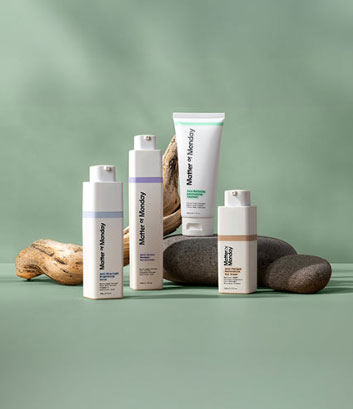
Screen time, stress, and fatigue can leave skin looking dull long before the day is done. Blue light penetrates causing deep oxidative skin damage, stress cortisol worsens breakouts, and fine lines tired skin and eyes show visible aging fast. Matter of Monday offers sensitive-skin-friendly, science-backed care made for life on the go helping protect, calm, and restore skin wherever work happens. Support your skin every day with Matter of Monday, right where it needs it most at work. Shop Now!
The Silent Saboteur: Stress Hormones in Modern Life
Stress isn't new, but the way it shows up on our faces has evolved. Cortisol, the body's primary stress hormone, evolved to help us survive short-term threats. In today's world of endless notifications, tight deadlines, and back-to-back travel between San Francisco and Austin, it lingers far longer than nature intended. When cortisol stays elevated, it triggers a cascade that directly targets the skin's structural proteins. This isn't abstract science it's the reason so many busy professionals wake up looking more tired than they feel, even after what should have been a restful night.
The mechanism is straightforward yet relentless. Elevated cortisol signals the body to break down resources for immediate survival, including the very building blocks that keep skin firm and elastic. Over weeks and months, this chronic exposure accelerates visible aging in ways that creams alone can't always reverse, especially for those navigating the fast pace of cities like Miami or Seattle.
Cortisol's Direct Assault on Collagen Production
Collagen makes up about 80 percent of the skin's structural framework, acting like the steel beams in a building. When stress hormones spike, they activate enzymes called matrix metalloproteinases, or MMPs, which literally chew away at collagen fibers. Even moderate chronic stress can reduce collagen synthesis significantly in affected skin layers.
The result? Skin that feels thinner, looks duller, and develops creases that once only appeared years later. For those juggling high-stakes careers in Boston or Dallas, this process unfolds quietly during long screen hours and disrupted sleep cycles. The damage compounds because cortisol also impairs the skin's ability to repair itself overnight, turning what should be recovery time into further breakdown. Over time, the cumulative effect leaves skin more vulnerable to everyday wear.
The Elasticity Equation: Why Skin Loses Its Bounce
Elasticity the skin's ability to snap back after stretching relies on elastin fibers working in tandem with collagen. Chronic stress disrupts this partnership in two ways. First, cortisol dehydrates the skin by altering its barrier function, making it more prone to environmental damage. Second, it promotes inflammation that stiffens elastin, robbing it of flexibility.
You've felt this effect after a particularly grueling week: skin that looks slack around the eyes or jawline, no matter how much water you drink. In cities like San Diego or Chicago, where climates already challenge the barrier, stress hormones amplify these vulnerabilities. The loss isn't dramatic at first, but over time it creates the sagging and laxity many attribute solely to aging, quietly eroding the youthful resilience you once took for granted.
Blue Light and Digital Stress: The New Frontier of Skin Damage
Traditional stress has a new accomplice: the constant glow of screens. Blue light from devices generates oxidative stress that mimics cortisol's effects, breaking down collagen and elastin while triggering pigment changes. For professionals glued to laptops from morning commutes in New York to late-night emails in Los Angeles, this digital exposure adds a layer of invisible damage that traditional skincare rarely addresses.
Daily blue-light exposure can accelerate aging signs by increasing free radicals and disrupting the skin's natural repair rhythm. It's no wonder skin feels reactive and fatigued the modern threat is literally staring us in the face for hours each day. Protecting against this requires more than sunscreen; it demands targeted defense built for real-life routines that busy professionals actually follow.
Evidence-Based Ways to Shield Your Skin from Hormonal Havoc
The good news is that knowledge leads to action. Simple, consistent habits can interrupt the stress-skin cycle without adding more pressure to already packed schedules. Start with mindful breathing breaks literally two minutes at your desk can lower cortisol enough to protect ongoing collagen production. Pair that with hydration that goes beyond drinking water: look for ingredients that reinforce the skin barrier against dehydration caused by stress.
- Prioritize sleep hygiene, even on travel days, because deep rest is when skin repairs collagen most efficiently.
- Incorporate antioxidants that neutralize the free radicals triggered by both cortisol and blue light.
- Choose products formulated for midday resets quick, non-greasy applications that fit between meetings or on planes.
- Focus on clean, science-backed formulas that dermatologists trust, especially if your skin tends to react under pressure.
These steps don't require a complete overhaul. They fit seamlessly into the lives of professionals who value efficiency without sacrificing results, whether you're in Austin or Seattle.
Choosing the Right Skincare: What Busy Professionals Need to Know
With so many options on shelves and social feeds, it's easy to feel overwhelmed. The key is focusing on dermatologist-endorsed solutions that use patented, clinically tested actives rather than trendy but unproven ingredients. Clean formulas matter because sensitive, stress-reactive skin already has enough to handle harsh additives only make things worse.
Convenience becomes non-negotiable for those constantly on the move. Look for packaging designed for real life: no-mess applicators, TSA-friendly sizes, and textures that absorb instantly for a quick desk refresh. These innovations aren't luxuries; they're practical tools that make consistent protection possible amid packed calendars in cities from coast to coast.
Newer brands sometimes face skepticism, yet those grounded in rigorous science and real dermatologist validation often deliver the most targeted relief. While some may worry about cost or hesitate to try unfamiliar names, the focus remains on proven results that address the specific threats stress hormones, digital exposure, and daily wear that actually accelerate collagen and elasticity loss.
Rebuilding Resilience in a High-Stress World
Skin health isn't about fighting time; it's about working with your body's natural systems to maintain strength despite modern pressures. By understanding how stress hormones quietly undermine collagen and elasticity, you gain the power to intervene early and effectively. This growing awareness is reflected in the U.S. skincare market, projected to reach an estimated value of USD 30.42 billion by 2032 as more people seek solutions that match their fast-paced realities.
Small, strategic choices today compound into visible resilience tomorrow. Whether you're powering through a demanding week in Los Angeles or resetting during a quick trip to Seattle, your skin can adapt and recover when given the right support. The difference lies in choosing protection that's as modern as the threats it counters targeted, convenient, and backed by science.
In the end, glowing, resilient skin isn't a luxury reserved for the unstressed. It's an achievable reality for anyone willing to address the hormonal and digital forces at play. Start where you are, protect what matters, and watch your skin respond with the vitality it was always meant to have.
Frequently Asked Questions
How does cortisol break down collagen in the skin?
Cortisol, the body's primary stress hormone, activates enzymes called matrix metalloproteinases (MMPs) that degrade collagen fibers while simultaneously suppressing new collagen synthesis. This dual attack leaves skin thinner, duller, and more prone to fine lines. Chronic stress compounds the damage by impairing the skin's overnight repair process, turning rest time into further breakdown.
Can stress hormones cause loss of skin elasticity?
Yes elevated cortisol disrupts skin elasticity in two key ways: it dehydrates the skin by weakening its barrier function, and it promotes inflammation that stiffens elastin fibers, reducing their natural flexibility. Over time, this leads to visible sagging and laxity around the eyes and jawline. Environmental factors like climate and blue light exposure can amplify these stress-driven effects.
What skincare habits help protect collagen from stress-related damage?
Consistent, targeted habits can interrupt the stress-skin cycle including short mindful breathing breaks to lower cortisol, prioritizing quality sleep for overnight collagen repair, and using antioxidant-rich products that neutralize free radicals from both stress hormones and blue light. Look for dermatologist-endorsed, clean formulas with clinically tested actives designed for sensitive, stress-reactive skin. Convenience matters too: quick-absorbing, travel-friendly formats make it easier to stay consistent even during hectic schedules.
Disclaimer: The above helpful resources content contains personal opinions and experiences. The information provided is for general knowledge and does not constitute professional advice.
You may also be interested in: Matter of Monday: Stress-Proof Skincare for a Healthy Glow
Screen time, stress, and fatigue can leave skin looking dull long before the day is done. Blue light penetrates causing deep oxidative skin damage, stress cortisol worsens breakouts, and fine lines tired skin and eyes show visible aging fast. Matter of Monday offers sensitive-skin-friendly, science-backed care made for life on the go helping protect, calm, and restore skin wherever work happens. Support your skin every day with Matter of Monday, right where it needs it most at work. Shop Now!
Powered by flareAI.co


