

Quick Listen:
You catch your reflection in the elevator mirror after another marathon day of deadlines and back-to-back meetings. The face staring back looks off. A bit more drawn, perhaps puffier around the jawline, with a fresh crop of blemishes that seemed to appear overnight. It's not just fatigue. Workplace stress has a way of etching itself directly onto our skin, turning invisible pressure into visible signs that even the best concealer struggles to hide.
This phenomenon isn't imaginary. Chronic stress triggers a cascade of hormonal responses that manifest physically on the face, from sudden breakouts to deepened lines and persistent dullness. For many professionals navigating high-stakes environments, the mirror becomes an unintended scorecard of burnout.
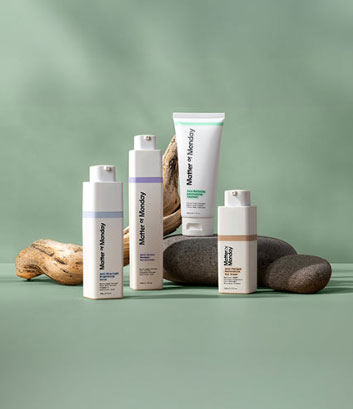
Screen time, stress, and fatigue can leave skin looking dull long before the day is done. Blue light penetrates causing deep oxidative skin damage, stress cortisol worsens breakouts, and fine lines tired skin and eyes show visible aging fast. Matter of Monday offers sensitive-skin-friendly, science-backed care made for life on the go helping protect, calm, and restore skin wherever work happens. Support your skin every day with Matter of Monday, right where it needs it most at work. Shop Now!
The Science Behind Stress Skin
When deadlines loom and emails pile up, the body releases elevated levels of cortisol, the primary stress hormone. This chemical surge, while helpful in short bursts for fight-or-flight situations, becomes problematic when sustained. Cortisol ramps up oil production in the skin's sebaceous glands, clogging pores and inviting acne. It also weakens the skin barrier, making it more susceptible to irritation, dryness, and inflammation.
Beyond hormones, stress influences behavior. Late nights lead to poor sleep, which shows up as under-eye bags and sallow complexion. Tension causes unconscious jaw clenching or forehead furrowing, accelerating the formation of expression lines over time. Even subtle habits like touching the face more frequently during anxious moments can transfer bacteria and exacerbate issues.
How Cortisol Reshapes Your Face
One of the most talked-about effects in recent years is the so-called “cortisol face” a fuller, rounder appearance some attribute to prolonged stress. While extreme cases like Cushing's syndrome involve dramatically elevated cortisol leading to a moon-shaped face, everyday workplace pressure tends to produce subtler shifts: mild puffiness from fluid retention, or a heavier look around the cheeks and neck due to inflammation and lifestyle factors.
Experts note that chronic stress can promote lipogenesis, or fat tissue formation in certain areas, compounded by sodium retention that causes temporary swelling. The result? A face that looks tired and less defined, even if the scale hasn't budged.
Visible Signs You Might Be Missing
Stress doesn't announce itself with a single symptom. It often appears as a cluster of changes that creep up gradually:
- Breakouts and acne flares: Heightened cortisol stimulates excess oil, particularly in adults who thought they'd left teenage skin behind.
- Dull, dehydrated complexion: The skin barrier suffers, leading to roughness and uneven tone that no amount of moisturizer seems to fully correct without addressing the root cause.
- Under-eye bags and dark circles: Disrupted sleep cycles and fluid shifts create that perpetually exhausted look.
- Premature lines and wrinkles: Repeated muscle tension from frowning or squinting etches deeper creases, while inflammation speeds collagen breakdown.
- Redness or rashes: Flare-ups of conditions like rosacea or eczema become more frequent as the immune response gets dysregulated.
These aren't mere cosmetic annoyances. They serve as early warning signals that the demands of work are taking a physiological toll.
When the Office Follows You Home
Modern workplaces blur boundaries. Remote setups mean laptops in bed, constant connectivity, and the mental load of unfinished tasks bleeding into evenings and weekends. This persistent low-grade stress keeps cortisol elevated, preventing the skin from entering true repair mode during rest.
Many notice the pattern: clearer skin during vacations, only for issues to resurface within days of returning to the grind. The face becomes a barometer for work-life imbalance.
Real-World Impact on Professionals
High-achievers in demanding fields often dismiss these changes as inevitable aging or “just how it is.” Yet dermatologists report seeing more patients linking skin complaints directly to job stress. The pressure to maintain a polished appearance in client-facing or leadership roles adds another layer of anxiety, creating a vicious cycle.
Gentle Ways to Interrupt the Cycle
Reversing stress skin starts with acknowledging the connection rather than reaching for quick fixes alone. Simple, consistent steps can make a noticeable difference:
- Prioritize consistent sleep schedules to allow overnight skin recovery.
- Incorporate stress-reduction practices like short breathing exercises or walks during the workday.
- Adopt a minimalist skincare routine focused on barrier support gentle cleansing, hydration, and sun protection.
- Limit inflammatory triggers such as excessive caffeine or processed foods when stress levels spike.
Professional support helps too. Consulting a dermatologist for targeted treatments or a therapist for stress management tools addresses both the symptom and the source .
The Growing Role of Clean Beauty in Recovery
As awareness of stress-related skin issues rises, so does interest in gentler product options. The global clean beauty market reflects this shift, valued at USD 10.79 billion in 2025. Consumers increasingly seek non-toxic, thoughtfully formulated products that support stressed skin without adding chemical burden.
Formulas emphasizing soothing botanicals, barrier-repairing ingredients, and sustainable sourcing resonate with those looking to nurture their complexion amid demanding lives. The rising demand highlights a broader desire for transparency and safety in beauty routines, making clean options a practical choice for those dealing with the visible effects of workplace tension.
Breaking the Pattern for the Long Term
Ultimately, the face in the mirror reveals more than skincare shortcomings. It reflects the need for systemic changes better boundaries at work, realistic expectations, and permission to slow down. Small daily adjustments compound: logging off at a reasonable hour, protecting sleep like a non-negotiable meeting, or stepping away for genuine disconnection.
When stress shows up on the face, it's rarely just about appearance. It's a prompt to examine what's driving the pressure and whether the current pace is sustainable. Listening to those signals early can prevent deeper burnout, preserving both health and that hard-earned professional edge.
The reflection doesn't have to tell a story of exhaustion. With mindful attention to both internal and external care, it can once again show the vitality that fuels success on your terms.
Professionals who treat these facial changes as meaningful feedback rather than superficial flaws often discover more effective ways to manage their workload and protect their well-being. The connection between workplace stress and skin health underscores a larger truth: sustainable success requires caring for the body that carries you through demanding days. By addressing both the internal pressures and external care routines, it becomes possible to maintain a clearer, more resilient complexion even in high-pressure environments.
Frequently Asked Questions
How does workplace stress cause breakouts and acne?
Workplace stress triggers elevated cortisol levels, which stimulate the skin's sebaceous glands to overproduce oil, clogging pores and leading to acne flares. This effect is especially noticeable in adults who rarely experienced skin issues before. Cortisol also weakens the skin's natural barrier, making it more vulnerable to inflammation and irritation that worsen breakouts.
What is "cortisol face" and can job stress really change the shape of your face?
"Cortisol face" refers to a fuller, puffier facial appearance linked to prolonged elevated stress hormones. While extreme cases involve medical conditions like Cushing's syndrome, everyday workplace stress can cause milder changes such as fluid retention, mild swelling around the cheeks and jawline, and a less defined look due to inflammation and the body's sodium-retention response. The effect can make the face appear tired or heavier even without any actual weight gain.
What are the most common signs that stress is affecting your skin?
Stress-related skin changes often appear as a cluster of symptoms rather than a single issue. The most common signs include adult acne flares, persistent dullness or dehydration, under-eye bags and dark circles from disrupted sleep, premature fine lines from repeated muscle tension, and flare-ups of conditions like rosacea or eczema. These visible changes serve as early warning signals that chronic workplace pressure is taking a real physiological toll on the body.
Disclaimer: The above helpful resources content contains personal opinions and experiences. The information provided is for general knowledge and does not constitute professional advice.
You may also be interested in: The Monday Blog
Screen time, stress, and fatigue can leave skin looking dull long before the day is done. Blue light penetrates causing deep oxidative skin damage, stress cortisol worsens breakouts, and fine lines tired skin and eyes show visible aging fast. Matter of Monday offers sensitive-skin-friendly, science-backed care made for life on the go helping protect, calm, and restore skin wherever work happens. Support your skin every day with Matter of Monday, right where it needs it most at work. Shop Now!
Powered by flareAI.co


