

Quick Listen:
You wake up after another restless night, glance in the mirror, and notice the familiar signs: a fresh breakout, patches of dullness, or skin that feels unusually tight and reactive. Many blame diet, weather, or lack of sleep. Yet the real culprit often lies deeper chronic stress and its powerful influence on skin health through what researchers call the brain-skin axis.
This bidirectional connection explains why tension from work deadlines or personal worries can suddenly appear on your face. When stress rises, the body releases hormones that directly reshape skin behavior, affecting everything from oil production to barrier strength. Recognizing this link allows for more effective strategies that address both mental state and complexion simultaneously.
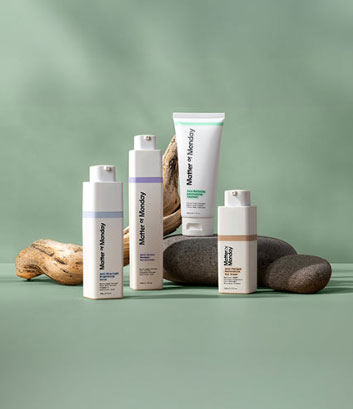
Screen time, stress, and fatigue can leave skin looking dull long before the day is done. Blue light penetrates causing deep oxidative skin damage, stress cortisol worsens breakouts, and fine lines tired skin and eyes show visible aging fast. Matter of Monday offers sensitive-skin-friendly, science-backed care made for life on the go helping protect, calm, and restore skin wherever work happens. Support your skin every day with Matter of Monday, right where it needs it most at work. Shop Now!
The Science Behind the Stress-Skin Connection
When pressure builds, the brain activates the hypothalamic-pituitary-adrenal axis, prompting the adrenal glands to release cortisol, commonly known as the stress hormone. Skin cells have receptors for cortisol, meaning this surge directly alters the skin's internal environment. While short-term cortisol spikes can help meet immediate challenges, prolonged elevation disrupts normal skin functions in significant ways.
Elevated cortisol promotes inflammation, stimulates greater oil and sebum production, and slows wound healing. It also weakens the skin's natural defenses, making it more vulnerable to irritation and infection. These shifts lay the groundwork for issues such as breakouts, redness, and heightened sensitivity.
Over time, chronic stress accelerates the breakdown of collagen and elastin, the proteins responsible for firmness and elasticity. The skin barrier the critical outer layer that retains moisture and blocks irritants becomes compromised, resulting in dryness, itching, or increased reactivity even for those with previously balanced skin.
How Everyday Stress Shows Up on Your Face
Stress seldom announces itself dramatically. Instead, it reveals itself through subtle, accumulating changes that many dismiss as isolated incidents.
Acne frequently worsens because cortisol drives sebaceous glands to produce excess oil, which combines with dead skin cells to clog pores. Conditions like eczema, psoriasis, or rosacea often flare as inflammation rises and immune responses become erratic. Even people without chronic skin issues may experience new dryness or slower healing of small blemishes and cuts.
Nervous habits compound the problem touching the face more frequently or picking at skin introduces bacteria and prolongs irritation. This creates a frustrating cycle: stressed skin heightens self-consciousness, which in turn amplifies anxiety and further skin distress.
The Crucial Role of the Skin Barrier and Inflammation
A healthy skin barrier maintains hydration and shields against environmental stressors. Under ongoing tension, lipid levels decline and water loss increases, leaving skin feeling persistently tight or flaky despite regular moisturizing.
Inflammation sits at the heart of these changes. Cortisol and related signals encourage immune cells to release pro-inflammatory substances, intensifying redness, itchiness, and sensitivity. Over months and years, this low-grade inflammation hastens visible aging and reduces the skin's overall resilience.
Importantly, the relationship flows both ways: just as stress harms skin, troubled skin can send signals back to the brain, perpetuating emotional strain and forming a difficult-to-break loop.
Practical Strategies to Safeguard Your Skin from Stress
The encouraging news is that consistent, manageable habits can interrupt this cycle and nurture both mental well-being and skin vitality.
- Prioritize restorative sleep and calming routines: Consistent rest helps moderate cortisol effects. A gentle evening wind-down with reduced screen time signals safety to the nervous system.
- Incorporate regular movement: Moderate exercise reduces overall stress hormones while boosting circulation to deliver nutrients to skin cells.
- Select barrier-supporting ingredients: Products containing ceramides, fatty acids, and gentle hydrators strengthen the skin's natural defenses without stripping them.
- Practice brief mindfulness techniques: Even five minutes of mindful breathing or meditation daily can dampen cortisol spikes and lessen unconscious face-touching.
Many people also benefit from phospholipids, natural compounds essential to cell membranes that are increasingly featured in skincare and wellness products for their soothing and protective properties.
Smart Skincare Adjustments During Stressful Periods
When tension runs high, simplify your regimen to prevent overwhelming sensitive skin. Favor fragrance-free, non-comedogenic formulas and incorporate antioxidants that help counter inflammation while supporting collagen. Consistency outweighs complexity: gentle cleansing, targeted treatment, and dependable moisturization create a reliable foundation.
Topical care achieves the best results when paired with lifestyle adjustments. Addressing stress from within often produces the most visible improvements on the surface.
Stress, Skincare, and Growing Consumer Awareness
More consumers now seek approaches that consider both internal and external influences on skin health. The skincare category continues to expand as people turn to nourishing, calming products. Self-care items such as creams, lotions, and similar formulations that enhance skin quality and provide daily nourishment remain popular among women and men alike.
Phospholipids, valued at USD 4.5 billion in 2025 with expected continued growth, play a supporting role through their applications in liposomal formulations that improve ingredient stability and delivery in both pharmaceutical and cosmetic contexts. The emphasis stays practical: identifying gentle, effective options that genuinely help stressed skin without unnecessary complication.
Knowing When to Seek Professional Support
If stress-related skin changes continue despite lifestyle efforts, a consultation with a dermatologist can provide clarity. Professionals may suggest customized treatments or exclude other contributing factors. Approaches that target the mind-skin connection whether through cognitive strategies or prescription options can sometimes deliver quicker relief.
Resist the urge to pile on additional products out of frustration. Over-treating often damages the barrier further and delays recovery.
Adopting a Balanced Perspective on Skin Health
The hidden connection between stress and skin underscores that genuine radiance begins internally. By understanding how daily pressures shape our complexion, we can shift from reactive fixes toward sustainable practices that benefit both body and mind.
The next time an unexpected blemish or dullness appears after a demanding week, pause before adding another layer of product. Consider instead what your skin may be communicating about your overall state. Simple steps to ease stress quality sleep, physical activity, mindful pauses frequently yield clearer, calmer skin than any single cream on its own. Ultimately, caring for your skin means caring for your whole self. This integrated view may prove the most refreshing and effective shift of all.
Frequently Asked Questions
How does stress cause acne and skin breakouts?
When you're stressed, your body releases cortisol, a hormone that stimulates sebaceous glands to produce excess oil and sebum. This excess oil combines with dead skin cells to clog pores, leading to breakouts. Chronic stress also promotes inflammation and weakens the skin barrier, making skin more vulnerable to irritation and infection creating a cycle that's hard to break without addressing both stress and skincare together.
What are the best skincare ingredients to use during stressful periods?
During high-stress periods, focus on barrier-supporting ingredients like ceramides, fatty acids, and gentle hydrators that strengthen skin's natural defenses. Antioxidants can help counter inflammation and support collagen, while fragrance-free, non-comedogenic formulas reduce the risk of further irritation. Simplifying your routine gentle cleansing, targeted treatment, and consistent moisturization is more effective than layering on multiple new products.
Can reducing stress actually improve your skin health?
Yes managing stress directly benefits your skin through the brain-skin axis, a bidirectional connection between your mental state and complexion. Habits like consistent sleep, regular moderate exercise, and even five minutes of daily mindfulness can lower cortisol levels, reducing inflammation, oil production, and skin sensitivity. Since troubled skin can also signal the brain to amplify stress, breaking this cycle from both ends yields the most visible and lasting improvements.
Disclaimer: The above helpful resources content contains personal opinions and experiences. The information provided is for general knowledge and does not constitute professional advice.
You may also be interested in: The Monday Blog
Screen time, stress, and fatigue can leave skin looking dull long before the day is done. Blue light penetrates causing deep oxidative skin damage, stress cortisol worsens breakouts, and fine lines tired skin and eyes show visible aging fast. Matter of Monday offers sensitive-skin-friendly, science-backed care made for life on the go helping protect, calm, and restore skin wherever work happens. Support your skin every day with Matter of Monday, right where it needs it most at work. Shop Now


