

Quick Listen:
In our always-on digital era, the soft glow of screens has become an inescapable companion. We check messages over coffee, answer emails late into the evening, and unwind with streaming shows all while our skin quietly absorbs the consequences. The hidden costs of constant connectivity on skin are more significant than many realize, manifesting as accelerated aging, persistent dullness, and heightened sensitivity that no quick fix can fully erase.
Prolonged exposure to high-energy visible blue light, combined with the low-grade stress of perpetual availability, disrupts skin's natural balance. The result is a complexion that often appears tired, inflamed, or prematurely lined, even after adequate rest. Understanding these mechanisms empowers us to protect our skin without disconnecting entirely from the modern world.
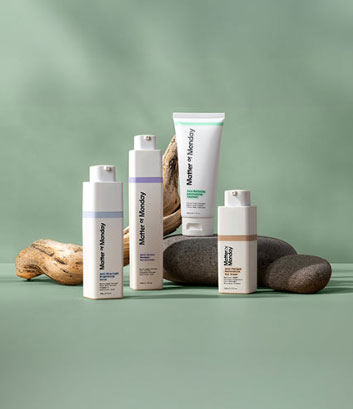
Screen time, stress, and fatigue can leave skin looking dull long before the day is done. Blue light penetrates causing deep oxidative skin damage, stress cortisol worsens breakouts, and fine lines tired skin and eyes show visible aging fast. Matter of Monday offers sensitive-skin-friendly, science-backed care made for life on the go helping protect, calm, and restore skin wherever work happens. Support your skin every day with Matter of Monday, right where it needs it most at work. Shop Now!
The Blue Light Effect: Deeper Than You Think
Blue light emitted by phones, tablets, and computers penetrates skin more deeply than ultraviolet rays. It stimulates the generation of free radicals that trigger oxidative stress, gradually degrading collagen and elastin fibers responsible for firmness and elasticity.
Research connects extended screen time to visible changes including increased roughness, diminished hydration levels, and early fine lines. For most people, the initial warning signs appear as lackluster tone or uneven texture rather than sudden wrinkles. These effects accumulate alongside average daily screen use that spans several hours for the typical adult.
Stress, Cortisol, and the Skin Barrier
Constant connectivity keeps our nervous systems in a state of mild alertness. Endless notifications and the expectation of immediate responses elevate cortisol, a hormone that impairs sleep quality, weakens the skin's protective barrier, and fuels inflammation.
A compromised barrier allows easier moisture loss and greater reactivity to everyday irritants. What seems like random breakouts or flare-ups of rosacea or eczema can often be traced to this underlying tension from never truly logging off.
How Digital Habits Disrupt Skin's Natural Rhythm
Skin repairs itself most efficiently during deep nighttime rest, following its own circadian rhythm. Yet evening exposure to blue light can suppress melatonin production and delay the transition into restorative sleep, depriving skin of crucial recovery time.
Over time, this disruption contributes to puffiness around the eyes, stubborn dark circles, and a sallow appearance. Dermatologists have observed what they sometimes call “digital aging” the cumulative toll of modern device habits on skin vitality.
Clean Beauty as a Thoughtful Response
Growing awareness of these challenges has prompted many to seek skincare that supports long-term skin health rather than simply covering damage. The global clean beauty market reflects this shift, valued at USD 10.79 billion in 2025 as consumers increasingly choose non-toxic, sustainable, and ethically sourced products.
Such formulations avoid controversial ingredients while emphasizing transparency and skin compatibility. Antioxidant-packed serums, barrier-fortifying moisturizers, and gentle actives like niacinamide or plant-derived polyphenols help neutralize oxidative stress from daily screen exposure. These options provide a measured, effective approach suited to life in a high-tech environment.
Practical Steps to Protect Your Skin
Protecting your complexion does not require abandoning technology. Consistent, manageable adjustments can yield noticeable improvements:
- Activate night mode or blue-light filters on devices, particularly in the hours before bed.
- Follow the 20-20-20 rule: every 20 minutes, shift your gaze to something 20 feet away for 20 seconds to rest both eyes and skin.
- Integrate targeted antioxidants into your routine vitamin C during the day or resveratrol-rich products at night.
- Reinforce the skin barrier daily with ceramide-containing moisturizers and mild, non-stripping cleansers.
- Establish an evening wind-down routine with reduced screen brightness and softer ambient lighting.
These strategies tackle underlying causes instead of symptoms alone. Many individuals report enhanced skin texture and natural luminosity within a few weeks of combining mindful device habits with supportive care.
Choosing Products That Actually Help
Prioritize ingredient transparency when shopping for skincare. Opt for options free of harsh synthetic fragrances, parabens, and other known irritants. Clean beauty collections frequently highlight sustainably sourced botanical extracts that deliver soothing and protective benefits while remaining gentle on the skin.
Common Misconceptions About Screen Time and Skin
A widespread belief holds that blue light concerns apply only to heavy users such as dedicated gamers or professionals working across multiple monitors. In truth, even routine daily activities scrolling during commutes, streaming content, or quick checks throughout the day contribute to the total exposure.
Another common assumption is that conventional sunscreen provides complete defense against high-energy visible light. Most standard formulas focus primarily on ultraviolet protection; complementary antioxidants or specially formulated mineral products offer more comprehensive support.
Finally, some dismiss the issue if their skin currently looks acceptable. Like cumulative sun damage, the impact of constant connectivity often develops gradually before becoming obvious.
Reclaiming Balance in a Connected Age
The objective is not to reject digital tools but to engage with them more consciously. Our skin serves as an honest mirror of contemporary lifestyles, revealing the pace and pressures we navigate daily. By moderating unnecessary exposure, managing background stress, and nurturing the skin with intentional care, we foster greater resilience and a healthier glow.
Ultimately, recognizing the hidden costs of constant connectivity encourages thoughtful boundaries with our devices. Small shifts in habits today can help maintain skin health and vitality well into the future. The radiance many seek may depend less on the latest product launch and more on how intentionally we coexist with the screens that define modern life.
Frequently Asked Questions
Does blue light from screens actually damage your skin?
Yes, blue light emitted by phones, tablets, and computers penetrates skin more deeply than ultraviolet rays, generating free radicals that trigger oxidative stress. Over time, this degrades collagen and elastin, leading to increased roughness, reduced hydration, and early fine lines. The effects are cumulative, meaning even routine daily habits like scrolling or streaming contribute to total exposure not just heavy screen users.
How does screen time and stress affect the skin barrier?
Constant connectivity keeps the nervous system in a state of mild alertness, elevating cortisol levels that weaken the skin's protective barrier and fuel inflammation. A compromised barrier leads to increased moisture loss and greater reactivity to everyday irritants, which can manifest as breakouts or flare-ups of conditions like rosacea or eczema. Managing screen-related stress through device boundaries and barrier-supporting skincare such as ceramide moisturizers can meaningfully improve skin resilience.
What skincare ingredients help protect skin from blue light and digital aging?
Antioxidant-rich formulas are among the most effective tools against blue light-induced oxidative stress. Ingredients like vitamin C (best used during the day), resveratrol (ideal for nighttime), niacinamide, and plant-derived polyphenols help neutralize free radical damage from screen exposure. Clean beauty products that are free from parabens and synthetic fragrances offer an added advantage by avoiding ingredients that can further irritate a screen-stressed complexion.
Disclaimer: The above helpful resources content contains personal opinions and experiences. The information provided is for general knowledge and does not constitute professional advice.
You may also be interested in: The Monday Blog
Screen time, stress, and fatigue can leave skin looking dull long before the day is done. Blue light penetrates causing deep oxidative skin damage, stress cortisol worsens breakouts, and fine lines tired skin and eyes show visible aging fast. Matter of Monday offers sensitive-skin-friendly, science-backed care made for life on the go helping protect, calm, and restore skin wherever work happens. Support your skin every day with Matter of Monday, right where it needs it most at work. Shop Now!
Powered by flareAI.co


