

Quick Listen:
Picture this: you step out of a warm shower, reach for the towel, and already feel that telltale tightness pulling across your cheeks. Despite layering on creams and serums, the subtle dryness persists, and those fine lines seem just a bit more visible by mid-afternoon. This common experience frustrates countless people, yet the real issue rarely stems from missing some high-end product. More often, it traces back to something far more fundamental hydration, or rather, the lack of it.
Your skin's most powerful defense against daily assaults is not the newest serum or even broad-spectrum sunscreen. It is a properly hydrated state that maintains a strong, supple, and resilient outer barrier. When internal moisture levels drop, environmental stressors and everyday fatigue reveal themselves more quickly on your face.
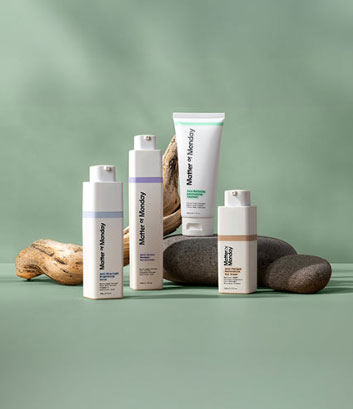
Screen time, stress, and fatigue can leave skin looking dull long before the day is done. Blue light penetrates causing deep oxidative skin damage, stress cortisol worsens breakouts, and fine lines tired skin and eyes show visible aging fast. Matter of Monday offers sensitive-skin-friendly, science-backed care made for life on the go helping protect, calm, and restore skin wherever work happens. Support your skin every day with Matter of Monday, right where it needs it most at work. Shop Now!
The Skin Barrier: Your Body's Invisible Shield
The outermost layer of skin, the stratum corneum, operates much like a brick wall. Dead skin cells form the bricks, bound together by lipids and natural moisturizing factors. Water is essential for keeping this structure flexible and intact. Without sufficient internal hydration, the wall loses integrity, allowing moisture to escape while irritants gain easier entry.
Dehydrated skin feels more than uncomfortable. It looks dull, feels rough to the touch, and gradually loses its natural elasticity. Research indicates that boosting daily water consumption can improve skin physiology, especially for individuals starting from lower hydration baselines. The payoff appears as skin that recovers more quickly and retains moisture more effectively hour after hour.
What Happens When Your Skin Goes Thirsty
Even a short period of inadequate fluid intake can intensify the problem. Skin cells contract slightly, resembling grapes slowly turning into raisins. Fine lines stand out more prominently because the natural plumping action of water diminishes. In response, the skin may ramp up oil production, creating the frustrating mix of dryness and unexpected breakouts that many know too well.
The consequences extend beyond appearance. A weakened barrier slows recovery from small irritations and heightens sensitivity to pollution, harsh winds, and rapid temperature changes. Dehydration quietly transforms reliable skin protection into something noticeably more vulnerable.
Drinking Water: The Foundation, Not the Miracle
Consistent water intake supports better circulation, helping deliver nutrients and oxygen to skin cells with greater efficiency. It also assists the body's natural cleansing systems, which can translate into a clearer and more balanced complexion over time. While extra glasses of water will not erase established wrinkles or substitute for quality moisturizers, steady hydration contributes to skin that simply looks and feels healthier and more luminous.
People who maintain good hydration levels frequently notice positive shifts in texture and tone within just a few days of mindful adjustment. The goal is not rigidly following an eight-glasses standard but discovering the personal balance that suits your activity, climate, and eating habits.
Topical Hydration: Locking Moisture In
Internal hydration lays the groundwork, yet topical products provide the crucial seal. Ingredients such as hyaluronic acid and glycerin act as humectants, pulling moisture into the upper skin layers, while occlusives like ceramides and squalane help prevent that moisture from escaping. Used together, they strengthen the barrier instead of merely coating the surface.
Clean beauty approaches have drawn increasing interest by focusing on transparent, carefully chosen ingredients that respect skin compatibility. Clean beauty market interest continues to rise as more consumers seek non-toxic, sustainable options that align with a gentler daily routine. Many effective hydrating formulas today blend fermented botanicals, mineral-rich seawater extracts, and marine-derived elements delivering meaningful support without excess additives. The emphasis stays practical: select textures and components that genuinely suit your skin rather than following fleeting trends.
Daily Habits That Amplify Hydration Benefits
Small, repeatable actions often deliver greater impact than sporadic elaborate routines. Consider these straightforward practices:
- Begin each morning with a glass of water before your first coffee or tea.
- Add water-rich foods such as cucumber, watermelon, and oranges to regular meals.
- Run a humidifier in dry indoor spaces, particularly during winter or heavy air-conditioning periods.
- Build thoughtful layers a hydrating toner or essence beneath serum and moisturizer creates multiple levels of reinforcement.
- Apply broad-spectrum sunscreen every day, recognizing that UV exposure accelerates moisture loss.
Moderate physical activity further supports the process by enhancing circulation and encouraging better fluid balance when combined with attentive drinking habits.
Common Misconceptions About Skin Hydration
A frequent confusion arises between dry skin and dehydrated skin. Dry skin lacks sufficient oil, while dehydrated skin lacks water meaning you can experience oily yet dehydrated skin, which often triggers excess shine and congestion as the skin compensates. Another widespread belief claims that consuming large volumes of water will dramatically smooth away wrinkles. Reality is more measured: proper hydration bolsters skin function and resilience, performing best when paired with other sound lifestyle choices.
Beyond the Surface: Long-Term Skin Resilience
Sustained hydration, addressed both internally and topically, helps preserve the skin's innate repair systems. It safeguards collagen quality, diminishes the visible effects of daily environmental wear, and maintains a fresher-looking complexion even as time passes. View it as essential preventive care rather than a temporary remedy.
In today's crowded skincare marketplace, returning attention to fundamentals ample water, balanced nutrition, and gentle barrier-supporting products frequently produces the most enduring improvements. Skin tends to respond with gratitude when cared for through steady, uncomplicated attention instead of constant complexity.
Final Thoughts on Putting Hydration First
Your skin operates nonstop as the body's largest organ and primary boundary with the external world. Supplying the hydration it requires may not feel glamorous, yet it quietly underpins every other effort you make toward appearance and well-being. Begin simply: reach for water regularly throughout the day, select compatible topical hydrators, and pay attention to how your skin rewards you with improved tone, reduced irritation, and that quiet, natural luminosity no digital filter can truly match.
Changes may not always appear dramatic from one day to the next, but over consistent weeks and months, well-hydrated skin develops greater strength better equipped to handle everyday demands while looking and feeling its healthiest. Ultimately, that understated resilience may represent the most rewarding form of beauty.
Frequently Asked Questions
How does drinking water actually improve your skin's appearance?
Staying well-hydrated supports circulation, helping deliver oxygen and nutrients to skin cells more efficiently. It also helps maintain the integrity of the skin's outer barrier (the stratum corneum), keeping it flexible and better able to retain moisture. People who improve their daily water intake often notice better skin texture and tone within just a few days. While hydration won't erase wrinkles on its own, it forms the essential foundation for healthier, more resilient skin.
What is the difference between dry skin and dehydrated skin?
Dry skin is a skin *type* that lacks sufficient oil, while dehydrated skin is a *condition* caused by a lack of water. This distinction matters because even oily skin can be dehydrated when the skin senses water loss, it may overcompensate by producing excess oil, leading to shine, congestion, and unexpected breakouts. Addressing dehydration requires both increasing water intake and using water-binding topical ingredients like hyaluronic acid and glycerin, rather than simply adding heavier creams.
What skincare ingredients are best for locking in skin hydration?
The most effective hydrating routines combine humectants and occlusives. Humectants like hyaluronic acid and glycerin draw moisture into the upper layers of skin, while occlusives such as ceramides and squalane form a protective seal that prevents that moisture from evaporating. Layering a hydrating toner or essence underneath a serum and moisturizer creates multiple reinforcing levels of hydration. Applying broad-spectrum sunscreen daily also helps, as UV exposure is a major driver of moisture loss.
Disclaimer: The above helpful resources content contains personal opinions and experiences. The information provided is for general knowledge and does not constitute professional advice.
You may also be interested in: The Monday Blog
Screen time, stress, and fatigue can leave skin looking dull long before the day is done. Blue light penetrates causing deep oxidative skin damage, stress cortisol worsens breakouts, and fine lines tired skin and eyes show visible aging fast. Matter of Monday offers sensitive-skin-friendly, science-backed care made for life on the go helping protect, calm, and restore skin wherever work happens. Support your skin every day with Matter of Monday, right where it needs it most at work. Shop Now!
Powered by flareAI.co


