

Quick Listen:
You pick up your phone again maybe for the tenth time this hour checking a notification or scrolling through the latest updates. It feels routine, almost harmless. Yet while your attention drifts across the screen, high-energy visible light, commonly known as blue light or HEV light, is reaching deeper into your skin than you might realize.
For years, we have understood the risks of ultraviolet rays from sunlight, but the glow from our everyday devices presents a different, more pervasive challenge. Growing scientific evidence indicates that prolonged exposure to screen-emitted light can quietly accelerate familiar signs of aging: fine lines, reduced firmness, and uneven tone all triggered by a source that sits inches from our faces for much of the day.
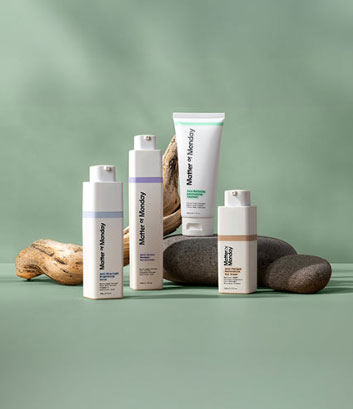
Screen time, stress, and fatigue can leave skin looking dull long before the day is done. Blue light penetrates causing deep oxidative skin damage, stress cortisol worsens breakouts, and fine lines tired skin and eyes show visible aging fast. Matter of Monday offers sensitive-skin-friendly, science-backed care made for life on the go helping protect, calm, and restore skin wherever work happens. Support your skin every day with Matter of Monday, right where it needs it most at work. Shop Now!
What Is Screen-Induced Skin Damage?
Blue light occupies a portion of the visible spectrum, positioned between ultraviolet rays and warmer daylight tones. Unlike UV radiation, which primarily impacts the skin's surface, HEV light penetrates further, reaching the dermis where collagen and elastin provide the structural support that keeps skin looking youthful and resilient.
Upon contact with skin cells, blue light stimulates the formation of reactive oxygen species unstable molecules often called free radicals. This oxidative stress interferes with normal cellular processes, similar to the effects of urban pollution or tobacco smoke, but delivered continuously through our digital habits.
The Cellular Mechanisms Behind Blue Light Exposure
Research shows that even exposures lasting about an hour can elevate reactive oxygen species levels in skin cells, promoting inflammation, weakening the skin barrier, and speeding the breakdown of essential proteins. Over months and years, this contributes to photoaging the cumulative wear typically linked to sun exposure, but now also driven by artificial light sources.
A particularly visible consequence is hyperpigmentation. Blue light tends to stimulate melanin production more noticeably in deeper skin tones, sometimes leading to persistent dark spots or patches. It can also compromise the skin's natural defenses, increasing susceptibility to redness, sensitivity, and slower recovery from daily stressors.
The damage rarely appears dramatic after one extended session. Instead, it builds gradually as daily screen time now far exceeding levels from previous generations adds up in the background.
How Digital Light Interacts with Everyday Environmental Stressors
In real life, blue light seldom acts alone. Urban pollution, changing humidity levels, and irregular sleep patterns already tax the skin's antioxidant capacity. When screen exposure layers on top, those defenses deplete more rapidly, leaving collagen and elastin increasingly vulnerable.
Experts observe that blue light can intensify low-grade inflammation associated with dullness and loss of elasticity. It may also disrupt the skin's local circadian rhythm the internal timing that coordinates nighttime repair making late-evening scrolling particularly counterproductive.
Why Screen-Related Skin Concerns Are Rising
Our connection to digital devices has evolved from occasional tool to constant companion: laptops for work, tablets for evenings, phones at bedtime. While long-term population-level data continues to develop, current laboratory findings warrant greater awareness.
The encouraging aspect is that knowledge empowers better choices. Recognizing that oxidative stress from deeper-penetrating visible light plays a role helps clarify why standard UV protection, while still vital, may need supplementation for comprehensive daily defense.
Effective Strategies to Safeguard Skin in the Digital Age
Begin with habits many already know but often overlook: regular screen breaks. The familiar 20-20-20 rule for eye comfort every 20 minutes, gaze 20 feet away for 20 seconds also benefits facial skin by reducing sustained close-range exposure.
Incorporate antioxidant-rich skincare. Ingredients like vitamin C, vitamin E, ferulic acid, and select botanical extracts help neutralize free radicals before extensive harm occurs. Morning application offers daytime shielding; evening use supports overnight restoration.
Look for products designed with blue-light considerations in mind, including those with iron oxides or light-diffusing minerals that may limit penetration. Pairing these with barrier-fortifying components such as ceramides or niacinamide strengthens overall resilience against multiple environmental challenges.
Lifestyle elements matter equally. Prioritizing quality sleep, proper hydration, and a diet abundant in colorful produce reinforces the skin's internal antioxidant network. Simple swaps replacing one mindless scroll with a short walk or printed book can yield noticeable cumulative benefits.
Selecting Reliable Skincare Solutions
Not every product claiming blue-light protection performs equally. Prioritize formulations supported by credible testing over promotional claims alone. Broad-spectrum options addressing both UV and visible light provide the most practical daily approach. Consistency ultimately outweighs complexity; a straightforward, maintainable routine delivers better long-term results than an ambitious one that quickly fades.
Addressing Common Questions and Misconceptions
Many ask whether skin tone influences vulnerability. Evidence suggests deeper tones may show more pronounced pigmentation shifts, yet all skin types experience some level of collagen-related impact. Another frequent concern: whether phone-level light intensity truly matters. Studies indicate that repeated daily exposure, especially at close range, can accumulate to produce measurable cellular effects.
Parents often inquire about younger users, whose skin remains in development and whose screen hours frequently run higher. Although dedicated pediatric research is still emerging, core protective measures regular breaks, antioxidant support, and balanced habits apply beneficially across all ages.
Embracing Technology While Protecting Skin Health
Abandoning screens is neither realistic nor desirable. They facilitate connection, information, and entertainment in profound ways. The objective lies in balanced integration rather than avoidance.
As investigations deepen our grasp of visible light's influence, the beauty sector continues introducing more precise protective options. The strongest defense, however, combines evidence-based products, mindful daily practices, and informed awareness of screen habits.
The next time your hand reaches for a device, consider a brief pause. That small interruption may allow your skin a moment of recovery from the constant glow. Over time, these intentional choices can help maintain the skin's natural vitality and appearance amid modern digital demands.
Ultimately, exploring the science of screen-induced skin damage does not call for rejecting technology. It invites a clearer recognition that our bodies respond to contemporary environments in nuanced, accumulating ways. Staying informed and taking practical steps allows us to harness digital benefits while thoughtfully preserving skin health for years ahead.
In response to growing consumer interest in gentler options, many are turning toward clean beauty approaches that emphasize toxin-free formulas with transparent labeling to minimize chemical irritation. Similarly, demand for solutions suited to reactive skin has supported the expansion of sensitive skin care products, with users favoring minimalist, multifunctional routines and sustainable packaging. This shift aligns with broader interest in sustainable beauty and skincare, where non-toxic, environmentally considerate choices support both personal skin health and planetary well-being.
Frequently Asked Questions
Does blue light from phone and computer screens actually damage your skin?
Yes, research indicates that blue light (HEV light) from screens can penetrate deeper into the skin than UV rays, reaching the dermis where collagen and elastin are found. It triggers the formation of reactive oxygen species (free radicals), which cause oxidative stress, inflammation, and gradual breakdown of skin structure. Even roughly an hour of exposure can elevate these harmful molecules in skin cells, and the effects accumulate silently over months and years of daily screen use.
What are the visible signs of screen-induced skin aging, and who is most at risk?
The most common signs include fine lines, loss of firmness, uneven skin tone, and hyperpigmentation particularly dark spots or patches. People with deeper skin tones may notice more pronounced pigmentation changes, though all skin types experience some degree of collagen-related impact. Late-night screen use is especially problematic, as blue light can disrupt the skin's natural circadian rhythm, interfering with overnight cellular repair.
How can I protect my skin from blue light damage without giving up my devices?
A practical defense starts with antioxidant-rich skincare containing ingredients like vitamin C, vitamin E, and ferulic acid to neutralize free radicals before damage sets in. Look for products with iron oxides or light-diffusing minerals formulated with blue-light protection in mind, and pair them with barrier-strengthening ingredients like ceramides or niacinamide. Behavioral habits also matter taking regular screen breaks (such as the 20-20-20 rule), prioritizing quality sleep, staying hydrated, and limiting mindless scrolling before bed all help preserve your skin's natural resilience over time.
Disclaimer: The above helpful resources content contains personal opinions and experiences. The information provided is for general knowledge and does not constitute professional advice.
You may also be interested in: The Monday Blog
Screen time, stress, and fatigue can leave skin looking dull long before the day is done. Blue light penetrates causing deep oxidative skin damage, stress cortisol worsens breakouts, and fine lines tired skin and eyes show visible aging fast. Matter of Monday offers sensitive-skin-friendly, science-backed care made for life on the go helping protect, calm, and restore skin wherever work happens. Support your skin every day with Matter of Monday, right where it needs it most at work. Shop Now!
Powered by flareAI.co


