

Quick Listen:
Picture this: you're scrolling through your phone late into the evening, eyes glued to the glow. What if that familiar blue light bathing your face isn't just straining your eyes but quietly accelerating the aging of your skin? Scientists increasingly describe high-energy visible (HEV) light the blue wavelengths pouring from screens, LEDs, and even sunlight as the new environmental pollutant for our complexions. Unlike traditional air pollution or UV rays we've long guarded against with sunscreen, blue light penetrates deeper into the skin, triggering oxidative stress that contributes to premature wrinkles, dullness, and uneven tone.
This isn't mere alarmist hype. Research indicates that even an hour of exposure can spark cellular changes, including shrinkage and potential death of skin cells, thereby speeding up the aging process. Yet most of us remain unaware, treating our devices as harmless companions rather than subtle aggressors. As our digital lives continue to expand, understanding blue light's impact has become essential for anyone serious about long-term skin health.
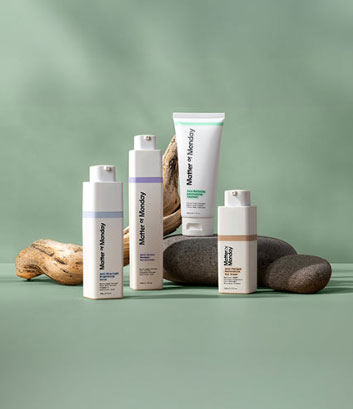
Screen time, stress, and fatigue can leave skin looking dull long before the day is done. Blue light penetrates causing deep oxidative skin damage, stress cortisol worsens breakouts, and fine lines tired skin and eyes show visible aging fast. Matter of Monday offers sensitive-skin-friendly, science-backed care made for life on the go helping protect, calm, and restore skin wherever work happens. Support your skin every day with Matter of Monday, right where it needs it most at work. Shop Now!
What Exactly Is Blue Light and Where Does It Come From?
Blue light occupies a portion of the visible spectrum, roughly 400–500 nanometers, carrying enough energy to reach beyond the skin's outermost layers. It originates from natural sunlight but also dominates the artificial illumination of smartphones, laptops, tablets, and energy-efficient LED lighting in our homes and offices. While UV rays primarily affect the epidermis and can cause immediate burns or DNA damage, blue light travels further into the dermis, where it interacts with collagen and elastin the vital proteins that maintain skin firmness and youthful resilience.
Daily exposure accumulates rapidly. Between video calls, evening streaming sessions, and constant notifications, many people spend hours bathed in this light without much reflection. The consequence is a gradual, often invisible assault that only becomes apparent when fine lines deepen or pigmentation shifts emerge.
How Blue Light Functions as Digital Skin Pollution
Consider blue light a form of digital smog. It stimulates the production of reactive oxygen species (ROS), unstable molecules that damage cells in ways comparable to environmental pollutants. This oxidative stress contributes to the breakdown of collagen and elastin, resulting in reduced firmness, loss of radiance, and the formation of fine lines. It can also compromise the skin barrier, leading to increased dryness and sensitivity common complaints for those experiencing redness or flare-ups following extended screen time.
Studies associate blue light with hyperpigmentation, as it appears to overstimulate melanin production. This tendency manifests more prominently in deeper skin tones, sometimes producing persistent dark spots or patchy discoloration. Observations have noted heightened swelling, redness, and pigment alterations after exposure. Unlike UV damage, which many link to sunny outdoor days, blue light pollution persists indoors, serving as a constant presence throughout modern routines.
The Underlying Science of the Damage
At the cellular level, blue light interferes with normal physiological processes. It can harm mitochondrial DNA, disrupt cellular energy production, and activate inflammatory pathways. Certain research highlights the activation of receptors that increase enzymes responsible for degrading structural proteins in the skin. The resulting changes resemble traditional photoaging, yet they stem from a distinct everyday source: prolonged interaction with screens rather than occasional beach exposure.
Notably, blue light does not appear to carry the same direct cancer risk associated with UV radiation, providing a measure of reassurance. Nevertheless, its deeper penetration and contribution to cumulative aging effects warrant serious attention. Dermatologists observe that while supporting evidence continues to develop, the consistent patterns of oxidative stress, pigmentation changes, and barrier disruption correspond closely with issues reported by patients who spend significant time on digital devices.
Who Experiences the Effects Most and Why Awareness Matters Today
Individuals with deeper skin tones may notice more pronounced pigmentation shifts, while those with fairer complexions might observe gradual dullness or earlier fine lines. Yet no skin type remains entirely unaffected. In today's always-connected culture, even moderate device users can accumulate sufficient exposure to influence visible aging over time.
The analogy to broader environmental pollution feels particularly relevant. Just as society has adapted to filtering air and water for better health, safeguarding skin from this pervasive invisible pollutant is becoming a standard consideration. The emphasis stays firmly on practical steps: greater awareness encourages smarter daily habits, and modest adjustments can accumulate into meaningful long-term protection for skin vitality.
Effective Strategies to Protect Your Skin from Blue Light
Begin with foundational measures. Many contemporary sunscreens incorporate ingredients designed to address HEV light, frequently featuring iron oxides alongside antioxidants for enhanced defense. Applying these formulations daily establishes an important barrier, effective even when remaining indoors.
Serums rich in antioxidants such as vitamin C, niacinamide, or resveratrol assist in neutralizing free radicals before extensive damage occurs. Using them consistently in morning and evening routines strengthens the skin's natural defenses. Additional physical protections prove valuable: screen filters or specialized glasses that reduce blue light emission can lower exposure directly at the source, particularly during extended work or leisure sessions.
- Implement regular screen breaks following the 20-20-20 rule every 20 minutes, shift your gaze to an object 20 feet away for 20 seconds to help limit overall dose.
- Lower screen brightness or activate night-shift modes that favor warmer color temperatures, especially in the evening hours.
- Incorporate barrier-reinforcing ingredients like ceramides and hyaluronic acid into your regimen to support recovery from any inflammation or dryness.
These adjustments require no complete lifestyle overhaul, only intentional integration. Over weeks and months, they contribute to preserving a healthier, more resilient complexion amid constant digital engagement.
Addressing Common Misconceptions About Blue Light and Skin Health
A widespread belief suggests that blue light damage remains overhyped or confined to unusually heavy exposure. In practice, the effects develop incrementally, mirroring the impact of ongoing low-level environmental stressors. Another assumption holds that only sunlight outdoors poses a real threat; however, indoor LEDs and personal devices deliver substantial contributions as well.
Some maintain that conventional SPF provides full coverage, yet many traditional sunscreens primarily target UVB and UVA wavelengths. Broader-spectrum options that also consider visible light offer more comprehensive support. Finally, avoid equating temporary eye fatigue with the subtler, longer-term consequences for skin both merit care, though cutaneous changes often progress more discreetly.
Can Blue Light Provide Any Benefits to Skin?
Controlled applications of specific blue light wavelengths serve useful purposes in clinical dermatology, including management of acne and certain inflammatory conditions. The critical distinction involves dosage, precise wavelength, and professional oversight. Targeted therapeutic sessions differ markedly from the unregulated, continuous exposure typical of everyday screens and lighting. Context and moderation remain essential.
Moving Forward: Navigating Blue Light in Our Digital Reality
As technology advances, skincare approaches must evolve alongside it. Blue light exposure is unlikely to vanish from daily life, but informed decisions can substantially reduce its cumulative effects. Emphasizing antioxidant support, conscious device management, and suitable protective products helps sustain skin strength and appearance despite relentless connectivity.
The encouraging aspect is that consistent, modest actions often produce visible improvements. Skin possesses remarkable resilience when supported thoughtfully. Treating digital light with the same consideration traditionally reserved for sunlight or urban air pollution represents one of the most forward-thinking steps available in contemporary beauty routines.
The next time you pick up your phone, pause to consider how that blue glow does more than display content it quietly influences your skin's long-term trajectory. Through heightened awareness and straightforward protective measures, it becomes possible to fully embrace the benefits of the digital era while safeguarding the health and youthfulness of your complexion.
Frequently Asked Questions
Does blue light from screens actually damage your skin?
Yes, blue light (HEV light) from smartphones, laptops, and LED lighting can cause real skin damage over time. It penetrates deeper than UV rays into the dermis, triggering oxidative stress that breaks down collagen and elastin leading to premature wrinkles, dullness, and uneven skin tone. Even an hour of exposure can spark cellular changes that accelerate the aging process.
What skincare products protect against blue light damage?
Sunscreens containing iron oxides offer broader-spectrum protection that includes HEV light, and are effective even when used indoors. Pairing them with antioxidant-rich serums such as vitamin C, niacinamide, or resveratrol helps neutralize free radicals before damage accumulates. Barrier-supporting ingredients like ceramides and hyaluronic acid can also help repair dryness and inflammation caused by prolonged screen exposure.
Is blue light skin damage worse than UV damage?
Blue light and UV rays cause different types of harm. UV radiation primarily damages the outer skin layer and carries a direct skin cancer risk, while blue light penetrates deeper into the dermis and contributes to cumulative aging, hyperpigmentation, and barrier disruption without the same cancer risk. Notably, blue light pollution is harder to avoid since it occurs indoors year-round, making consistent daily protection just as important as traditional sun care.
Disclaimer: The above helpful resources content contains personal opinions and experiences. The information provided is for general knowledge and does not constitute professional advice.
You may also be interested in: The Monday Blog
Screen time, stress, and fatigue can leave skin looking dull long before the day is done. Blue light penetrates causing deep oxidative skin damage, stress cortisol worsens breakouts, and fine lines tired skin and eyes show visible aging fast. Matter of Monday offers sensitive-skin-friendly, science-backed care made for life on the go helping protect, calm, and restore skin wherever work happens. Support your skin every day with Matter of Monday, right where it needs it most at work. Shop Now!
Powered by flareAI.co


