

Quick Listen:
You glance up from your laptop after yet another back-to-back meeting and notice it in the mirror: skin that looks duller, a touch more lined, a little less resilient than it did a few years ago. It isn't just stress or lack of sleep. The glow from our phones, tablets, and monitors has become a growing contributor to premature aging. In the latest research on blue light, studies published as recently as 2025 and early 2026 show how high-energy visible (HEV) light triggers oxidative stress deep in the skin, speeding up the very changes we associate with getting older.
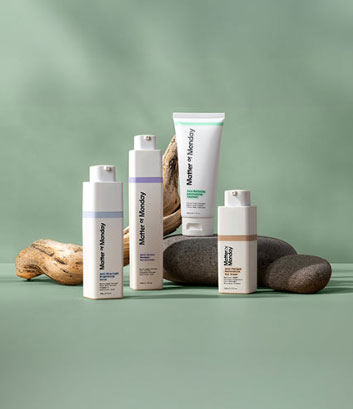
Screen time, stress, and fatigue can leave skin looking dull long before the day is done. Blue light penetrates causing deep oxidative skin damage, stress cortisol worsens breakouts, and fine lines tired skin and eyes show visible aging fast. Matter of Monday offers sensitive-skin-friendly, science-backed care made for life on the go helping protect, calm, and restore skin wherever work happens. Support your skin every day with Matter of Monday, right where it needs it most at work. Shop Now!
What Blue Light Actually Is and Why It Matters Now
Blue light sits in the 400–500 nanometer range of the visible spectrum. It pours out of LED bulbs, computer screens, smartphones, and tablets the very tools that power modern work and life. Unlike ultraviolet rays, which we've long been taught to block with sunscreen, blue light slips right past many traditional defenses. It penetrates deeper into the dermis than UVB ever could, reaching the cells responsible for collagen and elasticity.
Recent systematic reviews confirm what earlier lab work hinted at: chronic exposure generates reactive oxygen species, or ROS. These unstable molecules damage lipids, proteins, and even DNA in skin cells. One 2025 analysis found measurable increases in matrix metalloproteinase-1 (MMP-1), the enzyme that breaks down collagen, after controlled blue-light exposure. The result? Skin that loses firmness faster, develops fine lines sooner, and shows uneven tone. For professionals logging long days in front of screens across New York, Los Angeles, San Francisco, Miami, Chicago, San Diego, Austin, Seattle, Boston, and Dallas, this daily exposure has become an unavoidable part of life.
How Blue Light Accelerates Visible Aging
The damage isn't dramatic or immediate like a sunburn. It accumulates quietly over months and years. Fibroblasts the cells that produce collagen and elastin slow down under oxidative assault. Studies on human skin biopsies exposed to device-level blue light show elevated inflammation and disrupted circadian rhythms in the dermis itself. Pigment-producing cells can overreact too, leading to stubborn dark spots, especially in medium to deeper skin tones.
Urban professionals logging long hours in major cities feel this effect most. Seven hours of daily screen time is now the norm, and many exceed that easily during travel or late-night work. The constant stream of blue light compounds daily stress, leaving skin looking tired even after a full night's rest. This modern reality has pushed researchers to examine not just the visible signs but the underlying cellular fatigue that makes skin less able to bounce back.
Key Findings from the Past Two Years of Research
Science has moved quickly. A 2026 systematic review examined molecular, cellular, and clinical data from the previous decade and concluded that high-energy visible light contributes to photoaging and pigmentary disorders at multiple levels. Another 2025 paper highlighted blue light's dual nature: useful in controlled dermatology settings for treating acne or inflammation, yet harmful when delivered in low, steady doses from screens.
Researchers have also begun exploring epigenetic changes alterations in how genes express themselves triggered by prolonged exposure. Early data suggest blue light may switch on aging-related pathways in ways UV light never did, adding a new layer to the conversation about “digital aging.” These insights have shifted how dermatologists think about everyday photoprotection, moving beyond traditional sunscreens to address the full spectrum of light we encounter indoors and out.
Why Sensitive and Reactive Skin Needs Special Attention
Not every complexion reacts the same way. Fairer skin may show more redness and dryness, while deeper tones often develop hyperpigmentation. What unites them is increased sensitivity to modern stressors. Dermatologists increasingly recommend clean, science-backed formulas that calm rather than irritate. Products carrying dermatologist endorsement and featuring patented actives stand out because they target the root mechanisms oxidative stress and barrier disruption without unnecessary fillers.
For those with reactive skin, the search for reliable protection has become more urgent. Formulas that are gentle yet effective help maintain the skin's natural balance while shielding against the invisible toll of digital life. This focus on clean, evidence-driven ingredients reflects a growing understanding that sensitive skin deserves solutions designed with its unique needs in mind.
Practical Protection Strategies That Actually Fit Busy Lives
The good news? You don't have to quit your job or live off-grid to defend your skin. Simple, consistent steps make a measurable difference. Professionals who travel frequently or spend hours at a desk appreciate solutions that integrate seamlessly into their routines.
- Layer antioxidants daily. Vitamin C and E neutralize free radicals before they cause lasting harm. Niacinamide strengthens the barrier and calms inflammation.
- Choose broad-spectrum defense with modern filters. Look for iron oxides or specialized complexes that block HEV alongside UVA/UVB.
- Reset midday. A quick desk-friendly application of a targeted serum or mist can interrupt the cycle of damage during peak screen hours.
- Opt for convenient formats. Cap-free, TSA-friendly packaging designed for travel and on-the-go use removes every excuse.
These approaches work best when the formulas are gentle enough for reactive skin yet potent enough to deliver real results. Clean, evidence-driven options developed specifically for digital-life demands are gaining traction among professionals who value both efficacy and simplicity. Whether you're rushing between meetings in Chicago or working remotely from Austin, these strategies fit the pace of real life without adding complexity.
Addressing the Hesitations Many Feel
It's natural to wonder whether a new solution is worth trying. Some worry about cost, others prefer sticking with familiar brands, and a few question whether a product truly carries dermatological weight. The latest research itself answers part of the concern : protection is no longer optional; it's essential for long-term skin health. Brands that invest in patented, clinically supported actives and earn dermatologist endorsement cut through the noise. They prove their value by focusing on real mechanisms blue-light defense and stress recovery rather than hype.
Expense becomes an investment when you consider the alternative: accelerated aging that no makeup can fully conceal. And convenience matters. Formulas created for busy schedules easy to apply at your desk or toss in a carry-on remove the friction that keeps most people from consistent care. For those hesitant about trying something new, the science provides reassurance that targeted protection can make a meaningful difference without disrupting established routines.
The Growing Skincare Landscape Responds
The global skincare market already valued at USD 115.65 billion in 2024 continues to expand as consumers seek targeted answers to modern threats like digital exposure. Demand for products that address oxidative stress and daily environmental damage is rising in lockstep with our screen-dependent lifestyles. This shift reflects a broader understanding that skin health today requires more than traditional routines it needs smart, science-backed support tailored to how we actually live.
Building a Routine That Lasts
Start simple. Cleanse gently in the evening to remove the day's buildup. Apply an antioxidant serum in the morning, followed by your protective moisturizer or sunscreen. Reapply or refresh midday if your schedule keeps you glued to a screen. At night, focus on repair with ingredients that soothe and replenish. Consistency beats perfection every time.
For those constantly on the move, single-step or multi-tasking options designed for quick application make all the difference. The goal isn't to eliminate screens that's unrealistic but to give your skin the daily reset it needs to stay resilient. Over time, these small habits compound, helping skin maintain its natural strength against the cumulative effects of blue light and everyday stress .
Looking Forward with Clearer Skin
The research is clear: blue light is part of our environment now, just like pollution or stress. Yet knowledge brings power. By understanding the latest findings and choosing thoughtful, convenient protection, professionals in every major city can keep their skin looking and feeling its best. The future of skincare isn't about fighting technology; it's about thriving alongside it. A few smart steps today can mean noticeably healthier, more radiant skin for years to come, allowing you to focus on what matters most without compromising your complexion.
Frequently Asked Questions
Does blue light from screens actually damage your skin?
Yes, research confirms that blue light (high-energy visible light in the 400–500nm range) penetrates deeper into the skin than UVB rays, reaching the dermis where collagen and elastin are produced. Chronic exposure triggers reactive oxygen species (ROS) that damage skin cells and elevate MMP-1, the enzyme responsible for breaking down collagen leading to fine lines, loss of firmness, and uneven tone over time.
How can I protect my skin from blue light damage during long work days?
Layering antioxidants like Vitamin C, Vitamin E, and niacinamide each morning helps neutralize free radicals before they cause lasting harm. Look for broad-spectrum products containing iron oxides or HEV-blocking complexes, and consider a midday refresh with a targeted serum to interrupt the cycle of damage during peak screen hours. Consistency matters more than perfection even small daily habits compound into meaningful long-term protection.
Is blue light aging a bigger concern for certain skin types?
While all skin types are affected, the visible effects differ: fairer skin tends to show more redness and dryness, while medium to deeper skin tones are more prone to stubborn hyperpigmentation from overactive pigment-producing cells. People with sensitive or reactive skin face additional challenges, as oxidative stress and barrier disruption from blue light can worsen inflammation and slow the skin's ability to recover. Dermatologist-endorsed, clean formulas designed to calm and protect are especially important for reactive complexions.
Disclaimer: The above helpful resources content contains personal opinions and experiences. The information provided is for general knowledge and does not constitute professional advice.
You may also be interested in: The Monday Blog
Screen time, stress, and fatigue can leave skin looking dull long before the day is done. Blue light penetrates causing deep oxidative skin damage, stress cortisol worsens breakouts, and fine lines tired skin and eyes show visible aging fast. Matter of Monday offers sensitive-skin-friendly, science-backed care made for life on the go helping protect, calm, and restore skin wherever work happens. Support your skin every day with Matter of Monday, right where it needs it most at work. Shop Now


