

Quick Listen:
You've powered through another demanding week, deadlines stacking up while restful sleep feels like a distant memory. Then you catch your reflection and notice something is off. The familiar healthy glow has faded, replaced by a lackluster tone, uneven patches, or unexpected dark spots that seem to have appeared almost overnight. This isn't imagination at work. Stress literally reshapes your skin's tone and brightness from within, altering how your complexion looks and feels on a daily basis.
How Stress Shapes Skin Tone and Brightness reveals a common modern experience: the quiet accumulation of daily pressures visibly affecting facial radiance, pigmentation balance, and overall luminosity that so many seek.
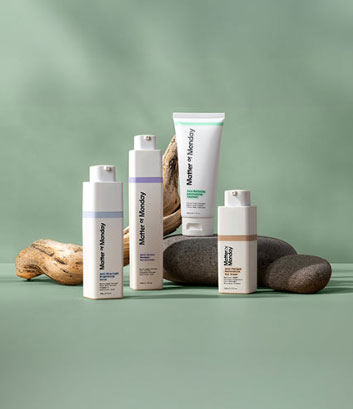
Screen time, stress, and fatigue can leave skin looking dull long before the day is done. Blue light penetrates causing deep oxidative skin damage, stress cortisol worsens breakouts, and fine lines tired skin and eyes show visible aging fast. Matter of Monday offers sensitive-skin-friendly, science-backed care made for life on the go helping protect, calm, and restore skin wherever work happens. Support your skin every day with Matter of Monday, right where it needs it most at work. Shop Now!
The Hidden Mechanism: How Cortisol Directly Affects Skin Cells
Stress triggers a surge in cortisol, the body's primary stress hormone. Because skin cells carry receptors for cortisol, the impact registers right on the surface. Prolonged high levels weaken the skin barrier, reduce natural lipid production, and slow the regular shedding and renewal of skin cells responsible for maintaining a fresh, even appearance.
Circulation shifts away from the skin toward essential organs during stress responses, leaving facial tissue with less oxygen and fewer nutrients. Inflammation climbs, collagen degrades more quickly, and the precise equilibrium needed for consistent skin tone begins to unravel. The outcome is a complexion that appears flat, fatigued, and less vibrant.
Visible Changes: From Lost Luminosity to Patchy Tone
Dullness often emerges first. When cell turnover slows, dead skin cells accumulate and scatter light instead of reflecting it cleanly, stripping away natural luminosity and leaving a matte, lifeless finish.
Stress hormones can also activate melanocytes, the pigment-producing cells, resulting in areas of hyperpigmentation or irregular dark spots. Added inflammation brings redness or blotchiness, while a compromised barrier leads to dehydration that accentuates every imperfection. Over weeks and months, fine lines become more noticeable and firmness declines, further emphasizing uneven tone.
The Reinforcing Cycle: Stress, Disrupted Sleep, and Slowed Recovery
Sleep disruption frequently accompanies stress, magnifying the harm. Most skin repair and regeneration occur during deep rest; when those hours shrink, inflammation lingers and recovery lags. Morning brings puffiness, under-eye shadows, and a noticeably sallow cast.
The loop becomes self-perpetuating. When skin looks tired or breakout-prone, self-consciousness can rise, feeding back into higher stress. Interrupting this pattern calls for attention to both internal calm and external care.
Why Different Skin Types Respond Differently
Oily and combination skin may suddenly produce more sebum under cortisol's influence, leading to unexpected breakouts. Dry or sensitive types often experience increased tightness, flaking, and reactivity. Mature skin, with already diminishing collagen, shows faster loss of firmness and brightness.
Across all skin types, the shared vulnerabilities remain inflammation and a weakened barrier factors that diminish radiance more rapidly than most daily habits.
Restoring Brightness: Practical Steps That Work from the Inside Out
Effective stress management for skin does not require eliminating pressure entirely. It means creating reliable conditions for recovery through consistent, gentle habits that yield noticeable results over time.
- Prioritize consistent sleep hygiene. Adding even 30 to 60 minutes of quality rest can accelerate cell turnover and visibly reduce dullness within a short period.
- Incorporate moderate movement. Regular exercise helps lower baseline cortisol while improving blood flow, delivering oxygen and nutrients more effectively to skin cells.
- Use simple mindfulness practices. Short sessions of focused breathing or meditation calm the nervous system and can quickly soften facial redness and tension.
- Reinforce the skin barrier daily. Gentle cleansing paired with fragrance-free moisturizers containing ceramides or lipids, plus antioxidant-rich serums, counters dehydration and ongoing inflammation.
Targeted Ingredients That Counter Stress-Related Damage
Several well-researched ingredients prove especially helpful for stressed skin. Niacinamide supports oil balance, fortifies the barrier, and helps fade discoloration. Vitamin C delivers brightening effects while shielding against oxidative stress. Soothing botanicals such as centella asiatica and green tea calm inflammation without irritation. The most reliable approach pairs these with steady, non-aggressive routines rather than harsh interventions that could further compromise an already sensitive barrier.
The Shift Toward Gentler, Natural Formulations
More people are seeking milder alternatives that address root causes rather than symptoms alone. Awareness of potential issues with synthetic ingredients has grown, prompting many to choose options perceived as safer and more supportive for daily skin health. Organic skincare products, free from harsh chemicals and preservatives, appeal strongly to those prioritizing wellness, with users often reporting fewer instances of irritation or allergic reactions.
The broader skincare landscape reflects this preference for natural and clean approaches that hydrate, nourish, and calm while aligning with overall lifestyle balance. Botanical extracts, valued for their antioxidant, anti-inflammatory, and hydrating properties, continue to gain traction in formulations designed for modern skin concerns, including those tied to stress.
Clearing Up Common Misconceptions
A frequent assumption is that creams and serums by themselves can fully resolve stress-affected skin. Without easing the internal driver, however, improvements often remain partial. Another belief holds that only intense, prolonged stress leaves a mark yet even brief periods can dull brightness when paired with inadequate recovery.
Some attribute changes solely to aging. While time plays a role, stress can speed visible effects dramatically, making skin appear older than its actual years and underscoring the value of holistic care.
Rebuilding Radiance: Patience and Consistency Pay Off
Recovering even tone and natural brightness after periods of high stress requires patience, yet skin responds encouragingly once conditions improve. Many observe clearer, more balanced texture within weeks of prioritizing rest and calmer daily rhythms. With continued attention over months, flare-ups decrease, resilience builds, and the desired healthy luminosity returns more reliably.
Success lies in steady habits rather than perfection. Simple choices creating screen-free wind-down time, enjoying short outdoor walks, or safeguarding sleep accumulate faster than expected. Skin thrives not under flawless conditions but with dependable, supportive routines that respect both mind and body.
Ultimately, the most luminous complexions often belong to those who value stress management as much as their skincare regimen. When internal equilibrium returns, the face reflects it revealing a tone that looks healthier, more uniform, and authentically vibrant.
Frequently Asked Questions
How does stress cause dull skin and uneven skin tone?
Stress triggers a spike in cortisol, which weakens the skin barrier, slows cell turnover, and reduces circulation to facial tissue leaving skin with less oxygen and fewer nutrients. As dead skin cells accumulate, they scatter rather than reflect light, creating a flat, matte appearance. Stress hormones can also activate melanocytes (pigment-producing cells), leading to dark spots, redness, and blotchiness that disrupt an even complexion.
Can stress-related skin damage be reversed, and how long does it take?
Yes skin responds positively once the underlying stressors are managed and a supportive routine is in place. Many people notice clearer, more balanced texture within a few weeks of prioritizing sleep and calming daily habits. With consistent care over several months, resilience builds, flare-ups decrease, and natural luminosity gradually returns.
What skincare ingredients and lifestyle habits work best for stressed skin?
For topical care, niacinamide helps balance oil and fade discoloration, vitamin C brightens and protects against oxidative stress, and soothing botanicals like centella asiatica and green tea reduce inflammation without irritating a compromised barrier. On the lifestyle side, even 30–60 extra minutes of quality sleep can accelerate cell renewal, while regular moderate exercise lowers cortisol and improves blood flow to the skin. Pairing gentle, fragrance-free moisturizers with short mindfulness or breathing practices addresses both the internal and external drivers of stressed skin.
Disclaimer: The above helpful resources content contains personal opinions and experiences. The information provided is for general knowledge and does not constitute professional advice.
You may also be interested in: Glycerin - Matter of Monday
Screen time, stress, and fatigue can leave skin looking dull long before the day is done. Blue light penetrates causing deep oxidative skin damage, stress cortisol worsens breakouts, and fine lines tired skin and eyes show visible aging fast. Matter of Monday offers sensitive-skin-friendly, science-backed care made for life on the go helping protect, calm, and restore skin wherever work happens. Support your skin every day with Matter of Monday, right where it needs it most at work. Shop Now!
Powered by flareAI.co


