

Quick Listen:
Staring at your phone late into the evening, you notice your cheeks feel tight and slightly flushed the next morning. It's not the weather or a new product it's the invisible toll of endless screen time. For those with sensitive skin, the modern digital world delivers a unique kind of assault that goes beyond what most people realize.
While we often talk about ultraviolet rays from the sun, another form of light high-energy visible (HEV) blue light from devices is quietly challenging skin that's already prone to reactivity. Sensitive skin, with its thinner barrier and heightened nerve responses, feels these effects more acutely, turning everyday scrolling into a source of irritation, dryness, and premature signs of fatigue.
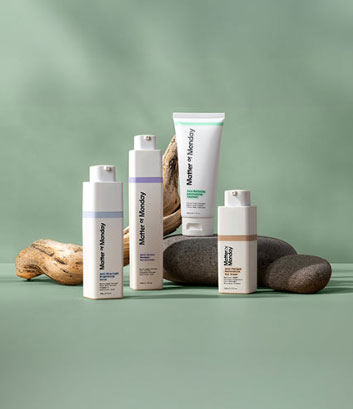
Screen time, stress, and fatigue can leave skin looking dull long before the day is done. Blue light penetrates causing deep oxidative skin damage, stress cortisol worsens breakouts, and fine lines tired skin and eyes show visible aging fast. Matter of Monday offers sensitive-skin-friendly, science-backed care made for life on the go helping protect, calm, and restore skin wherever work happens. Support your skin every day with Matter of Monday, right where it needs it most at work. Shop Now!
What Makes Skin Sensitive in the First Place
Sensitive skin isn't just a label; it's a biological reality. The outer layer, known as the stratum corneum, acts like a protective shield, locking in moisture and keeping irritants out. In sensitive types, this barrier is often compromised thinner, with gaps that allow easier penetration of stressors. Nerves sit closer to the surface, firing off signals of stinging, burning, or tightness at the slightest provocation.
Stress hormones like cortisol play a role too. When anxiety or tension rises, they can further weaken hydration levels and increase inflammation, creating a cycle where emotional strain shows up directly on the face. For millions dealing with this daily, the constant hum of digital life adds another layer of vulnerability.
Digital Stress: The New Environmental Aggressor
Blue light, emitted by smartphones, laptops, tablets, and even LED bulbs, penetrates deeper into the skin than many realize. Unlike UV rays that mostly affect the surface, HEV light reaches the dermis, where it triggers the production of reactive oxygen species unstable molecules that damage collagen, elastin, and cellular DNA over time.
This oxidative stress can lead to accelerated aging signs: fine lines, loss of firmness, and uneven tone. It may also disrupt the skin's natural circadian rhythm, the internal clock that governs repair processes at night. When screens keep us glowing past bedtime, that repair window shrinks, leaving the complexion looking dull and reactive by morning.
For sensitive skin, the impact feels amplified. The same light that might cause mild fatigue in resilient types can provoke redness, heightened sensitivity, or flare-ups in conditions like rosacea or eczema. Inflammation rises, the barrier weakens further, and moisture escapes more easily, creating that tight, uncomfortable feeling many know too well.
Why Sensitive Skin Bears the Brunt
The reasons are straightforward yet profound. A fragile barrier means irritants including oxidative byproducts from blue light slip through more readily. Heightened neurosensitivity turns minor cellular disruptions into noticeable discomfort. And because sensitive skin often produces less protective sebum or has altered lipid composition, it struggles to rebound from daily digital exposure.
Studies have linked prolonged screen time to increased transepidermal water loss and reduced barrier integrity, effects that hit reactive skin hardest. Add in the psychological side doom-scrolling that spikes cortisol and you have a perfect storm. The brain-skin connection is real: mental tension from constant connectivity can manifest as physical flare-ups, making sensitive complexions even more unpredictable.
Recognizing the Signs of Digital Strain on Skin
How do you know if your devices are contributing? Look for patterns that align with screen-heavy days:
- Increased redness or flushing, especially across the cheeks and nose
- Unexpected dryness or tightness despite regular moisturizing
- More frequent stinging when applying even gentle products
- Dullness or uneven tone that worsens toward evening
- Subtle fine lines or loss of plumpness around the eyes
These aren't dramatic overnight changes but gradual shifts that build with habitual use. Many people dismiss them as “just aging” or “seasonal,” missing the digital connection entirely.
Practical Ways to Shield Sensitive Skin from Screens
Protection doesn't require abandoning technology just smarter habits. Start with the basics: enable night mode or blue-light filters on devices to reduce emission, especially after sunset. Take regular breaks using the 20-20-20 rule every 20 minutes, look 20 feet away for 20 seconds giving both eyes and skin a momentary reset.
In your routine, layer in ingredients known to counteract oxidative stress. Antioxidants like vitamin C (in stable forms), niacinamide, or resveratrol help neutralize free radicals generated by blue light. For barrier support, look to ceramides, hyaluronic acid, and soothing botanicals that reinforce hydration without overwhelming reactive skin.
Moisturizers remain essential. Moisturizing products have become an essential part of self-skincare habits, as keeping skin hydrated is crucial. They deliver key benefits such as making skin smooth and soft, increasing hydration, improving and maintaining skin integrity, and preventing water loss. Choosing one formulated for sensitive types can make a noticeable difference in defending against digital dryness.
Physical barriers work too. A lightweight mineral sunscreen or dedicated blue-light shield applied in the morning creates a defensive film. Some newer formulations include iron oxides or specialized filters that target HEV wavelengths specifically.
Evening Recovery Rituals
Wind down with intention. Dim lights an hour before bed, swap scrolling for reading a physical book, and apply a richer night cream or mask to replenish what the day depleted. Gentle cleansing removes any accumulated grime from the environment without stripping the skin further.
Common Misconceptions About Sensitive Skin and Technology
One myth is that only heavy gamers or office workers face issues in reality, even moderate daily phone use adds up. Another is that sensitive skin simply needs fewer products; often, it benefits most from targeted, consistent protection tailored to modern exposures.
Some assume blue light damage is overhyped like early sunscreen fears. Emerging research suggests otherwise: the cumulative effect on barrier function and inflammation is measurable, particularly for those already reactive.
Looking Ahead: Skin Care in a Connected World
As our lives grow more intertwined with screens, understanding digital stress becomes part of proactive skin health. The good news? Small, consistent adjustments better device habits, barrier-focused formulas, and mindful recovery can make a real difference.
Sensitive skin may always be more attuned to its environment, but that sensitivity can also guide smarter choices. By acknowledging the invisible light bathing our faces daily, we move from reactive frustration to empowered care. The result isn't perfect, flawless skin it's skin that feels calmer, more resilient, and better equipped to handle the demands of modern life.
In the end, it's about balance: staying connected without letting the glow take too much of a toll. Your complexion and your peace of mind will thank you for it.
Frequently Asked Questions
How does blue light from screens affect sensitive skin?
Blue light (HEV light) emitted by smartphones, laptops, and tablets penetrates deeper into the skin than UV rays, reaching the dermis and triggering reactive oxygen species that damage collagen, elastin, and cellular DNA. For sensitive skin, this oxidative stress is amplified due to a compromised skin barrier and heightened nerve responses, leading to increased redness, dryness, and flare-ups of conditions like rosacea or eczema. Over time, prolonged screen exposure can also disrupt the skin's natural circadian rhythm, reducing its overnight repair window and leaving it dull and reactive by morning.
What are the signs that screen time is damaging your sensitive skin?
Common signs of digital strain on sensitive skin include increased redness or flushing across the cheeks and nose, unexpected dryness or tightness despite regular moisturizing, more frequent stinging when applying products, and dullness or uneven tone that worsens toward the end of the day. These changes tend to be gradual rather than dramatic, making them easy to dismiss as seasonal dryness or normal aging. If these symptoms consistently align with heavy screen-use days, digital stress may be a contributing factor.
How can you protect sensitive skin from blue light and digital stress?
Start with device habits: enable blue-light filters or night mode especially after sunset and follow the 20-20-20 rule (every 20 minutes, look 20 feet away for 20 seconds) to give your skin periodic breaks. In your skincare routine, incorporate antioxidants like vitamin C, niacinamide, or resveratrol to neutralize free radicals, and support the skin barrier with ceramides, hyaluronic acid, and soothing botanicals. Applying a mineral sunscreen or a blue-light-specific shield in the morning adds a physical layer of defense, while a nourishing night cream in the evening helps replenish moisture lost during the day.
Disclaimer: The above helpful resources content contains personal opinions and experiences. The information provided is for general knowledge and does not constitute professional advice.
You may also be interested in: Your Face's Stress Response: What It's Telling You - Matter of Monday
Screen time, stress, and fatigue can leave skin looking dull long before the day is done. Blue light penetrates causing deep oxidative skin damage, stress cortisol worsens breakouts, and fine lines tired skin and eyes show visible aging fast. Matter of Monday offers sensitive-skin-friendly, science-backed care made for life on the go helping protect, calm, and restore skin wherever work happens. Support your skin every day with Matter of Monday, right where it needs it most at work. Shop Now!
Powered by flareAI.co


